N

Here I would love to open a small modern zoo. 41.18 Northern latitude

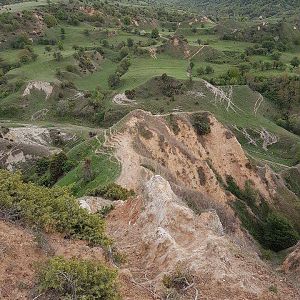
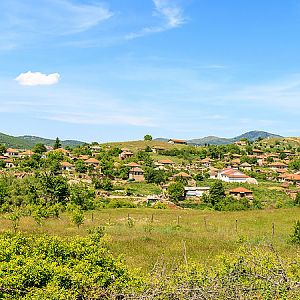
South-East Europe (R. Macedonia near border with Greece). Near this vilage of Vitolishte I would love to open a small modern zoo, altough this place is about 50 km from the nearest town. Hopefully I will attract at least 10,000 visitors anualy. What do you think about such location. The climate is submediterranean, with average anual 12 deg C, and sunshine of more than 2,450 hours. Average temperature in the coldest month (January is 1 deg C, in hottest (July) the average is 22.5 deg C.).
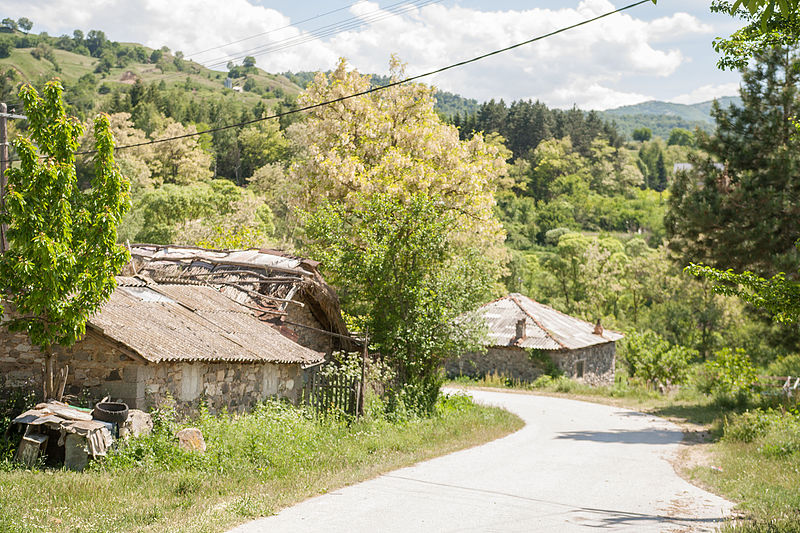
South-East Europe (R. Macedonia near border with Greece). Near this vilage of Vitolishte I would love to open a small modern zoo, altough this place is about 50 km from the nearest town. Hopefully I will attract at least 10,000 visitors anualy. What do you think about such location. The climate is submediterranean, with average anual 12 deg C, and sunshine of more than 2,450 hours. Average temperature in the coldest month (January is 1 deg C, in hottest (July) the average is 22.5 deg C.) The altitude here is about 850 metres, but can be a little bit further down to around 600 metres.
 
I'm also in the process of opening a zoo, but in quite a different location, namely Sweden. I can't comment on the number of visitors you'll be able to attract in that location, but I have a few other thoughts which might sound obvious but looking at how some people go about starting zoos, they apparently are not. If you have unlimited finances, you can stop reading now, but if you need to make monkey eventually you need to think about a few things. First, the animals: choose animals which are easy and cheap to care for. Animals that require much heating, expensive diets and who's husbandry is time consuming are not the animals you want to start with. Also, think about what you think the visitors will want to see. There is no point in starting with a Congo peafowl when you can have a silver pheasant instead. The average visitor will not be happier with the Congo peafowl, but it would cost you a lot more. Those species are just examples. With the climate you describe you have a very wide variety of animals which you could house without any additional heating. Start with those. I would also think about quality over quantity. Can you have one species which you display in a interesting way, which make people stay longer with it and giving the visitor a memorable experience, rather then having 5 similar species in a row, I think you will do better.
 
I'm also in the process of opening a zoo, but in quite a different location, namely Sweden. I can't comment on the number of visitors you'll be able to attract in that location, but I have a few other thoughts which might sound obvious but looking at how some people go about starting zoos, they apparently are not. If you have unlimited finances, you can stop reading now, but if you need to make monkey eventually you need to think about a few things. First, the animals: choose animals which are easy and cheap to care for. Animals that require much heating, expensive diets and who's husbandry is time consuming are not the animals you want to start with. Also, think about what you think the visitors will want to see. There is no point in starting with a Congo peafowl when you can have a silver pheasant instead. The average visitor will not be happier with the Congo peafowl, but it would cost you a lot more. Those species are just examples. With the climate you describe you have a very wide variety of animals which you could house without any additional heating. Start with those. I would also think about quality over quantity. Can you have one species which you display in a interesting way, which make people stay longer with it and giving the visitor a memorable experience, rather then having 5 similar species in a row, I think you will do better.

Thank you for your opinion. I do not have finances, right now even to open a petting zoo, but I hope for near future. Yes I agree with your statements and comparaions. If I got my planned budget, I would start with 2-3 mantled guerezas, 1-2 leopards, 5-8 species of reptiles (including Eastern green mamba, red spitting cobra, king cobra, rhinoceros viper, cuban crocs-hopefully, emerald tree boa, eyelash viper, Mexican West coast rattlesnake) and 1-3 species of birds (southern ground hornbill, African fish eagle and chattering lory). So reptiles will need heating a lot in winter, and durring nights in spring and autumns, but I plan to solve that with mini windmills and solar panels, at least partially.

Can you present your idea about wich animals will you choose for your zoo, first?
 
That sounds like quite expensive plans. The guerezas will need heating during the winter nights, and if you want to be a modern zoo, they would also need quite large indoor accomodation. They should be quite cheap to feed though, if you get a good deal with local farmers for second rate vegetables. Geurezas sometimes work in walk-through enclosures, and if you have a few large trees on your land that could be a nice way to exhibit them. Leopards are cheap to feed, but a good enclosure would be expensive. Are you experience with venomous snakes? If not I would advice against starting with them. Remember that you will need days off and someone else will have to care for the animals on those days. I would also not start with so many different snakes, but that's me. Like I said in my previous post, people stay at traditional exibits for very shorts time periods, from 10 seconds to a few minutes. If a snake isn't moving... well. It might sound cynic, but is it worth the money? Also, have you thought about american alligators instead of cuban crocs? Alligators could be housed outdoors for longer then the crocs and you might be able to hibernate then during the winter? Maybe there a few medeteranian reptiles which could be presented in an interesting way?
 
That sounds like quite expensive plans. The guerezas will need heating during the winter nights, and if you want to be a modern zoo, they would also need quite large indoor accomodation. They should be quite cheap to feed though, if you get a good deal with local farmers for second rate vegetables. Geurezas sometimes work in walk-through enclosures, and if you have a few large trees on your land that could be a nice way to exhibit them. Leopards are cheap to feed, but a good enclosure would be expensive. Are you experience with venomous snakes? If not I would advice against starting with them. Remember that you will need days off and someone else will have to care for the animals on those days. I would also not start with so many different snakes, but that's me. Like I said in my previous post, people stay at traditional exibits for very shorts time periods, from 10 seconds to a few minutes. If a snake isn't moving... well. It might sound cynic, but is it worth the money? Also, have you thought about american alligators instead of cuban crocs? Alligators could be housed outdoors for longer then the crocs and you might be able to hibernate then during the winter? Maybe there a few medeteranian reptiles which could be presented in an interesting way?


I plan to feed the guerezas with ficus leaves (like those with broad lives in households) who will raise in garden made of transparent plastics. Also with vegetables, fruits, boiled eggs, some roasted chicken, vitamin suplements, and some optional browse like olive tree leaves, willow tree leaves, etc. Here vegtables are pretty cheap, you can buy one head of lettuce for 0.25 euros, or one kilo of cucambers for 0.25 euros. Second grade bananas, 0.25 euros, second grade oranges, 0.3 euros.

For the leopards, I plan to raise my own goats in the same zoos, who eventualy will be sent to slaugtherhouse... but that is

I have not experience with venomous snakes tough, but they fascinate me, so I will ask for help and at least one-week stay from someone experienced, eg. Batto :p

Why would be so problematic with heating, here daily temperatures in winter frequently exceeds 10 degrees C, durring nights, yes heating. But I will not consume a lot of electricity, maybe like 3 households.

Yes there are actually 32 native species of Reptiles in my country, including 5 venomous snakes (3 viperids, 2 colubrids), 2 species of tortoises, about 12 species of non-benomous colubrids and one boa, and many lizards species, but they are quite small in comparasion to for example, one King cobra, and hence will not be so striking attractive, and people here are used to them.
 
For the enclosures,

I plan for leopards: at least three outdoor enclosures in sizes 15x15 metres, fenced with plastic panels and mesh, glass from one side, and roof of mesh. Three indoor, altogether, 3 x 25.0 square metres. The price for plastic panels is 8 euros/square metre, of mesh 2 euros/square metre

For mantled guerezas, same, 3 outdoor enclosures, 15 x 15 metres, and three indoor, 3 x 36.0 square metres. They will be fenced only with plastic panels, because here sequrity is of less importance from that of the enclosure of leopard.

Multi-parts enclosure are vital for my plan, as they would be reserve, stimuation ang rotating for animals, stimulating their behavior.

Two tunnels, completeley covered with mesh, for leopards, monkeys, and some birds, to around periphery of the zoo, so the animals will can walk and research some a little bit different environment than that of their enclosure. The goal: Animals to not feel boring, and depresed.

For reptiles, I plan even bigger enclosures from conventional one - like square terrrariums 1 or 2 square metres. Fenced with laminated glass, and plastic panels, intersepta of plastic panels, and their heigh will be 1.8 metres.

I not see this project as too expensive friend
 

Media information

Category
Macedonia - Other
Added by
Nikola Chavkosk
Date added
View count
974
Comment count
6
Rating
0.00 star(s) 0 ratings

Share this media

Back
Top