Chlidonias

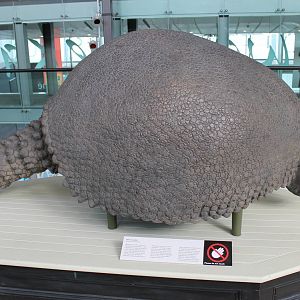
shell of Colossochelys atlas, the largest tortoise ever

synonyms [i]Geochelone atlas[/i] and [i]Testudo atlas[/i] (the latter name is the original one from 1880, which is the one used on the label at the museum). The species was discovered in the late 19th century in the Siwalik Hills of northern India. According to Wikipedia it lived from the Miocene to Pleistocene, and had a distribution as far east as what are now the Lesser Sundas, and possibly as far west as Europe. The shell is about 2.1 metres long.

This specimen is a cast of the original shell, and was exhibited at the Melbourne International Exhibition of 1880-1881 before being deposited at the museum.

May 2014
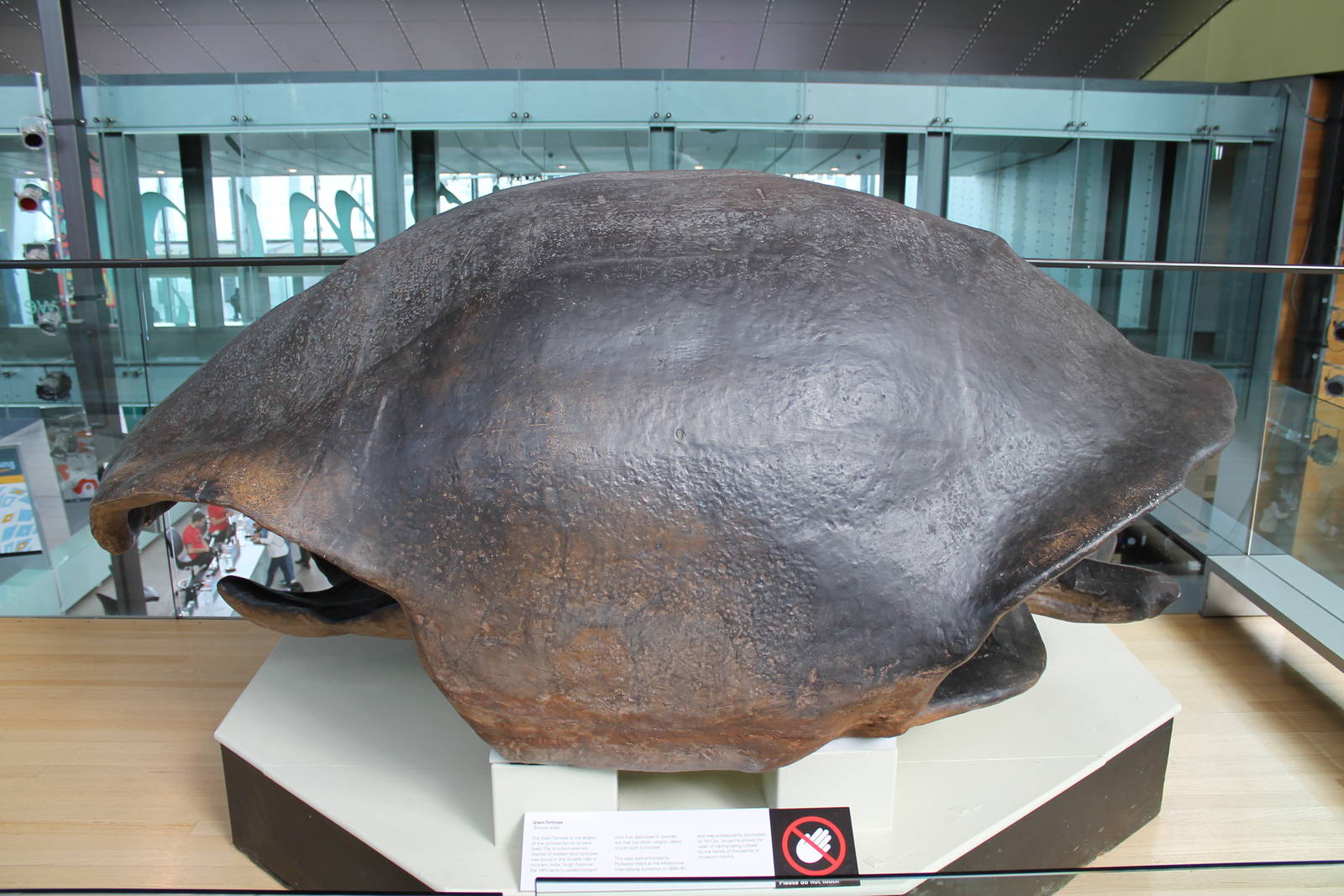
synonyms Geochelone atlas and Testudo atlas (the latter name is the original one from 1880, which is the one used on the label at the museum). The species was discovered in the late 19th century in the Siwalik Hills of northern India. According to Wikipedia it lived from the Miocene to Pleistocene, and had a distribution as far east as what are now the Lesser Sundas, and possibly as far west as Europe. The shell is about 2.1 metres long.

This specimen is a cast of the original shell, and was exhibited at the Melbourne International Exhibition of 1880-1881 before being deposited at the museum.

May 2014
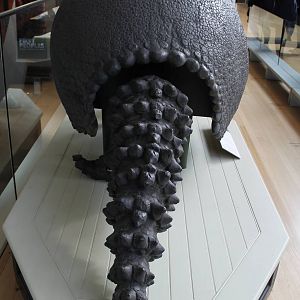
 
Does the museum have much on exhibit about the Australian Pleistocene megafauna?
there is an entire section devoted to prehistory but I didn't really get many usable photos from in there due to the layout of the displays. But yes there is quite a bit in there on the fossil and subfossil marsupials and monotremes, including skulls, mounted skeletons, etc. Also some dinosaurs, Permian fauna, etc.
 

Media information

Category
Melbourne Museum
Added by
Chlidonias
Date added
View count
4,238
Comment count
3
Rating
0.00 star(s) 0 ratings

Share this media

Back
Top