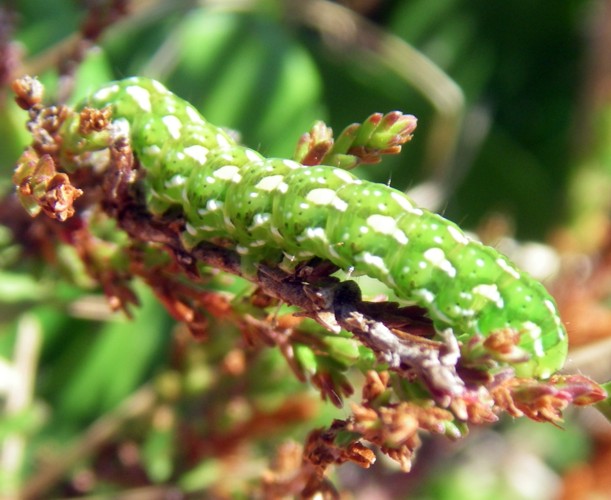
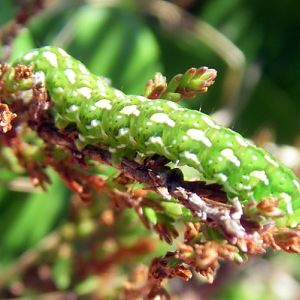
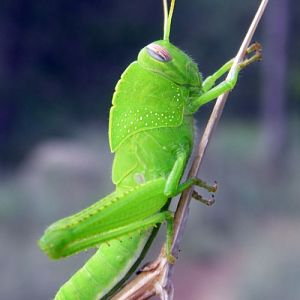
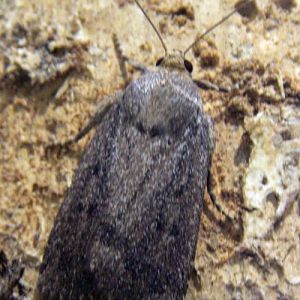
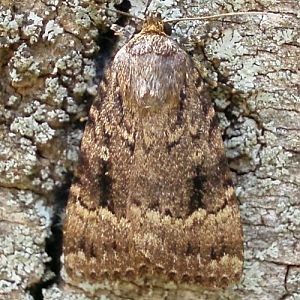
This species is known as the beautiful yellow underwing in the UK as we have 3 other species of Y.u.Wings they say it feeds on heather what was this one feeding on K. any ideas?
I like all your shots too K., nice to see the insects getting a look in.
dean
Thanks for your nice comment Dean. What is the "third" species? I only know Anarta myrtilli and Anarta cordigera.
This one is feeding on heath too. The exact species in this shot, is Calluna vulgaris. Not a healthy plant, but... here is where I found it. As the name suggest (myrtilli), it can feed also in other plants from the same family (Ericaceae) such as blueberry (Vaccinium myrtillus).
Thanks for your compliments. First, I was uploading only photos taken in zoos. But then I saw some photos of others with insects and other wildlife and I decided to do the same. I only upload the insects enough well known internationaly for have an English common name. So I search the insect in Google and if it have a common name, I upload the photo. But I have photos of muuuuuch more species of insects.
According to one of my books THE OXFORD BOOK OF INSECTS there are 4 recognized species
Lesser Yellow underwing Euschesis comes
Large Yellow underwing Noctua pronuba
Broad Bordered yellow underwing Lampra fimbriata
Beautiful yellow underwing Amarta myrtilli
I must add the book was revised in 1979 so may well be taxinomicly out of date now. I suspect the book is older than most zoochatters.
Dean
OK. Right, it's out of date: Euschesis comes is Noctua comes and Lampra fimbriata is Noctua fimbriata. Appart of my taxonomic disagreement in spilt them in different genus (first notice here), Lampra is invalid as it's a junior synonym for a jewel beetle (buprestid).
I have also photos of all these three species of Noctua (comes, pronuba and fimbriata) and also Noctua interposita, N. janthe, N. janthina, N. orbona and N. tirrenica. Then I only lack N. interjecta for complete all the European species of the genus Most of them came to a single light trap in only one night!
This year, Noctua pronuba was exceptionally common in my garden. I don't know why. I never saw so many individuals in all my life! In my garden appeared twice N. comes and once N. orbona, and nothing more. But N. pronuba is common.
I thought the names of the yellow under wings would be out of date by now, most of my books are probably out of date by now. I will need to upgrade a bit. it's odd when you find so many of a species in one place I can recall in Ibiza in the early 1990's i went every year for 6 years always the same time(august 14th-28th but on one visit I think it was 1992, the island was thronged with Spurge hawk moths, I never saw a single one after that, but for that one visit they flew around in huge numbers around the floodlights at night, the gekos had a graet time.
The geckos? A spurge hawk moth is not too big for a gecko? Anyway, the caterpillar is toxic - as the plants are, and for that are so brightly coloured - I don't know if adult Hyles euphorbiae are toxic too (most toxic butterflies are because of the plant host of the caterpillars).
I never saw this species in big numbers, always solitary.
The moth were far to big, the geckos constantly caught them by the head which they bit off leaving the bodies to fall to the floor, no doubt for the ground beetles to fed on. It wasn't a nice sight watching the moths land on the walls then fall to the floor dying, all within a few seconds.
As you say I imagine that if not poisonous the moths will be a little unpleasant to eat having eaten the spurges as caterpillars .