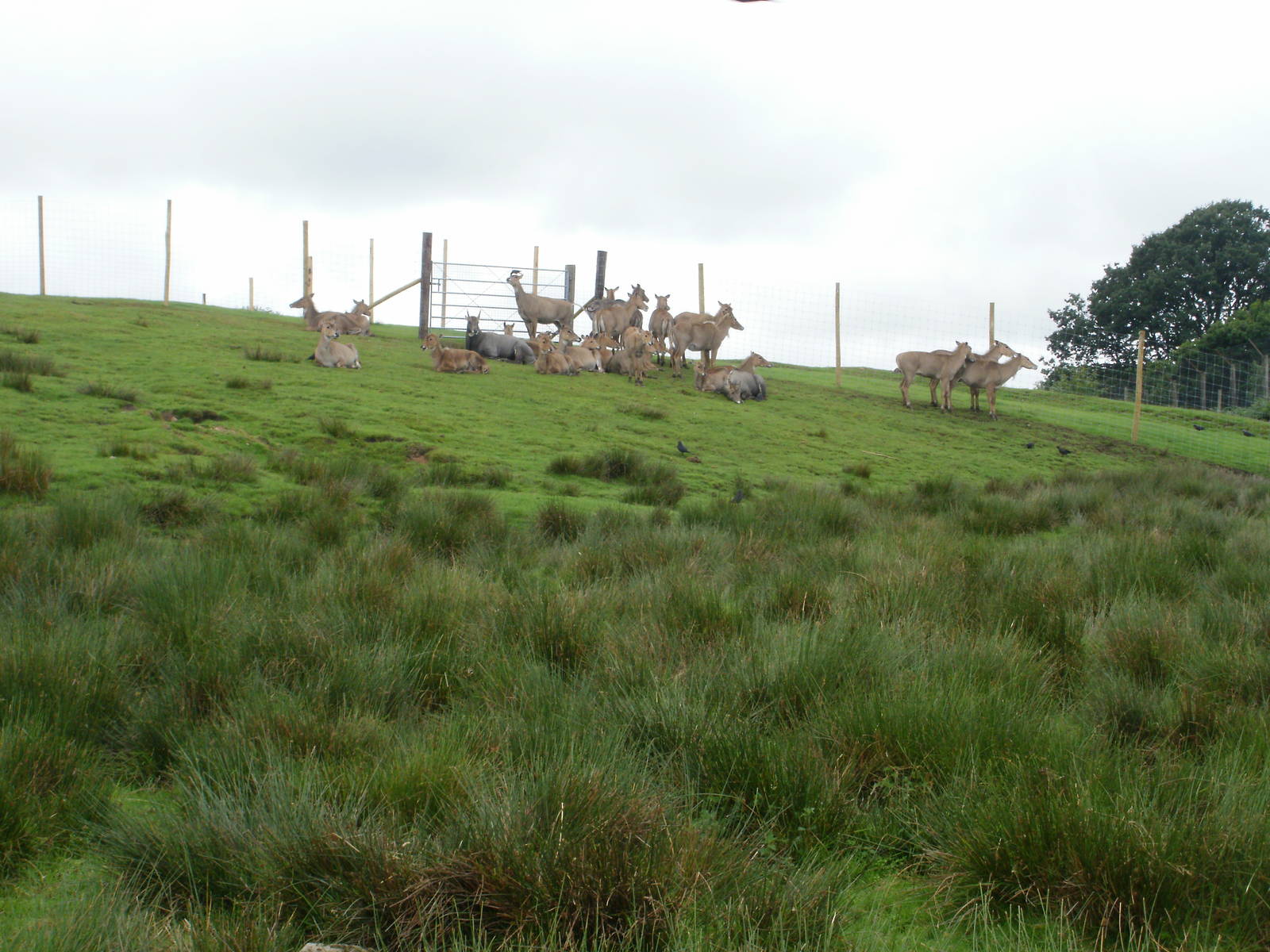
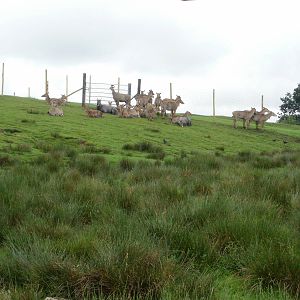
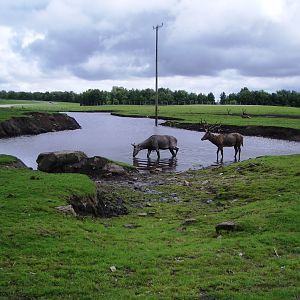
Maguari 1 Nov 2010 These are actually Nilgai, usually described as an antelope (but in truth more closely related to what we'd call cattle than other 'antelopes').
These are actually Nilgai, usually described as an antelope (but in truth more closely related to what we'd call cattle than other 'antelopes').
P P Pertinax 2 Nov 2010 It seems West Midlands and Knowsley have now become the 'caretakers' for this species in the UK- Howletts only have very few and Whipsnade maybe none now.
It seems West Midlands and Knowsley have now become the 'caretakers' for this species in the UK- Howletts only have very few and Whipsnade maybe none now.
P P Pertinax 2 Nov 2010 Good and any idea how many they've got? Presumably they came from one or other of these two Safari Parks?
Good and any idea how many they've got? Presumably they came from one or other of these two Safari Parks?
Maguari 2 Nov 2010 Pertinax said: Good and any idea how many they've got? Presumably they came from one or other of these two Safari Parks? Click to expand... If I remember correctly, 1.2 from Knowsley. Hopefully that'll grow with time.
Pertinax said: Good and any idea how many they've got? Presumably they came from one or other of these two Safari Parks? Click to expand... If I remember correctly, 1.2 from Knowsley. Hopefully that'll grow with time.
P P Pertinax 2 Nov 2010 As they often have twins they should be able to build a group quite rapidly. I wonder if Knowsley's and West Midlands groups are derived from each other and presumably so both derived from Howletts/PL stock?
As they often have twins they should be able to build a group quite rapidly. I wonder if Knowsley's and West Midlands groups are derived from each other and presumably so both derived from Howletts/PL stock?