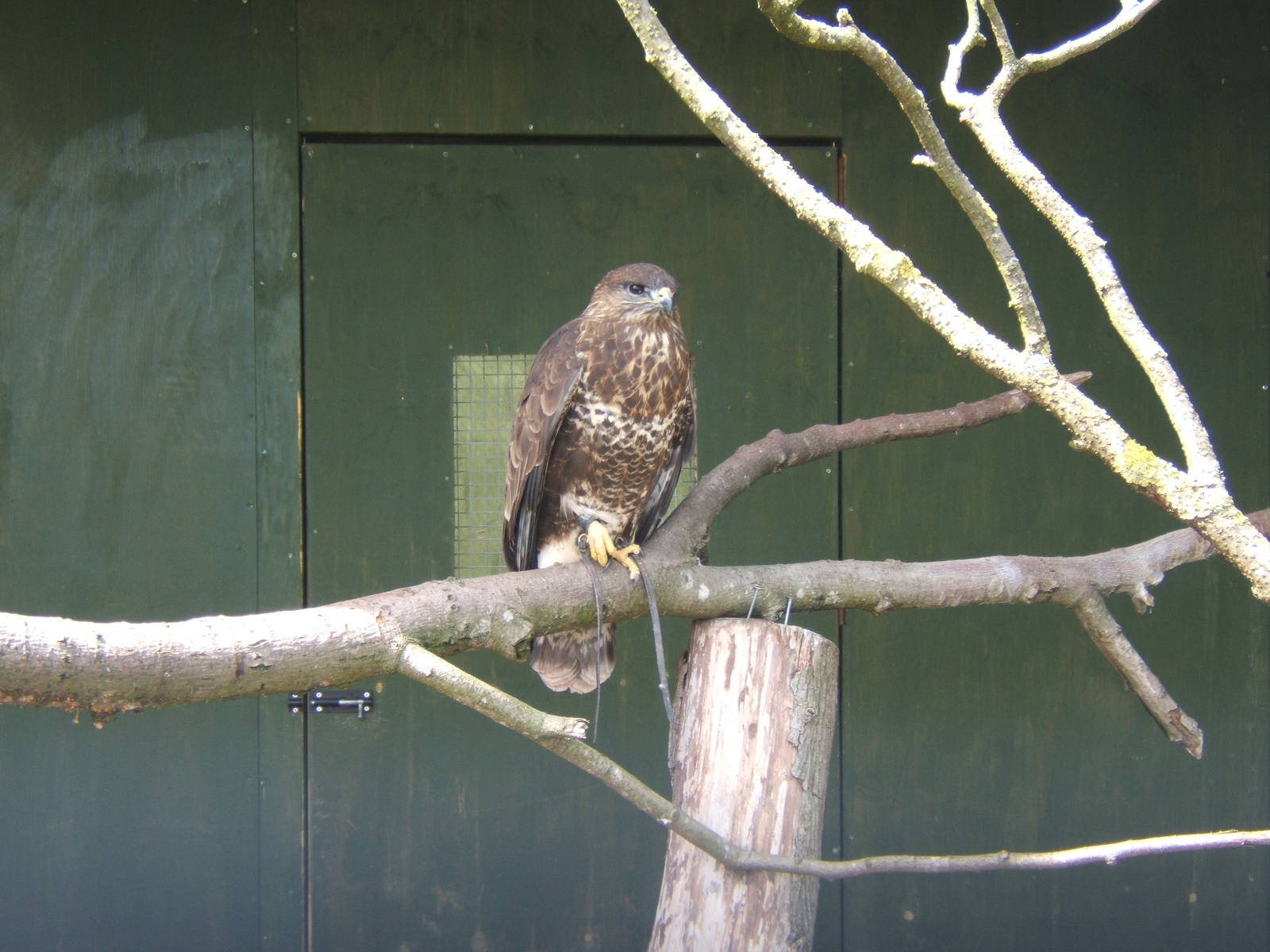
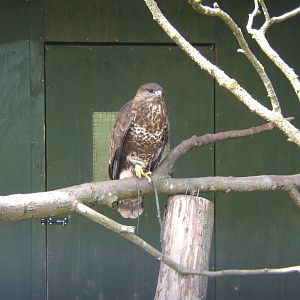
You could make an argument that this is the European subspecies (B. b. buteo) of Common Buzzard, ergo a European Buzzard? Technically should favour 'European Common Buzzard' but that's not very euphonious.
The return of the Common Buzzard to so much of the UK has been wonderful. Forty years ago the highlight of my boyhood holidays in Somerset was seeing them. Large raptors, with the exception maybe of Marsh Harriers at Minsmere, simply weren't to be seen in Eastern English summers.
I reckon to see one or two every week in Northants now, and that's without trying.
If, instead of commuting across town, I were to find myself commuting the half-hour or so to Sheffield, either by train or car, I'd quite likely see them pretty much daily. Much more regular then even ten years ago. Around here you see similar numbers of buzzards to kestrels these days.
Conversely, the decline of the Common Kestrel is sad. I don't know if younger chaps and chapesses notice it so much, but I would be surprised if others of my own age group didn't.
Growing up in Suffolk, I saw my first Buzzard in the New Forest in 1969 when I was fifteen.
Not only are they now back in East Anglia, (as are Sparrowhawks which got as low as a single pair in Suffolk), but I have seen as many as five at a time over my Dorchester garden, and as many as twelve in a ploughed field after worms. Certainly the commonest bird of prey in Dorset.
On one of my regular trips from Manchester to Exeter (or vice versa) I guess that I see a minimum of a dozen buzzards but it's now rare to see even one kestrel. Thirty five years ago, when I first did the trip, it would have been the other way round.