snowleopard

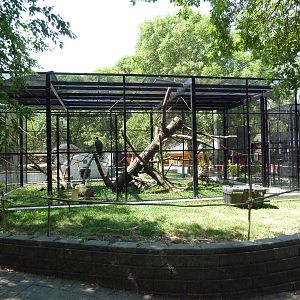
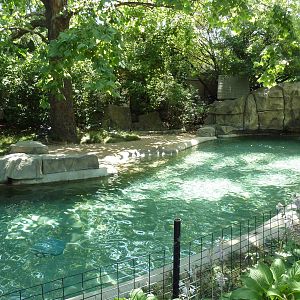
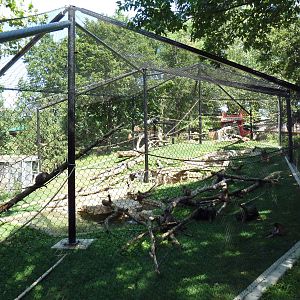
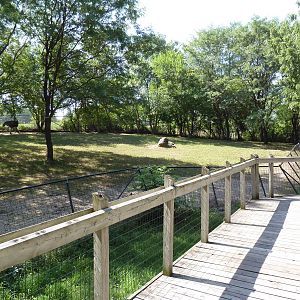
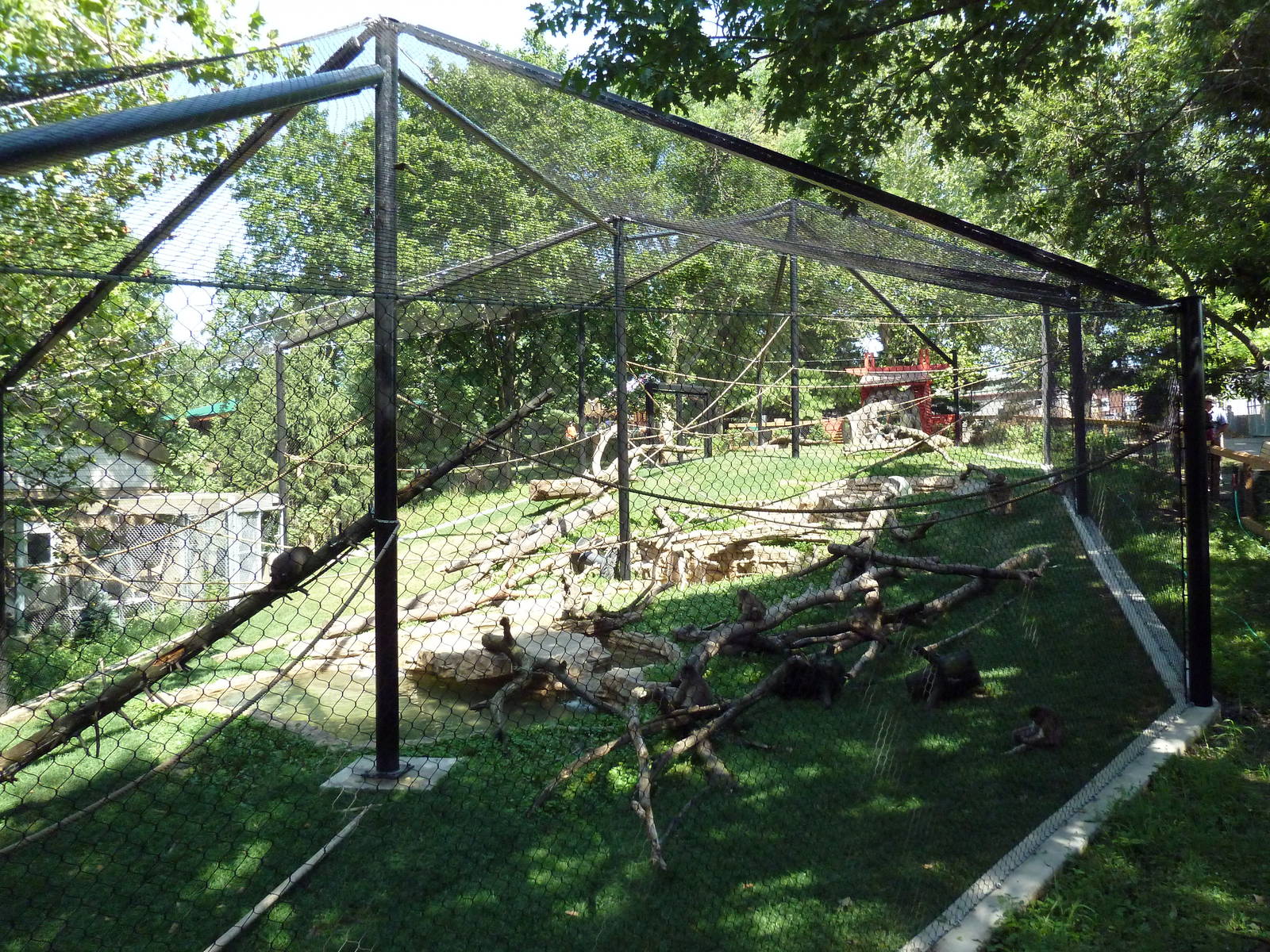
Japanese Macaque Exhibit (one of the highlights of the zoo)

July 7th, 2012. This fairly new exhibit is quite large and set on a hillside with lots of grass, strewn branches and enrichment opportunities for the snow monkeys. The best fact of all is that there are apparently close to 20 of the primates, and it was a joy to watch them cavort with one another, groom their neighbours, or laze around in the hot sun. A large troop of primates at any zoo is always a showstopper and this was no exception.
  • Like
Reactions: DelacoursLangur
July 7th, 2012. This fairly new exhibit is quite large and set on a hillside with lots of grass, strewn branches and enrichment opportunities for the snow monkeys. The best fact of all is that there are apparently close to 20 of the primates, and it was a joy to watch them cavort with one another, groom their neighbours, or laze around in the hot sun. A large troop of primates at any zoo is always a showstopper and this was no exception.
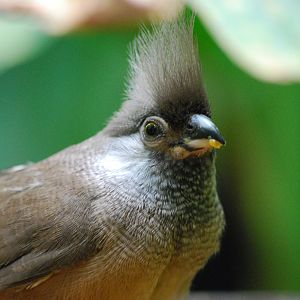
 
This enclosure was renovated and reopened in 2013, and Japanese Macaques are a tremendously popular species to have in zoos. Of equal importance is the fact that the animals are hardy, sturdy specimens when it comes to chilly winters. Lincoln Park, Great Plains, Minnesota and Calgary are 4 North American zoos that are either renovating or building new exhibits for Japanese Macaques, but where are all of the primates being sourced from? Why the sudden surge in popularity?
 
Lincoln Park, Great Plains, Minnesota and Calgary are 4 North American zoos that are either renovating or building new exhibits for Japanese Macaques, but where are all of the primates being sourced from? Why the sudden surge in popularity?

I can help you there snowleopard, you partly answered your own first question; they're popular because they are a hardy and active species. A lot of the more delicate primates will spend a significant amount of time inside and it's far more impressive to watch these animals outside in a naturalistic enclosure rather than in an artificial indoor enclosure.
I'm going to guess that they're being sourced from Europe or an American zoo that has them already, they are quite prolific when it comes to breeding and it appears that zoos tend to end up with large groups and therefore the surplus have to go somewhere.
I agree that they are a great exhibit animal though, how many other primates will utilise a water moat?! ;)
 

Media information

Category
Blank Park Zoo
Added by
snowleopard
Date added
View count
3,934
Comment count
3
Rating
0.00 star(s) 0 ratings

Share this media

Back
Top