@UngulateNerd92
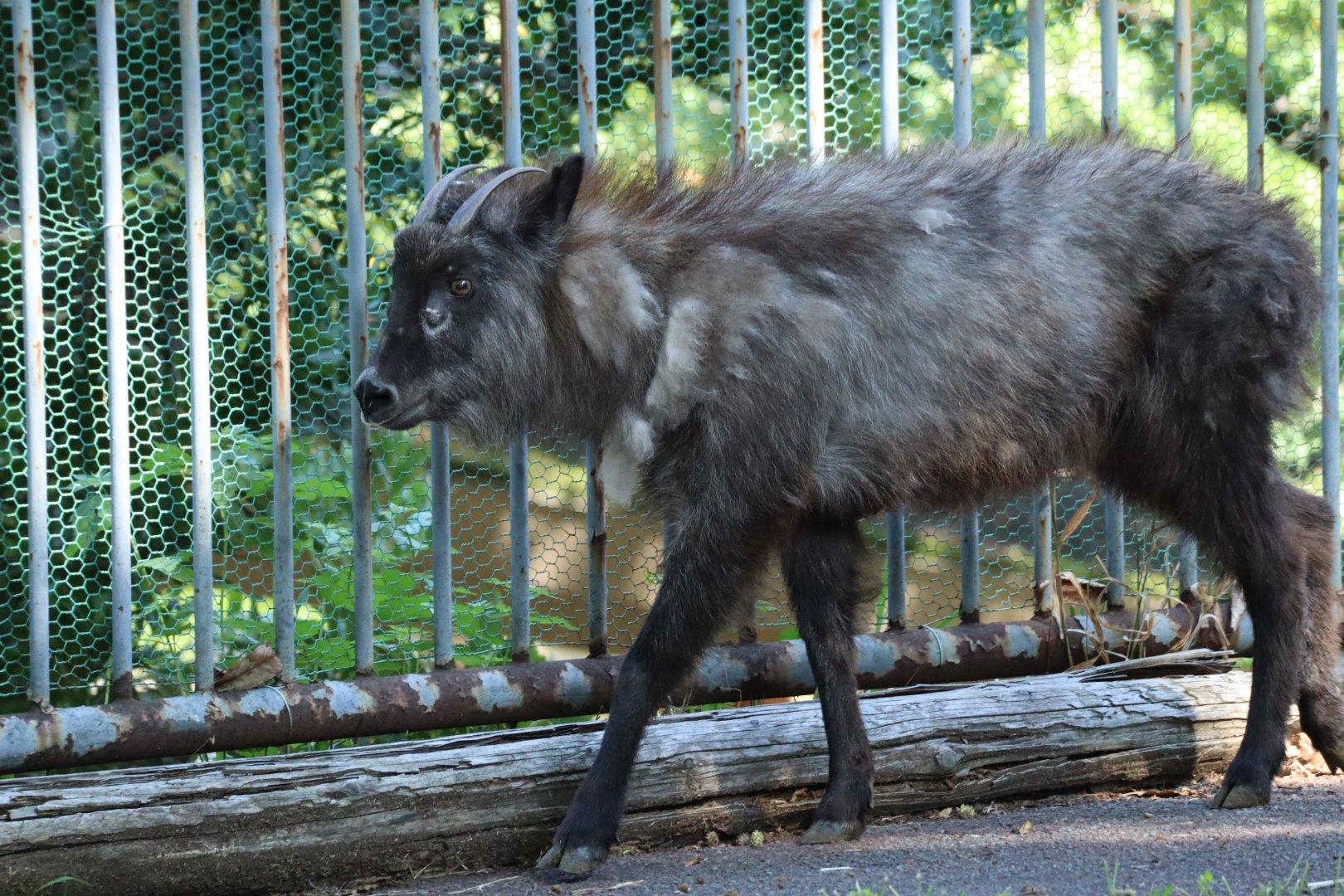
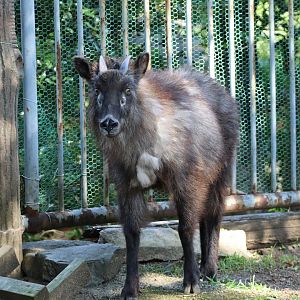
JAZA's breeding plan for Japanese serow is divided between the Shikoku population and the Honshu population. Since the Shikoku population is endangered, JAZA is making a special effort to breed this population, and the number of them being bred is increasing every year. The Honshu population is also increasing every year.
The Shikoku population is darker in color than the Honshu population.
@Veno ah very interesting. Thank you. Considering the minor morphological differences, what is the likelihood of them being split off as separate subspecies and when did those two populations radiate/split from each other? Also, what is causing the endangerment of the Shikoku population?
@UngulateNerd92
I do not know if the Shikoku population can be separated as a subspecies or when the two populations diverged from each other, but as far as I know, the Shikoku population is smaller than the Honshu population and has differences in body color and horns, and the Honshu population itself has differences by region, ranging from pure white individuals like the one in the link to pure black.
The main reasons for the decline in the Shikoku population are said to be the deterioration of the habitat favored by antelope, such as shrubs and grass, due to the decrease in afforestation, and the dispersal of antelope with similar habitats to lower elevations due to the rapid increase of Japanese serow in recent years, even in the higher elevations.
I wrote this using a translation. Sorry if it is wrong.
Sorry for the wrong translation.
It is the Japanese deer that is rapidly increasing to the highlands.
They are threatened with extinction due to the increase in the population of the Japanese deer.