I would be really interested to hear about your time in the area - the practicalities of your visit, whether it is possible to trek by yourself or whether you need to be accompanied - and the ease with which you were able to see wonderful species like these, African palm civets, and others.
@sooty mangabey , karibu. I am in Amani for work, which makes it slightly different from a holiday visit, though I have some time off as well .
Visiting Amani is very easy and also quite cheap. All pictures I posted here were taken within 50 minutes walking of the Amani rest house. It is not obligatory to use a guide, but if you go further afield it might come handy. There are a few trails starting around the rest house and they are easy to find. The same goes for the comparable Sigi rest house which is a few hundred meters lower in altitude, so has different species. If you would go further away, a guide could be easy just as having your own car, though you can reach a few villages by matatu and there are many motorbikes that can give you a ride.
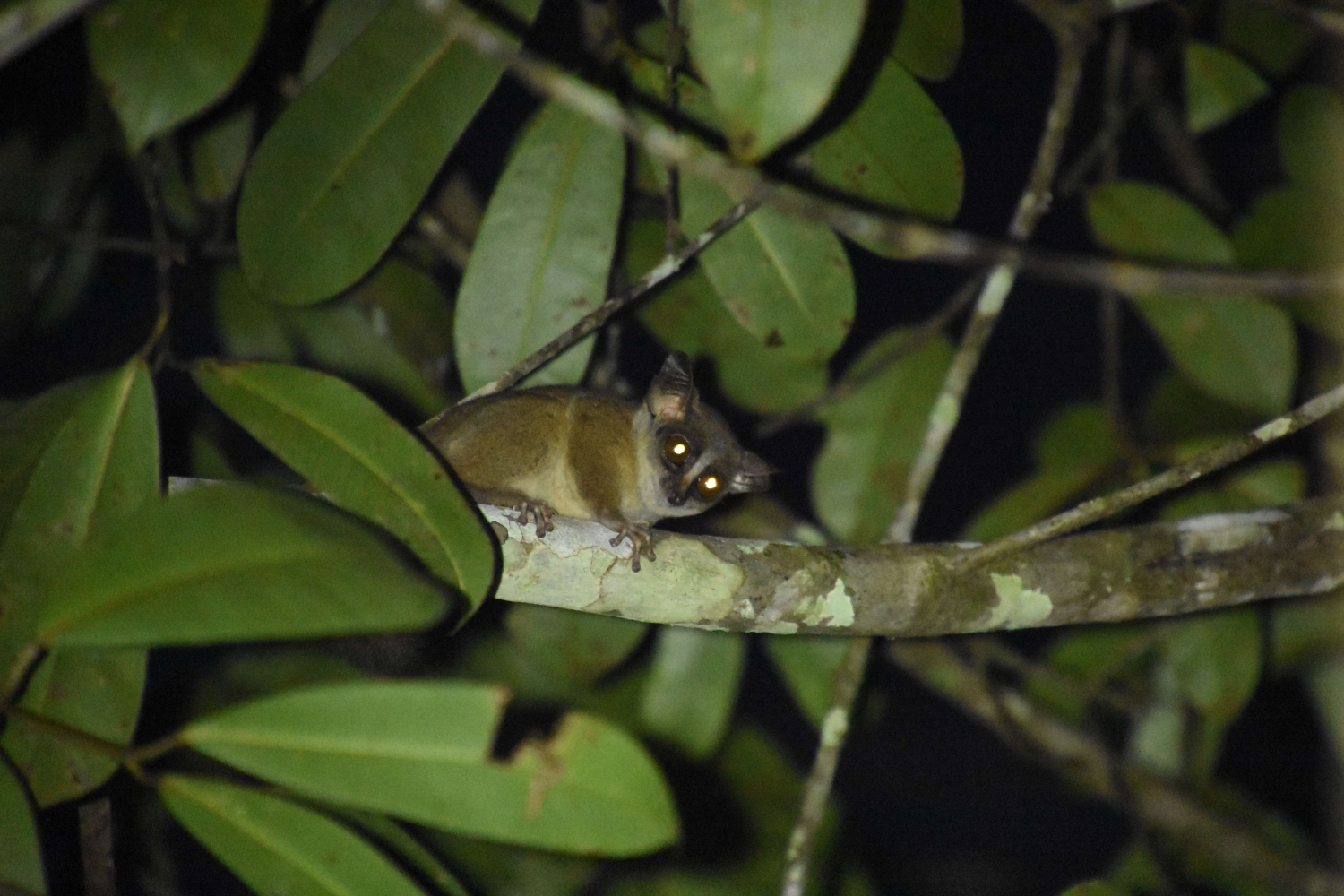
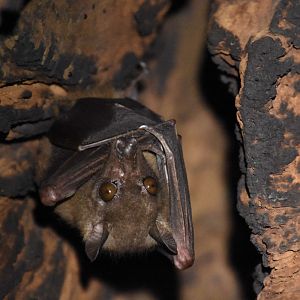
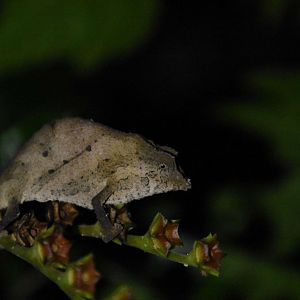
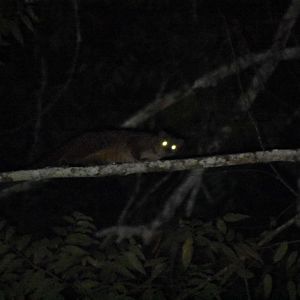
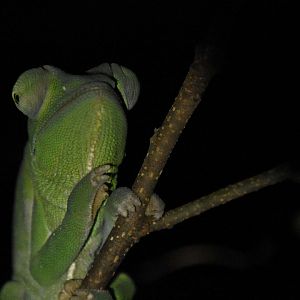
Amani is rich in both birds and mammals, though both come at low densities (olive sunbirds, silvery-cheeked hornbills and sykes's monkey excepted). African palm civet are very common at night though, the past 2 nights I saw 3. The Dwarf galago is more tricky but they are common at the top of the Mbomole hill trail, I have seen 3 in two nights up there. I have missed the olive ibis twice there, but they are supposed to fly by around sunset... The fruit bat was found resting in a hollow tree next to the path halfway to the top. For other nocturnal mammals you have to be a bit lucky, but I have seen suni, giant pouched rat, an unidentified genet, garnett's galago and bushy-tailed mongoose within 15 minutes of the rest house, but each species I have seen only once. Chameleons are common (just as frogs), though finding for the pygmy chameleon a guide comes in handy. For some speciality birds like the long-billed tailorbirds a guide could be handy for exact locations, though some independent birders find them by themselves as well.