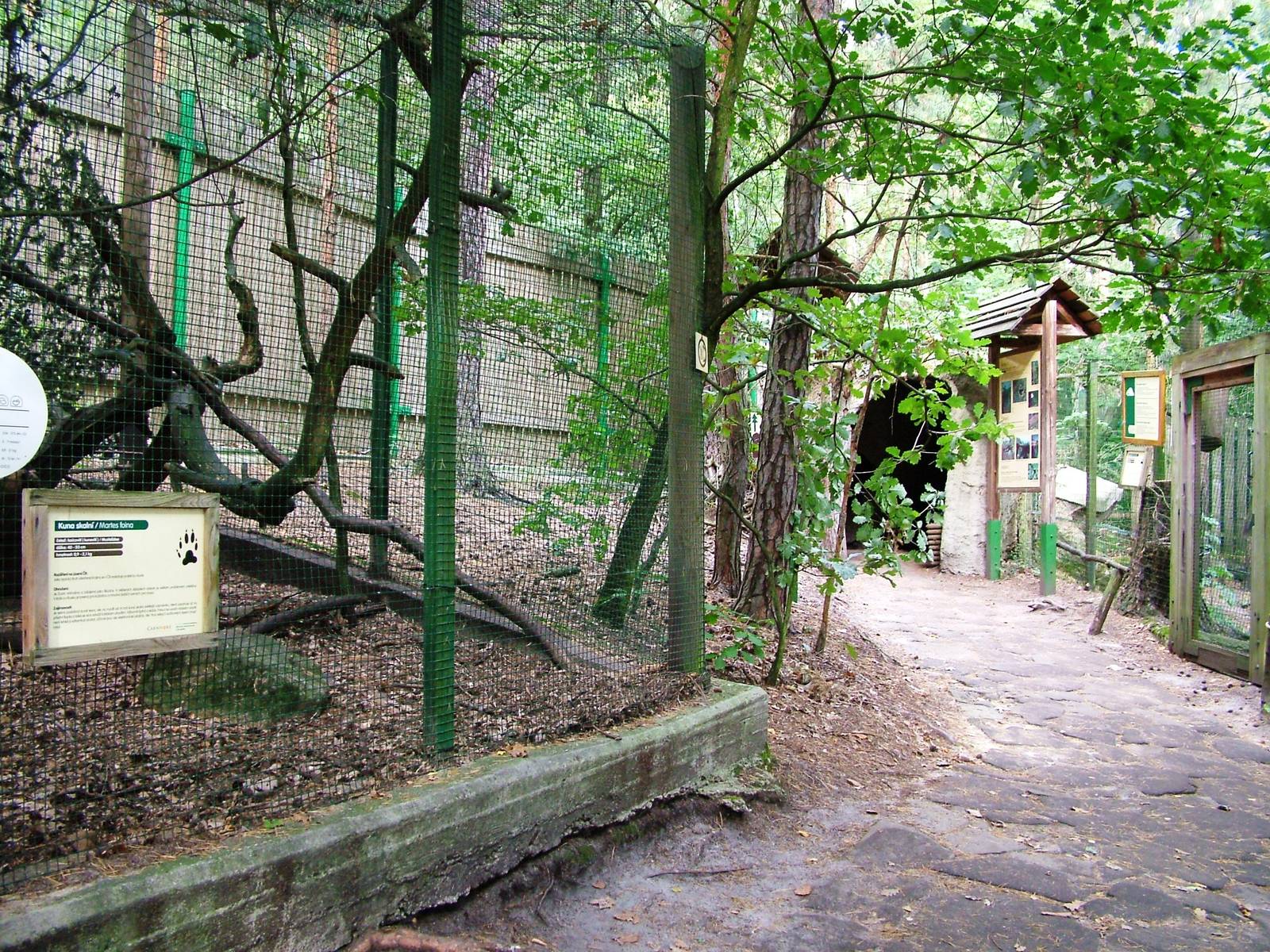
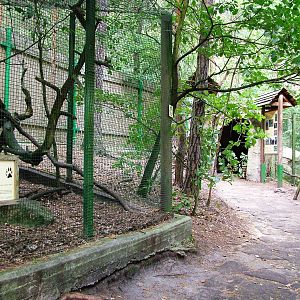
Well I guess that is the problem with mustelids - too small and secretive to see. Many of us (myself included) complain about the lack of mustelid exhibits in zoos, but if you never see the animals then I guess there is not much point. (And I for one am NOT a fan of nocutrnal reverse light exhibits, so I do not think that is the answer). Perhaps the best answer is to have a scheduled feeding at a set time so that visitors who really want to see the animals will know when to be there.
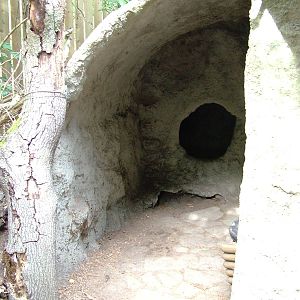
The easiest way is to have a viewable nest box or den - no problem at all seeing the badgers! Adding a window into a badger sett turns a more-or-less guaranteed no-show into a more-or-less guaranteed visible animal. Ditto European Otters. It's harder to do with martens or mink, but it should be possible.
I agree with both of you that mustelids are quite "unappealing" in captivity due to their secretive habits. However, I do believe that, in some cases, it's important to keep certain endangered species, as they help the conservation of the species and, quite frankly, teach people patience, and how to look with attention at every nook and cranny. In the Barcelona Zoo, for example, the European otters are often invisible, but it's so rewarding when you finally get a peek at them! And the European minks they're breeding in the Madrid Zoo-Aquarium serve as a great outpost and example for the conservation of these often ignored mammals.