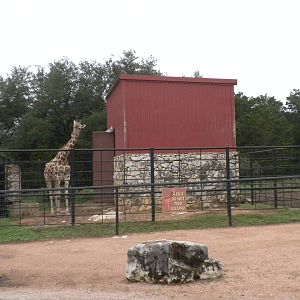
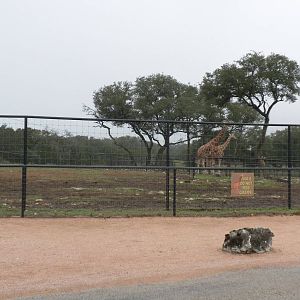
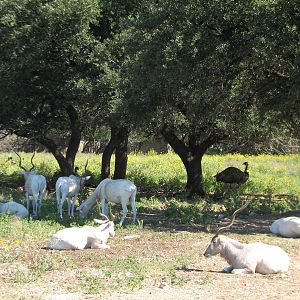
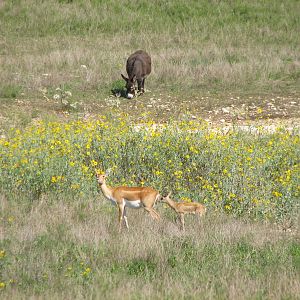
Although these are rare in captivity, they are often seen in large herds grazing with wilderbeest and zebra, and they also take part in the wilderbeest migration in the Serengeti.
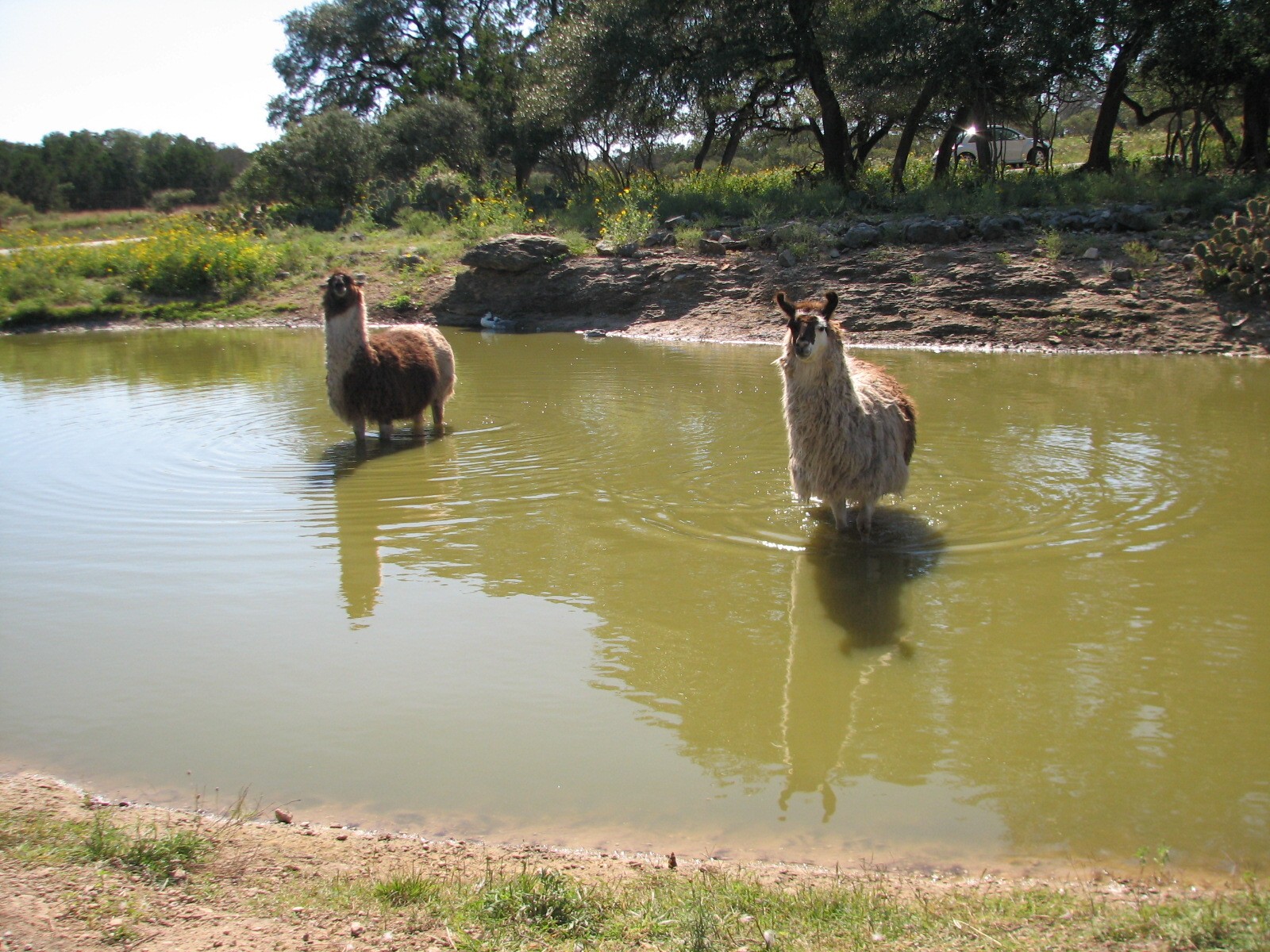
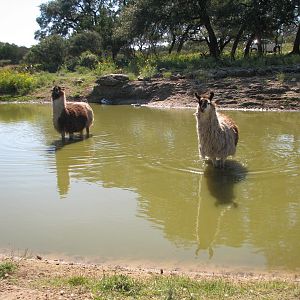
In case nobody else noticed, these are the very unusual [possibly hypothetical] Swamp Llamas from the Okavango Delta, that roost upside down in runcible trees, and spend their days up their knees in water, creating a hazard for unwary water-skiers and incredulous biologists. Their only natural enemy is the freshwater African Walrus.
In case nobody else noticed, these are the very unusual [possibly hypothetical] Swamp Llamas from the Okavango Delta, that roost upside down in runcible trees, and spend their days up their knees in water, creating a hazard for unwary water-skiers and incredulous biologists. Their only natural enemy is the freshwater African Walrus.
You're forgetting that the swamp llama (lama glama marais) is also preyed upon by the elusive white volkswagen beetle. One can be seen stalking the llamas in this photo.
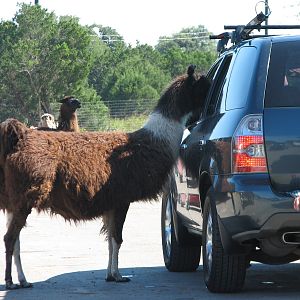
Unfortunately, a subspecies of swamp llama has established feral populations in the Southern United States, where it is known to foul the waters of man's artificial waterholes and chew the plastic frames that contain identification codes on man's personal transportation modules. These are learned behaviors that have been picked up from decades of observing their closely-related cohorts, the infamous Serengeti cross-eyed rheas, whose plumage is revered in their native land by the pygmy fan-dancers, whose leader Sally Rand once toured the North American region and carelessly dropped several feathers which generated the ancestors of the rheas that now pillage and rape the Texas Hill Country. God save this ranch and those who dare to observe and study its dangerous fauna!
Unfortunately, a subspecies of swamp llama has established feral populations in the Southern United States, where it is known to foul the waters of man's artificial waterholes and chew the plastic frames that contain identification codes on man's personal transportation modules. These are learned behaviors that have been picked up from decades of observing their closely-related cohorts, the infamous Serengeti cross-eyed rheas, whose plumage is revered in their native land by the pygmy fan-dancers, whose leader Sally Rand once toured the North American region and carelessly dropped several feathers which generated the ancestors of the rheas that now pillage and rape the Texas Hill Country. God save this ranch and those who dare to observe and study its dangerous fauna!
Does the Okavango Llama come in color phases? Because the Botswana Tiger Shark has exceptional color vision and would pick up that piebald coat in and instant!