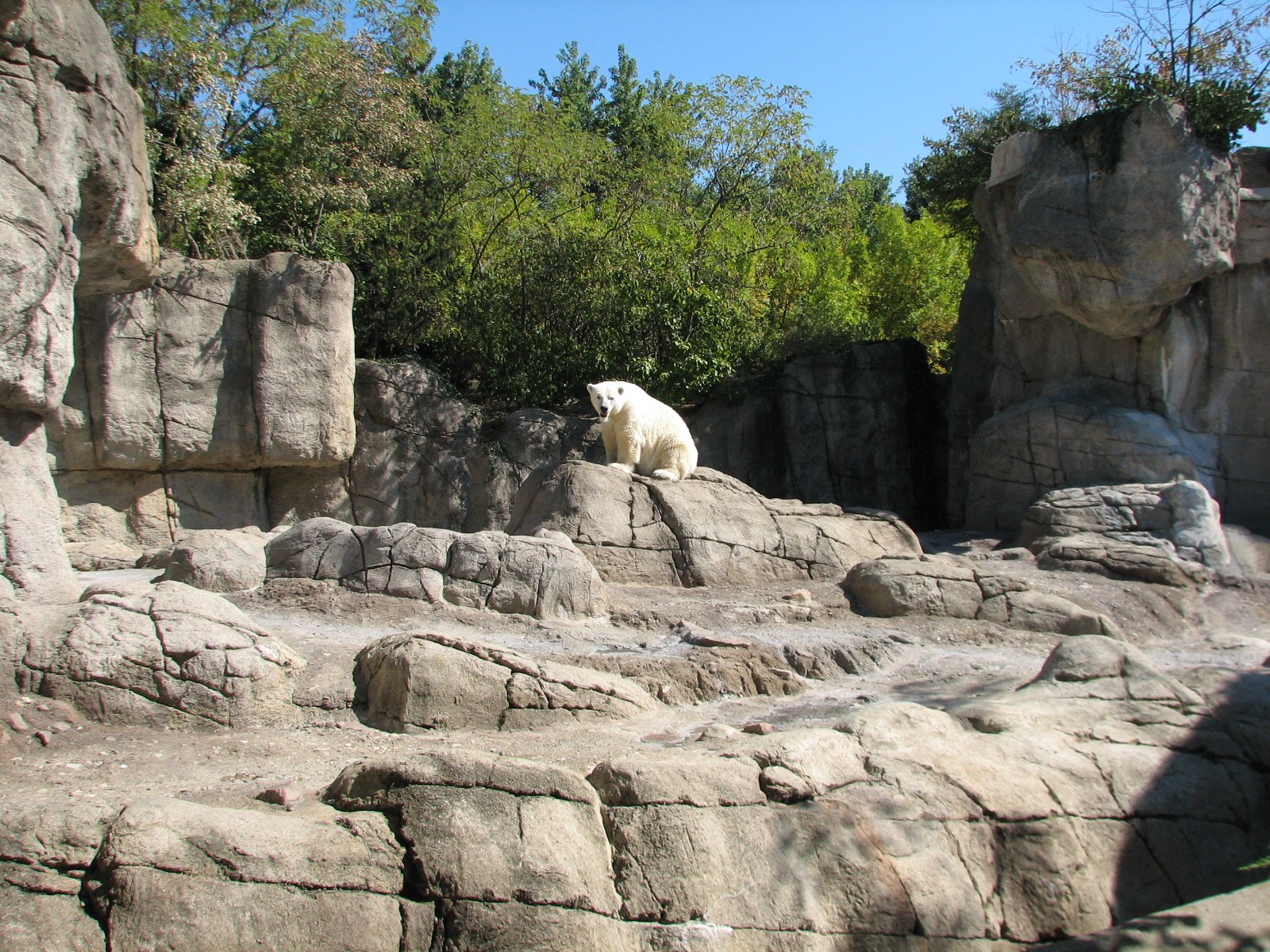
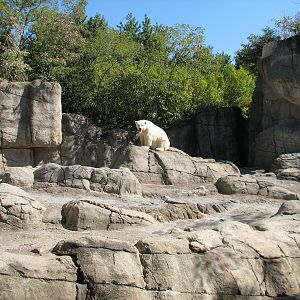
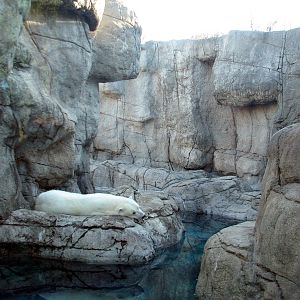
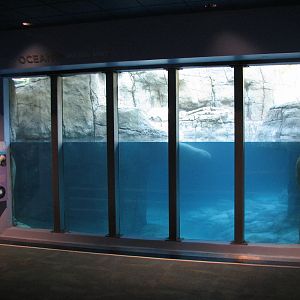
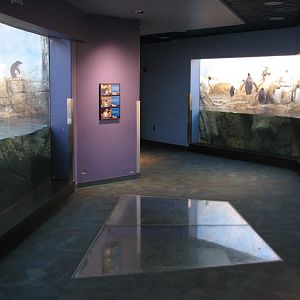
At least zoos like Detroit (with their marvellous polar bear habitat) and Toronto have wide grassy meadows for the bears to roam. San Diego, Brookfield, Oregon and many other major North American zoos have 6 foot by 6 foot patches of sand or grass for their polar bears, but in reality that is a disgustingly small amount of natural substrate for such massive creatures.
At least zoos like Detroit (with their marvellous polar bear habitat) and Toronto have wide grassy meadows for the bears to roam. San Diego, Brookfield, Oregon and many other major North American zoos have 6 foot by 6 foot patches of sand or grass for their polar bears, but in reality that is a disgustingly small amount of natural substrate for such massive creatures.
I hate to judje exhibits by size, and I am pretty sure the smallest enclosure is 8000 square feet, maybe I'm wrong though. If the new exhibits were going to be the same zize as the old ones, then I could see your point, but they are 4 times as big, and sometims exhibits have turned out really good even though they are not that large. An example of this is the amazing Regenstein Center for African Apes at the Lincoln Park Zoo. Not the biggest enclosures, but they work extremely well for both visitors and gorillas alike, thus they are in the top 5 gorilla habitats in America.
Brookfield's new grizzly and polar bear exhibits will be a huge improvement on the crappy grottoes that their bears currently live in, but judging from plans the Columbus Zoo will have even better grizzly and polar bear exhibits within months. Neither zoo will emulate Detroit's truly excellent "Arctic Ring of Life".