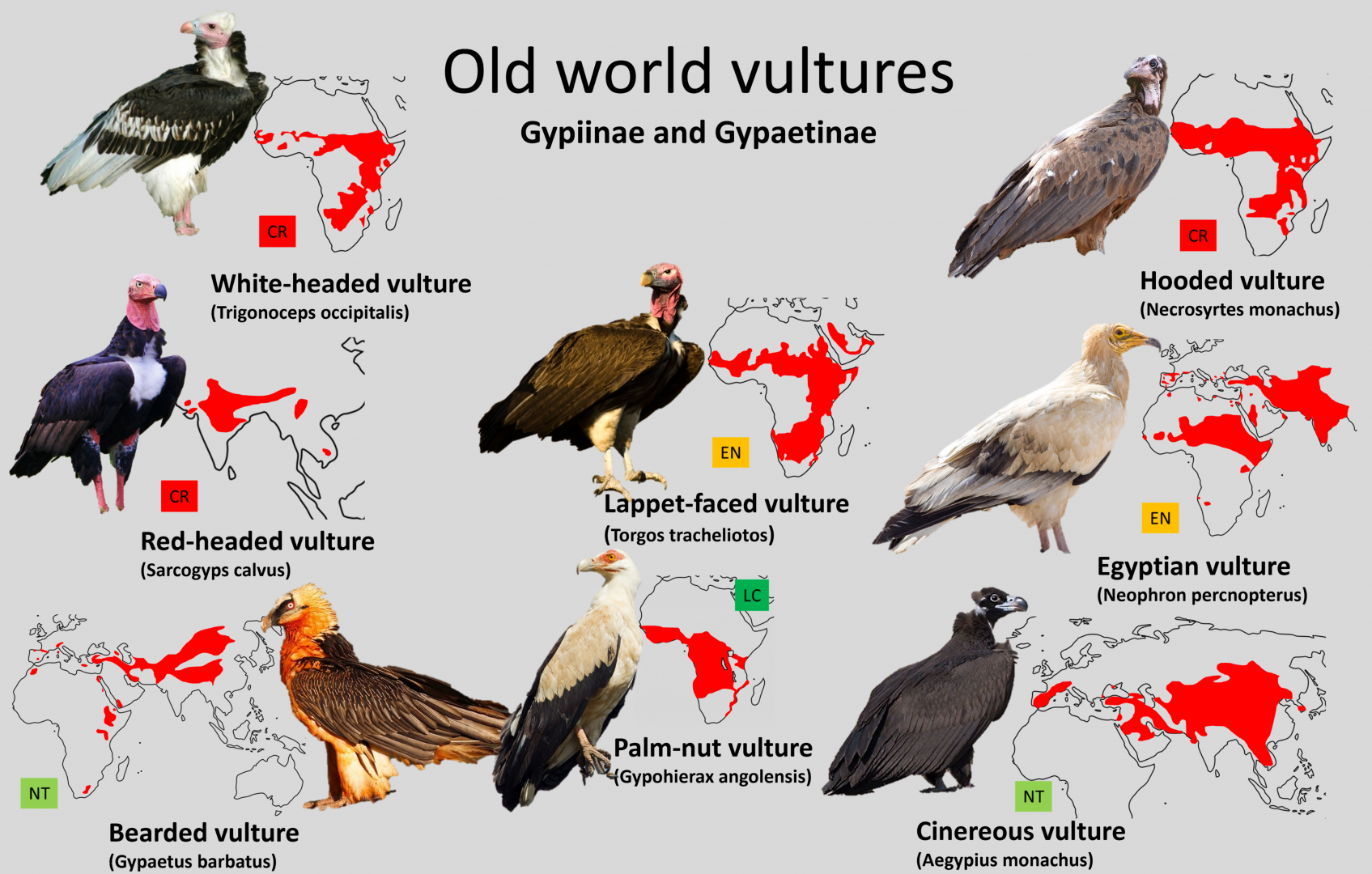
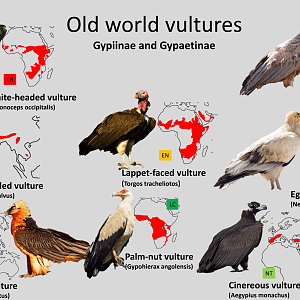
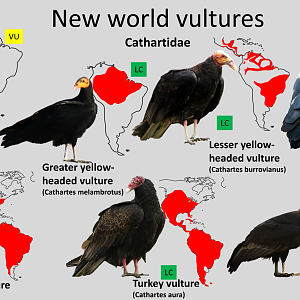
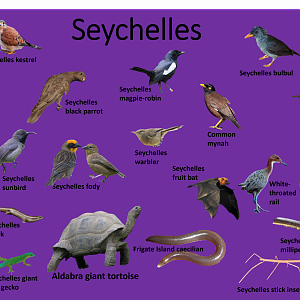
I have thought about it (I already made a few of the maps too) But most of groupings are too big. Most reptiles live in huge families. But I'll see what I can do
About the prints: I'd have to get permission from the photographers (I think), as well as decorating the background and the maps a little more. Since they're a little bland now. (Also: the quality is high enough for a computer screen, but not nearly high enough for a classroom-sized poster. I'd have to get another editing software)
iNaturalist and google images. Sometimes ZooChat too, though the pictures aren't usually the best (Since they have to be unobstructed for me to be able to properly cut them out)
@Mr Gharial for larger families, maybe you can divide such posters by genus, or even subgenus or species group where applicable. What do you think of that? Examples of subgenera might be Trachelocele for Gazella or Hippotigris for Equus. Also, have you thought about including subspecies or even distinct population segments in your charts?
Definitely! But finding the specific groupings is a lot more difficult for turtles than it is for birds. Since birds are a lot more distinct from each other.
I can think of smaller bird groupings easily. But apart from hingeback tortoises and spiny-tailed lizards, no small reptile groupings come to mind