M

South american giant aviary

  • Media owner Maxime
  • Date added
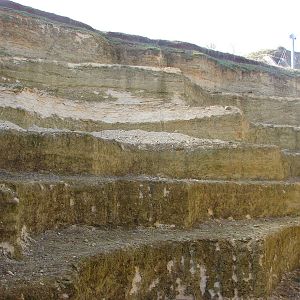
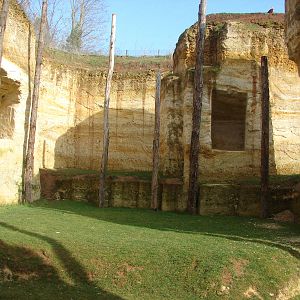
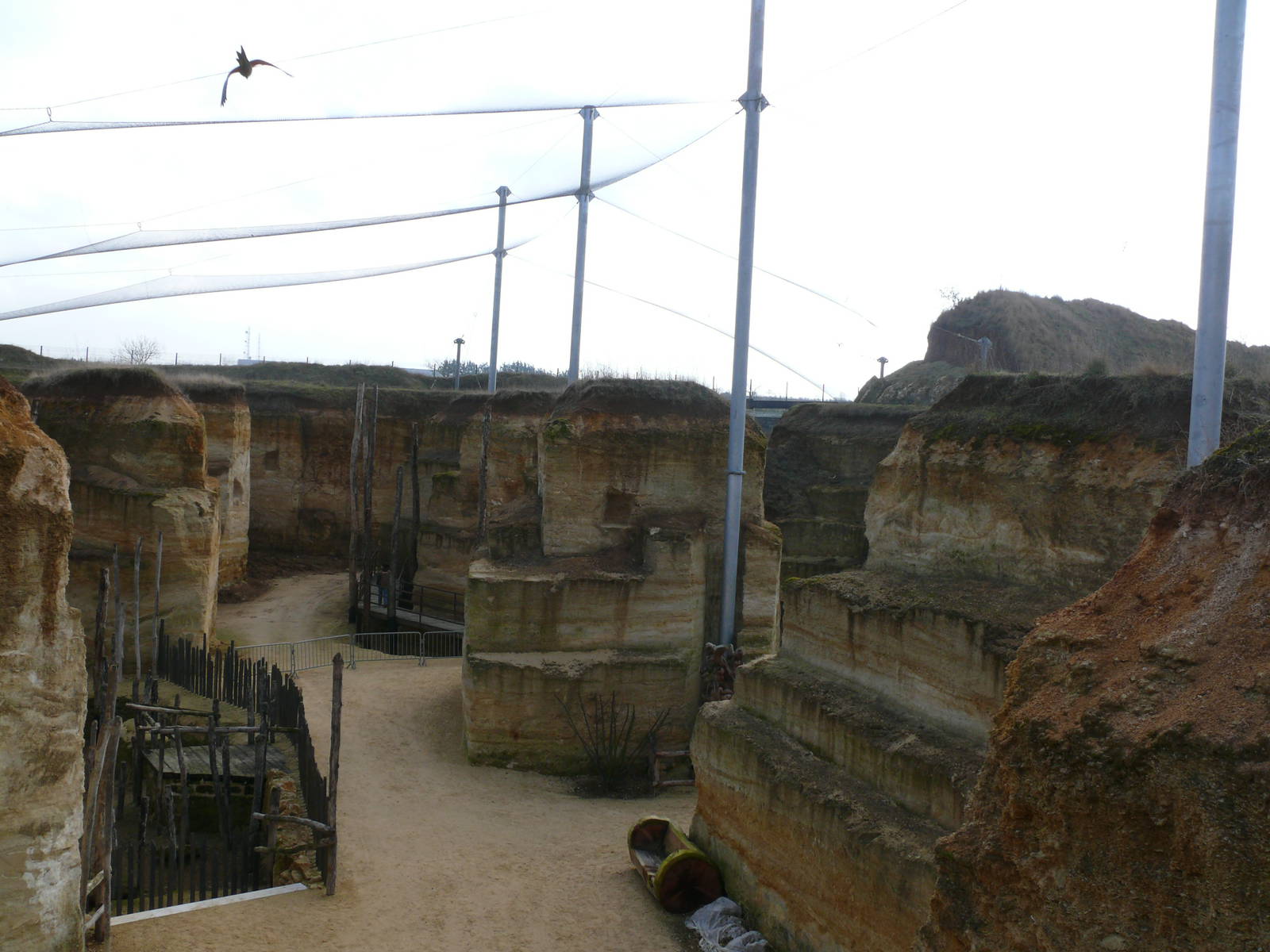
In 2009, the Bioparc de Doué la Fontaine opened one of the biggest south-american aviaries in Europe. Located in the midst of a rock-career, this complex wants to be a reconstitution of the brasilian careers where eat and nest the macaws.
Surface : 10 000 m²
Volume: 110 000 m3
Net : 6 metal studs
Height : 20 m
Cost : 1 000 000 €

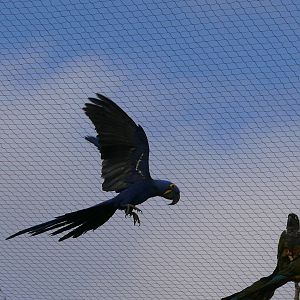
Visitors can enter in this giant walkthrough aviary and walk between the rocks to see flying more than 300 south-american birds.

Species' list :

Andean condor,
Turkey vulture,
Green-winged macaw,
Red-fronted macaw,
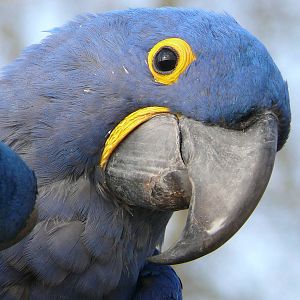
Hyacinth'Macaw,
Military Macaw,
Blue-fronted amazon,
Patagonian conure (Subspecie : C, patagonus bloxami),
Inca tern,
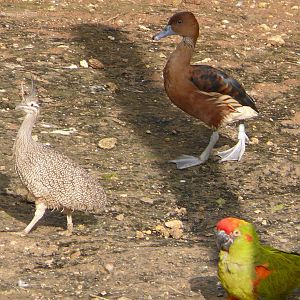
Elegant crested tinamou,
Souther lawping,
Black necked stilt,
Southern screamer,
Black faced ibis,
Scarlet ibis,
Chilian flamingo,
Roseate spoonbill,
Ringed teal,
Chiloe wigeon,
Fulvous duck,

Inside the aviary, a grassy exhibit is the home of giant anteaters.

In 2011, peruvian pelicans will come in the aviary and a waterffall with natural pool will be create to welcome humboldt's penguins.
  • Like
Reactions: cornu aspersum
In 2009, the Bioparc de Doué la Fontaine opened one of the biggest south-american aviaries in Europe. Located in the midst of a rock-career, this complex wants to be a reconstitution of the brasilian careers where eat and nest the macaws.
Surface : 10 000 m²
Volume: 110 000 m3
Net : 6 metal studs
Height : 20 m
Cost : 1 000 000 €

Visitors can enter in this giant walkthrough aviary and walk between the rocks to see flying more than 300 south-american birds.

Species\' list :

Andean condor,
Turkey vulture,
Green-winged macaw,
Red-fronted macaw,
Hyacinth\'Macaw,
Military Macaw,
Blue-fronted amazon,
Patagonian conure (Subspecie : C, patagonus bloxami),
Inca tern,
Elegant crested tinamou,
Souther lawping,
Black necked stilt,
Southern screamer,
Black faced ibis,
Scarlet ibis,
Chilian flamingo,
Roseate spoonbill,
Ringed teal,
Chiloe wigeon,
Fulvous duck,

Inside the aviary, a grassy exhibit is the home of giant anteaters.

In 2011, peruvian pelicans will come in the aviary and a waterffall with natural pool will be create to welcome humboldt\'s penguins.
 
Kind of ugly at first, this is actually a very unique aviary. A nice idea, and a very nice species list. It seems as if European zoos have many more lesser known geographic area based exhibits than in America.
 
Awesome species list (the condors and vultures don't bother the other birds?), nice idea, shocking execution. Yes, it's ugly at first, but it's also ugly when you look again...
 
Awesome species list (the condors and vultures don't bother the other birds?), nice idea, shocking execution. Yes, it's ugly at first, but it's also ugly when you look again...

If only there was a place to plant, well, a plant.....

Truly weird
 
The photo was taken in february 2009, so the aviary was just finished but, like I said it in the description, there are lots of work for 2011-2012 : a big waterfall will be create to welcome humboldt penguins (See: http://www.zoochat.com/1018/future-penguins-exhibit-south-american-giant-203743/), some trees have been put to add some vegetation, the anteaters exhibit (in the aviary) is now very grassy, etc...

You're right, this aviary looks very strange because it's a special realisation, we are not accustomed to see an exhibit like this...But if you look to some photos taken in the wild (http://www.mongabay.com/images/peru/tambopata/Tambopata_1027_4113a.jpg), the rock carreers are ressembling, and this was the goal of the Bioparc de Doué la Fontaine.Of course, in the wild, there is the forest, but it's not easy to put vegetation in an aviary with 300 birds...

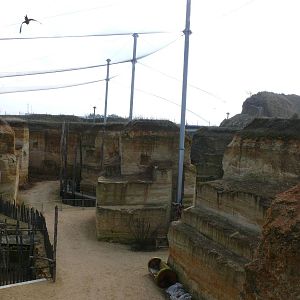
Today, the aviary looks like this (the photos are not the mine) :

doua_413 - Servimg.com - Free image hosting service

doua_418 - Servimg.com - Free image hosting service

doua_416 - Servimg.com - Free image hosting service

doua_414 - Servimg.com - Free image hosting service
 
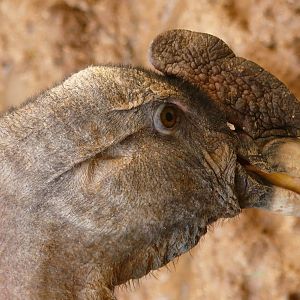
That photo represents an exposed face of a hillside within a forest. The macaws visit this area to eat the kaolin-rich clay, which counters toxins contined in some seeds they ingest. They only visit this specialised habitat, the rest of the time they are in the forest.

For 300 free-flying birds, they don't seem too visible. And they don't appear to have many places to perch.

If the entire exhibit looks like this (and the other pictures suggest it does), then I'd be very disappointed in what I got for a million euros.
 
I think the problem is, that this exhibit is holding bird species from at least 2 different habitats (rainforest and rocky/sandy coast).

I wonder why they not divided this exhibit in two parts or created an additional free-flying-exhibit for the forest dwellers or coast dwellers respectively.
 
Yes, I totally agree with you Zoomaniac...For the turkey vultures or the andean condor for example, the aviary is perfect but it's sure, for macaws or other rainforest species, it's not the best...

But I have to admet than the aviary is very impressive for the visitors and very big for the birds (110 000 m3 of space !)
 
I think this is a fantastic aviary! There is a huge amount of space, lots of different areas, and a great deal of interest. Its size is such that, despite the numbers of birds present, it does not seem in any way crowded. There are a number of perching spaces, as well as some nascent planting. I'd say that, for a million euros, Doue have got more than their money's worth! Comparisons are invidious, but I can't help but compare this with what other zoos have built for many times this sum...
 

Media information

Category
Bioparc Zoo de Doué la Fontaine
Added by
Maxime
Date added
View count
6,451
Comment count
14
Rating
0.00 star(s) 0 ratings

Share this media

Back
Top