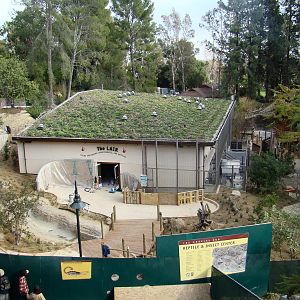
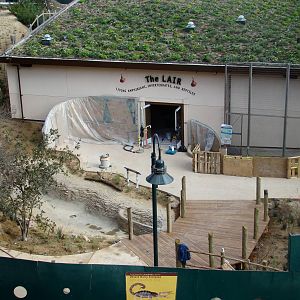
Oh dear - another zoo spending plenty of money on a design that is basically flawed. Whatever about insulation considerations to keep heating costs down in cold climates , in Los Angeles there is absolutely no excuse for not building a light-filled herp & insect house.Why must so many herp buildings imitate bunkers & block out the light? I can not get over this.Yes, of course there are species which are nocturnal & shelter from the sun, but the majority to be found in collections absolutely require light, airy conditions to thrive.Nocturnal species can be given suitable hiding-places.I am not saying all herp buildings need to be designed as if they were greenhouses , but many have no windows at all.Imagine that - not a solitary window in a building full of poikilothermic animals.I find that to be a major subject even the best zoos fail year after year after year.The message is not getting through because the architects keep winning & also zoo administrators who want monumental buildings as a kind of testimonial.
Oh dear - another zoo spending plenty of money on a design that is basically flawed. Whatever about insulation considerations to keep heating costs down in cold climates , in Los Angeles there is absolutely no excuse for not building a light-filled herp & insect house.Why must so many herp buildings imitate bunkers & block out the light? I can not get over this.Yes, of course there are species which are nocturnal & shelter from the sun, but the majority to be found in collections absolutely require light, airy conditions to thrive.Nocturnal species can be given suitable hiding-places.I am not saying all herp buildings need to be designed as if they were greenhouses , but many have no windows at all.Imagine that - not a solitary window in a building full of poikilothermic animals.I find that to be a major subject even the best zoos fail year after year after year.The message is not getting through because the architects keep winning & also zoo administrators who want monumental buildings as a kind of testimonial.
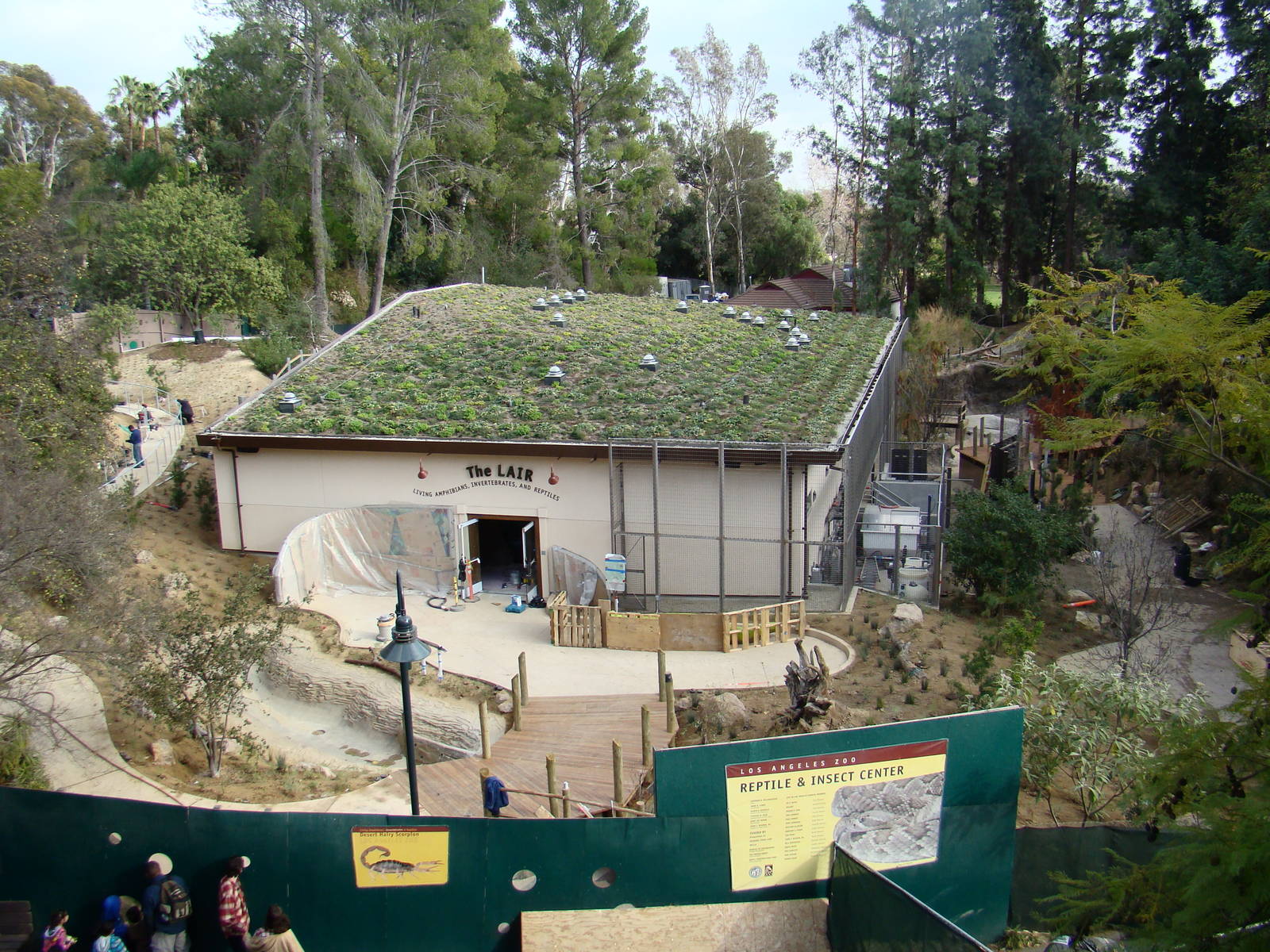
I am guessing that all of those odd projections seen on the green roof are reflective light tubes, which can capture and transmit a startling amount of natural daylight into an enclosed space. Hope so, anyway.....
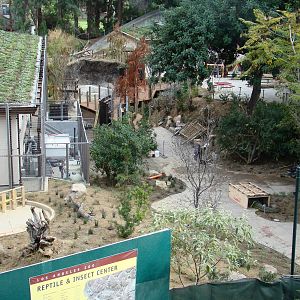
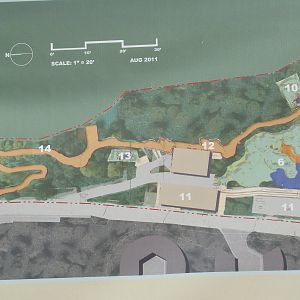
@European Fauna: not to get cranky, but until they actually open the building maybe we should wait before attacking the design and we actually know what it is like inside? The second building in this complex, behind the main building, is much more open. It is going to feature Southwestern creatures.
When the LAIR does open I'm sure that there will be extensive photographic coverage of it here, along with reviews from our LA ZooChat regulars (mstickmanp, Blackduiker, myself). I will really be interested in your opinion of whether it works or not.
Oh dear - another zoo spending plenty of money on a design that is basically flawed. Whatever about insulation considerations to keep heating costs down in cold climates , in Los Angeles there is absolutely no excuse for not building a light-filled herp & insect house.Why must so many herp buildings imitate bunkers & block out the light? I can not get over this.Yes, of course there are species which are nocturnal & shelter from the sun, but the majority to be found in collections absolutely require light, airy conditions to thrive.