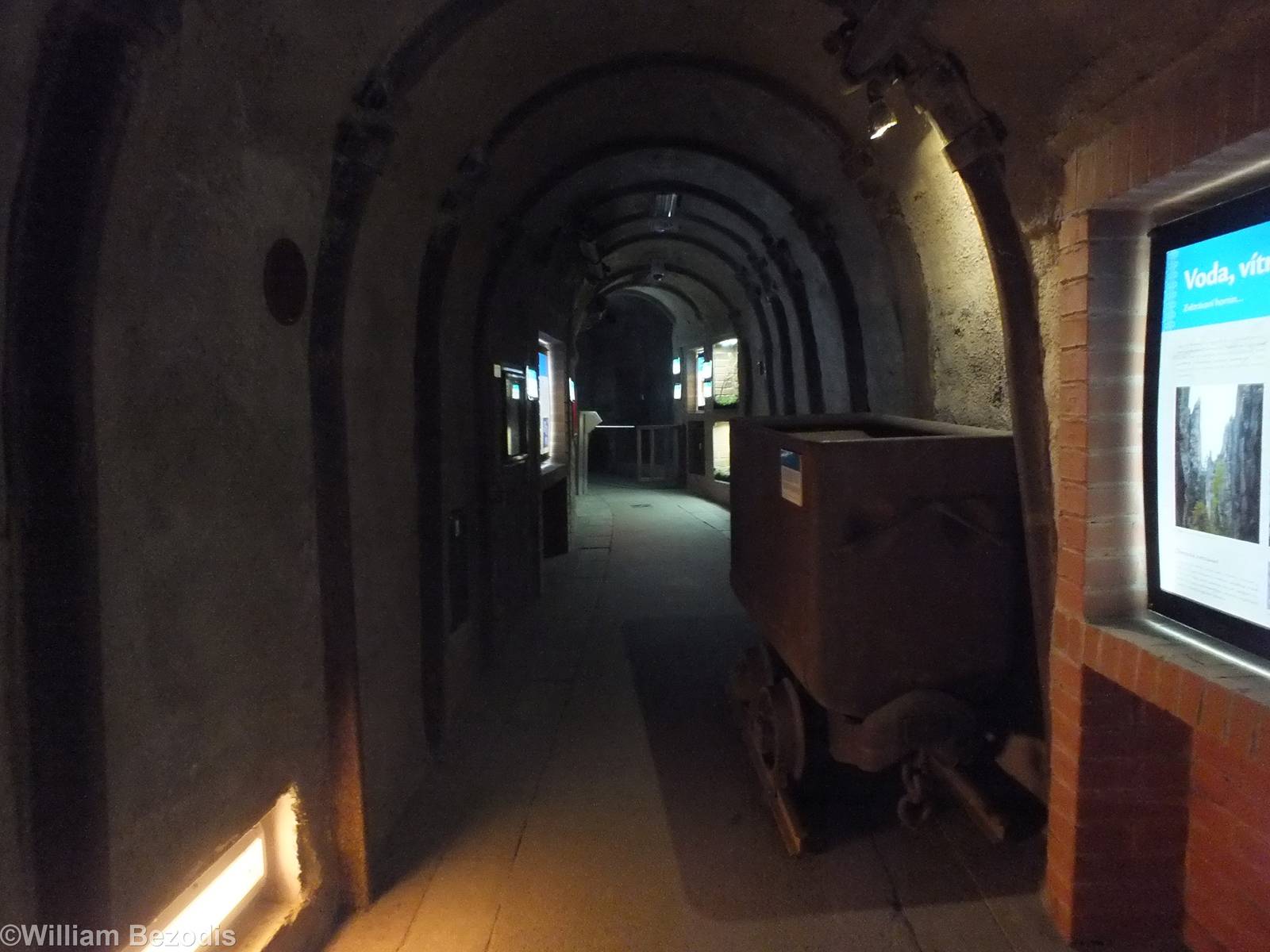
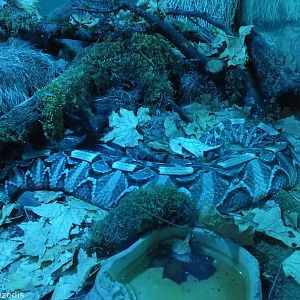
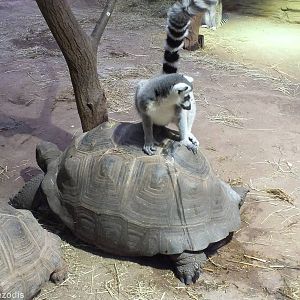
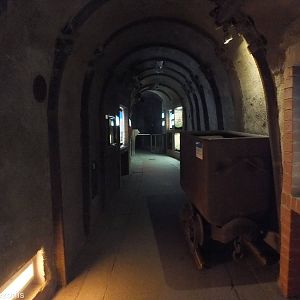
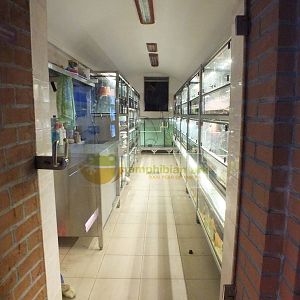
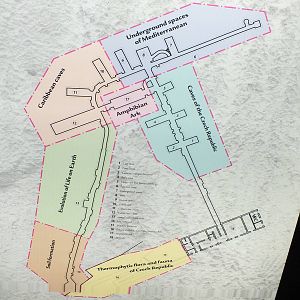
It is located in a building with a museum-type area. The entrance is near to a (model?) tank and is near to the Mediterraneum.
It's marked as number nine with a picture of a bat on this map: http://www.zoochat.com/415/map-zoo-430249/
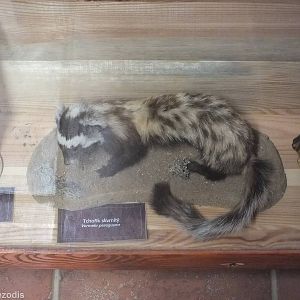
Not just bats, there's a fair range of species.
Here's a species list:
Edible Dormouse
Common Toad
Small House Spider (Tegenaria domestica)
Herald (Scoliopteryx libatrix)
European Green Toad
Cave Cricket (Phaeophilacris bredoides)
Greenhouse Camel Cricket (Diestrammena asynomara)
Garra
Brown Rat
Black Rat
Egyptian Rousette
Cellar Beetle (Blaps mortisaga)
Death Watch (Anobium pertinax)
Blind Cave Tetra
Rio Cauca Caecilian
Bird-eating Spider
Giant Toad
Reticulate Python
Cuban Burrowing Cockroach (Byrsotria fumigata)
American Cockroach (Periplaneta americana)
Cuban Boa
Curacaoan Long-nosed Bat
Seba's Short-tailed Bat
Pallas' Long-tongued Bat
Purple Sea Urchin
Tubeworms
Common Earthworm
Ant (Lasius emarginatus)
Mandarin Salamander
North African Fire Salamander
Oh, I must have missed this too - unless it is new?
It sounds like a very interesting exhibit, is it a re-purposed building (shelter or cellar or somehting?) or purpose built?
It was built as a shelter for general staff of nazi anti-aircraft protection force, with electricity, forced aircirculation, surgery room etc. At the end of WWII, Germans left it without fight. Then it was used to store potatoes and fruit. When zoo bought it, it was used to hibernate tortoises and cactus plants in winter. The current exhibit exists since 2012.
It was built as a shelter for general staff of nazi anti-aircraft protection force, with electricity, forced aircirculation, surgery room etc. At the end of WWII, Germans left it without fight. Then it was used to store potatoes and fruit. When zoo bought it, it was used to hibernate tortoises and cactus plants in winter. The current exhibit exists since 2012.