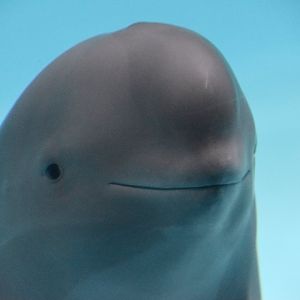
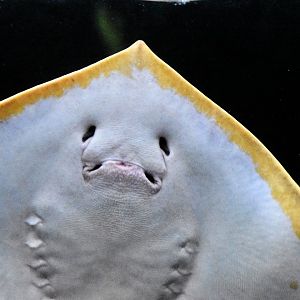
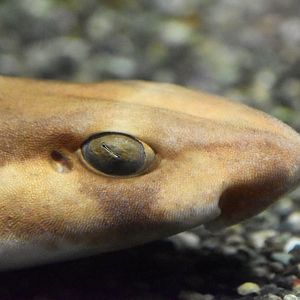
If people were not idiots, we would have at least saved the Yangtze River Dolphin and seen it in more aquariums. Still, hope is not lost for both species(well sort of)
@amur leopard
I apologize for the confusion and misunderstanding.
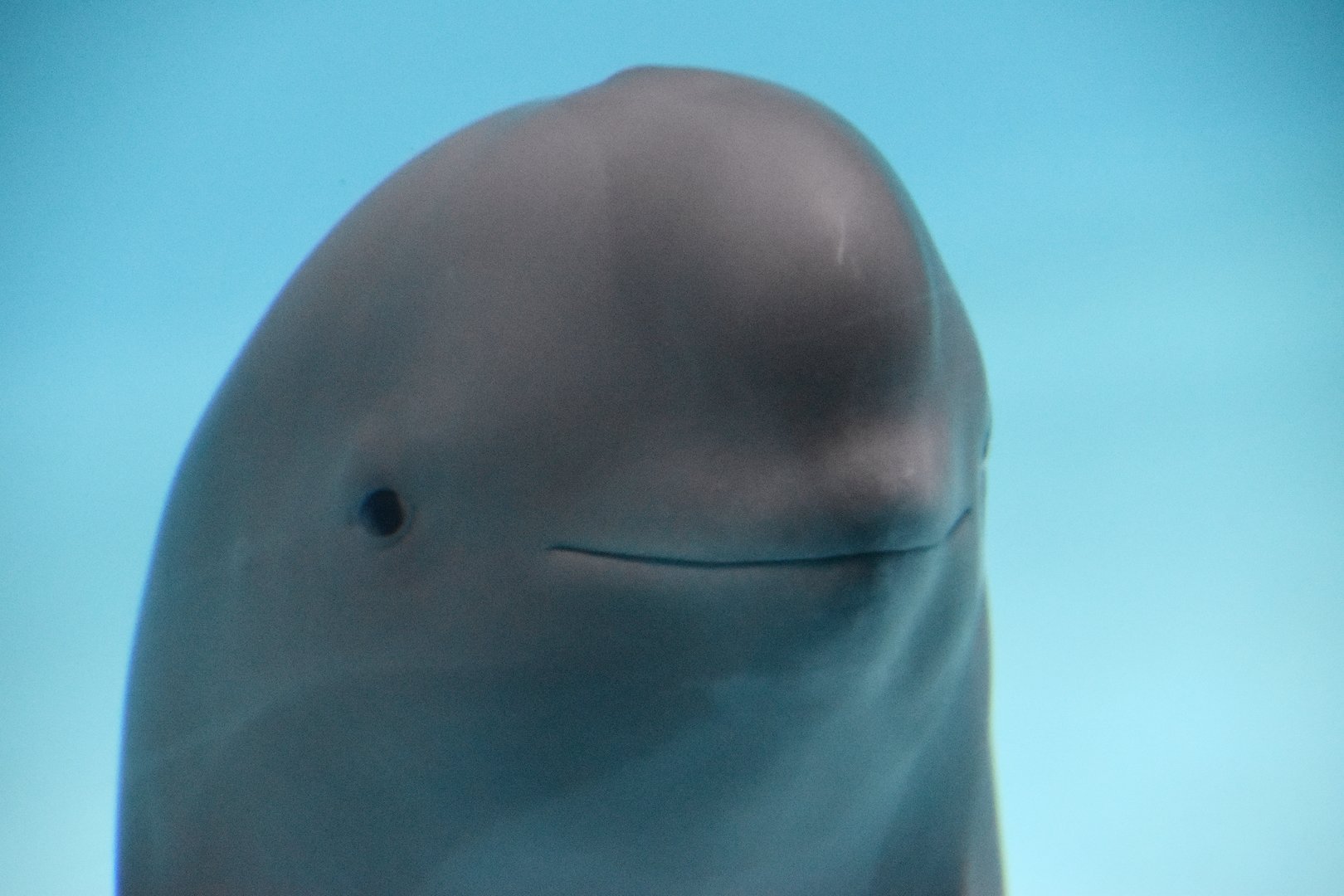
I believe this is Neophocaena asiaeorientalis sunameri (East Asian Finless Porpoise), since the animals here originate from rescued and wild-caught individuals in the seas of Japan.
Neophocaena asiaeorientalis asiaeorientalis (Yangtze Finless Porpoise) only distributes in Yangtze River of China, which makes it difficult for this aquarium to obtain.
There were some documentations which stated the East Asian Finless Porpoise as a distinct species Neophocaena sunameri, which lead to the confusion.
@Toki Thanks a lot for looking into it, no need to apologise, I appreciate it!
Taxonomically you are right, asiaeorientalis was split in 2008 (Wang et al.) and then further corroborated by Jefferson and Wang (2011), making Yangtze and East Asian different species.
I haven't found a source yet that suggests they were wild caught in Japan, but I was under the impression that they were second generation - maybe that is misguided? At least one of the porpoises seems to have come from Toba. If you could link your source that would be great .
On second glance, found a source saying 9 were captured jointly by a few aquariums off Japan in 2004 - I would assume those would be the founding animals? In that case you would be right in saying this is sunameri rather than asiaeorientalis. Thanks for the correction .
@amur leopard
Thanks.
The holding of porpoises in Miyajima dates back to 1980, when catching of this species was still allowed under certain conditions.
It states in this government article that there were porpoises wild caught in 1982 in the seas of Japan, and transferred to MIyajima Aquarium. https://kokushi.fra.go.jp/R04/R04_56_PFI.pdf
This individual deceased in 2017, but bred successfully. The individuals exhibited in the aquarium today include his grandchildren.
The porpoises of Toba are also believed to have origins in Japanese waters, since it states in this article that the holding started with individuals caught by local fishermen in 1960s. They also caughth wild individuals in 2004 under permission. http://www.jia-tokai.org/archive/sibu/architect/2014/05/umi.html