copenhagen
-
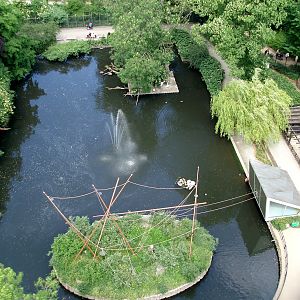
Copenhagen Zoo - From above
A picture taken from the zoo-tower of Copenhagen Zoo. In this picture are the bird lake and gibbon island.- Toddy
- Media item
- arieal bird copenhagen gibbon island lake view
- Comments: 3
- Category: Zoo København
-
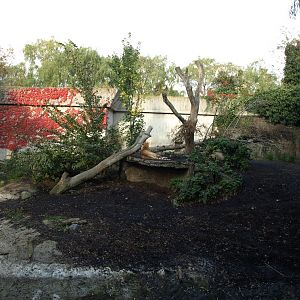
Copenhagen Zoo -
The tiger enclosure for amur tigers at Copenhagen Zoo. October 2008- Toddy
- Media item
- amur copenhagen enclosure tiger
- Comments: 5
- Category: Zoo København
-
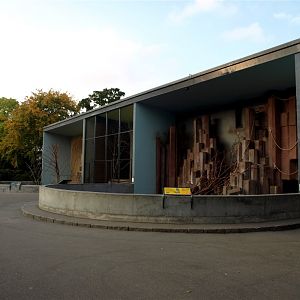
Copenhagen Zoo - World of Primates
"The World of Primates" building with the outdoor enclosures. Here lives from the right to the left hamadryas baboons, ruffed lemurs, white-faced sakis and spider monkeys. October 2008- Toddy
- Media item
- baboon building copenhagen hamadryas lemur monkey of primates ruffed saki spider white-faced world
- Comments: 5
- Category: Zoo København
-
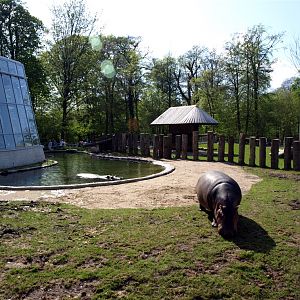
Copenhagen Zoo - Hippo outdoor enclosure
The outdoor enclosure for common hippopotamus. Behind the wooden poles are the savannah and the smaller antelopes have access to the waterhole. May 2008- Toddy
- Media item
- common copenhagen hippo hippopotamus house savannah
- Comments: 2
- Category: Zoo København
-
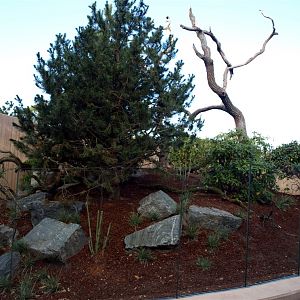
Copenhagen Zoo - Red pandas
The new red panda enclosure at Copenhagen Zoo, opened october 2008. October 2008- Toddy
- Media item
- copenhagen panda red
- Comments: 5
- Category: Zoo København
-
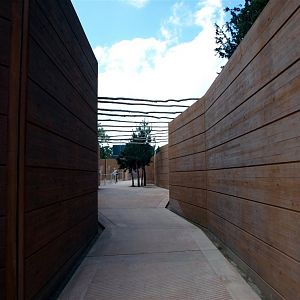
Copenhagen Zoo - Elephant House
The visitor pathway along the males' outdoor enclosure- Toddy
- Media item
- copenhagen elephant enclosure house male outdoor pathway visitor
- Comments: 3
- Category: Zoo København
-
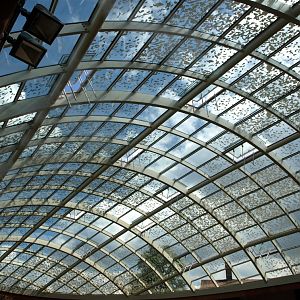
Copenhagen Zoo - Elephant House
The biggest of the glass domes, situated above the females' indoor enclosure June 2008- Toddy
- Media item
- copenhagen dome elephant glass house roof
- Comments: 3
- Category: Zoo København
-
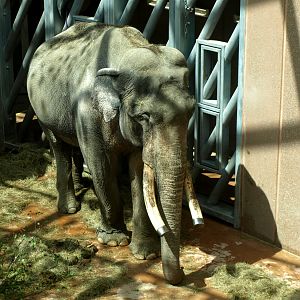
Copenhagen Zoo - Elephant House
The breeding bull of Copenhagen Zoo, Chieng Mai, in his indoor enclosure. June 2008- Toddy
- Media item
- asian breeding bull chieng copenhagen elephant house indoor mai
- Comments: 3
- Category: Zoo København
-
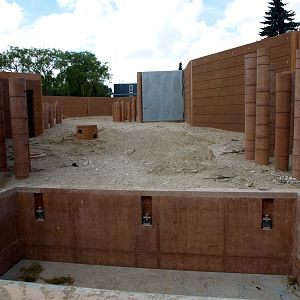
Copenhagen Zoo - Elephant House
The outdoor enclosure for male elephants. The trench at the bottom of the picture can be raised and so connect the female and male enclosures. June 2008- Toddy
- Media item
- asian copenhagen elephant enclosure house male outdoor
- Comments: 2
- Category: Zoo København
-
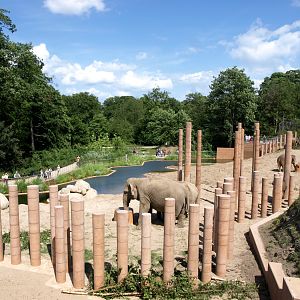
Copenhagen Zoo - Elephant House
The outdoor enclosure for female elephants in Copenhagen Zoo seen from the lookout terrasse of the house June 2008- Toddy
- Media item
- asian copenhagen elephant enclosure house outdoor
- Comments: 4
- Category: Zoo København
-
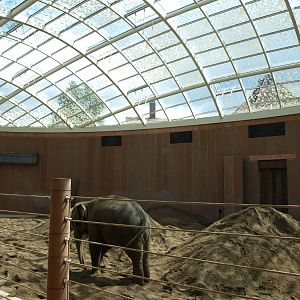
Copenhagen Zoo - Elephant House
The indoor enclosure for female elephants at Copenhagen Zoo. Here is the young male Tonsak using the large indoor enclosure while the females are outdoors. June 2008- Toddy
- Media item
- copenhagen dome elephant enclosure female floor glass house indoor sand
- Comments: 16
- Category: Zoo København
-
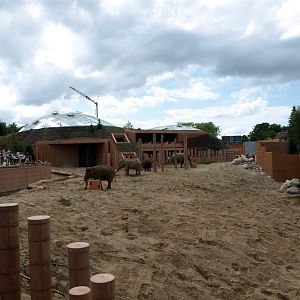
Copenhagen Zoo - Elephant House
The outdoor enclosure for female elephants at Copenhagen Zoo June 2008- Toddy
- Media item
- asian copenhagen elephant enclosure house outdoor
- Comments: 3
- Category: Zoo København
-
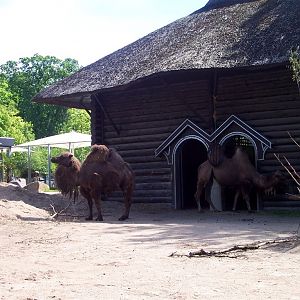
Copenhagen Zoo - Camels
The bactrian camel house in Copenhagen Zoo. This is the oldes animal house left in the zoo. July 2006- Toddy
- Media item
- bactrian camel copenhagen two-humped
- Comments: 2
- Category: Zoo København
-
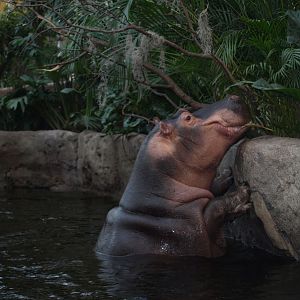
Copenhagen Zoo - Hippopotamus
A female hippopotamus eating the vegetation in the Hippo House. The zoo has since them put electrical fence around it to prevent her from eating all the tropical plants. November 2007- Toddy
- Media item
- common copenhagen hippo hippopotamus house savannah tropical
- Comments: 3
- Category: Zoo København
-
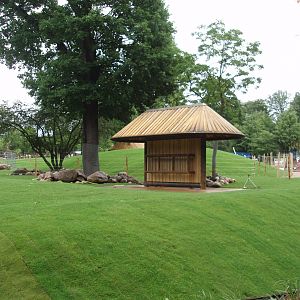
Copenhagen Zoo - New savannah
The new savannah in Copenhagen Zoo, right before it opened in June 2007. That's also why the grass still is so green, since both rhinos and zebras will live here. Behind the wooden wall to the left, the new hippo house was being constructed at the time. The species living here are zebras...- Toddy
- Media item
- 2007 blesbok blue copenhagen giraffe hippopotamus impala new ostrich rhino savannah white wildebeest zebra
- Comments: 2
- Category: Zoo København
-
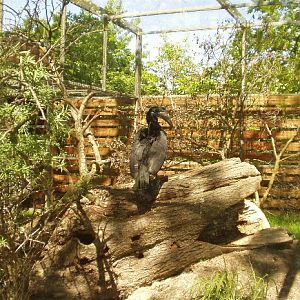
Copenhagen Zoo - Abyssinian ground hornbill
An abyssinian ground hornbill in the African Aviaries in Copenhagen Zoo. The African Aviaries opened in 2004, and are some of the best of the smaller enclosures in the zoo. I think the one on the photo is a female (Copenhagen holds 1.1). Taken in Copenhagen Zoo, 2006.- Toddy
- Media item
- 2004 2006 abyssinian african aviaries copenhagen ground hornbill
- Comments: 3
- Category: Zoo København
-
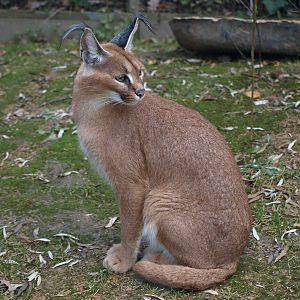
Copenhagen Zoo - Caracal
The caracal female in the African Aviaries in Copenhagen Zoo. The aviaries opened in 2004, and are some of the best of the smaller enclosures in the zoo. Taken in Copenhagen Zoo, 2007.- Toddy
- Media item
- 2004 2007 african aviaries caracal copenhagen enclosures female smaller
- Comments: 3
- Category: Zoo København
-
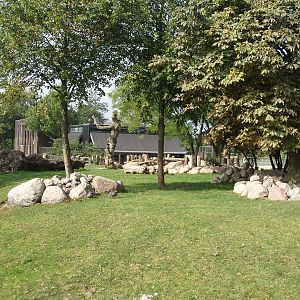
Copenhagen Zoo - Rhino enclosure
The newly renovated enclosure for white rhinoes in Copenhagen Zoo. This picture was taken right before it opened. In early 2008, this enclosure will be connected to the new savannah, and the rhinoes will get more space. In the background, you can see the black rhino stable and the tall giraffe...- Toddy
- Media item
- 2006 2008 connected copenhagen enclosure giraffe house new rhinoceros savannah stable white
- Comments: 3
- Category: Zoo København
-
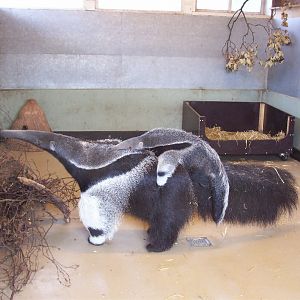
Copenhagen Zoo - Giant anteater with young
A giant anteater with young in the stable in Copenhagen Zoo. Their exhibit actually has a funny story to it. The anteaters used to live there in the late 80'es/early 90'es, and had three babies ( a huge rarity at the time). Then they moved to the new pampas enclosure. The breeding stopped and...- Toddy
- Media item
- 2002 2006 anteater breeding copenhagen giant necked red wallabies young
- Comments: 4
- Category: Zoo København
-
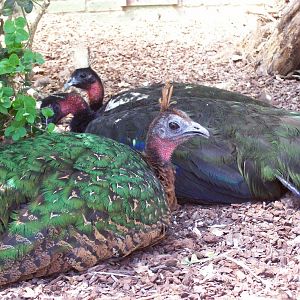
Copenhagen Zoo - Congo peacocks
Three of Copenhagen Zoo's congo peacocks in the Pheasantry. Copenhagen is the zoo in the world with the second-largest breeding group of these rare birds. Only Antwerpen Zoo holds more congo peacocks, and they run the EEP programme as well. This picture was taken in the Pheasantry were about...- Toddy
- Media item
- african antwerpen aviaries congo copenhagen eep peacok peafowl pheasantry programme rare
- Comments: 1
- Category: Zoo København