ocean life
-
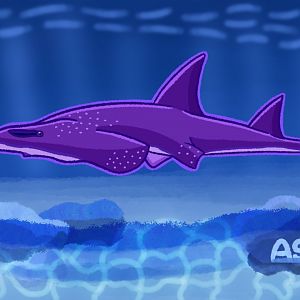
Giant Guitarfish (2025 Redraw)
What you are looking at is one of the rarest guitarfishes, a family of rays that are known for their flattened heads and are normally shy from humans, but sadly are critically endangered thanks to overfishing. (Originally drawn in January 2021, redrawn for May 2025)- Matt G
- Media item
- art artist digital art digital artist marine life ocean life ocean life art sea life
- Comments: 3
- Category: Animal Art & Creative Photography
-

Roughtail Stingray (Remastered 2024)
The largest stingray of the Atlantic, these trapezoid shaped stingrays are known for their thorns on their back and tail, as well as their large size, often found in the coastal waters in the western Atlantic Ocean in the summer months. (Art originally made in late 2020, remastered in May 2024)- Matt G
- Media item
- art digital art digital artist ocean life sea life stingray
- Comments: 0
- Category: Animal Art & Creative Photography
-

Southern Stingray (Remastered 2024)
(Originally made back in late 2020, remastered in May 2024) One of the most common and popular stingrays for popular aquariums, these stingrays are plentiful across the sandy seafloor, to which they make up for their diamond shaped disc bodies, helping them glide across the tropical waters.- Matt G
- Media item
- art digital art digital artist ocean life sea life stingrays
- Comments: 0
- Category: Animal Art & Creative Photography
-

Cownose Ray (Remastered 2024)
(Originally drawn in late 2020, redrawn in May 2024) Of the many oceangoing rays of the seas, cownose rays are by far the most common, as they are found in the shallow coastal waters and have a distinctive cow like appearance on their forehead, hence their name.- Matt G
- Media item
- art digital art digital artist ocean life sea life stingrays
- Comments: 0
- Category: Animal Art & Creative Photography
-
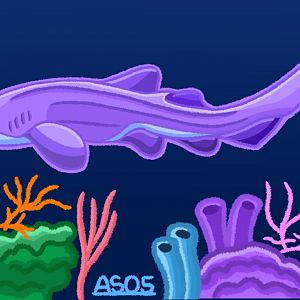
Zebra Shark (Remastered 2024)
A carpet shark found in the Indo-Pacific coral reefs, these sharks are popular with ecotourism and are also popular for public aquariums, as in the case that most adult zebra sharks have lots of spots but in some occasions are albino with little to no spots.- Matt G
- Media item
- art digital art digital artist ocean life sea life sharks
- Comments: 0
- Category: Animal Art & Creative Photography
-
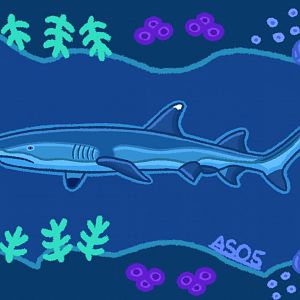
Whitetip Reef Shark (Remastered 2024)
(Originally made in late 2020, remastered in March 2024) One of the most common sharks found in the Indo-Pacific, these sharks rest together in caves, only to come out at night to hunt in large groups, when many fish are asleep and they scan the coral reef to find them for food.- Matt G
- Media item
- art digital art digital artist ocean life sea life sharks
- Comments: 0
- Category: Animal Art & Creative Photography
-
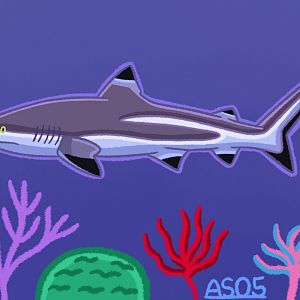
Blacktip Reef Shark (Remastered 2024)
(Originally made in late 2020, remastered in March 2024) One of the most abundant tropical reef sharks, the blacktip reef shark is found in coral reefs to lagoon, and is a popular shark species in public aquariums.- Matt G
- Media item
- art digital art digital artist ocean life sea life sharks
- Comments: 0
- Category: Animal Art & Creative Photography
-
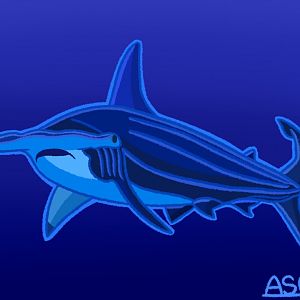
Scalloped Hammerhead (Remastered 2024)
(Originally drawn in late 2020, remastered June 2024) Recognizable by their unusual but famous hammer-shaped heads, these hammerheads usually gather in large shivers across seamounts, where females gather for mating purposes and dominance.- Matt G
- Media item
- art digital art digital artist ocean life sea life sharks
- Comments: 0
- Category: Animal Art & Creative Photography
-
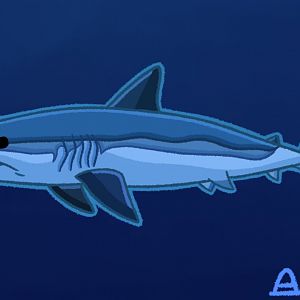
Shortfin Mako Shark (Remastered 2024)
(Originally drawn in late 2020, remastered March 2024) One of the fastest living sharks to which they can burst speeds up to 74 km/h and are found in offshore temperate and tropical seas.- Matt G
- Media item
- art digital art digital artist ocean life sea life sharks
- Comments: 0
- Category: Animal Art & Creative Photography
-
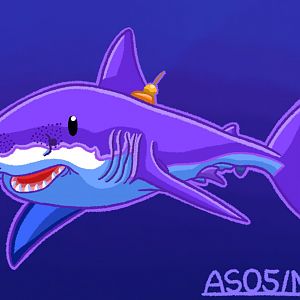
Great White Shark (Remastered 2024)
(Originally created in late 2020, remastered in April 2024) The largest predatory fish on the planet, and arguably my favorite species of shark that I loved ever since I saw them as a kid.- Matt G
- Media item
- art digital aritst digital art ocean life sea life sharks
- Comments: 0
- Category: Animal Art & Creative Photography
-
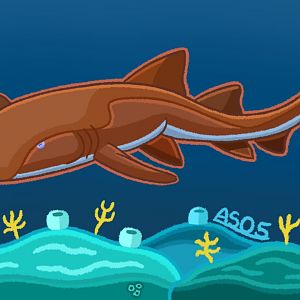
Nurse Shark (Remastered 2024)
(Originally made in late 2020, remastered in August 2024) A slow-moving bottom dwelling docile shark, these sharks are also popular in public aquariums, usually inhabiting reefs and resting on the sandy bottoms during the day.- Matt G
- Media item
- art digital art digital artist ocean life sea life sharks
- Comments: 0
- Category: Animal Art & Creative Photography
-
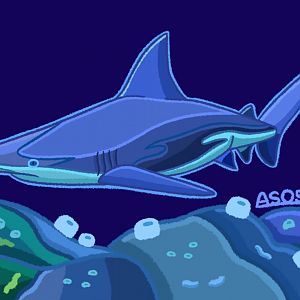
Sandbar Shark (Remastered 2024)
(Originally made in late 2020, remastered in August 2024) Another common species of shark kept in public aquariums, named for the sandy flats and estuaries from where they are found.- Matt G
- Media item
- art digital art digital artist ocean life sea life sharks
- Comments: 0
- Category: Animal Art & Creative Photography
-
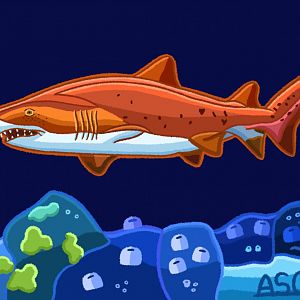
Sand Tiger Shark (Remastered 2024)
(Originally made back in late 2020, remastered in August 2024) One of the most widely kept shark species in public aquariums, for their fearsome appearance and bulky body, but are docile in terms of looks, and are the only sharks to gulp air from the surface.- Matt G
- Media item
- art artist digital art digital artist ocean life sea life sharks
- Comments: 0
- Category: Animal Art & Creative Photography
-
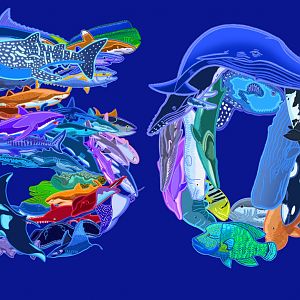
50 Sea Creatures
A milestone art I wanted to make for myself since I’ve now drawn nearly over 50 ocean animals for over a year, in which I’ve been very proud for how far I came ever since I revisited drawing ocean life on Procreate.- Matt G
- Media item
- digital art ocean life procreate sea life
- Comments: 1
- Category: Animal Art & Creative Photography