south american wildlife
-
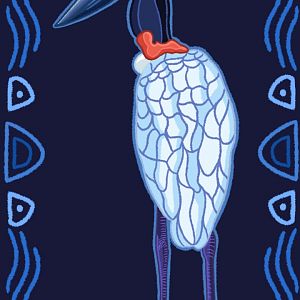
Jabiru Stork
The largest flying stork in the Americas, especially found in Brazil’s Pantanal, these birds build large nests from large branches, and their name means “swollen neck” in the Tupi-Guarani language. (Art made back in mid October)- Matt G
- Media item
- animal art art jabiru south american animals south american wildlife stork wildlife art wildlife artist
- Comments: 0
- Category: Animal Art & Creative Photography
-
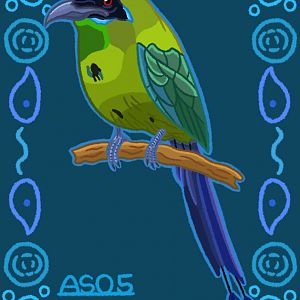
Amazonian Motmot
A medium-sized motmot bird found in the humid rainforests of the Amazon and the forest edges of the Andes, best known for their blue crown colors, green with orange underparts, and black mask. (Art made back in mid October)- Matt G
- Media item
- animal art art bird bird art motmot south american animals south american wildlife wildlife art wildlife artist
- Comments: 0
- Category: Animal Art & Creative Photography
-
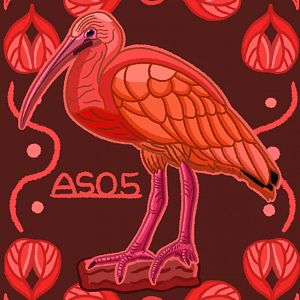
Scarlet Ibis
One of the most colorful of all ibises thanks to their remarkable scarlet red colors, and are the national birds of Trinidad and Tobago, and can be found from tropical South America to the Caribbean. (Art made back in early October)- Matt G
- Media item
- animal art animal artist art bird bird art ibis scarlet ibis south american wildlife wildlife art wildlife artist
- Comments: 0
- Category: Animal Art & Creative Photography
-

Monk Parakeet
The only parrot to build nests out of sticks, these parrots are mainly found in Argentina of the semi arid savannas and woodlands, but have also been known to live in feral populations in the United States and various regions of Europe.- Matt G
- Media item
- animal art animal artist art bird bird art parakeet south american wildlife
- Comments: 0
- Category: Animal Art & Creative Photography
-
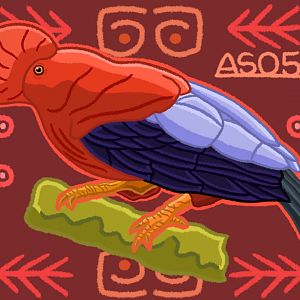
Andean Cock-Of-The-Rock
One of South America’s beautiful and most striking birds as they’re the national bird of Peru. They get their name from the cloud rainforests found across Venezuela to Bolivia, as males have a recognizable disk like crest and a scarlet to orange color scheme for their plumage.- Matt G
- Media item
- andean cock-of-the-rock animal art animal artist art bird bird art south america south american wildlife
- Comments: 0
- Category: Animal Art & Creative Photography
-
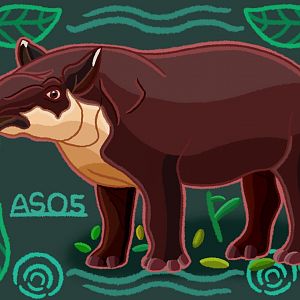
Baird’s Tapir
One of the largest of the tapir species, found in Central and South America to which are found in tropical rainforests to mangrove forests, where they reside in water where they love to cool off since they’re semi-aquatic.- Matt G
- Media item
- animal art animal artist art south american wildlife tapir
- Comments: 0
- Category: Animal Art & Creative Photography
-
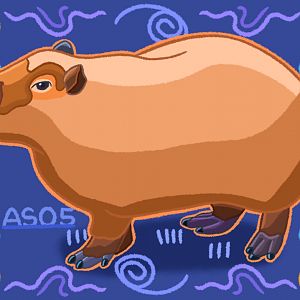
Capybara
The world’s friendliest mammals and also the world’s largest rodent, as they’re found across South America and show no fear in coexisting with other animals in the rainforests and savannas, commonly living near bodies of water.- Matt G
- Media item
- animal art animal artist art south american wildlife
- Comments: 0
- Category: Animal Art & Creative Photography
-

Giant Anteater
The largest and terrestrial of all the anteater species, to which they live in the grasslands and tropical rainforests of South America, and are recognized for their long snout, bushy tail, large sharp fore claws, and distinctive fur to stand out.- Matt G
- Media item
- animal art animal artist anteater giant anteater south american wildlife wildlife art
- Comments: 0
- Category: Animal Art & Creative Photography
-
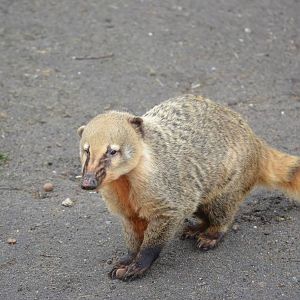
South American Coati
- Kibathewolf
- Media item
- coati exotic mammals nasua nasua nature photography nikkor 55-300mm nikon d5100 orøstrand south american wildlife wildlife photography
- Comments: 0
- Category: Orøstrand