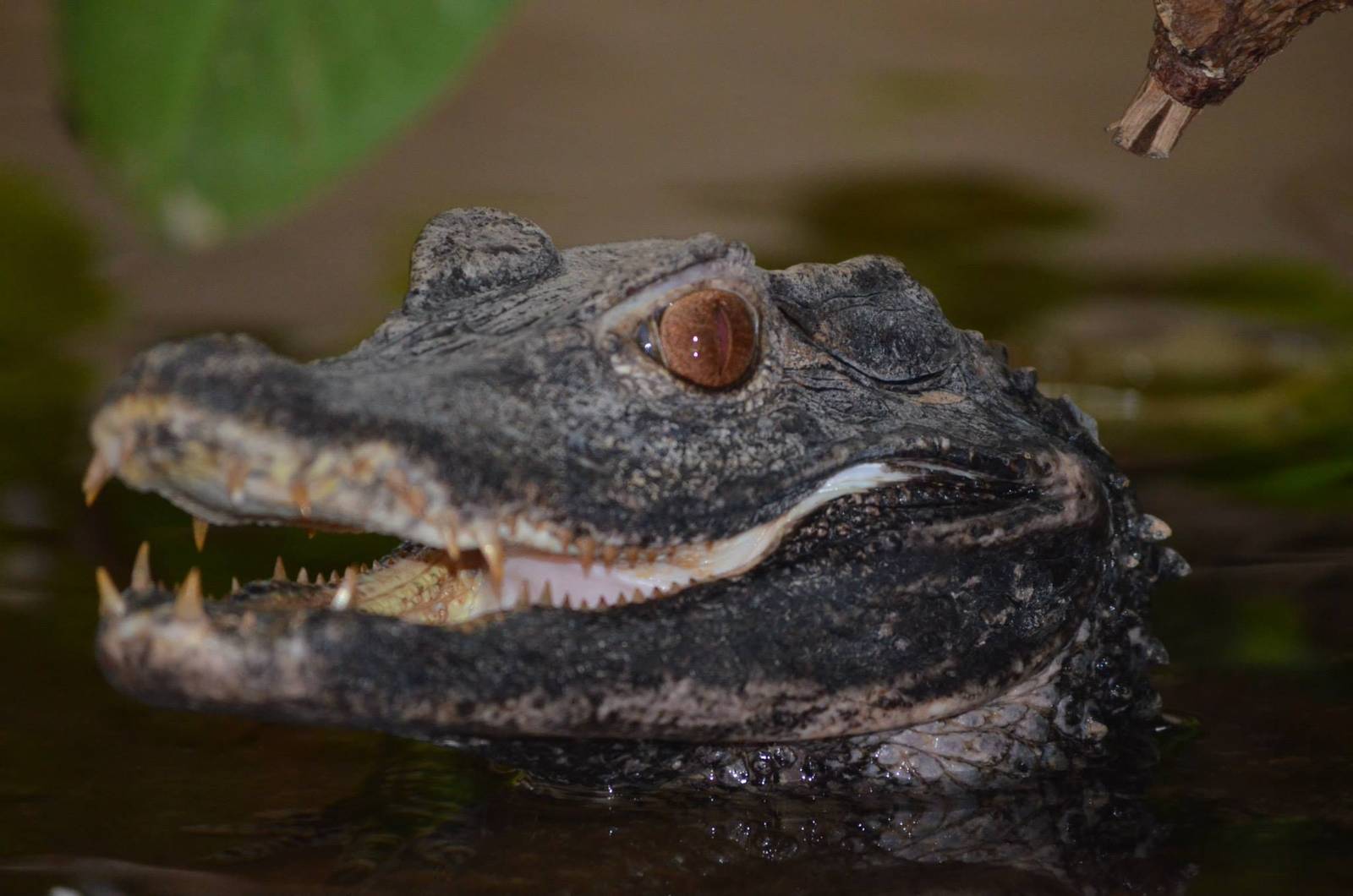
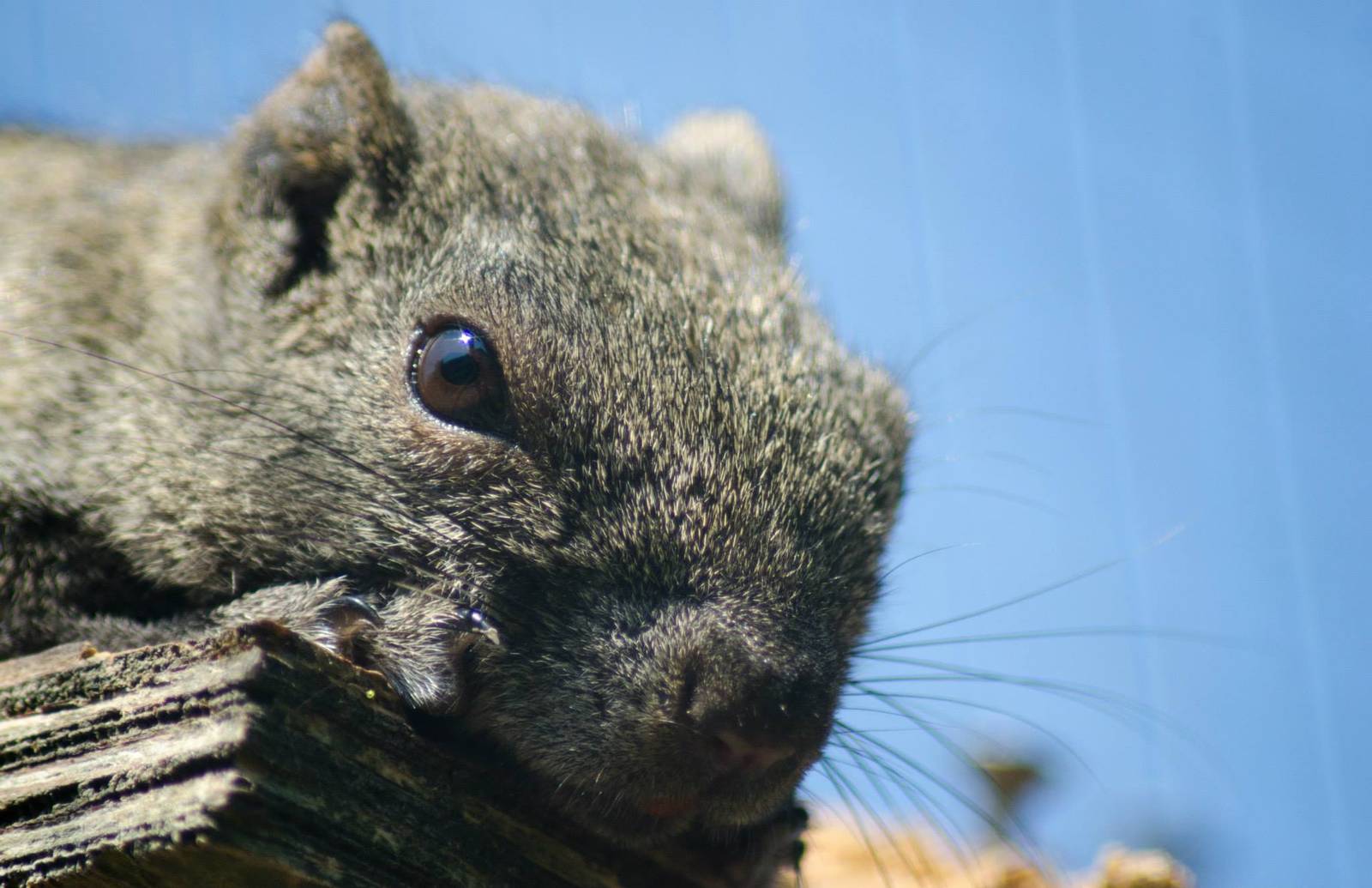
The Nikon D600 is also a great camera for its price. It's a more professional-level camera from 2012, so it has a great body and ergonomics, a full-frame sensor, 24MP (which will be useful for cropping), and decent autofocus. The image quality is excellent, and it handles higher ISOs quite well. It does 5fps at full resolution if you decide you want to use bursts for shooting action. The battery can last for days, but if you decide to shoot video (it does 1080 HD, which should be ok, but I wouldn't use it often) it will last hours. It has the same specs as basically every entry-level DSLR camera these days, except it costs much less and has pro-level ergonomics.
The AF-P NIKKOR 70-300mm f/4.5-5.6E ED VR works perfectly fine with the D600. It has 4.5 stops of image stabilization, which basically means that the lens reduces the vibration of the image. That should allow you to get sharper pictures, and use slower shutter speeds to get cleaner images. It's a sharp lens with good bokeh, quick/silent autofocus, and superb sharpness. It's very small and light (670g), but it still offers a reach of 300mm, which should be more than enough for shooting smaller animals in zoos (it also has a minimum focus distance of 1.2m, which could prove useful in case the animals are incredibly close-up), and you can zoom out to 70mm, which can offer you more control over the composition and allow you to shoot larger animals. A link to a review:
Nikon 70-300mm VR FX AF-P Review
The D600 can be bought for $300 used, and the Nikkor 70-300mm for $600 new. On Amazon, it sells for $900 or so, but I found that Adorama sells them for $600 (I generally don't recommend buying lenses/cameras on Amazon).
Buying an interchangeable lens camera is, in my opinion, the better option. They (generally) offer the best image quality, and if you want to, you can later invest in newer, better lenses that offer even more reach and image quality, or a camera that allows you to shoot high-quality videos of animals. Keep in mind, that you'll need to buy other less obvious things, too: SD cards, card readers, SSD drives to store all your images, batteries for your camera, and cleaning equipment (to keep your gear clean). A good tip on reducing the cost in that area is: until you're really into it, just shoot in JPEG. That way, you won't need any image editing software, and you'll use up less storage space (which means you won't need pro-level SD cards or expensive external drives). These kinds of equipment you can buy on Amazon for cheap (a 32GB SD card ought to be enough for zoo photography).