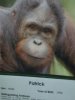
ABC's Foreign Correspondent aired an item back in 2006 about Orangutans in Borneo.
Foreign Correspondent - 12/09/2006: Borneo - Orang-utans
(includes full transcript and video)
Foreign Correspondent - 12/09/2006: Borneo - Orang-utans
(includes full transcript and video)
Synopsis
Deep in the jungle of Borneo is not the place one would expect to find a child care centre – but that’s just what Eric Campbell discovered . The sounds of laughter and the tantrums are familiar – but the babies being cared for are hairier than usual – not surprising given they are baby orang-utans.
Most are orphans, their mothers killed by local farmers, but they are also the lucky ones - rescued by Lone Droescher-Neilsen - a former flight attendant from Denmark who fell in love with these vulnerable forest dwellers 13 years ago.
She has her work cut out for her – as more and more of the jungle is being bulldozed to plant palm oil plantations. It’s a cheap, easy, quick and profitable crop. One that can be used for everything from cooking to running a truck. But for the jungle inhabitants it’s a disaster. Not only are they killed as pests, but with an estimated 5million hectares of habitat already destroyed there are very real fears for the orang-utan’s future environmental viability.
Lone’s group, the Borneo Orangutan Survival Foundation wants to do more than rescue the orang-utans, they are working to return orphan apes back into the wild. Many scientists are sceptical about the project, but Lone shows Eric the signs for success are good - so long as some stands of jungle survive the bulldozers.