HB's Speculative Ecoregion Zoo

As I promised, here is the description of the Patagonian steppe part of my zoo.
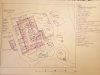
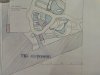
First of all, here is the map of the area.
upload_2022-1-24_17-56-23.jpeg

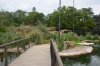
The first exhibit that can be seen from the direction of the main gate is the Patagonian aviary (size: 3000 m2). It is a walkthrough aviary with creeks, ponds and a few trees. This enclosure hosts several species of waterfowl:
23.16 Chilean flamingos (Phoenicopterus chilensis)
3.4 Cinnamon teal (Spatula cyanoptera)
1.1 Black-necked swan (Cygnus melanocoryphus)
1.0 Coscoroba swan (Coscoroba coscoroba)
1.5 Upland geese (Chloephaga picta)
8.5 Chilean wigeon (Mareca sibilatrix)
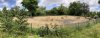
Inspiration: Aviary of Penguins and other South American waterfowl in Krefeld Zoo (photo credits: @Maguari )
upload_2022-1-24_18-2-32.jpeg

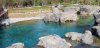
Next to it there is a round, circa 1500 m2-sized exhibit which imitates a coast with sandy parts and some bigger rocks. Its inhabitants are
1.3 South American fur seals (Arctocephalus australis)
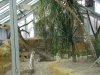
Inspiration: Sealion exhibit in Pairi Daiza (photo credits: @Dianamonkey)
upload_2022-1-24_18-19-8.jpeg

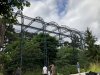
After a few steps you can see a 300m2 sized aviary with pines and rocks in it.
1.0 Andean condor (Vultur gryphus) lives here.
Inspiration: Vulture aviary in Paris Zoological Park (photo credits: @amur leopard)
upload_2022-1-24_18-28-36.jpeg
Next part of the complex will be described tomorrow.
 

Attachments

  • upload_2022-1-24_17-56-23.jpeg
    upload_2022-1-24_17-56-23.jpeg
    162.3 KB · Views: 49
  • upload_2022-1-24_18-2-32.jpeg
    upload_2022-1-24_18-2-32.jpeg
    181.1 KB · Views: 46
  • upload_2022-1-24_18-19-8.jpeg
    upload_2022-1-24_18-19-8.jpeg
    160.8 KB · Views: 50
  • upload_2022-1-24_18-28-36.jpeg
    upload_2022-1-24_18-28-36.jpeg
    206.5 KB · Views: 47
Let's contain our walk in this speculative zoo!
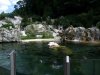
Next exhibit (500 m2) with cliffs, shores and an 500 cubic metres sized pool hosts
13.15.2 Magellanic penguins (Spheniscus magellanicus)
and
2.1 pinioned Fuegian steamer ducks (Tachyeres pteneres).
Inspiration: Penguin exhibit in Schonbrunn Zoo (photo credits: Maguari)
upload_2022-1-25_16-42-55.jpeg
After taking a few steps a huge plains paddock (circa 5000 m2) can be seen. Species in the enclosure are
9.6 Patagonian cavies (Dolichotis patagonicus)
2.5 Guanacos (Lama guanicoe)
and
1.3 Darwin's rheas (Rhea pennata).
Inspiration: Chaco exhibit in Paris Zoological Park (photo credits: amur leopard)
upload_2022-1-25_16-48-53.jpeg
Inhabitants of the next aviaries (2x 120 m2) are among the most precious and rare taxa in the whole zoo. They are also a key species because they're really endangered. These birds are a great example for the damage caused by invasive animals and excessive grazing.
The aforementioned animals are
1.1 Hooded grebes (Podiceps gallardoi)
Inspiration: Small bird house in Zoo Antwerp (photo credits:Toddy)
full

Next to the grazing animals a quite unique mix of two species is kept in a 250 m2 sized aviary:
2.3 Plains viscacias (Lagostomus maximus, NOT Lagidium viscacia, sorry for my mistake on the map)
and
7.2 Burrowing parrots (Cyanoliseus patagonicus
Inspiration: Viscacha exhibit in Zoo Zurich (photo credits: Maguari)
full


1.0 Burrowing owl (Athene cunicularia)
lives in a small temporary aviary, which is the last exhibit of this zone.
Next part is Japurá-Solimoes-Negro moist forests.
 

Attachments

  • upload_2022-1-25_16-42-55.jpeg
    upload_2022-1-25_16-42-55.jpeg
    170.8 KB · Views: 48
  • upload_2022-1-25_16-48-53.jpeg
    upload_2022-1-25_16-48-53.jpeg
    144.2 KB · Views: 48
  • upload_2022-1-25_16-52-12.jpeg
    upload_2022-1-25_16-52-12.jpeg
    191.3 KB · Views: 2
Let's contain our walk in this speculative zoo!
Next exhibit (500 m2) with cliffs, shores and an 500 cubic metres sized pool hosts
13.15.2 Magellanic penguins (Spheniscus magellanicus)
and
2.1 pinioned Fuegian steamer ducks (Tachyeres pteneres).
Inspiration: Penguin exhibit in Schonbrunn Zoo (photo credits: Maguari)
View attachment 529169
After taking a few steps a huge plains paddock (circa 5000 m2) can be seen. Species in the enclosure are
9.6 Patagonian cavies (Dolichotis patagonicus)
2.5 Guanacos (Lama guanicoe)
and
1.3 Darwin's rheas (Rhea pennata).
Inspiration: Chaco exhibit in Paris Zoological Park (photo credits: amur leopard)
View attachment 529170
Inhabitants of the next aviaries (2x 120 m2) are among the most precious and rare taxa in the whole zoo. They are also a key species because they're really endangered. These birds are a great example for the damage caused by invasive animals and excessive grazing.
The aforementioned animals are
1.1 Hooded grebes (Podiceps gallardoi)
Inspiration: Small bird house in Zoo Antwerp (photo credits:Toddy)
full

Next to the grazing animals a quite unique mix of two species is kept in a 250 m2 sized aviary:
2.3 Plains viscacias (Lagostomus maximus, NOT Lagidium viscacia, sorry for my mistake on the map)
and
7.2 Burrowing parrots (Cyanoliseus patagonicus
Inspiration: Viscacha exhibit in Zoo Zurich (photo credits: Maguari)
full


1.0 Burrowing owl (Athene cunicularia)
lives in a small temporary aviary, which is the last exhibit of this zone.
Next part is Japurá-Solimoes-Negro moist forests.
Where will you find the Hooded Grebes ?
I've heard recently something about a captive breeding program (in Argentina), but I can doubt that it would be a good zoo species, especially when even the most common native species are rare in European zoos.
 
Where will you find the Hooded Grebes ?
Well this is the hardest part, but I think agencies of Argentina would permit the import of a few of them.
Their population is decreasing because of invasive carnivores and overgrazing by sheep, which are quite typical reason of being endangered. Therefore the species has a high educational value.
Another reason to start keeping them is the fact that it's not safe to keep every specimens of a taxon in one small area, because an infection could make them extinct.
 
2.1 doesn’t seem like a good ratio for steamer ducks, also they can be dangerously aggressive, and in the instances when they are housed with other species, it is almost always a lone female.
 
After a short hiatus here is the next part of the zoo where animals from Japurá-Solimoes-Negro moists forests are kept.
Map of this area is the following:
upload_2022-1-31_16-19-16.jpeg

The first exhibit that can be seen is the 400 m2-sized aviary of
1.1 Harpy eagles (Harpia harpyja)
Their enclosure is quite similar to this (if we exclude the huge greenhouse in the background:p).
Inspiration: Harpy eagle aviary in ZooParc Beauval, photo credits: @lintworm
upload_2022-1-31_16-23-55.jpeg

Next exhibit is also an aviary (250 m2) which is connected to the Green Hell House and hosts
2.3 Green-winged macaws (Ara chloroptera),
2.1 Blue and yellow macaws (Ara ararauna)
and 6.10 Squirrel monkeys (Saimiri sciurius).
This aviary is a bit small for this amount of animals, therefore it should be enlarged.
Inspiration: Macaw aviary in Antwerp Zoo, photo credits: @KevinB
upload_2022-1-31_16-35-22.jpeg

The entrance of the Green Hell House is next to the macaw aviary. 49 species are kept in this circa 4000 sqm-sized building.
After the entrance there is a junction so you can decide where to go. On the right side there is the aquarium part first, on the left side the indoors of smaller carnivores can be seen first. The paths of Green Hell are circular, so you will see everything wherever you go. We start our journey on the right side.
After entering on a gate which is similar to the mouth of a cave, you can see a dark corridor with bright aquariums. The first tank contains 5000 litres of blackwater, some mopani trees and
0.1 Electric eel (Electrophorus electricus)
Inspiration: Electric eel exhibit in Vancouver Aquarium, photo credits: @animalman0341
full


After taking a few steps you can see the biggest aquarium in the entire zoo with the volume of 65 000 litres.
1.1 Arapaimas (Arapaima gigas)
are kept in it.
Inspiration: Arapaima exhibit in CosmoCaixa Barcelona, photo credits: @TheoV (don't be confused because of catfish and pacu on the photo, they are missing from this aquarium)
full


Tank no.3 (no.4 on the map) has a volume of 4000 litres, its inhabitants are
2.5 Oscars (Astronotus ocellatus).
Inspiration: Oscar tank in Parc Mervellieux, photo credits: @Hvedekorn
full


The description of this area will consist of two other posts, the next one will be done around Thursday.
 

Attachments

  • upload_2022-1-31_16-19-16.jpeg
    upload_2022-1-31_16-19-16.jpeg
    116.8 KB · Views: 46
  • upload_2022-1-31_16-23-34.jpeg
    upload_2022-1-31_16-23-34.jpeg
    116.8 KB · Views: 4
  • upload_2022-1-31_16-23-55.jpeg
    upload_2022-1-31_16-23-55.jpeg
    157.6 KB · Views: 46
  • upload_2022-1-31_16-35-22.jpeg
    upload_2022-1-31_16-35-22.jpeg
    280.9 KB · Views: 45
By doing this I've realized that I'm too lazy to do this such huge project. I think I would have to write more detailed descriptions about individual exhibits, but my English is not good enough to do this properly:(. Therefore I will stop writing descriptions, but I will finish the maps of ecoregions.
 
By doing this I've realized that I'm too lazy to do this such huge project. I think I would have to write more detailed descriptions about individual exhibits, but my English is not good enough to do this properly:(. Therefore I will stop writing descriptions, but I will finish the maps of ecoregions.
If you think you’re too lazy to do a fantasy zoo project, mine has been in the works for 5 months, and I’m still not done (I stopped temporarily)
 
Back
Top