Invasive Species Exhibits

Monoceros

Member
I'd like to know your thoughts on displaying animals as invasives (i.e. having a Burmese python in an Everglades exhibit, or the signage for a cane toad focusing on their introduced populations). Do you think it is important to show the invasives of an enviroment, or do you think it takes display space away from natives? Are there any good examples of invasive species displays you can think of?
 
I think it's a nice idea to showcase invasive species since zoos are supposed to educate the public. So it would be logical to show - alongside with proper signage - the species itself.
However I do believe that if a zoo has to choose between exhibiting a native species or an invasive one, it is better if they choose the native.
As for an example, I think I've heard of some north American zoos having in their North America themed areas burmese pythons and the signage explaining why they are a threat to native fauna.
(I wonder if any zoo will make an invasive species exhibit showcasing domestic cats, especially one located in Australia)
 
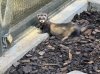
Hamilton Zoo (Ferret Exhibit)

Hamilton Zoo (New Zealand) has an invasive species exhibit focussed on Ferrets. Ferrets were introduced to New Zealand in the 1870s and 1880s to control rabbits; but have decimated several native bird species

Photos from my visits:

upload_2024-10-13_19-19-4.jpeg

upload_2024-10-13_19-18-51.jpeg
 

Attachments

  • upload_2024-10-13_19-18-51.jpeg
    upload_2024-10-13_19-18-51.jpeg
    248.7 KB · Views: 177
  • upload_2024-10-13_19-19-4.jpeg
    upload_2024-10-13_19-19-4.jpeg
    179.8 KB · Views: 169
Inokashira Park Zoo has an exhibit designed to display the invasive species in Japanese freshwater ecosystems such as Sunfish, Largemouth Bass, Carp, and Snapping Turtles. I have also seen a couple zoos associating invasive Masked Palm Civets with Japanese Wildlife in their exhibits.
 
Inokashira Park Zoo has an exhibit designed to display the invasive species in Japanese freshwater ecosystems such as Sunfish, Largemouth Bass, Carp, and Snapping Turtles. I have also seen a couple zoos associating invasive Masked Palm Civets with Japanese Wildlife in their exhibits.
I remember seeing a similar exhibit in Suma Marine life park years before it got closed down.

I never understood how masked palm civets were able to get away with being an introduces species and not even be listed in the Ministry of Environment’s IAS list…
 
I'd like to know your thoughts on displaying animals as invasives (i.e. having a Burmese python in an Everglades exhibit, or the signage for a cane toad focusing on their introduced populations). Do you think it is important to show the invasives of an enviroment, or do you think it takes display space away from natives? Are there any good examples of invasive species displays you can think of?
There are few invasive species in my local zoo (in Croatia), like South American Coati, Northern Raccoon and African Sacred Ibis. Surprisingly, the zoo doesn't display any education signage about those species being invasive in Europe, although I'd like some more education about them.
 
(I wonder if any zoo will make an invasive species exhibit showcasing domestic cats, especially one located in Australia)

Last time I went, Melbourne Zoo had a "Cat Alley" dedicated to the risks roaming cats pose, both to native wildlife AND themselves (which I thought was a nice angle to take with this topic). The zoo did not have any domestic cats on display, but it did provide a playground themed around how you could provide an interesting space for an indoor cat.
 
In Beauval there's signage about the invasive species (Reeves' Muntjac, Sacred Ibis, Raccoon...) in several places of the zoo, near the exhibits where these species live.
Once there was an American Bullfrog in the Tropical Dome, but it didn't stay for long, perhaps it died.
 
Although it obviously no longer exists, courtesy of the zoo closing, Bristol Zoo added a series of tanks near the exit to its aquarium in 2012 devoted to invasive species found in British waterways - as well as a tank for topmouth gudgeon, sunbleak and pumpkinseed, there were also displays for marsh frogs, zebra mussels, killer shrimp and invasive plants such as skunk-cabbage, floating pennywort and New Zealand pygmy weed.
 
I doubt there is a single exhibit of local Laurentian Great Lakes species in zoos and aquariums in the local area that doesn't put quite a bit of emphasis on invasive species. The lakes are so overrun by so many invasive species that most native species are now rare and the ecology of the lakes doesn't even remotely resemble their natural state.
 
In my opinion, such exhibitions are very important and far too rare.

This is an important part of environmental protection and therefore also an important part of environmental education. Many zoo visitors contribute to problems with invasive species out of ignorance. Not only with regard to keeping pets, but even more so with regard to plants in the garden. In addition, there are often protests from the public when cute invasive species are to be combated.

Therefore, every zoo should actually have an appropriate exhibition that at least explains the ecological relationships and the most important things that visitors should refrain from doing.
 
Inokashira Park Zoo has an exhibit designed to display the invasive species in Japanese freshwater ecosystems such as Sunfish, Largemouth Bass, Carp, and Snapping Turtles. I have also seen a couple zoos associating invasive Masked Palm Civets with Japanese Wildlife in their exhibits.
Ive seen multiple displays of invasive freshwater species in Japan - Lake Biwa Museum displays several species invasive to it's eponymous lake - including Largemouth and Smallmouth basses, Northern Bluegill, Channel Catfish, Western Mosquitofish, Continental Rosy Bitterling, Red-eared Slider, Freshwater Jellyfish, continental-type common carp (I'm unsure whether these are European Carp or mainland populations of Amur Carp), Japanese Aucha Perch, and hybrid giant salamanders. Some of these are kept only with other invasives, others are mixed in with natives.

In other Japanese facilities, it seems common to include the likes of Reeve's Pond Turtle, Red-eared Slider and Red Swamp Crayfish into native freshwater displays. In Ueno Zoo's Vivarium building, the smaller rooms for native herps also include invasives like the aforementioned turtles and American Bullfrog.

I honestly quite like the idea of including invasives like this alongside natives, it has great education potential. It seems much less common to do it here in Australia though, the only times I've seen it done is with exhibits of Cane Toad presented alongside (but in a seperate terrarium from) native herps and freshwater fishes. Perhaps Australia's strict laws on possession of noxious species prohibits zoos and aquariums from exhibiting them?
 
I was surprised to spot a sign about invasive species in Hodonín today. Although I have some objections about some of the species mentioned there, I was still happy to see it. It was set next to a pond with black swans and red-eared sliders.
 
I was surprised to spot a sign about invasive species in Hodonín today. Although I have some objections about some of the species mentioned there, I was still happy to see it. It was set next to a pond with black swans and red-eared sliders.
Do you have a pic of the sign?
 
Do you have a pic of the sign?
I've managed to find it on the internet! The photo was taken by Rhino00.
untitled_by_fluorescent_lobster_djzgsdi-pre.jpg
 
Last edited:
Back
Top