Maybe because of its pristine nature and rich wildlife or maybe because of general lack of public support, the book of Norwegian zoo history does not have many chapters. Oslo is probably one of the very few world's capitals without a significant zoological facility in a 100 km radius and the closest one is actually Nordens Ark (200km) in Sweden. The cold Scandinavian winter is also a setback, but the successful examples in the neighboring Sweden and Finland show that the weather can't be a limiting factor.
There have been attempts to establish a serious wild park next to the Norwegian capital and the man behind the idea Odd Fornebo dreamed of a 400 ha sanctuary for Nordic species. Even not so big, Fornebo's zoo opened in 1962, but lack of funds and political support never led to something more, then local kids ' attraction. The place closed for good in 1985 and turned into an amusement park.
The new Millennium came with plans for a wild park next to Oslo called Animal Kingdom. They were to open in 2016 and to have Snow Leopards and Siberian Tigers in huge naturalistic enclosures. The animal rights activists stood against the idea and the plans were postponed.
The "Northern Europe largest aquarium" in Oslo (Bærum) was well politically accepted, but one of the major owners of the land changed their plans and wants to build apartments instead. There is a backfire from animal rights activists too and most probably the project is not going to be bringed to fruition.
Few small collections can be seen around Norway nowadays. Like the Bear Park in Flo, the mini zoos in Haugaland and Tangen or the Langedrag, Namsskogan and Polar Parks. The latter is located "close" to the Troms area, where I used to live a few years ago. I can say first hand that through the average backyard there regularly pass Reindeers and sometimes Elks and it is hard for the Polar Park to attract local visitors and at the same time is quite remote for tourists. Tromsø's Polaria Bearded Seal is worth mentioning here.
In fact the zoo in Norway in the true sense of the word is only one. Kristiansand Dyreparken. The place was born in 1966 and started, like many others, as a one man passion. Willy Tjomsaas was convinced that the city needed a zoo attraction and luckily managed to find financial support for it's creation. Dyreparken opened its gates with only 30 animal species, the most exotic being the Guanaco, but there was significant public interest from the start.
Soon the first expansion appeared with a big Wolverine enclosure and interesting species like Sea Lions and Lar Gibbons arrived. Chimpanzee and Giraffes followed, together with a big Bactrian breeding group and even Elephants were considered.
In the 80's first water attractions were opened and the Kardemomme By (Cardamom town is a famous kid's book fictional place) was built to turn Dyreparken into Norway's biggest playground.
In 1991 the park welcomed the record 500 000 visitors, but the animal welfare was not put aside. Brand new area "Nordic Wilderness" was opened and offered spacious wood enclosures for emblematic Scandinavian mammals.
New Tropical hall opened in the 90's and the Lemurs, Red Pandas and Lowland Tapirs were the newcomers in the park.
The public opinion showed that the Tigers and Lions are the most anticipated species and the former arrived in 2002 to take place in one of the best Siberian Tiger facilities in Europe back then. Lions were part of the new Africa zone finished in 2007 and included Savanna for Giraffes, various antelopes and Zebra.
New separated water attraction, called Badeland was built in 2010 and five years later Kristiansand reached the one million visitors bar.
Animals also thrived and new babies Cheetahs, Siberian Tigers and Orangutan came to the world. This July the Orangutans were moved to their new much bigger home.
There are separate entrances for Badeland and the Zoo and one can buy ticket only for the latter, if he is not interested in Pirate ships battles.
The collection is small, but don't let the map fool you. The place is actually quite big. Front part of the zoo is reserved for Africa and Asia. Africa starts with a Savanna, which is rather plain and basic, but with enough roaming space for 3 Giraffes, 3 Grant's Zebras, 4 Blesbocks and 9 Common Elands. The next door Lions are living in a very beautiful and spacious enclosure, for sure among the best on the continent. They have decent indoor quarters, which can be reached by metal fence tunnels passing through their habitat. The Cheetahs have even more benefits. Three grassy fields bordering a small lake plus serious facility behind the scenes.
Before Asia starts, there is a small house dedicated to the Endangered species with only two animals. The park showcases its success with the reintroduction of Norway's rarest animal the Pool Frog (Pelophylax lessonae) and there is an "ambassador" Red Panda indoor and outdoor exhibit.
The new Orangutan complex is coming next. A high new building with multiple indoor quarters, outdoor island with a lot of beam/rope enrichments plus one more house and another separated island with a house. The Javan Lutungs are expected later this year and most probably will live on the separated Island.
The Siberian Tiger enclosure is truly exceptional. Mountain terrain with a nice pond and two floors indoor building. To see the Tigers outside could be a challenge, but they did something really cool. Hidden concrete WWII type tunnel with many windows passing through the exhibit.
All the ABC species have indoor access and many outdoor viewing possibilities. The Chimpanzees and Spider Monkeys have indoor houses (Chimpanzees's looks bit cramped for 9 Apes) and huge attractive islands in the middle of the park as well. Even the Greater Flamingos are visible, both outside and inside. Guarantee for the visitors from all over Norway, that they will see the only Giraffes, Apes and Big cats in the country.
This is not the case for the back side of the park, which is the real highlight, imho.
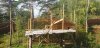
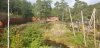
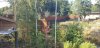
The Nordic Wilderness is a definition for immersive exhibit. Walking through a wooden bridge, you actually enter the animals natural habitat. Lynxes, Wolverines and Elks live in a vast forest - probably the closest thing to home you can have in captivity. Scandinavian worship to the Wolves can be recognised here. Almost half of the whole area is dedicated to them. Currently seven animals live in three connected enclosures. They are not easy to see, but when it happens is an unforgettable experience. The Nordic Wilderness carries the brilliancy of Nordens Ark, and there is one more genius thing here. The wooden paths are built along small rivers and ponds and pass through the most sunny parts of the wood. This gives much better chances to observe the animals for a longer time, when they come for a water or need some afternoon sun.
In the middle of the park adequate enclosures for Alpine ibex, Lowland Tapir/Capybara and Fallow Deer can be seen. The aforementioned Chimpanzees house is connected with a small Tropical and Reptiles houses, where are concentrated all the reptiles ,amphibians, small primates and the big part of the Tropical birds. There are more birds around the African Village, Which Is one of the areas with domestic breeds.
The Park has several thematic zones, some are petting farms and some are just playgrounds. It is a lot entertaining for the kids and the summer crowds are probably not for ZooChaters taste. Same time there's enough space and animal welfare is a very high priority. None of the enclosures are part/or mixed with any of the playgrounds.
Will Inform ZTL for some of the species which have been in the park in the past, but are not anymore. There is a Brown Bear listed which seems like it is a common confusion.One big educational poster shows pictures of Lynx, Wolf, Brown Bear and Wolverine, but is written in Norwegian, that you can see only three of those four in the park.
Kristiansand not only has a nice zoo, but is a beautiful city too. I can not recommend a special visit, but if you come across Scandinavia put it in your list.
Added some pictures in the gallery
Kristiansand Zoo and Amusement Park - ZooChat
There have been attempts to establish a serious wild park next to the Norwegian capital and the man behind the idea Odd Fornebo dreamed of a 400 ha sanctuary for Nordic species. Even not so big, Fornebo's zoo opened in 1962, but lack of funds and political support never led to something more, then local kids ' attraction. The place closed for good in 1985 and turned into an amusement park.
The new Millennium came with plans for a wild park next to Oslo called Animal Kingdom. They were to open in 2016 and to have Snow Leopards and Siberian Tigers in huge naturalistic enclosures. The animal rights activists stood against the idea and the plans were postponed.
The "Northern Europe largest aquarium" in Oslo (Bærum) was well politically accepted, but one of the major owners of the land changed their plans and wants to build apartments instead. There is a backfire from animal rights activists too and most probably the project is not going to be bringed to fruition.
Few small collections can be seen around Norway nowadays. Like the Bear Park in Flo, the mini zoos in Haugaland and Tangen or the Langedrag, Namsskogan and Polar Parks. The latter is located "close" to the Troms area, where I used to live a few years ago. I can say first hand that through the average backyard there regularly pass Reindeers and sometimes Elks and it is hard for the Polar Park to attract local visitors and at the same time is quite remote for tourists. Tromsø's Polaria Bearded Seal is worth mentioning here.
In fact the zoo in Norway in the true sense of the word is only one. Kristiansand Dyreparken. The place was born in 1966 and started, like many others, as a one man passion. Willy Tjomsaas was convinced that the city needed a zoo attraction and luckily managed to find financial support for it's creation. Dyreparken opened its gates with only 30 animal species, the most exotic being the Guanaco, but there was significant public interest from the start.
Soon the first expansion appeared with a big Wolverine enclosure and interesting species like Sea Lions and Lar Gibbons arrived. Chimpanzee and Giraffes followed, together with a big Bactrian breeding group and even Elephants were considered.
In the 80's first water attractions were opened and the Kardemomme By (Cardamom town is a famous kid's book fictional place) was built to turn Dyreparken into Norway's biggest playground.
In 1991 the park welcomed the record 500 000 visitors, but the animal welfare was not put aside. Brand new area "Nordic Wilderness" was opened and offered spacious wood enclosures for emblematic Scandinavian mammals.
New Tropical hall opened in the 90's and the Lemurs, Red Pandas and Lowland Tapirs were the newcomers in the park.
The public opinion showed that the Tigers and Lions are the most anticipated species and the former arrived in 2002 to take place in one of the best Siberian Tiger facilities in Europe back then. Lions were part of the new Africa zone finished in 2007 and included Savanna for Giraffes, various antelopes and Zebra.
New separated water attraction, called Badeland was built in 2010 and five years later Kristiansand reached the one million visitors bar.
Animals also thrived and new babies Cheetahs, Siberian Tigers and Orangutan came to the world. This July the Orangutans were moved to their new much bigger home.
There are separate entrances for Badeland and the Zoo and one can buy ticket only for the latter, if he is not interested in Pirate ships battles.
The collection is small, but don't let the map fool you. The place is actually quite big. Front part of the zoo is reserved for Africa and Asia. Africa starts with a Savanna, which is rather plain and basic, but with enough roaming space for 3 Giraffes, 3 Grant's Zebras, 4 Blesbocks and 9 Common Elands. The next door Lions are living in a very beautiful and spacious enclosure, for sure among the best on the continent. They have decent indoor quarters, which can be reached by metal fence tunnels passing through their habitat. The Cheetahs have even more benefits. Three grassy fields bordering a small lake plus serious facility behind the scenes.
Before Asia starts, there is a small house dedicated to the Endangered species with only two animals. The park showcases its success with the reintroduction of Norway's rarest animal the Pool Frog (Pelophylax lessonae) and there is an "ambassador" Red Panda indoor and outdoor exhibit.
The new Orangutan complex is coming next. A high new building with multiple indoor quarters, outdoor island with a lot of beam/rope enrichments plus one more house and another separated island with a house. The Javan Lutungs are expected later this year and most probably will live on the separated Island.
The Siberian Tiger enclosure is truly exceptional. Mountain terrain with a nice pond and two floors indoor building. To see the Tigers outside could be a challenge, but they did something really cool. Hidden concrete WWII type tunnel with many windows passing through the exhibit.
All the ABC species have indoor access and many outdoor viewing possibilities. The Chimpanzees and Spider Monkeys have indoor houses (Chimpanzees's looks bit cramped for 9 Apes) and huge attractive islands in the middle of the park as well. Even the Greater Flamingos are visible, both outside and inside. Guarantee for the visitors from all over Norway, that they will see the only Giraffes, Apes and Big cats in the country.
This is not the case for the back side of the park, which is the real highlight, imho.
The Nordic Wilderness is a definition for immersive exhibit. Walking through a wooden bridge, you actually enter the animals natural habitat. Lynxes, Wolverines and Elks live in a vast forest - probably the closest thing to home you can have in captivity. Scandinavian worship to the Wolves can be recognised here. Almost half of the whole area is dedicated to them. Currently seven animals live in three connected enclosures. They are not easy to see, but when it happens is an unforgettable experience. The Nordic Wilderness carries the brilliancy of Nordens Ark, and there is one more genius thing here. The wooden paths are built along small rivers and ponds and pass through the most sunny parts of the wood. This gives much better chances to observe the animals for a longer time, when they come for a water or need some afternoon sun.
In the middle of the park adequate enclosures for Alpine ibex, Lowland Tapir/Capybara and Fallow Deer can be seen. The aforementioned Chimpanzees house is connected with a small Tropical and Reptiles houses, where are concentrated all the reptiles ,amphibians, small primates and the big part of the Tropical birds. There are more birds around the African Village, Which Is one of the areas with domestic breeds.
The Park has several thematic zones, some are petting farms and some are just playgrounds. It is a lot entertaining for the kids and the summer crowds are probably not for ZooChaters taste. Same time there's enough space and animal welfare is a very high priority. None of the enclosures are part/or mixed with any of the playgrounds.
Will Inform ZTL for some of the species which have been in the park in the past, but are not anymore. There is a Brown Bear listed which seems like it is a common confusion.One big educational poster shows pictures of Lynx, Wolf, Brown Bear and Wolverine, but is written in Norwegian, that you can see only three of those four in the park.
Kristiansand not only has a nice zoo, but is a beautiful city too. I can not recommend a special visit, but if you come across Scandinavia put it in your list.
Added some pictures in the gallery
Kristiansand Zoo and Amusement Park - ZooChat
Last edited:

 (humor not offense)