GEOGRAPHY OF POGONA
Name: Pogona
Location: 120 miles (193.12 km) east of Fiji
Size: 4,200 square miles (6,759.24 sq km); (for reference this is just a little larger than Hawaii's Big Island)
Main Ecosystems: Tropical rainforest, open vegetated land, desert, snowy mountain, subterranean, river and lake, wetland, urban, coral reef, and deep-sea
Tropical Rainforest
(Can be seen on the map in light green)
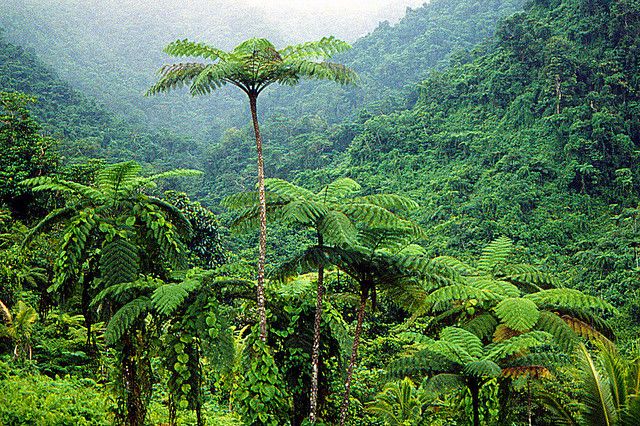
Pogona is dominated by tropical rainforests. This is where most of the island's non-aquatic flora and fauna can be found. This part of the island can be described in two words: hot and wet. The average monthly temperature exceeds 64°F (18°C) the entire year and rainfall averages no less than 75 inches (190.5 cm). Animal species found in this ecosystem include the behemoth frog (
Gigantobufo virosa; a massive horned frog that secrets toxins), the DeSmet’s slug-eating snake (
Parapareas desmeti; a small four-limbed snake that feeds on gastropods), and the king tyrant (
Tyrannovenator rex; a large megaraptoran and the island's apex land predator).
Open Vegetated Land
(Can be seen on the map in dark green)
Open vegetated land implies any space on Pogona that is open from the forest but isn't desert or snowy. Most of these open areas are made by the island's large herbivorous dinosaurs as they knock down trees in their constant search for food. The only exception to this is the mini-island of Bunopus, which lies off the northeastern shore of Pogona. Bunopus is a popular spot for nesting birds and pterosaurs as it is predominantly predator free. On Pogona proper, perhaps the most well-know open vegetated land is the Saurian Salt Lick, which is a naturally occurring salt lick which herbivores come to to get essential mineral nutrients from the deposit of salt. Predators are also common here as they show up to hunt the herbivores. Animal species found in this ecosystem include the hell hawk (
Megaornis ater; a massive hawk), Pogonan deer (
Cervus pogonaensis; a mid-sized deer), and the pygmy long-neck (
Giraffasaurus pygmaeus; a small titanosaur sauropod with an armored back).
Desert
(Can be seen on the map in yellow)
On the lower slopes of Mt. Gorgo, the island's dormant volcano, the Great Goby Desert can be found. Despite the name it's not that large. It is predominantly made up of rocks and sand with little plant life. The animals that choose to live here are specially built for this environment. The Great Goby Desert is not a true desert however as it receives approximately 40 inches (101.6 cm) of rain a year. Animal species found in this ecosystem include the Brock's monitor (
Deinosaurus brocki; a mid-sized venomous lizard), the carrion pig (
Carnosus gigaodon; a babirusa-like pig that exclusively feeds on meat), and the waffle tortoise (
Platychelone parvus; a tortoise that hides under rocks rather than in its shell).
Snowy Mountain
(Can be seen on the map in white)
Believe it or not it actually snows on Pogona! At its peak, Mt. Gorgo is so high in altitude that the weather is actually cool enough to allow snow to fall. This area is inhospitable for plants so most of the animal life up here live at the base of snowline. Animal species found in this ecosystem include the ice salamander (
Onychodactylus glacialis; a small salamander), the snowy brushtail possum (
Trichosurus nivalis; small carnivorous possum), and the woolly oneclaw (
Ulosnychus montanus; a large alvaesaurid with a shaggy coat of feathers).
Subterranean
(Can not be seen on the map)
Below Pogona's surface lies a world of nightmares. Carved by magma long ago the Hellhole Caverns are a long series of convoluted caves. Animals down here are designed to live in the dark. Animal species found in this ecosystem include the Casetta's giant cave spider (
Arachnolestes casettai; a massive pack-hunting spider that shoots its webs), the cave clicker (
Caecusraptor troglodytes; an eyeless troodontid that echolocates), and the electric cichlid (
Electroichthys versicolor; a small fish that zaps prey with electricity).
River and Lake
(Can be seen on the map in dark blue)
On the island of Pogona, no matter how dangerous things get on land, the one thing you should never ever do is get in the water. The many river and tributaries of Pogona all start off as runoff from the snow on Mt. Gorgo. The 5 main rivers are the River Bai, the River Cosmo, the River Echo, the River Gorgo, and the River Kong. The island's only large lake is Lake Turok. Animal species found in this ecosystem include the hipporex (
Hipporex amphibius; a highly aggressive semi-aquatic ornithopod), the river lizard (
Saurosqualus kongensis; a freshwater mosasaur), the slender-snouted salamander (
Paragavialis longirostris; a giant piscivorous salamander).
Wetland
(Can be seen on the map in aqua green)
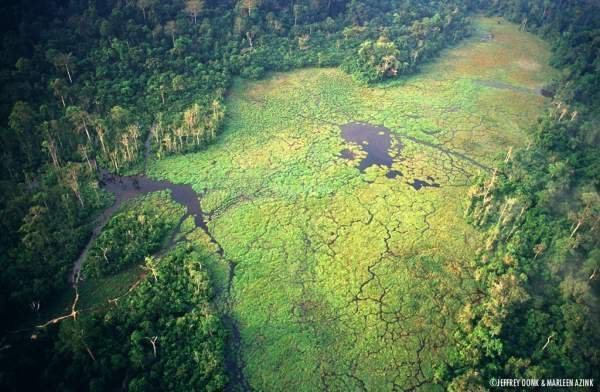
Pogona's Bronso Wetlands is regularly flooded by water due to the rain. The makes it the perfect location for semi-aquatic animals. The dominant plant on this part of the island is the cypress tree. Animal species found in this ecosystem include the dinosaur mosquito (
Gigantoanopheles culex; an unnecessarily massive mosquito, eww!), the frilled python (
Chlamydopython medusa; a massive snake with a mouth similar to that of a sarcastic fringehead fish), and the giant Pogonan goose (
Anser pogonaensis; a large flightless goose).
Urban
(Can be seen on the map as grey)
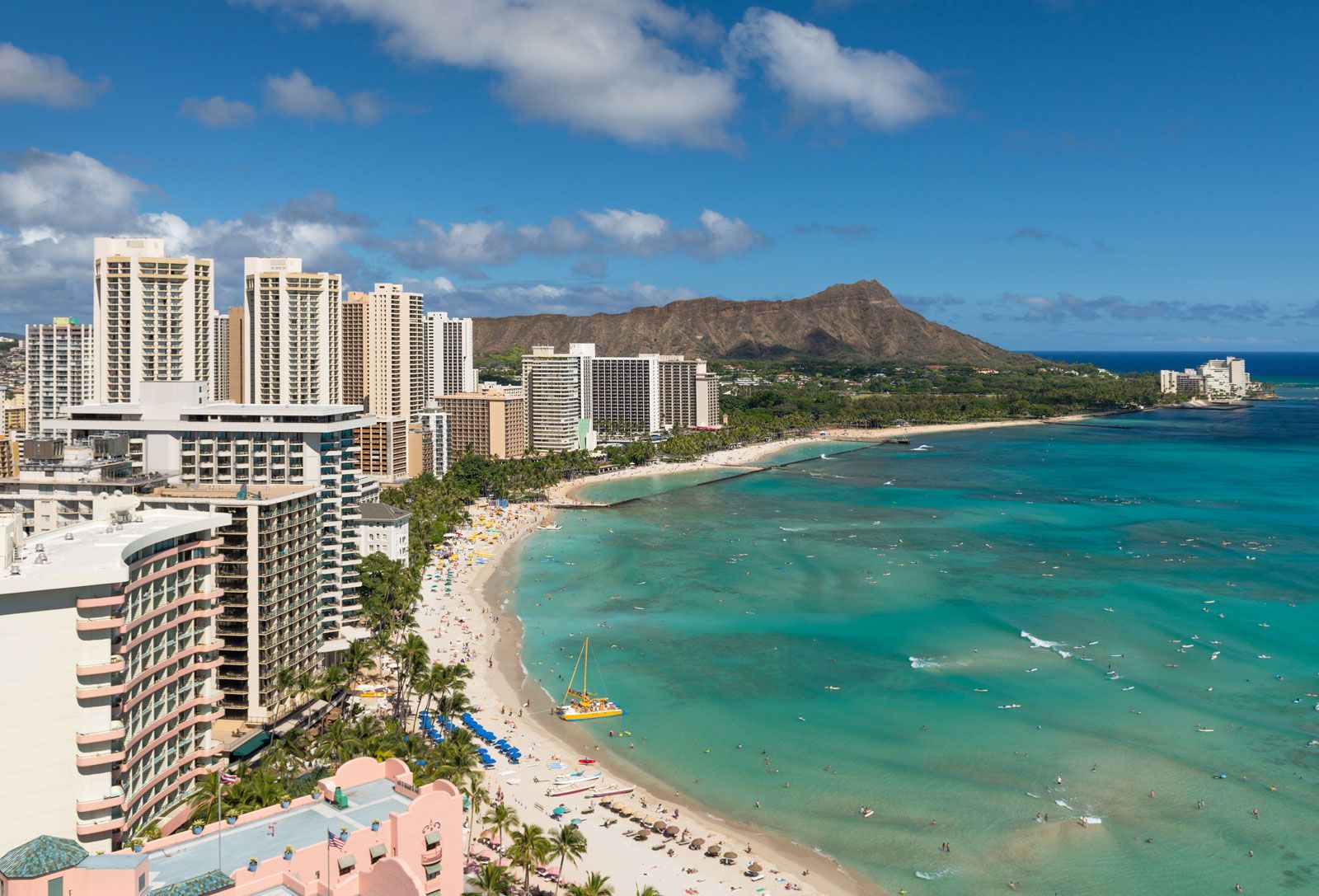
Pogona is home to one main city, Cooktown. Cooktown resembles the city of Honolulu. Just like in any other city, animals have adapted to live alongside man. Some have taken advantage of human waste and become trash eaters. Others use our buildings for shelter. Animal species found in this ecosystem include the butterfly wyvern (
Nectarphaga minmus; a tiny nectar-eating pterosaur), the fisherman's wyvern (
Pteroichthyophaga aquaticus; a mid-sized pterosaur that eats fishes and human waste), and the trash-eating abelisaur (
Paraprocyon familiaris; an omnivorous abelisaur that evolved to feed on human garbage).
Coral Reef
(Can be seen on the map as light blue)
Pogona is home to some of the most beautiful and dangerous coral reefs on Earth. The reef surrounding Pogona is called a fringing reef, meaning it's directly attached to the shore. The reefs are home to a plentiful variety of small fishes and marine invertebrates which are hunted by sharks, marine reptiles, and ammonites. Like coral reefs all around the world, Pogona's reef is at risk due to human activities. Animal species found in this ecosystem include the dolphin-lizard (
Saurocetus tropicalis; a mid-sized ichthyosaur), the goliath nurse shark (
Ginglymostoma goliah; a massive nurse shark), and the tree octopus (
Octopus arboreous; a small octopus that can retain water for long periods and go on land and even sometimes climb trees).
Deep-Sea
(Can be seen on the map as black)
Sea monsters are real. Just off Pogona's reefs is the deep dark abyss of the ocean. Down here light barely reaches or doesn't reach at all. The creatures here and nothing short of deadly. Animal species found in this ecosystem include the abyssal plesiosaur (
Photosaurus bathys; a long bioluminescent plesiosaur), and the Cthulhu ammonite (
Paranautilus striatus; a massive ammonite), and the leviathan (
Livyatansaurus major; a massive carnivorous ichthyosaur).