You are using an out of date browser. It may not display this or other websites correctly.
You should upgrade or use an alternative browser.
You should upgrade or use an alternative browser.
Lincoln Park Zoo Lincoln Park Zoo News 2025
- Thread starter Grant
- Start date


(Edit by mod because threads merged): Additional information and a link:
A harbor seal and a Chilean flamingo have both died due to avian influenza. As a result, some birds elsewhere in the zoo have been moved off-exhibit and the bird house will be closed until further notice.
Avian Influenza Cause of Death in Harbor Seal and Chilean Flamingo at Lincoln Park Zoo | Lincoln Park Zoo
A harbor seal and a Chilean flamingo have both died due to avian influenza. As a result, some birds elsewhere in the zoo have been moved off-exhibit and the bird house will be closed until further notice.
Avian Influenza Cause of Death in Harbor Seal and Chilean Flamingo at Lincoln Park Zoo | Lincoln Park Zoo
Last edited by a moderator:

Nile Hippo Expert
Well-Known Member
Extremely sad start to the new year! 
Hopefully the rest of their animals are fine and they don't lose any more animals to this sickness.
Hopefully the rest of their animals are fine and they don't lose any more animals to this sickness.

(Edit by mod because threads merged): Additional information and a link:
A harbor seal and a Chilean flamingo have both died due to avian influenza. As a result, some birds elsewhere in the zoo have been moved off-exhibit and the bird house will be closed until further notice.
Avian Influenza Cause of Death in Harbor Seal and Chilean Flamingo at Lincoln Park Zoo | Lincoln Park Zoo
Now more than ever monitoring animal health becomes incredibly critical - the scary part is way too many species can catch it. Captive birds, cats, and now pinnipeds have all died, let us hope that no other groups prove too susceptible.
Also cut zoos some slack if exhibits are closed or species off exhibit because of bird flu - I would far rather the animals be behind the scenes for awhile safe and sound than be potentially exposed to this nasty illness.
A pair of emperor tamarins are now on-exhibit in the small mammal/reptile house, a new species for the zoo.
Lincoln Park Zoo on Instagram: "Good day to you, Sal and Feta! Sal and Feta are emperor tamarins, a small primate species with distinctive fur that resembles a mustache. They arrive as a pair with a breeding recommendation from the Bearded Tamarin Species Survival Plan. Sal is an 8 year old male and Feta is a 4 year old female. Their habitat is in Regenstein Small Mammal-Reptile House where they can be seen leaping and climbing through tree branches!"
Lincoln Park Zoo on Instagram: "Good day to you, Sal and Feta! Sal and Feta are emperor tamarins, a small primate species with distinctive fur that resembles a mustache. They arrive as a pair with a breeding recommendation from the Bearded Tamarin Species Survival Plan. Sal is an 8 year old male and Feta is a 4 year old female. Their habitat is in Regenstein Small Mammal-Reptile House where they can be seen leaping and climbing through tree branches!"

Nile Hippo Expert
Well-Known Member
This is amazing news, Lincoln Park is only the second accredited zoo in the country to breed and successfully hatch kagu (Rhynochetos jubatus) chicks!
Here are some photos of the chick from the zoo's post on their website, it looks absolutely adorable!
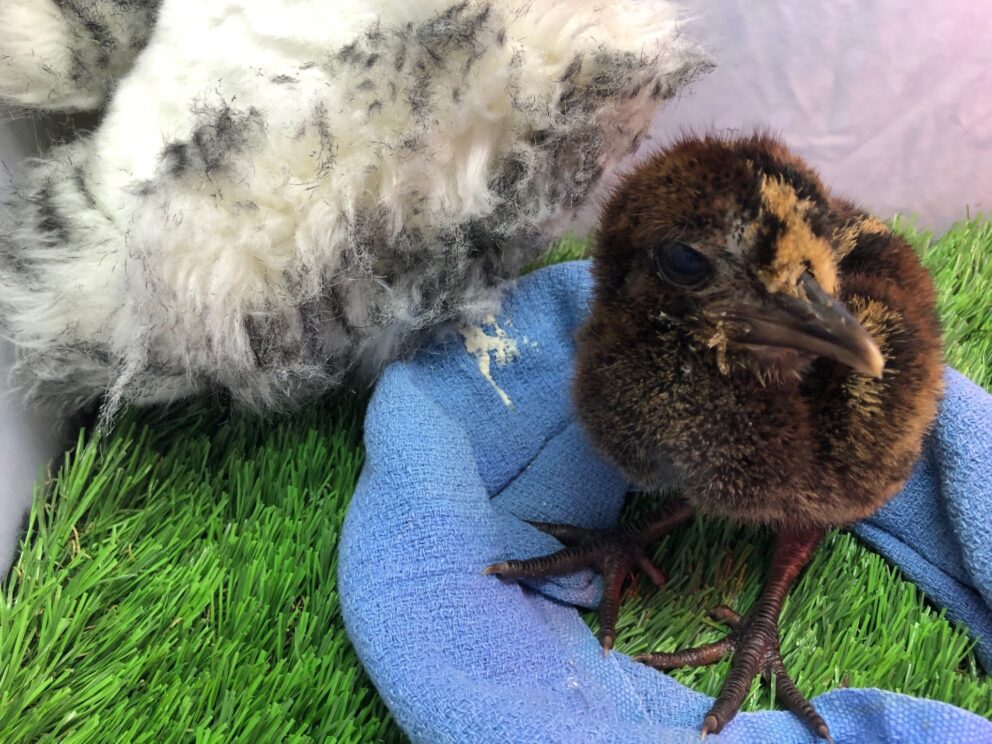
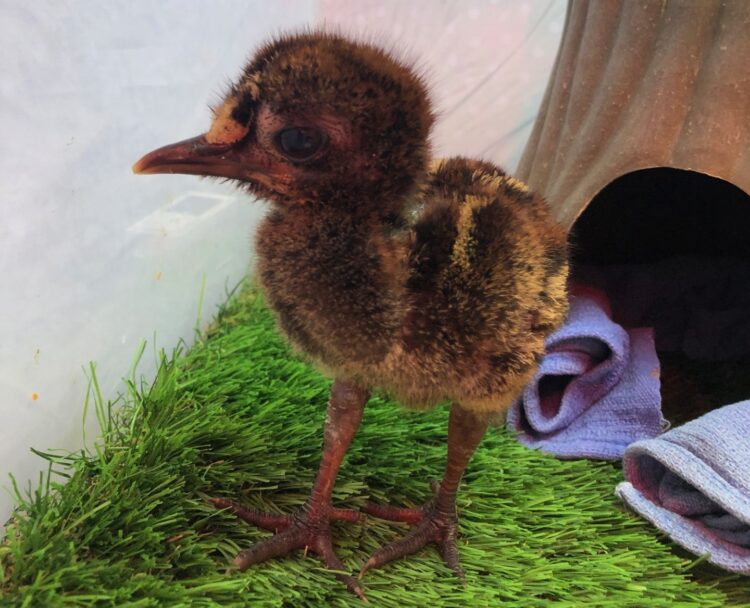

A group of three juvenile meerkats have arrived at the zoo. Saw them yesterday and they are very adorable and curious.
More info via Facebook: Log in to Facebook

Gray seal Jersey gave birth to a pup sired by Charles on February 8th, but it passed within minutes
Very sad news for this species
Very sad news for this species
My first trip report for this year. I've not had good luck with making it over in these last months since my December trip. Today was nice and warm though which made for a great trip. No big news but some little clarifications:
- All signage for Bactrian camel has been removed... or more accurately, flipped over (you could see the camel signage underneath if you looked from far away) so they are not signed. It seemed implied on one sign that the Grevy's Zebra now had access to the camel yard, but they were all present in their traditional yard.
- The new meerkats will be rotating with the aardvark in the sandy exhibit in front of the giraffes. I just missed them. The old group remain in their longtime exhibit. I did get to see the aardvark in her den though.
- No luck with the emperor tamarins, or the sloth in the same mixed exhibit. I did not see signage for the new tamarins, but a keeper confirmed they were out and in that exhibit, they're just shy and wished me luck seeing them. I did briefly see the Saki though.
- Both polar bears were out and active and using a lot of their exhibit, and a keeper was out talking to guests and mentioned they do not always use it and mostly sleep. I did hear the keeper suggest that while the zoo is still trying to bred them, Talini may be getting too old to breed, which might be small news. Guests seemed to really enjoy the keeper chat! Also, saw a seagull stealing a fish from the Polar bears from inches away...
- Golden orb weaver spider, Bettong and Puerto Rican Parrot were all signed as 'this animal is not on exhibit'. I think there was one more I'm forgetting.
- Seeing the former lion cubs as adults was wild to me. They were big last times but their manes have come in now! I feel as if I've never seen baby animals grow up like I have them.
- I was hoping to see the giraffes outside, which I rarely do, and sort of succeeded, but not how you'd think. The giraffes were in the gateway area between the main outdoor exhibit and their indoor exhibit, taking their time before heading in!
- Saw a great glimpse of one of the zoo's Canadian lynx today! I've spotted them high up on the rocks before but the first time I've seen one pretty clearly visible at guest level. It went inside when spotted, of course.
- It feels like every time I visit, I end up seeing a lone African penguin standing over the water, and none others. I'm starting to forget they have penguins.
- The afternoon seal demonstration only looked to include a lone harbor seal and a lone Grey seal today, but I arrived while it was in-progress so it's possible the other seals had finished their parts.
- I think I heard some chimpanzee vocalizations! That was fun. I was by the hoofstock exhibits and the apes were indoors and it was 4:30PMish, so I wasn't close by.
- The rhinoceros were also fun today. They weren't doing much of note besides eating, but you know, just always happy to see them.
- No-shows today: Diana monkey, Pygmy hippopotamus, Klipspringer, African painted dog, Pygmy slow loris, Moholi bushbaby, Prehensile-tailed porcupine, armadillo, Red Panda, Chilean flamingo, Sichuan takin, Red kangaroo... possibly Snow leopard, but I sped past them a bit quick when I was by their enclosure so could have been ignorance on my part.
- Did not make the Children's Zoo, Primate House, interior of African Apes, Farm-in-the-Zoo, or Bird House and aviaries today. I arrived late and prioritized African Journey and Small Mammal-Reptile since I skipped them last time.
I had to cancel another event I hoped to do today and made my monthly zoo visit instead, although just like last month, it was only around three hours.. which is almost enough at Lincoln Park, but another half hour to do the birds and apes would have been perfect.
No real news, but to follow on a few things.
The second bettong exhibit has been converted into a lit display for the baby black tree monitors born last year. I was rushing by the loris and tamarin and didn't spot the babies. The bettong seem to be back on display in the first nocturnal exhibit but it was too dim and I did not see them.
The Pied tamarin were signed as off-display, and I think they also were last time but I forgot to mention this in the previous post.
More pointless observations, as usual:
No real news, but to follow on a few things.
I did see a lone Grevy's Zebra in the former camel yard this time, and a sign explaining that Grevy's Zebra sometimes live alone. Not all of the camel signage has been replaced.All signage for Bactrian camel has been removed... or more accurately, flipped over (you could see the camel signage underneath if you looked from far away) so they are not signed. It seemed implied on one sign that the Grevy's Zebra now had access to the camel yard, but they were all present in their traditional yard.
Both sets of meerkats were out in their respective exhibits, and a little bit of new substrate looked to be in the longtime meerkat exhibit. One of the giraffes seems very interested in the new meerkat residents in front of the habitat, as both Facebook posts and my experience today showed the giraffe looking down at them, bringing it's head close to the exhibit. A very delightful interaction and a reminder animals are as curious as we are! The aardvark was in den again sleeping.The new meerkats will be rotating with the aardvark in the sandy exhibit in front of the giraffes. I just missed them. The old group remain in their longtime exhibit. I did get to see the aardvark in her den though.
Signage is now up for the Emperor tamarins but again, no luck. I wonder if I would have better luck if I visited in the morning, or if they really are just shy. Also still no sloth - this exhibit is almost always empty for me.No luck with the emperor tamarins, or the sloth in the same mixed exhibit. I did not see signage for the new tamarins, but a keeper confirmed they were out and in that exhibit, they're just shy and wished me luck seeing them. I did briefly see the Saki though.
The polar bears were semi-active today, both relaxing and lounging around outside, but not doing much. One of them rolled on their back for a good while which everyone found adorable. One of the black bears was also laying on his back.Both polar bears were out and active and using a lot of their exhibit, and a keeper was out talking to guests and mentioned they do not always use it and mostly sleep. I did hear the keeper suggest that while the zoo is still trying to bred them, Talini may be getting too old to breed, which might be small news. Guests seemed to really enjoy the keeper chat! Also, saw a seagull stealing a fish from the Polar bears from inches away...
The Golden silk spider is on display again, but the Puerto Rican Parrot are still signed off display.Golden orb weaver spider, Bettong and Puerto Rican Parrot were all signed as 'this animal is not on exhibit'. I think there was one more I'm forgetting.
The second bettong exhibit has been converted into a lit display for the baby black tree monitors born last year. I was rushing by the loris and tamarin and didn't spot the babies. The bettong seem to be back on display in the first nocturnal exhibit but it was too dim and I did not see them.
The Pied tamarin were signed as off-display, and I think they also were last time but I forgot to mention this in the previous post.
More pointless observations, as usual:
- The male lion Jabari was resting with three lionesses today. I completely forgot we had a third lioness somehow. I did not see the cubs today. Had a similar experience by the Debrazza monkey, where I had forgotten there was a third individual.
- The African penguins were all indoors today, not even the lone outside individual as usual. I wonder if they are more active in the mornings as I've still never seen them very active?
- Slow loris are one of my favorite species and I usually hover by their enclosure longer than usual. Another guest was doing the same and told me it was Meka and we watched for maybe ten minutes. If you're a zoochatter it was nice talking to you!
- The Primate House seemed to be open later than it was "supposed" to be, and the doors were still wide open around 4:35pm when I headed down by the apes, which were already closed. This is not a regular occurrence, just a stroke of luck.
- Pogo the red wolf was extremely active in the early afternoon, with quite a crowd stopping to watch as he dashed up and down his exhibit. He seemed to enjoy stopping and gazing out at visitors and at one point reared on his hind legs to get a better look!
- There is a new educational sign by the giraffe that the zoo was seeking feedback on. I thought it looked pretty good. It discussed individual giraffes identifying each other by spots (similar to an existing sign by the lions) and the fact the decline of giraffes was overlooked for so long, and has some "bones" for kids to touch.
- I saw the Klipspringer briefly, and it quickly went off display.
- I briefly saw one of the Red Pandas around closing time.
- No-shows today: Diana monkey, Pygmy hippopotamus, West African dwarf crocodile, African painted dog, Red river hog, Prehensile-tailed porcupine, armadillo, Red kangaroo, Canadian lynx, White-faced Saki monkey, Emperor tamarin, Two-toed sloth, Eastern black-and-white colobus monkey
- In addition to skipping the farm and sadly once again the bird house, I did not make the interior of African Apes again and did not see chimpanzee or Western lowland gorilla. I was by the outdoor habitats late in the day. I spent a lot of time there last year but always hate to miss the excellent complex and hoped I would see an animal outside today.
- I don't know what the situation is with the North American River Otters but I think I've seen them maybe once in two years and their outdoor enclosure is usually at least partly blocked off. It might be bad luck but the blocking off makes me wonder.

ContraryPython
Active Member
I don't know what the situation is with the North American River Otters but I think I've seen them maybe once in two years and their outdoor enclosure is usually at least partly blocked off. It might be bad luck but the blocking off makes me wonder.
I was on the zoo last week and saw one otter, it was limping on one of its hind legs and looked really old. I did inform a keeper of this and she also confirmed that the otter was really old. After that I never saw it again for the whole day.

This is amazing news, Lincoln Park is only the second accredited zoo in the country to breed and successfully hatch kagu (Rhynochetos jubatus) chicks!
Out of curiosity, which zoo was the first?
San Diego.Out of curiosity, which zoo was the first?
Thank you for mentioning. I'm glad someone's seen it. I knew the zoo had an elderly individual, and elderly animals usually prefer staying off-display, but I was under some impression there was a younger one as well.I was on the zoo last week and saw one otter, it was limping on one of its hind legs and looked really old. I did inform a keeper of this and she also confirmed that the otter was really old. After that I never saw it again for the whole day.

Aardwolf
Well-Known Member
Actually, the National Zoo (sort of) bred and hatched the species out in 1970. I say "sort of" because the story of those birds was a bit odd. The kagus were the personal pets of Bird Curator John Moore, who took them with him as he went from zoo to zoo (for example, when Moore worked at the Salisbury Zoo and the Baltimore Zoo, he took his kagus with him). Moore, who was a former animal dealer who collected the kagus himself in New Caledonia, raised the chick in his apartment after it hatched - but the breeding and hatching took place at NZP, and was the first hatch in the Americas.San Diego.

Attachments

Also still no sloth - this exhibit is almost always empty for me.
The sloth is very, very elusive. I think he likes to hang out in the hammock towards the top of the exhibit. I don't usually see the sloth, but it often looks like there's something in there.
I don't know what the situation is with the North American River Otters but I think I've seen them maybe once in two years and their outdoor enclosure is usually at least partly blocked off. It might be bad luck but the blocking off makes me wonder.
The zoo posted on social media last summer that two geriatric North American River Otters had arrived and that Lincoln Park Zoo was essentially going to be their "retirement home." I have seen one of them, but it did require a combination of patience and luck.
I'm glad it's not just me. I have seen the individual once in the last two years but only the one time. That space has such a great viewing area it's a shame the relevant species are so shy.The sloth is very, very elusive. I think he likes to hang out in the hammock towards the top of the exhibit. I don't usually see the sloth, but it often looks like there's something in there.
Thank you. I think I must have misread or misunderstood the original release and thought the geriatric individuals and the two new arrivals were separate animals.The zoo posted on social media last summer that two geriatric North American River Otters had arrived and that Lincoln Park Zoo was essentially going to be their "retirement home." I have seen one of them, but it did require a combination of patience and luck.
The zoo recently welcomed JC, a six-year-old lar (white-handed) gibbon, as a companion for white-cheeked gibbon Murray. New Arrival: Lar Gibbon (A Birthday Girl!) | Lincoln Park Zoo