RtasVadumee
Member
Hi everyone,
I visited Pairi Daiza with my father and uncle one month ago and wrote a detailed report for friends that can be shared here too, especially as the guy who made me discover that forum is one of the persons this review was initially addressed to (the member Kakapo which I refer to as "Isidro" in the text).
This is actually my first post here, I've visited a fair number of zoos but mostly in France, and I'm now moving on to the vaster European scale, maybe this forum can be useful to my future visits.
Please, be aware that this is a very relaxed tale that I'm telling here, I've already read highly professional reviews of zoo visits with detailed descriptions of the enclosures and exhaustive inventory of obscure species but mine is not of that kind, I'm just giving my personal experience here and wrote it as a little story to follow with no intention of making a serious analysis.
Day 1
We had planned to arrive as soon as the park opens, so at 9:30 am, but the first day didn’t start so perfectly and my uncle, who is a bit odd, had simply disappeared so we had to look for him and even ask the receptionist to look on security cameras in order to locate him ! Moreover, he is old and slow and, as it was once more proven, has a bad habit of disappearing to wander around so, considering the size of the zoo, we had to be able to contact him in case we lose him during the visit. Unfortunately, none of our drug dealer phones (my dad and uncle both have the same basic non-smartphone device as me) was able to call in Belgium so we normally would have have had to buy prepaid cards to do so but when he finally popped up at 9:30, disappointed not to have found somewhere to take his breakfast (while the hotel was offering it and my father had actually paid for that…), we had no time left for the phone cards and left directly for the zoo.
Walking from the car park to the entrance, it was as late as almost 10:30. But the good thing was that, despite I read on the internet that Pairi Daiza welcomed as many visitors as Beauval per year (2 millions), there was definitely no crowd and we didn’t have to wait for the tickets. Actually, a new colossal entrance is being built and we saw the construction site.
For now, the current entry just looked like that of any big zoo, with only maybe like 8 counters or so, I guess it’s not very convenient on peak days but it also shows that this zoo is in fact maybe not as excessive as Beauval. Of course, there are these security gates with scanners to pass that my friend Isidro seemed to make a big deal about. But they are definitely not comparable to airport ones as he said, they don’t ask you to undo your belt or so, this is actually very discreet.
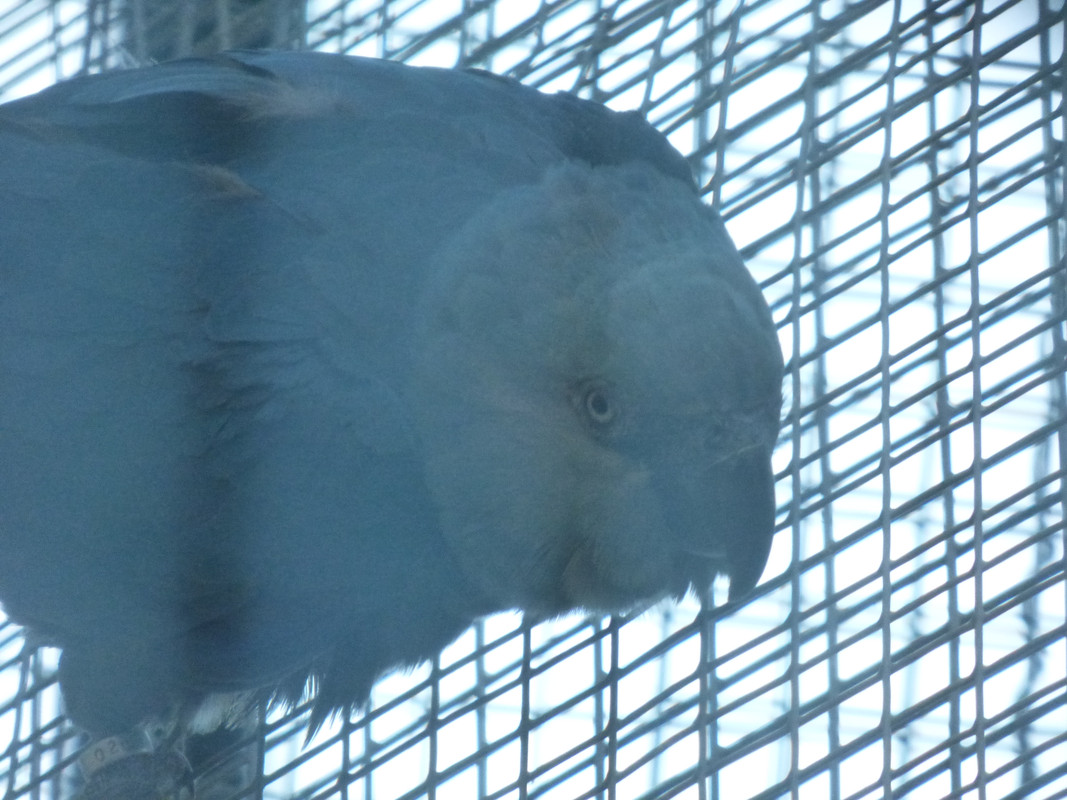
The very first animal to be presented was probably the biggest rarity in the whole zoo and maybe of all zoos in the world. But the day started bad and we just didn’t see the Spix’s despite looking at every corner of their aviaries. The Lear’s were here though, but being definitely less aesthetically distinctive, I was not as much interested in them.
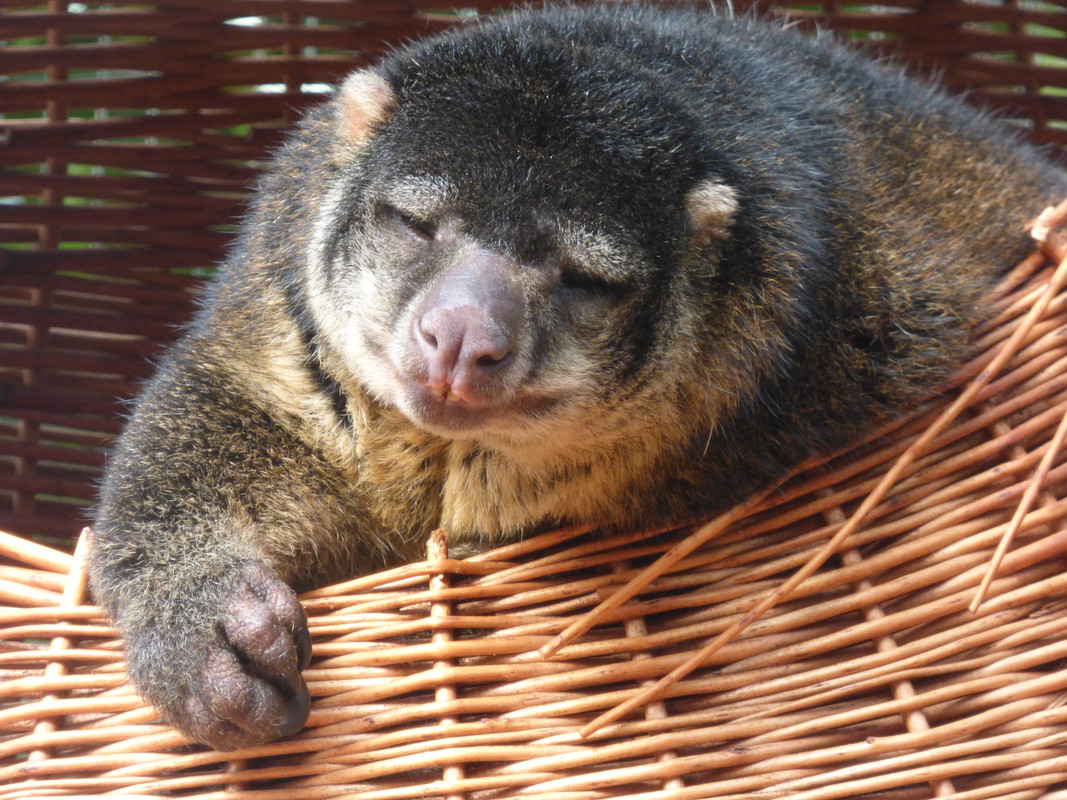
We didn’t stay to wait for the Spix’s to appear as we had so many things to see in so little time (I wanted every rarity on the check list to be seen on the first day so that I can enjoy a more relax second day) and I was the one guiding the group so I decided to head directly to the Oasis which was supposed to include at least five rarities from what I had studied : the bear cuscus, the two Saint-Vincent and Sainte-Lucie amazons, the Amazilia hummingbird and, possibly, the greater roadrunner which I was not sure of the exact location. Several hornbill species were also kept there and my uncle is fond of hornbills.
That greenhouse reminded me of Beauval’s small original one (they have built another humongous dome since then) which is located at the entrance too and that is a reminder of the origin of the zoo as a humble bird park. Pairi Daiza actually started like Beauval as an ornithological garden and it was funny to see that both biggest private zoological war machines in Western Europe once shared similar embryo forms.
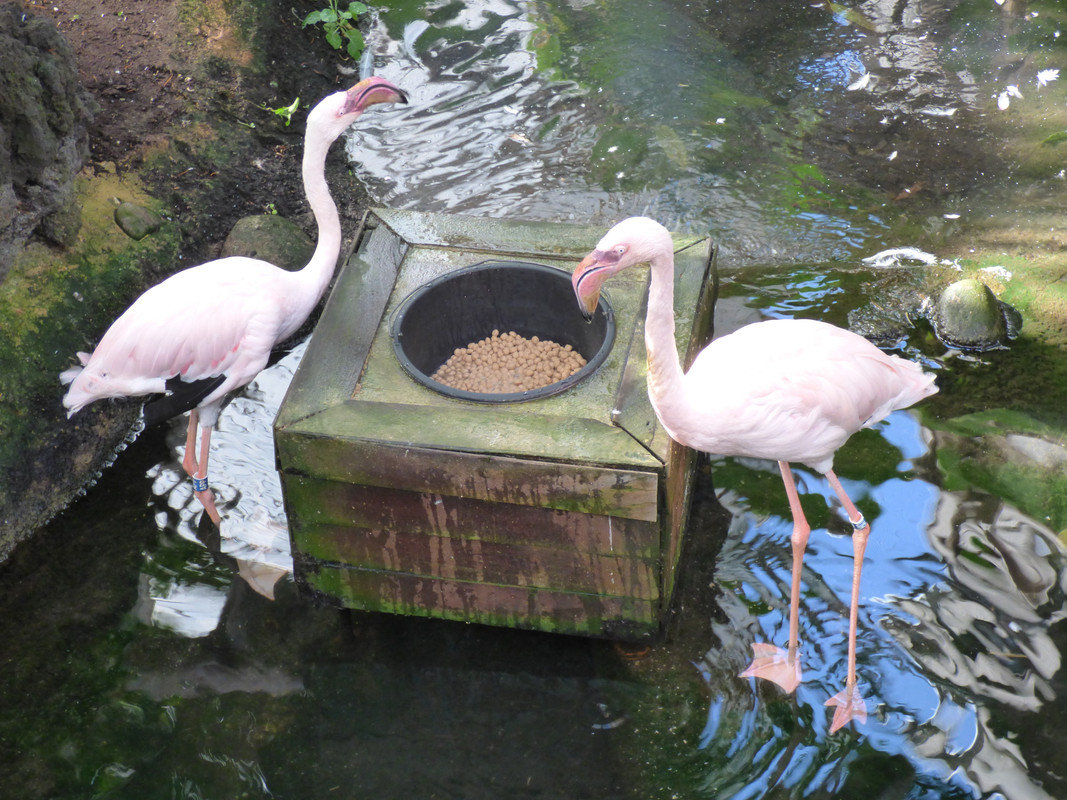
Upon arrival, I saw what I think was a new species for me despite being apparently very common if you refer to zootierliste : the dwarf flamingo.
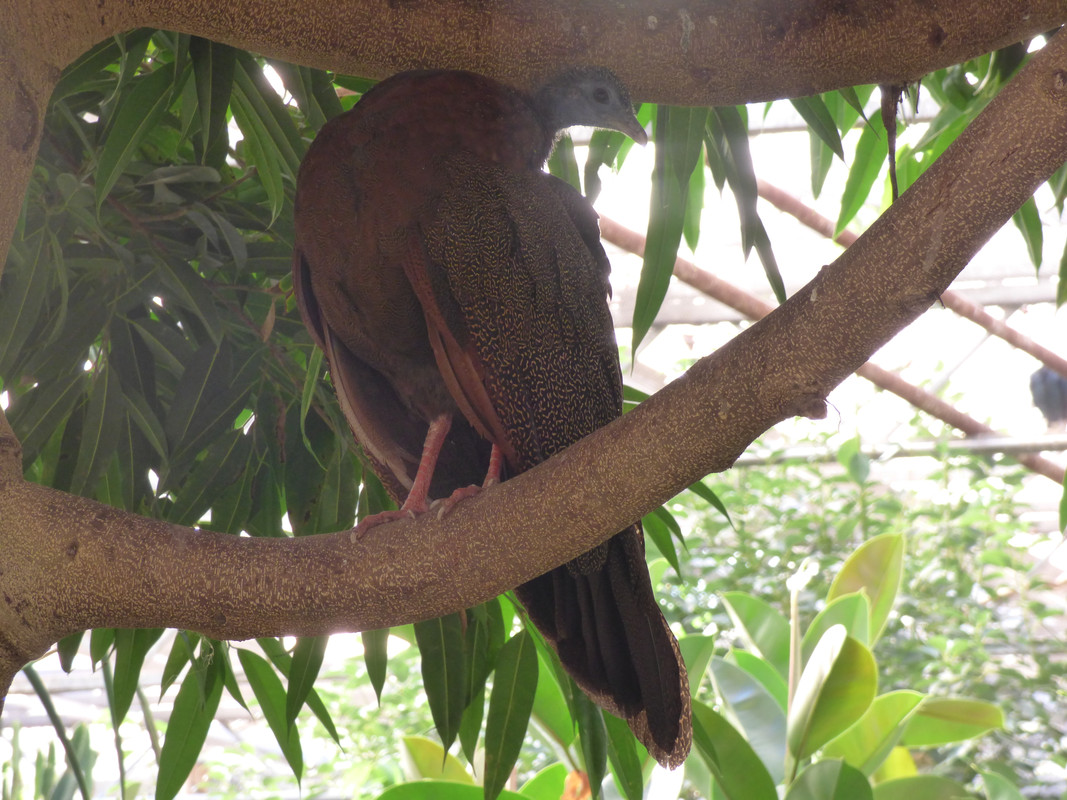
We also found, after looking for it in the vegetation for quite a while, the great argus that I had missed in the menagerie during my last visit.
But these were only minor checks on the list and we soon had one more disappointment as far as the « main targets » are concerned.
Just next to the small cloud rat enclosure, was the large « aviary » the cuscus shares with a couple of mouse-deers. Only the later were visible and, despite not being a so common critter and definitely an interesting one to see again, I was there for the cuscus. My friend Isidro had told me that he had never managed to see it depite several passages so I was expecting it to be one of the main « Grails » that would be last to be checked. Nevertheless, I was still a bit disappointed and started to worry a bit, especially after missing the macaws which were actually not supposed to resist.
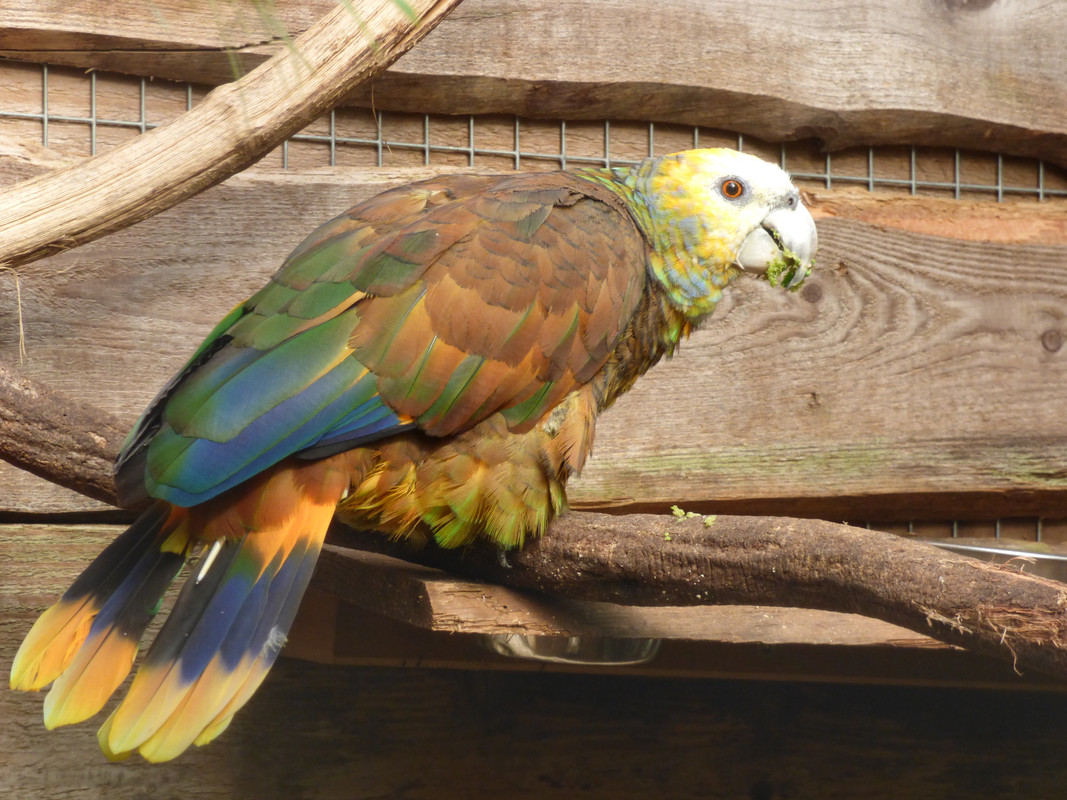
I then quickly comfort myself with the amazons but these were primarily Isidro’s wished species which I just didn’t know before he told me about them and I would have gladly exchanged both these parrots for the cuscus. The fence prevented me to take fully satisfying pictures but I still got decent ones to make my friend jealous. Here is the Sainte-Lucie species, while I deleted my Saint-Vincent’s pics because I took much better ones on the second day that you’ll see later :
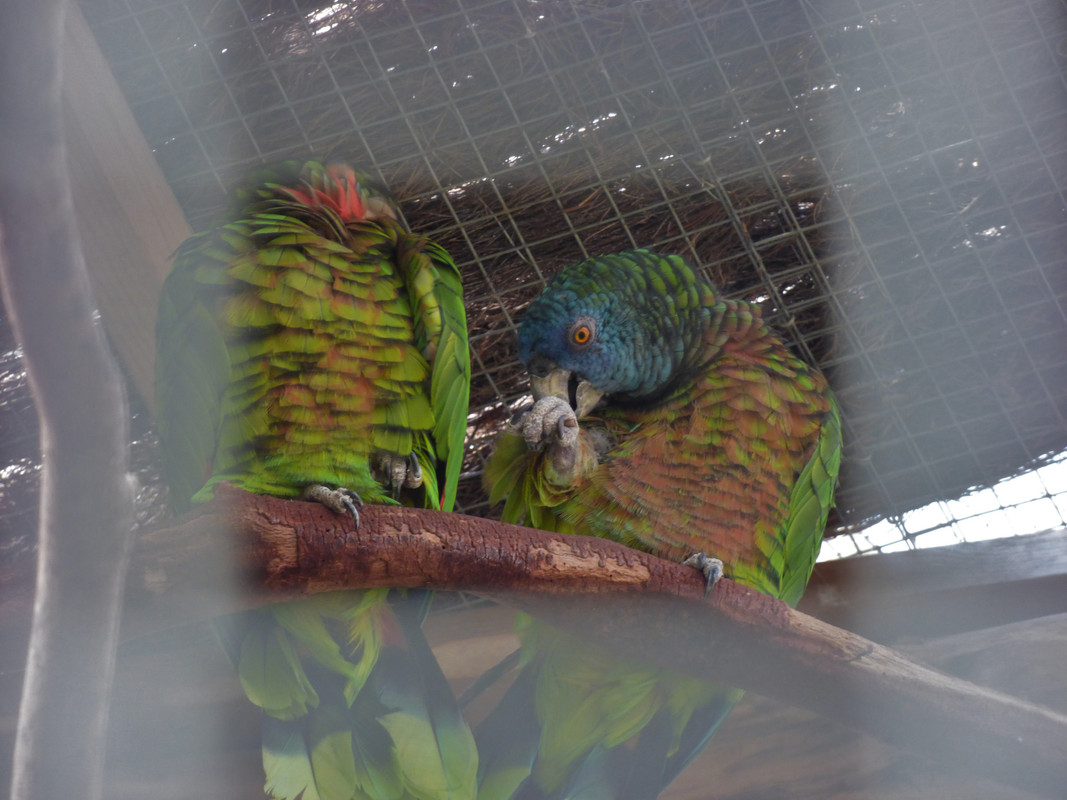
Despite not being familiar with these species, I have to admit that they both look very different from usual amazons and are very beautiful birds so not such « freak » checks but rather something normie Ben (well, as compared to Isidro) can definitely enjoy !
The rest of the greenhouse was more anecdotal : hornbills and parrots of several species, including the quite unusual Pesquet’s parrot I had already met in Beauval and that, in addition to bearing the same name as our famous national French Neil Amstrong, has a very unique look...
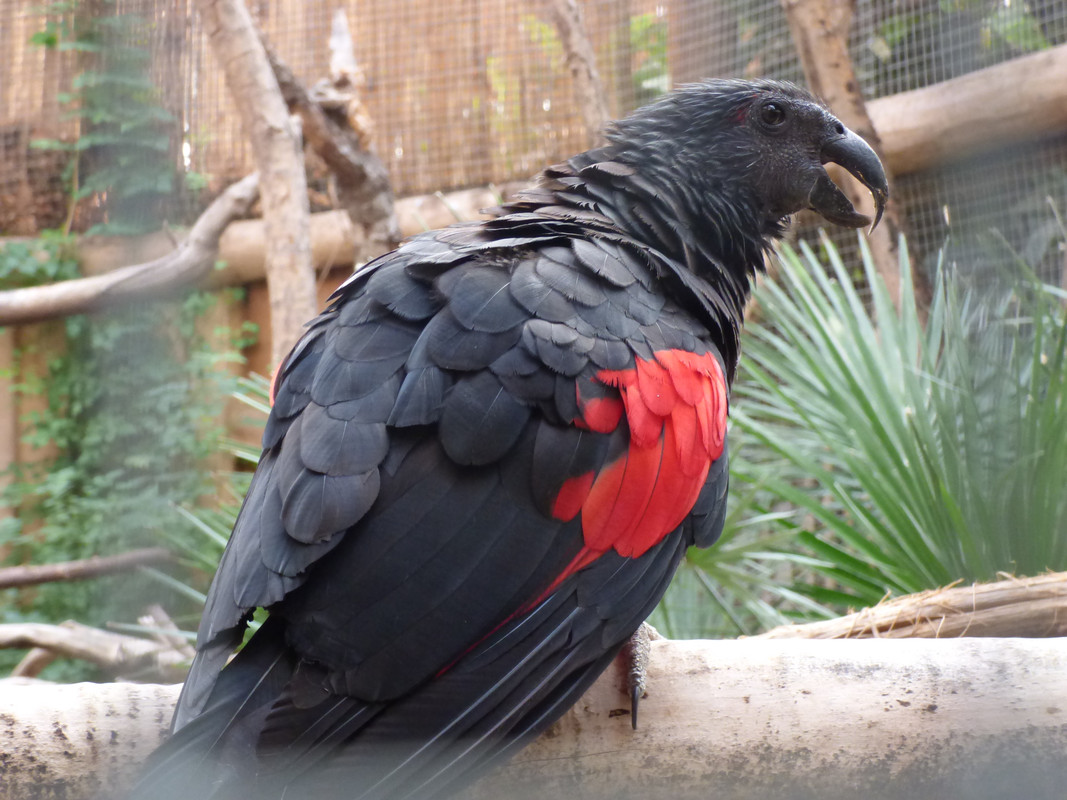
...a toucan, an armadillo which was sleeping, meerkats and mangooses, prarie dogs etc...
The sugar glider was a notable enjoyable sighting for my father who had never seen it but the hummingbirds were one more « cold water » for me as their aviary was being renovated and they were not currently visible either… Fortunately, I had already seen a hummingbird in London, not sure it was the same species though.
The exit of the greenhouse looked out over the dromedary small enclosure which my uncle seemed fascinated by (we clearly didn’t have the same focus haha).
We let him take shots and videos of them and headed directly to the Chinese area, skipping the « Cambron by sea » place with the aquarium-castle that we planned to do on the second day if we still had time to.
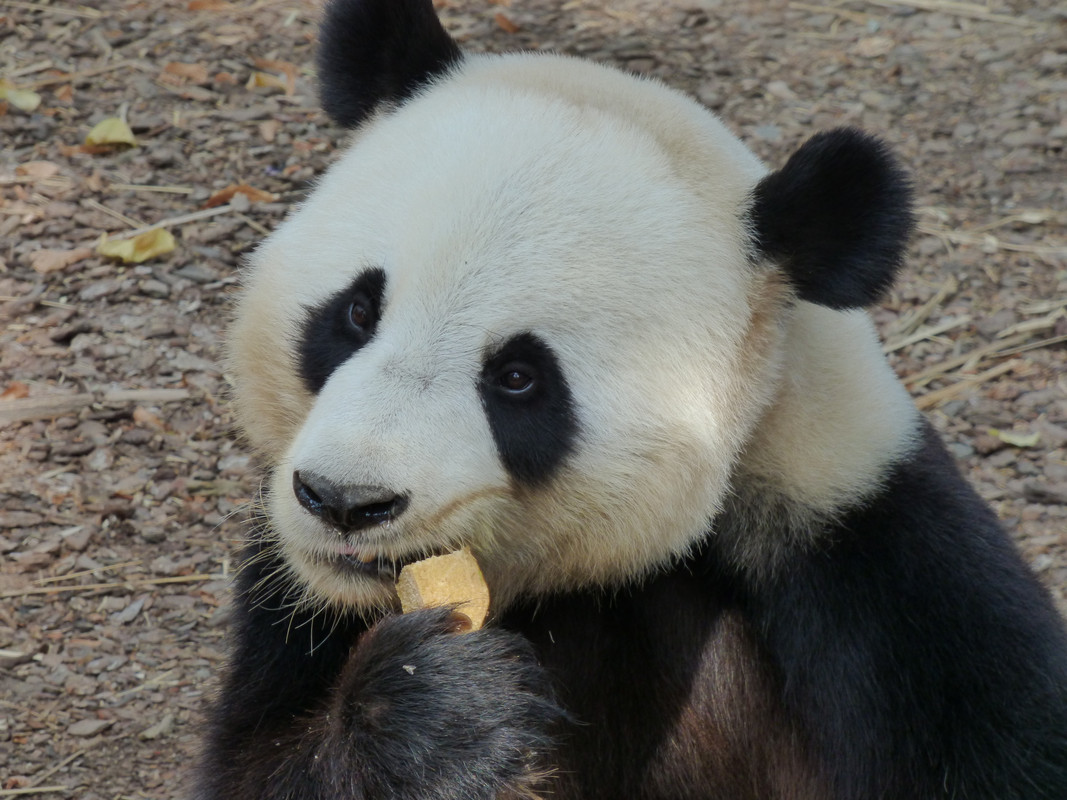
A path surrounded by enclosures on both sides led to Tropicalia, the second greenhouse dedicated to birds of paradise. The enclosure on the left kept a giant panda separated from the other ones for a reason I ignore (I think I remember reading that it was the first born of the main pair and that, being fully grown, it was waiting there to go back to China). However, it was nowhere to be found but never mind because I was way more interested in the inhabitants of the enclosure located on the right.
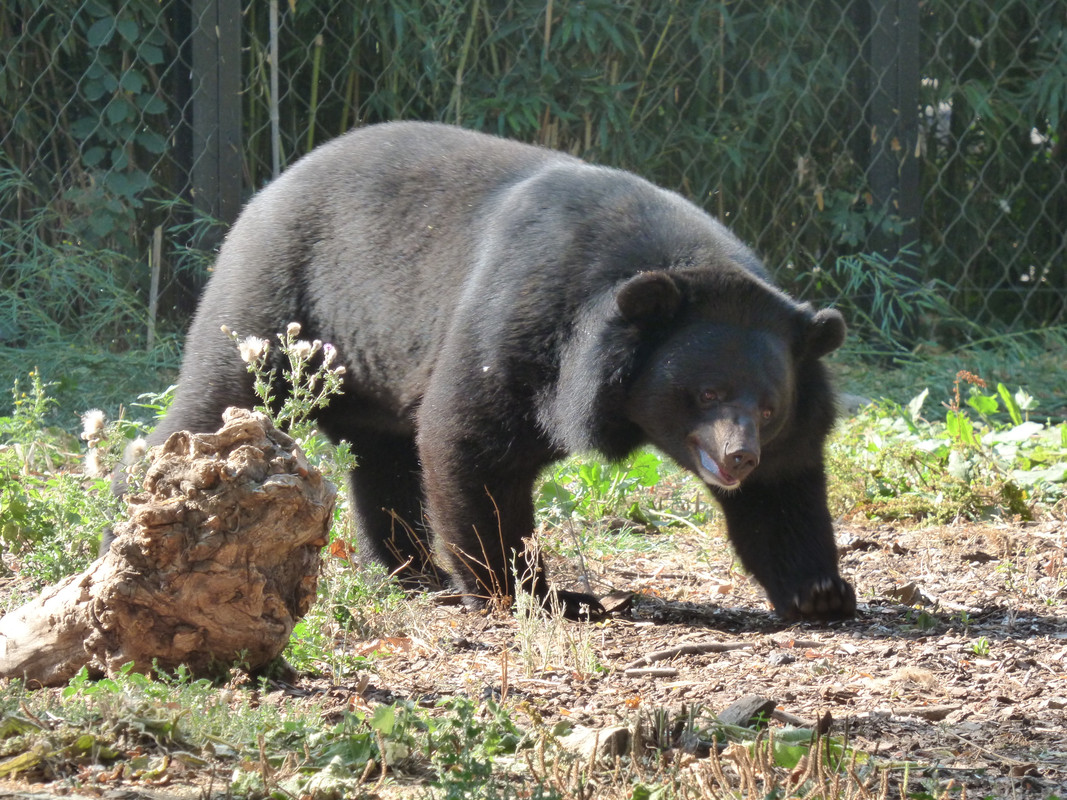
Not a huge rarity actually but a major species I had never seen : the Asiatic black beer or moon bear. Two individuals were playing to fight each other, rising on their back feet to look impressive and rubbing at tree trunks like real Baloos (although Baloo is a sloth and not a moon bear), that was truly an enjoyable view and the first fully satisfying check on my list. Unfortunately, I didn’t take pics nor videos at the most interesting moments since I was primarily enjoying the scene rather than being focused on the use of my camera so I only got that :
Before Tropicalia was a huge aviary where many wading birds (flamingoes, spoonbills, ibis etc...) were free to fly. Nothing very new so we kept focused on the bears whose enclosure was on the over side of the net.
Tropicalia, much smaller than the Oasis, is just after this aviary as I already said and despite hosting several species of exotic birds, its main focus is definitely birds-of-paradise with three species represented.
These were a major check on my list because they are very iconic and « ABC » birds among the crowd of indistinctive tropical passerines I don’t know much about.
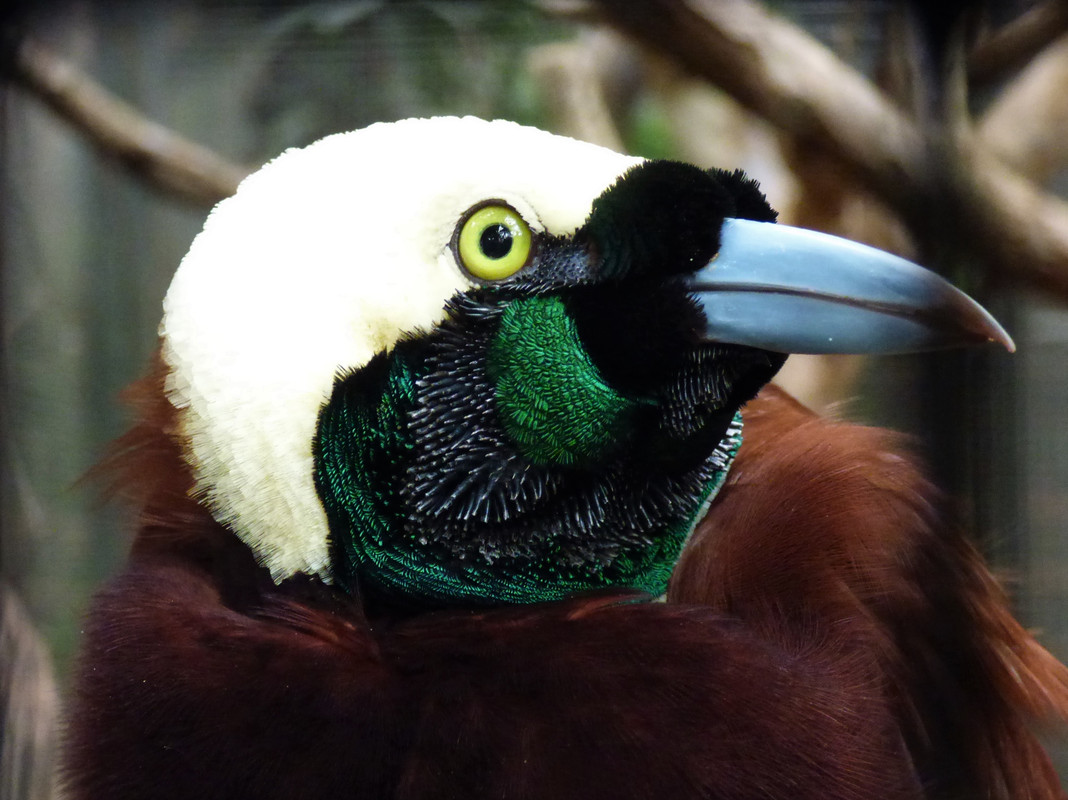
A greater male locked in a cage got all our attention at first, before we realized that several others were in free flight above our heads. That prisoner was very curious and came close to greet us, I took a beautiful portrait of him.
In the background, inside a cage not accessible to visitors, I spotted a green araçari, a small toucan I also wanted to see since the Youtuber Max Bird had made me discover it.
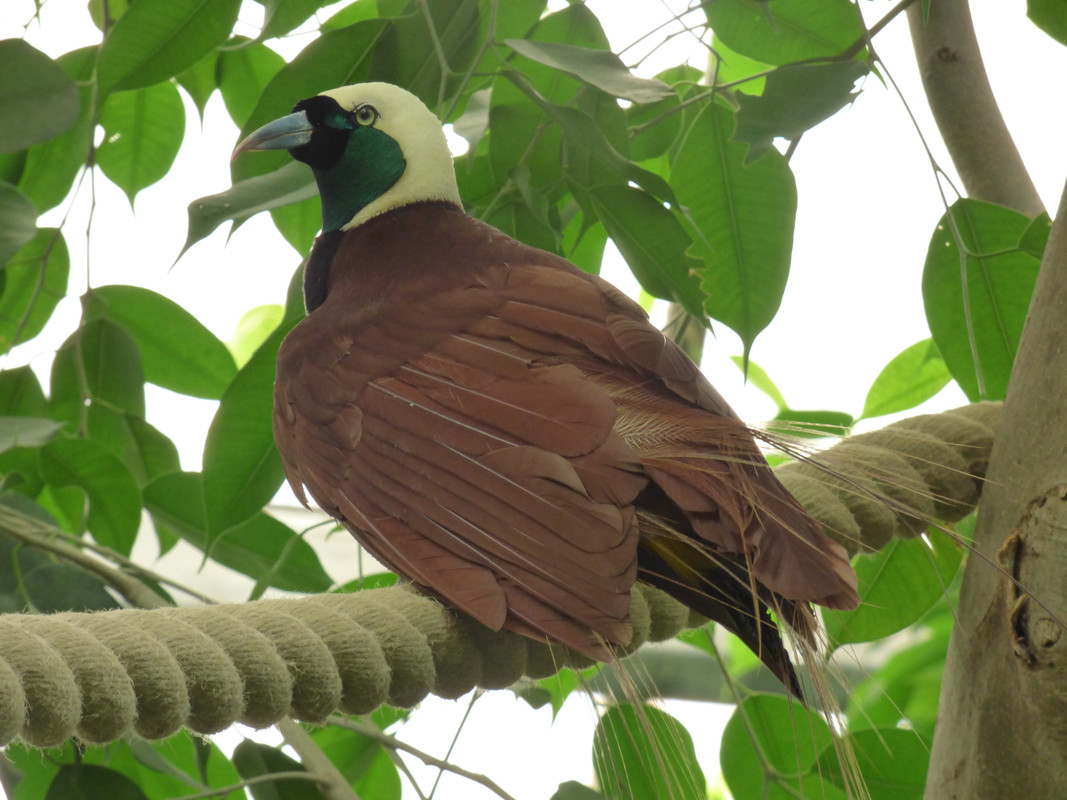
The free birds-of-paradise then gave me the opportunity to shoot their full body.
I was suddenly called by my father who had already reached the other extremity of the greenhouse because a lesser bird-of-paradise (another, smaller but physically quite identical species) was parading in a cage. I was lucky and managed to take a picture with its beautiful feathers fully spread as well as a video for my uncle who likes to make movies of our zoo visits.
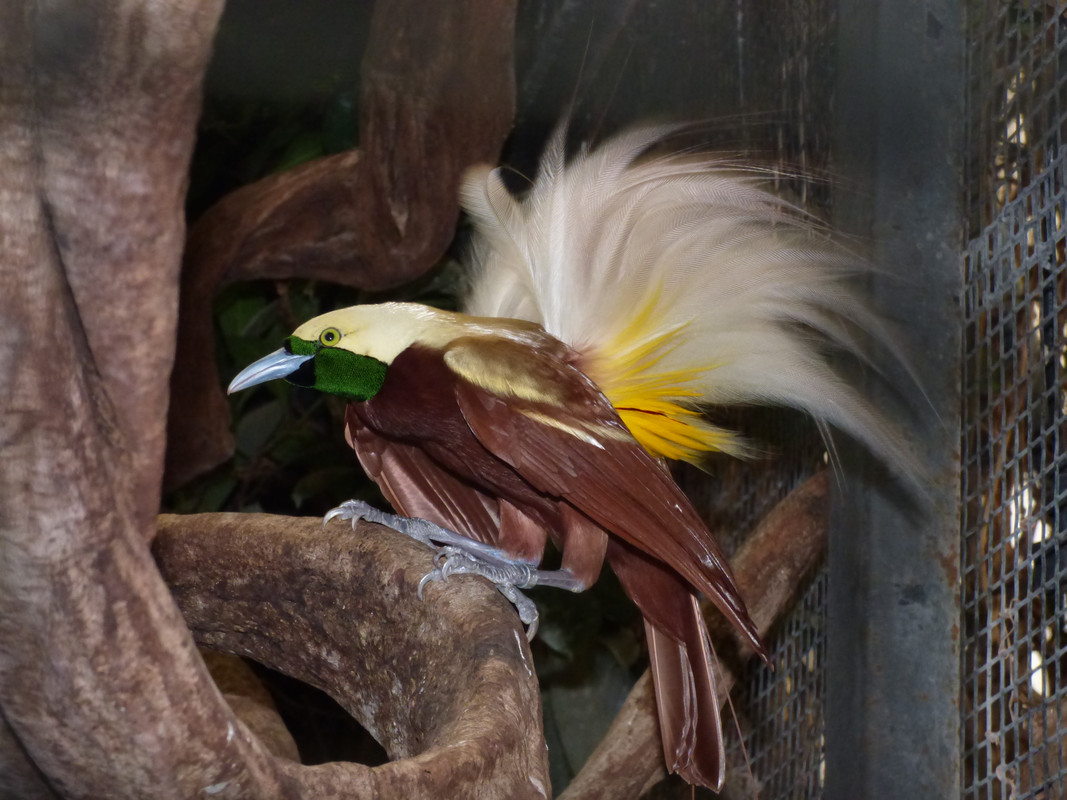
Our discussion about why some birds had very developped feathers while others didn’t, attracted a young guy with a big camera who explained us that the feathers fell and then grew again periodically and that it had nothing to do with plumage changes based on seasons like birds of our temperate latitudes. We got on well with each other and chatted as zoological freaks for a while, my father trying to follow the conversation as he could. He taught me that he lived close to the zoo, had a subscription to it and spent most of his free time here, birds being his main focus. He was also familiar with Max Bird’s videos and I learnt from him that araçaris used to be in free flight in the Oasis but were removed for an unknown reason so I was lucky to have seen one. He also showed me a third bird-of-paradise species I had not noticed, the magnificent bird-of-paradise, much smaller and less impressive than the two others but also apparently even rarer. He also made me notice that the lesser dude was not parading « for free » and I saw thanks to him what seemed to be the only female in the greenhouse, hidden in the shadows of the very dark cage and despite not as colourful as her mate, still much over-average as far as passerine beauty is concerned. However, when I showed him my « homemade » map with all the animals I wanted to see, I received new cold water…
I asked him about the location of the roadrunner and he told me those had been replaced by kookaburas three months ago…
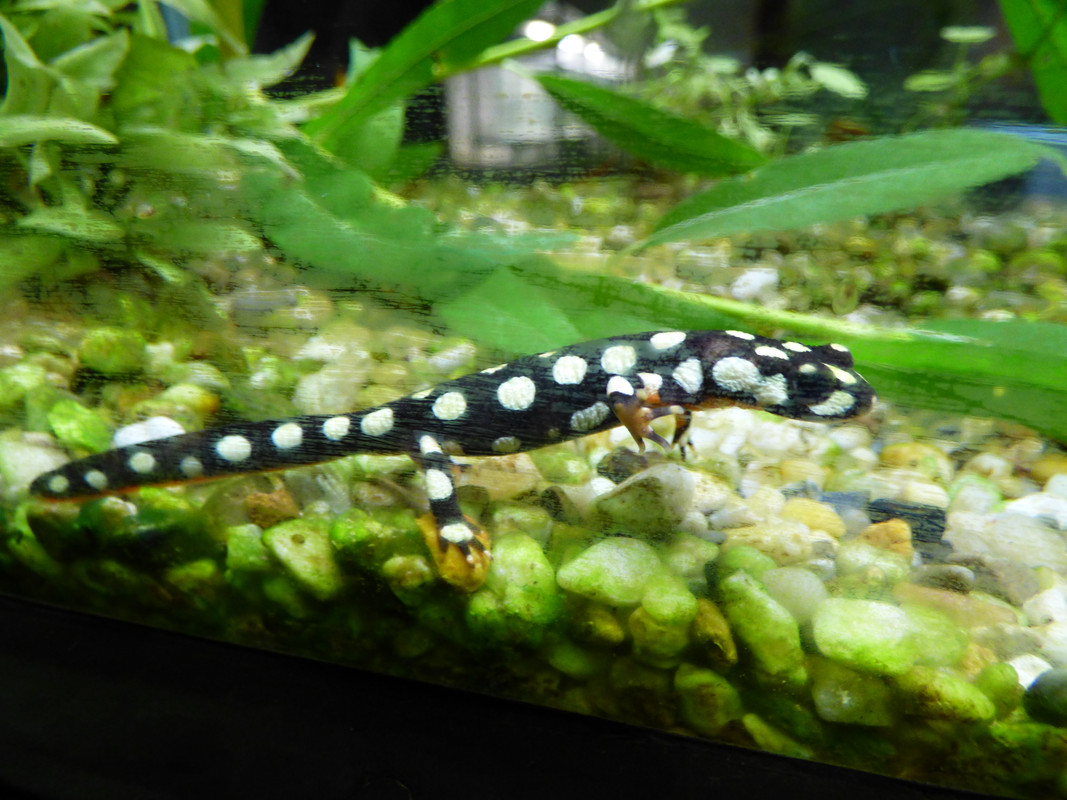
I mentionned the giant salamanders and he taught me that they had been replaced too, by gharials this time…
I could live without roadrunners and salamanders but the answer to my third question was the coup de grâce !
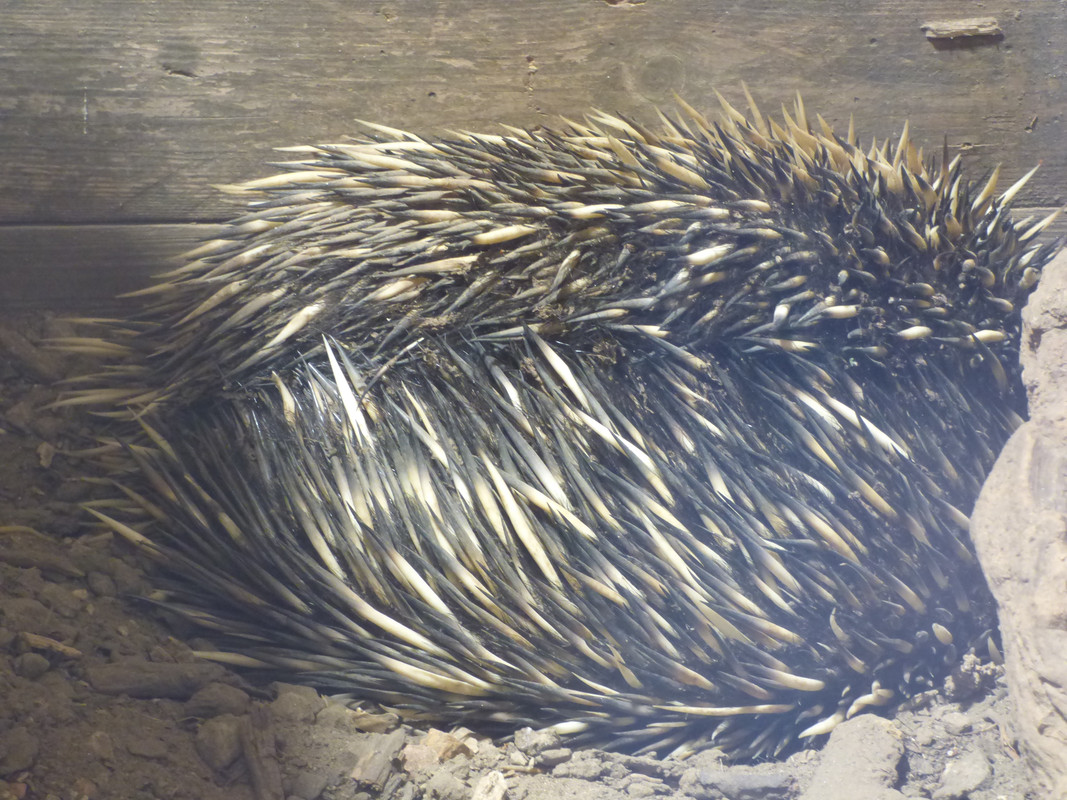
I questionned him about the echidna and he said that he thought it was not here anymore either !!!
Indeed, echidnas used to live inside the koalas’ house but after all the koalas died one after another, the house was closed until a new individual arrived to replace the deceased ones. But the informative board about the echidna had disappeared in the meantime, so it was likely, according to him, that the species was not kept in Pairi Daiza anymore !
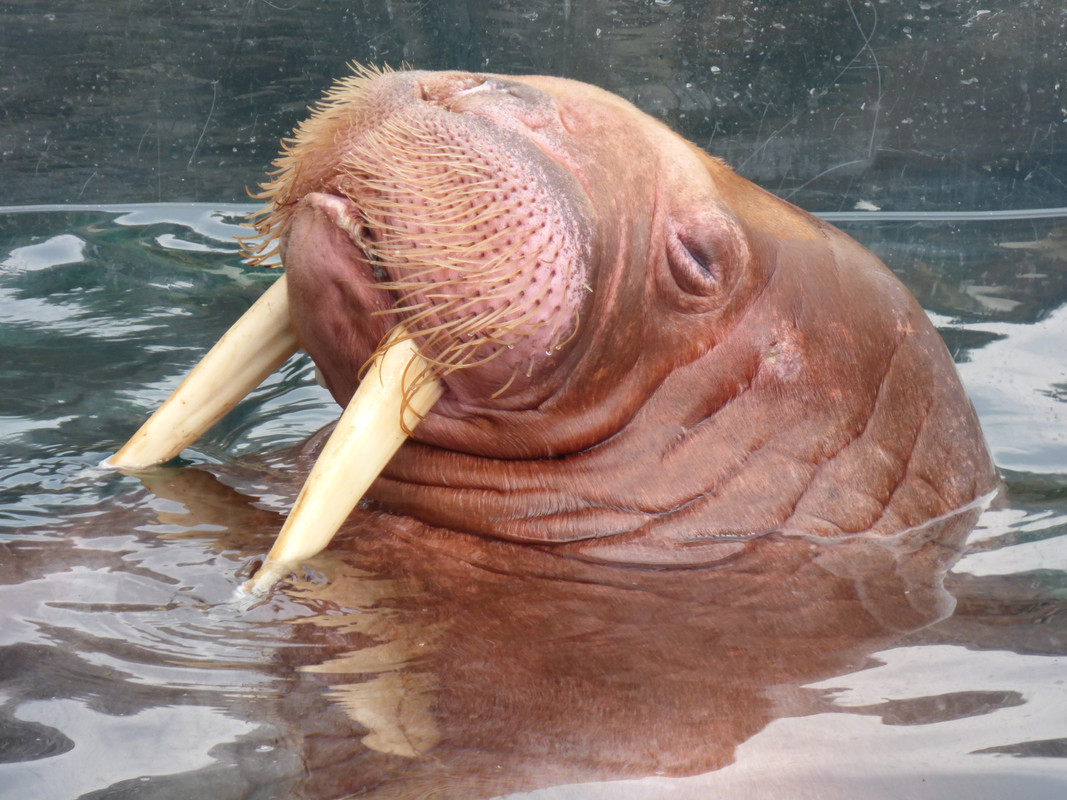
The echidna was easily ranked on the podium along wombat and walrus, maybe even first as I was still monotreme-virgin !
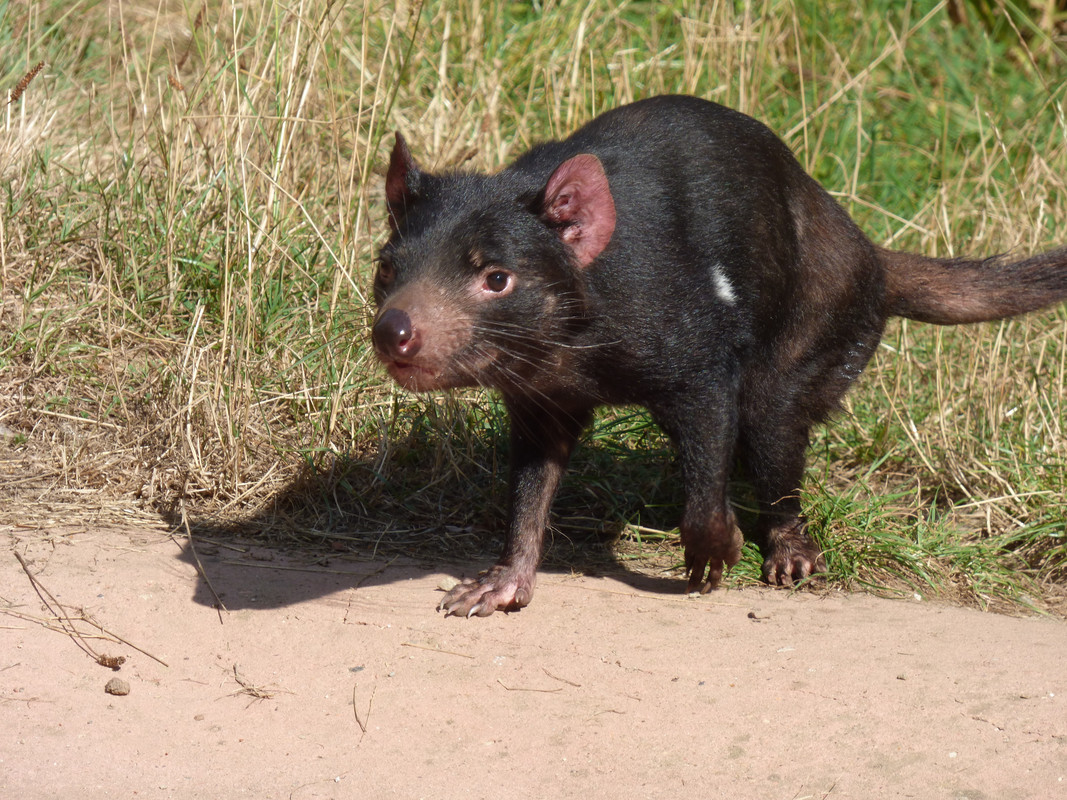
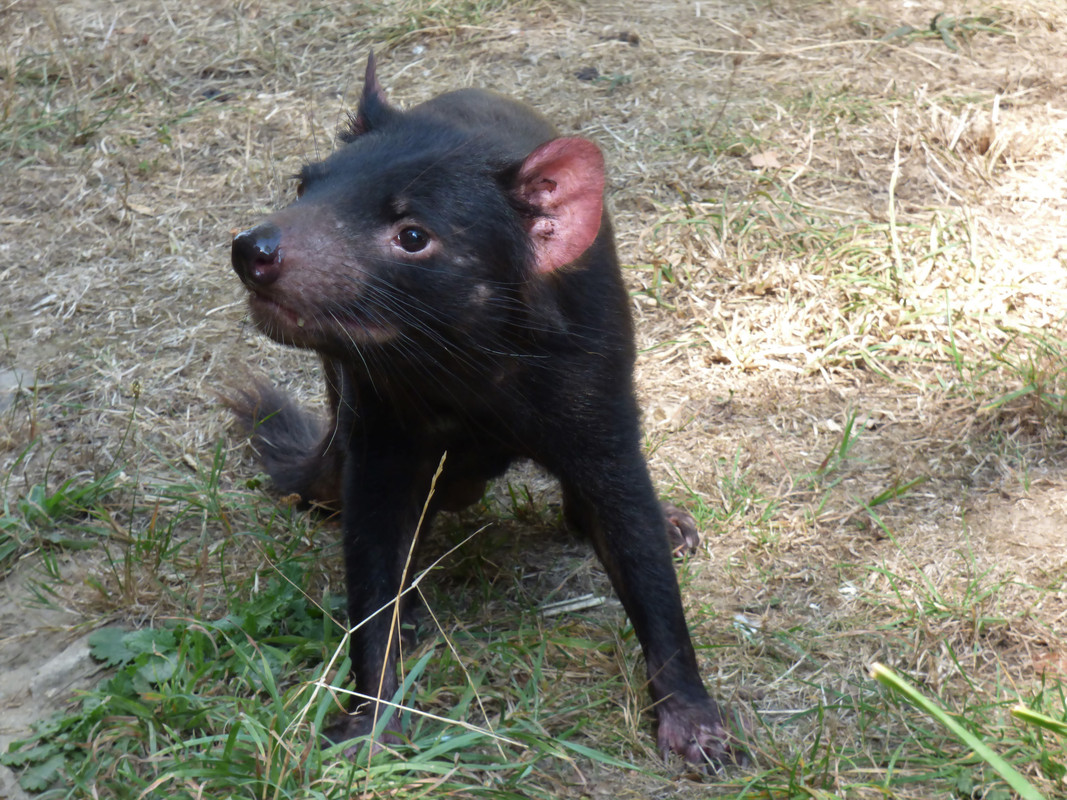
But I had a back up plan in the worst scenario as I had seen that another much smaller zoo kept, against all odds, another egg-laying hedgehog not far from Brussels in the Flemish city of Mechelen. Indeed, Belgium is certainly the country in Europe with the highest concentration of rare Australian species as this zoo, not content with having an echidna, also presented a Tasmanian devil, a koala and a tree kangaroo !
I told my father that I was ready to pay the tickets for everyone but that I didn’t intend to leave Belgium without my echidna !
I visited Pairi Daiza with my father and uncle one month ago and wrote a detailed report for friends that can be shared here too, especially as the guy who made me discover that forum is one of the persons this review was initially addressed to (the member Kakapo which I refer to as "Isidro" in the text).
This is actually my first post here, I've visited a fair number of zoos but mostly in France, and I'm now moving on to the vaster European scale, maybe this forum can be useful to my future visits.
Please, be aware that this is a very relaxed tale that I'm telling here, I've already read highly professional reviews of zoo visits with detailed descriptions of the enclosures and exhaustive inventory of obscure species but mine is not of that kind, I'm just giving my personal experience here and wrote it as a little story to follow with no intention of making a serious analysis.
Day 1
We had planned to arrive as soon as the park opens, so at 9:30 am, but the first day didn’t start so perfectly and my uncle, who is a bit odd, had simply disappeared so we had to look for him and even ask the receptionist to look on security cameras in order to locate him ! Moreover, he is old and slow and, as it was once more proven, has a bad habit of disappearing to wander around so, considering the size of the zoo, we had to be able to contact him in case we lose him during the visit. Unfortunately, none of our drug dealer phones (my dad and uncle both have the same basic non-smartphone device as me) was able to call in Belgium so we normally would have have had to buy prepaid cards to do so but when he finally popped up at 9:30, disappointed not to have found somewhere to take his breakfast (while the hotel was offering it and my father had actually paid for that…), we had no time left for the phone cards and left directly for the zoo.
Walking from the car park to the entrance, it was as late as almost 10:30. But the good thing was that, despite I read on the internet that Pairi Daiza welcomed as many visitors as Beauval per year (2 millions), there was definitely no crowd and we didn’t have to wait for the tickets. Actually, a new colossal entrance is being built and we saw the construction site.
For now, the current entry just looked like that of any big zoo, with only maybe like 8 counters or so, I guess it’s not very convenient on peak days but it also shows that this zoo is in fact maybe not as excessive as Beauval. Of course, there are these security gates with scanners to pass that my friend Isidro seemed to make a big deal about. But they are definitely not comparable to airport ones as he said, they don’t ask you to undo your belt or so, this is actually very discreet.
The very first animal to be presented was probably the biggest rarity in the whole zoo and maybe of all zoos in the world. But the day started bad and we just didn’t see the Spix’s despite looking at every corner of their aviaries. The Lear’s were here though, but being definitely less aesthetically distinctive, I was not as much interested in them.
We didn’t stay to wait for the Spix’s to appear as we had so many things to see in so little time (I wanted every rarity on the check list to be seen on the first day so that I can enjoy a more relax second day) and I was the one guiding the group so I decided to head directly to the Oasis which was supposed to include at least five rarities from what I had studied : the bear cuscus, the two Saint-Vincent and Sainte-Lucie amazons, the Amazilia hummingbird and, possibly, the greater roadrunner which I was not sure of the exact location. Several hornbill species were also kept there and my uncle is fond of hornbills.
That greenhouse reminded me of Beauval’s small original one (they have built another humongous dome since then) which is located at the entrance too and that is a reminder of the origin of the zoo as a humble bird park. Pairi Daiza actually started like Beauval as an ornithological garden and it was funny to see that both biggest private zoological war machines in Western Europe once shared similar embryo forms.
Upon arrival, I saw what I think was a new species for me despite being apparently very common if you refer to zootierliste : the dwarf flamingo.
We also found, after looking for it in the vegetation for quite a while, the great argus that I had missed in the menagerie during my last visit.
But these were only minor checks on the list and we soon had one more disappointment as far as the « main targets » are concerned.
Just next to the small cloud rat enclosure, was the large « aviary » the cuscus shares with a couple of mouse-deers. Only the later were visible and, despite not being a so common critter and definitely an interesting one to see again, I was there for the cuscus. My friend Isidro had told me that he had never managed to see it depite several passages so I was expecting it to be one of the main « Grails » that would be last to be checked. Nevertheless, I was still a bit disappointed and started to worry a bit, especially after missing the macaws which were actually not supposed to resist.
I then quickly comfort myself with the amazons but these were primarily Isidro’s wished species which I just didn’t know before he told me about them and I would have gladly exchanged both these parrots for the cuscus. The fence prevented me to take fully satisfying pictures but I still got decent ones to make my friend jealous. Here is the Sainte-Lucie species, while I deleted my Saint-Vincent’s pics because I took much better ones on the second day that you’ll see later :
Despite not being familiar with these species, I have to admit that they both look very different from usual amazons and are very beautiful birds so not such « freak » checks but rather something normie Ben (well, as compared to Isidro) can definitely enjoy !
The rest of the greenhouse was more anecdotal : hornbills and parrots of several species, including the quite unusual Pesquet’s parrot I had already met in Beauval and that, in addition to bearing the same name as our famous national French Neil Amstrong, has a very unique look...
...a toucan, an armadillo which was sleeping, meerkats and mangooses, prarie dogs etc...
The sugar glider was a notable enjoyable sighting for my father who had never seen it but the hummingbirds were one more « cold water » for me as their aviary was being renovated and they were not currently visible either… Fortunately, I had already seen a hummingbird in London, not sure it was the same species though.
The exit of the greenhouse looked out over the dromedary small enclosure which my uncle seemed fascinated by (we clearly didn’t have the same focus haha).
We let him take shots and videos of them and headed directly to the Chinese area, skipping the « Cambron by sea » place with the aquarium-castle that we planned to do on the second day if we still had time to.
A path surrounded by enclosures on both sides led to Tropicalia, the second greenhouse dedicated to birds of paradise. The enclosure on the left kept a giant panda separated from the other ones for a reason I ignore (I think I remember reading that it was the first born of the main pair and that, being fully grown, it was waiting there to go back to China). However, it was nowhere to be found but never mind because I was way more interested in the inhabitants of the enclosure located on the right.
Not a huge rarity actually but a major species I had never seen : the Asiatic black beer or moon bear. Two individuals were playing to fight each other, rising on their back feet to look impressive and rubbing at tree trunks like real Baloos (although Baloo is a sloth and not a moon bear), that was truly an enjoyable view and the first fully satisfying check on my list. Unfortunately, I didn’t take pics nor videos at the most interesting moments since I was primarily enjoying the scene rather than being focused on the use of my camera so I only got that :
Before Tropicalia was a huge aviary where many wading birds (flamingoes, spoonbills, ibis etc...) were free to fly. Nothing very new so we kept focused on the bears whose enclosure was on the over side of the net.
Tropicalia, much smaller than the Oasis, is just after this aviary as I already said and despite hosting several species of exotic birds, its main focus is definitely birds-of-paradise with three species represented.
These were a major check on my list because they are very iconic and « ABC » birds among the crowd of indistinctive tropical passerines I don’t know much about.
A greater male locked in a cage got all our attention at first, before we realized that several others were in free flight above our heads. That prisoner was very curious and came close to greet us, I took a beautiful portrait of him.
In the background, inside a cage not accessible to visitors, I spotted a green araçari, a small toucan I also wanted to see since the Youtuber Max Bird had made me discover it.
The free birds-of-paradise then gave me the opportunity to shoot their full body.
I was suddenly called by my father who had already reached the other extremity of the greenhouse because a lesser bird-of-paradise (another, smaller but physically quite identical species) was parading in a cage. I was lucky and managed to take a picture with its beautiful feathers fully spread as well as a video for my uncle who likes to make movies of our zoo visits.
Our discussion about why some birds had very developped feathers while others didn’t, attracted a young guy with a big camera who explained us that the feathers fell and then grew again periodically and that it had nothing to do with plumage changes based on seasons like birds of our temperate latitudes. We got on well with each other and chatted as zoological freaks for a while, my father trying to follow the conversation as he could. He taught me that he lived close to the zoo, had a subscription to it and spent most of his free time here, birds being his main focus. He was also familiar with Max Bird’s videos and I learnt from him that araçaris used to be in free flight in the Oasis but were removed for an unknown reason so I was lucky to have seen one. He also showed me a third bird-of-paradise species I had not noticed, the magnificent bird-of-paradise, much smaller and less impressive than the two others but also apparently even rarer. He also made me notice that the lesser dude was not parading « for free » and I saw thanks to him what seemed to be the only female in the greenhouse, hidden in the shadows of the very dark cage and despite not as colourful as her mate, still much over-average as far as passerine beauty is concerned. However, when I showed him my « homemade » map with all the animals I wanted to see, I received new cold water…
I asked him about the location of the roadrunner and he told me those had been replaced by kookaburas three months ago…
I mentionned the giant salamanders and he taught me that they had been replaced too, by gharials this time…
I could live without roadrunners and salamanders but the answer to my third question was the coup de grâce !
I questionned him about the echidna and he said that he thought it was not here anymore either !!!
Indeed, echidnas used to live inside the koalas’ house but after all the koalas died one after another, the house was closed until a new individual arrived to replace the deceased ones. But the informative board about the echidna had disappeared in the meantime, so it was likely, according to him, that the species was not kept in Pairi Daiza anymore !
The echidna was easily ranked on the podium along wombat and walrus, maybe even first as I was still monotreme-virgin !
But I had a back up plan in the worst scenario as I had seen that another much smaller zoo kept, against all odds, another egg-laying hedgehog not far from Brussels in the Flemish city of Mechelen. Indeed, Belgium is certainly the country in Europe with the highest concentration of rare Australian species as this zoo, not content with having an echidna, also presented a Tasmanian devil, a koala and a tree kangaroo !
I told my father that I was ready to pay the tickets for everyone but that I didn’t intend to leave Belgium without my echidna !
Last edited by a moderator:


 when you post the next segment, if the problem re-occurs let me know and I will repair the post again.