Paradise Valley Springs Paradise Valley Springs Review/Species List (February 2025)

Zoofan15

Well-Known Member
10+ year member
Paradise Valley Springs Review/Species List (February 2025)

Introduction

I visited Paradise Valley Springs on 05/02/2025, which was my first visit in five years. Prior to that, I visited for three times as a child in the early 2000’s.

Paradise Valley Springs is located 15 minutes outside the city of Rotorua and first opened to the public as a trout springs in 1939. The park was purchased from the original owners in 1975 and over the 50 years that followed, several bird and mammal species have been added.

Admission cost is $38.00 for an adult, which currently compares to New Zealand’s main zoos as follows: Auckland Zoo ($35.00); Hamilton Zoo ($26.00); Wellington Zoo ($24.00); and Orana Wildlife Park ($39.50).

This review will include an overview of the park (including photos); as well as information on the park’s history; my thoughts of the park; and a complete species list.

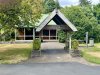
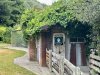
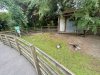
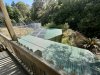
Entrance Building:

upload_2025-2-11_10-12-5.jpeg

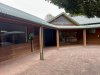
Cafe/Office Building:
upload_2025-2-11_10-12-46.jpeg
 

Attachments

  • upload_2025-2-11_10-12-5.jpeg
    upload_2025-2-11_10-12-5.jpeg
    271.1 KB · Views: 40
  • upload_2025-2-11_10-12-46.jpeg
    upload_2025-2-11_10-12-46.jpeg
    176 KB · Views: 38
Main Park (Part 1)

Upon entering the park, there’s two routes to take. To the left is the Lion Park; while straight ahead is the Main Park, which includes New Zealand native species, the trout pools and the domestic animals. While the Lion Park can accomodate large crowds of people without issue; sections of Main Park can become congested with a fraction of the number of people, so I decided to take advantage of getting there early and explore the Main Park first.

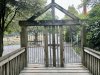
Entrance to Main Park:

upload_2025-2-11_10-27-7.jpeg

Ngongotahā Stream:

upload_2025-2-11_10-27-32.jpeg

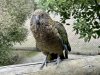
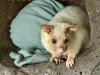
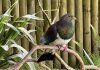
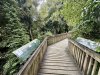
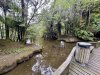
A wooden bridge leads into the Main Park over the Ngongotahā Stream. This stream winds through the park and is inhabited by numerous wild trout. To the left is the lion cub nursery, which I will discuss later; with the next exhibit being the walkthrough Kea aviary. The aviary was an adequate size and while the exterior and double door system looked dated, the interior was well presented. I saw one Kea on my visit. Within the aviary is a seperate exhibit for Brushtail possum. I saw one possum (a notably unusual golden colour); with a moving blanket next to it indicating there was a second possum in the exhibit. The possum was awake, but was curled up asleep when I walked past the next time.

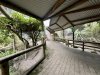
Kea aviary:

upload_2025-2-11_10-29-41.jpeg

Kea aviary:

upload_2025-2-11_10-30-15.jpeg

Kea:

upload_2025-2-11_10-30-56.jpeg

Brushtail possum exhibit:

upload_2025-2-11_10-32-49.jpeg

Brushtail possum:

upload_2025-2-11_10-33-20.jpeg

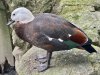
An adjoining aviary (non-walk through) had New Zealand wood pigeon and Red-crowded parakeet signed, but I didn’t see any of the latter. I saw three New Zealand wood pigeon on the branches and a Grey teal and a female Paradise shelduck on the ground.

New Zealand wood pigeon/Red-crowned parakeet aviary:

upload_2025-2-11_10-34-47.jpeg

New Zealand wood pigeon:

upload_2025-2-11_10-35-25.jpeg

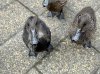
At that point, I found myself surrounded by a large brood of ducklings, which were free-range residents of the park. They were extremely friendly, no doubt in anticipation of food (the park sells bags of food you can feed to the domestic animals), which was a reoccurring trait across many species.

Ducklings:

upload_2025-2-11_10-36-9.jpeg
 

Attachments

  • upload_2025-2-11_10-27-7.jpeg
    upload_2025-2-11_10-27-7.jpeg
    314.2 KB · Views: 39
  • upload_2025-2-11_10-27-32.jpeg
    upload_2025-2-11_10-27-32.jpeg
    369.5 KB · Views: 44
  • upload_2025-2-11_10-29-41.jpeg
    upload_2025-2-11_10-29-41.jpeg
    292.7 KB · Views: 38
  • upload_2025-2-11_10-30-15.jpeg
    upload_2025-2-11_10-30-15.jpeg
    241.1 KB · Views: 38
  • upload_2025-2-11_10-30-56.jpeg
    upload_2025-2-11_10-30-56.jpeg
    199.7 KB · Views: 37
  • upload_2025-2-11_10-32-49.jpeg
    upload_2025-2-11_10-32-49.jpeg
    254.1 KB · Views: 37
  • upload_2025-2-11_10-33-20.jpeg
    upload_2025-2-11_10-33-20.jpeg
    162.9 KB · Views: 44
  • upload_2025-2-11_10-34-47.jpeg
    upload_2025-2-11_10-34-47.jpeg
    242.7 KB · Views: 38
  • upload_2025-2-11_10-35-25.jpeg
    upload_2025-2-11_10-35-25.jpeg
    192.8 KB · Views: 35
  • upload_2025-2-11_10-36-9.jpeg
    upload_2025-2-11_10-36-9.jpeg
    199 KB · Views: 37
Main Park (Part 2)

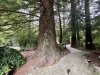
Following the New Zealand native bird aviaries was a short walk along a boardwalk through a grove of California redwood trees, the first of which was noted to have been planted in 1976. Rotorua is known for its redwoods, with a large forest of them on the other side of the city proving a popular attraction for tourists and locals alike.

California redwood:

upload_2025-2-11_11-4-18.jpeg

Emerging from the redwood grove I came across an exhibit for Captain Cooker pigs (feral New Zealand pigs). It was a reasonable size for the 1.3 adult pigs that occupied it and had various shelters and a pool the pigs were drinking from at one point. It was at this point, I almost tripped over one of the ducklings, which I realised had followed me from the Kea aviary.

New Zealand feral pig exhibit:

upload_2025-2-11_11-4-37.jpeg

New Zealand feral pig:

upload_2025-2-11_11-4-56.jpeg

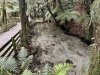
The path followed alongside the aforementioned Ngongotahā Stream and steps leading down to the water’s edge were surrounded by signage noting it was a preferred spawning and feeding site for wild trout. I indeed saw a number of them in the water. Turning around, I was greeted by the persistent ducklings, but insects amongst the ground ferns caught their attention and I continued without them from this point on.

Ngongotahā Stream (trout feeding/spawning site):

upload_2025-2-11_11-5-19.jpeg

Wild Rainbow trout:

upload_2025-2-11_11-5-39.jpeg

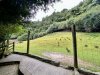
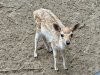
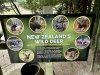
A large paddock was next on the trail, predominately housing Fallow deer. They shared their exhibit with numerous ducks and a pair of turkeys. There was one adult male Fallow deer; at least one adolescent male; a female fawn; and then what appeared to be around ten adult females. The exhibit was simple, yet spacious and I was impressed by the signage which included a illustrated overview of the seven deer species found throughout New Zealand; acknowledging a possible eighth if Moose still survive in Fiordland (extremely unlikely in my opinion). A further education shelter featured additional signage and a sound wheel kids can press to hear the different species of deer.

Fallow deer exhibit:

upload_2025-2-11_11-6-0.jpeg

Fallow deer fawn:

upload_2025-2-11_11-6-15.jpeg

New Zealand deer species:

upload_2025-2-11_11-6-30.jpeg

Deer education shelter:

upload_2025-2-11_11-6-46.jpeg

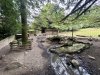
Adjoining the Fallow deer paddock was a smaller paddock housing Himalayan tahr. They were nowhere in sight, but a feeding station stocked with fresh hay indicated there was something in there and on a repeat trip back to the exhibit, I saw one tahr standing up at the back of the exhibit, barely distinguishable against the shade provided by the overhanging trees.

Himalayan tahr exhibit:

upload_2025-2-11_11-3-58.jpeg
 

Attachments

  • upload_2025-2-11_11-3-58.jpeg
    upload_2025-2-11_11-3-58.jpeg
    286.4 KB · Views: 39
  • upload_2025-2-11_11-4-18.jpeg
    upload_2025-2-11_11-4-18.jpeg
    288.3 KB · Views: 37
  • upload_2025-2-11_11-4-37.jpeg
    upload_2025-2-11_11-4-37.jpeg
    296.6 KB · Views: 36
  • upload_2025-2-11_11-4-56.jpeg
    upload_2025-2-11_11-4-56.jpeg
    231.5 KB · Views: 43
  • upload_2025-2-11_11-5-19.jpeg
    upload_2025-2-11_11-5-19.jpeg
    294.7 KB · Views: 42
  • upload_2025-2-11_11-5-39.jpeg
    upload_2025-2-11_11-5-39.jpeg
    257.8 KB · Views: 39
  • upload_2025-2-11_11-6-0.jpeg
    upload_2025-2-11_11-6-0.jpeg
    261.9 KB · Views: 37
  • upload_2025-2-11_11-6-15.jpeg
    upload_2025-2-11_11-6-15.jpeg
    337.4 KB · Views: 35
  • upload_2025-2-11_11-6-30.jpeg
    upload_2025-2-11_11-6-30.jpeg
    265.6 KB · Views: 37
  • upload_2025-2-11_11-6-46.jpeg
    upload_2025-2-11_11-6-46.jpeg
    246.7 KB · Views: 38
Main Park (Part 3)

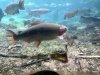
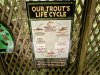
A boardwalk led onto the trout pools. There were four main pools. The first housed juvenile Rainbow trout and Brown trout; the second held adult Rainbow trout; the third housed Brown trout; and the fourth held mixed species of trout (Rainbow, Brown, Brook and Tiger - with the latter noted to be a hybrid of Brown/Brook). Signage for each of the pools was excellent, providing you with concise information such as when they were introduced to New Zealand; and information on the diet and lifecycle of the trout.

Juvenile trout pool:

upload_2025-2-11_11-41-53.jpeg

Rainbow trout pool:

upload_2025-2-11_11-41-32.jpeg

Brown trout pool:

upload_2025-2-11_11-41-14.jpeg

Mixed species trout pool:

upload_2025-2-11_11-40-57.jpeg

Brown trout:

upload_2025-2-11_11-39-33.jpeg

Lifecycle of the trout:

upload_2025-2-11_11-42-26.jpeg

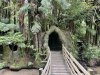
Overall, I was really impressed with the set up. A single pool would have held little appeal for me; but seeing multiple pools with multiple species and age groups (as well as wild trout in the stream) gave an interesting opportunity to compare and contrast. The mixed species pool even had an underwater viewing window, which came later in the trail; and offered a different perspective of seeing them up close.

Trout underwater viewing cave:

upload_2025-2-11_11-39-53.jpeg

Trout underwater viewing:
upload_2025-2-11_11-40-18.jpeg

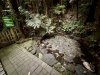
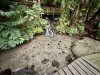
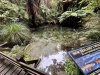
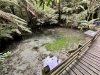
A pathway leading up into the bush past the second pool (adult Rainbow trout) was two freshwater springs. Signage on the lower spring noted its significance to early Maori of the Te Arawa tribe, who brought their battle wounded warriors there to drink; while signage on the upper spring advised of the water’s mineral content and how it was safe to drink. Descending the same path was an alternative view of the second trout pool.

Lower freshwater spring:
upload_2025-2-11_11-39-9.jpeg

Upper freshwater spring:
upload_2025-2-11_11-38-49.jpeg
 

Attachments

  • upload_2025-2-11_11-38-49.jpeg
    upload_2025-2-11_11-38-49.jpeg
    231.1 KB · Views: 40
  • upload_2025-2-11_11-39-9.jpeg
    upload_2025-2-11_11-39-9.jpeg
    284.3 KB · Views: 41
  • upload_2025-2-11_11-39-33.jpeg
    upload_2025-2-11_11-39-33.jpeg
    301.1 KB · Views: 37
  • upload_2025-2-11_11-39-53.jpeg
    upload_2025-2-11_11-39-53.jpeg
    343.4 KB · Views: 38
  • upload_2025-2-11_11-40-18.jpeg
    upload_2025-2-11_11-40-18.jpeg
    168.5 KB · Views: 38
  • upload_2025-2-11_11-40-57.jpeg
    upload_2025-2-11_11-40-57.jpeg
    317.1 KB · Views: 37
  • upload_2025-2-11_11-41-14.jpeg
    upload_2025-2-11_11-41-14.jpeg
    301.6 KB · Views: 36
  • upload_2025-2-11_11-41-32.jpeg
    upload_2025-2-11_11-41-32.jpeg
    294.4 KB · Views: 35
  • upload_2025-2-11_11-41-53.jpeg
    upload_2025-2-11_11-41-53.jpeg
    324.4 KB · Views: 36
  • upload_2025-2-11_11-42-26.jpeg
    upload_2025-2-11_11-42-26.jpeg
    210.3 KB · Views: 38
Main Park (Part 4)

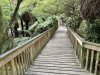
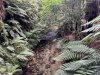
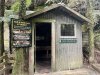
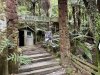
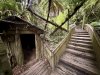
Deviating from the main path was the New Zealand Rainforest trail, which was a looped track that took me up to the forest canopy. The trail also included representations of a New Zealand bush hut and a deer culler’s hut.

Flora signed on this trail were as follows:

Kahikatea (White pine)
Kaikomako
Makamako (Wineberry)
Kowaowao (Hounds tongue fern)
Mouku (Hen and chicken fern)
Kiokio (Palm-leaf fern)
Makawe (Hanging spleenwort)
Kahakaha (Perching lily)
Rata vine
Kotukutuku (tree fuchsia)
Hangehange (New Zealand privet)
Ramarama (New Zealand myrtle)
Kawakawa (Pepper tree)
Pate (Seven finger)
Rangiora
Kareao (Supplejack)
Mapou (Red matipo)
Rewarewa (Honeysuckle)
Houhere (Lacebark)
Mangeao
Wheki (Rough tree fern)
Kauri
Mamaku (Black tree fern)
Kamahi
Rimu (Red pine)
Tawa
Porokaiwhiri (Pigeonwood)
Whauwhaupaku (Five finger).

New Zealand Rainforest trail (entrance):

upload_2025-2-11_12-12-0.jpeg

New Zealand Rainforest trail (canopy):

upload_2025-2-11_12-12-50.jpeg

New Zealand bush hut:

upload_2025-2-11_12-12-28.jpeg

New Zealand deer cullers hut:

upload_2025-2-11_12-11-28.jpeg

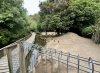
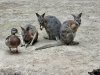
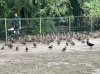
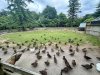
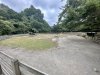
Exiting the New Zealand Rainforest trail, I went through the caves containing the underwater viewing of the fourth trout pool (mixed species trout) and crossed a bridge over the Ngongotahā Stream). This took me to the Dama wallaby exhibit. It’s a long, sandy exhibit that can be viewed from the back and the front (via a boardwalk). I saw three adults and one juvenile Dama wallaby; as well as a huge flock of ducks, who had gathered in anticipation of a keeper (pushing a wheelbarrow) feeding them.

Dama wallaby exhibit:

upload_2025-2-11_12-13-28.jpeg

Dama wallaby exhibit:

upload_2025-2-11_12-13-52.jpeg

Dama wallaby:

upload_2025-2-11_12-14-14.jpeg

Waterfowl following keeper:

upload_2025-2-11_12-14-34.jpeg
 

Attachments

  • upload_2025-2-11_12-11-28.jpeg
    upload_2025-2-11_12-11-28.jpeg
    261.7 KB · Views: 39
  • upload_2025-2-11_12-12-0.jpeg
    upload_2025-2-11_12-12-0.jpeg
    345.9 KB · Views: 35
  • upload_2025-2-11_12-12-28.jpeg
    upload_2025-2-11_12-12-28.jpeg
    246.5 KB · Views: 37
  • upload_2025-2-11_12-12-50.jpeg
    upload_2025-2-11_12-12-50.jpeg
    314.4 KB · Views: 37
  • upload_2025-2-11_12-13-28.jpeg
    upload_2025-2-11_12-13-28.jpeg
    304.7 KB · Views: 37
  • upload_2025-2-11_12-13-52.jpeg
    upload_2025-2-11_12-13-52.jpeg
    283 KB · Views: 37
  • upload_2025-2-11_12-14-14.jpeg
    upload_2025-2-11_12-14-14.jpeg
    267.2 KB · Views: 39
  • upload_2025-2-11_12-14-34.jpeg
    upload_2025-2-11_12-14-34.jpeg
    304.3 KB · Views: 34
Main Park (Part 5)

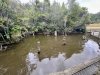
The Wetlands run parallel to the Dama wallaby exhibit and are similarly home to a multitude of waterfowl; predominantly Mallard (or Mallard hybrids); with a handful of Grey teal and New Zealand scaup. I also saw at least two Pūkeko. The Wetlands features various small islands, which the Pūkeko enjoyed foraging on.

Wetlands exhibit:

upload_2025-2-11_12-46-54.jpeg

Wetlands exhibit:

upload_2025-2-11_12-46-34.jpeg

Female Paradise shelduck:

upload_2025-2-11_12-45-18.jpeg

New Zealand scaup:

upload_2025-2-11_12-46-7.jpeg

Grey teal:

upload_2025-2-11_12-45-45.jpeg

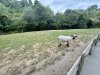
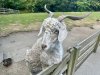
Next up was ‘Phil’s Farm’ - named in honour AC/DC drummer Phil Rudd. Signage notes the land was once owned by Phil Rudd, which he used to farm Angora goats and Red deer. The large paddock housed a handful of Domestic goats and sheep.

Phil Rudd’s Farm:

upload_2025-2-11_12-44-29.jpeg

Domestic goat:

upload_2025-2-11_12-44-2.jpeg

A pond with a boardwalk over it was home to New Zealand long-fin eels. I caught a glimpse of the tail of one of them under numerous hiding spots, but none were fully visible.

New Zealand long-fin eel pond:

upload_2025-2-11_12-43-38.jpeg

Just ahead of the main farmyard paddocks was a small hexagonal aviary housing Yellow-crowded parakeet.

Yellow-crowned parakeet aviary:

upload_2025-2-11_12-43-11.jpeg
 

Attachments

  • upload_2025-2-11_12-43-11.jpeg
    upload_2025-2-11_12-43-11.jpeg
    260.5 KB · Views: 35
  • upload_2025-2-11_12-43-38.jpeg
    upload_2025-2-11_12-43-38.jpeg
    327.9 KB · Views: 38
  • upload_2025-2-11_12-44-2.jpeg
    upload_2025-2-11_12-44-2.jpeg
    150.2 KB · Views: 37
  • upload_2025-2-11_12-44-29.jpeg
    upload_2025-2-11_12-44-29.jpeg
    151.6 KB · Views: 38
  • upload_2025-2-11_12-45-18.jpeg
    upload_2025-2-11_12-45-18.jpeg
    249 KB · Views: 37
  • upload_2025-2-11_12-45-45.jpeg
    upload_2025-2-11_12-45-45.jpeg
    272.1 KB · Views: 38
  • upload_2025-2-11_12-46-7.jpeg
    upload_2025-2-11_12-46-7.jpeg
    184.2 KB · Views: 32
  • upload_2025-2-11_12-46-34.jpeg
    upload_2025-2-11_12-46-34.jpeg
    254 KB · Views: 41
  • upload_2025-2-11_12-46-54.jpeg
    upload_2025-2-11_12-46-54.jpeg
    318.1 KB · Views: 34
Main Park (Part 6)

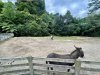
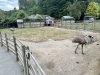
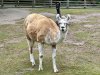
The main farmyard consisted of five paddocks. The first housed Kunekune pig (and was overrun with wild ducks); the second housed a Domestic goat and a Domestic sheep; the third housed two female Llama; the fourth housed a Domestic donkey and a Miniature pony; and the fifth housed a pair of Emu. It was a surprise to see Llama considering Alpaca are more commonly held in their place across the majority of New Zealand attractions I’ve visited; though I note Orana Wildlife Park also holds them. Walking through the farmyards it was interesting to hear drumming vocalisation of the Emu, which I’ve seldom heard at city zoos that hold the species (including those who hold pairs).

First paddock (Kunekune pig):

upload_2025-2-11_13-13-46.jpeg

Second paddock (Domestic goat/sheep):

upload_2025-2-11_13-14-29.jpeg

Third paddock (Llama):

upload_2025-2-11_13-15-4.jpeg

Fourth paddock (Miniature horse/Domestic donkey):

upload_2025-2-11_13-15-34.jpeg

Fifth paddock (Emu):

upload_2025-2-11_13-16-3.jpeg

Llama:

upload_2025-2-11_13-18-31.jpeg

Kunekune pig:

upload_2025-2-11_13-17-50.jpeg

Domestic goat:

upload_2025-2-11_13-17-11.jpeg

As an add-on to the five paddocks, was a small fenced exhibit housing Enderby Island rabbit. They lived wild on subantarctic Enderby Island (south of New Zealand) for over a century until 1992. 49 were taken off the island, before all introduced mammals were removed. Paradise Valley Springs occasionally lists kittens for sale on their socials, but on my visit, only a single adult was seen.

Enderby Island rabbit exhibit:

upload_2025-2-11_13-19-55.jpeg

Enderby Island rabbit:

upload_2025-2-11_13-20-36.jpeg

A wooden gate allows you to exit the Main Park and return to the entrance/visit the Lion Park.
 

Attachments

  • upload_2025-2-11_13-13-46.jpeg
    upload_2025-2-11_13-13-46.jpeg
    266.2 KB · Views: 35
  • upload_2025-2-11_13-14-29.jpeg
    upload_2025-2-11_13-14-29.jpeg
    261.7 KB · Views: 34
  • upload_2025-2-11_13-15-4.jpeg
    upload_2025-2-11_13-15-4.jpeg
    232.9 KB · Views: 35
  • upload_2025-2-11_13-15-34.jpeg
    upload_2025-2-11_13-15-34.jpeg
    257.7 KB · Views: 38
  • upload_2025-2-11_13-16-3.jpeg
    upload_2025-2-11_13-16-3.jpeg
    255.8 KB · Views: 35
  • upload_2025-2-11_13-17-11.jpeg
    upload_2025-2-11_13-17-11.jpeg
    161.3 KB · Views: 38
  • upload_2025-2-11_13-17-50.jpeg
    upload_2025-2-11_13-17-50.jpeg
    245.5 KB · Views: 35
  • upload_2025-2-11_13-18-31.jpeg
    upload_2025-2-11_13-18-31.jpeg
    279.2 KB · Views: 34
  • upload_2025-2-11_13-19-55.jpeg
    upload_2025-2-11_13-19-55.jpeg
    288.9 KB · Views: 34
  • upload_2025-2-11_13-20-36.jpeg
    upload_2025-2-11_13-20-36.jpeg
    395.9 KB · Views: 34
Lion Park (Part 1)

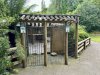
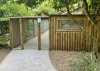
The Lion Park is considered Paradise Valley Spring’s main attraction and houses a pride of African lions. It’s a short walk from the entrance, taking the left path; before arriving at a pair of wooden framed metal gates.

Paradise Valley Springs first acquired lions in the 1970’s, with the ancestors of the current pride (Leo, Sheba and Cleo) being retired circus lions that came from Australia. The first cubs born at the park were Suzy, born 1986 to Sheba: Sam, born 1988 to Cleo; and Honey, born 1988 to Sheba. A total of 22 litters have been born at the park, where at least one cub from the litter survived to three months of age.

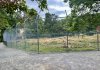
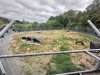
The Lion Park contains a large grassed outdoor arena, surrounded by a chain link fence. It’s unusual compared to exhibits I’ve seen at other zoos in that visitors can walk 360 degrees around the perimeter. Key features of the exhibit includes a raised platform, favoured by the lionesses during feeding time (with the males said to be too top heavy to pursue them); and a rock cave, which offers the lions shade from the sun should they desire it.

Entrance to Lion Park:

upload_2025-2-11_14-29-9.jpeg

Lion exhibit:

upload_2025-2-11_14-29-28.jpeg

Lion exhibit:

upload_2025-2-11_14-29-52.jpeg

Lion exhibit:

upload_2025-2-11_14-30-12.jpeg

Lion exhibit:

upload_2025-2-11_14-30-29.jpeg

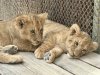
The adjoining den building is capable of holding the entire pride during routine maintenance/cleaning of the exhibit. It features an off display cubbing den, which on my visit contained the latest litter (three month old twins) and their mother, who was later let out into the main exhibit. An extension to the dens is a wire fronted cage block. I couldn’t see the mother/cubs visible in this cage at any point, but it’s clear it would be valuable in undertaking protected contact introductions of the cubs to the pride. On a previous visit, I also saw it used to isolate a lioness who was on heat and causing friction within the pride. The dens and adjoining cage block are underneath and adjoining a raised platform, which provides an aerial view of the main exhibit.

Lion den building/viewing platform:

upload_2025-2-11_14-31-29.jpeg

Lion dens/cage block:

upload_2025-2-11_14-31-59.jpeg

Aerial view of the exhibit:

upload_2025-2-11_14-32-21.jpeg

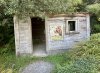
The park also features a lion education hut, with a sound wheel that plays various lion vocalisations.

Lion education hut:

upload_2025-2-11_14-32-41.jpeg
 

Attachments

  • upload_2025-2-11_14-29-9.jpeg
    upload_2025-2-11_14-29-9.jpeg
    267.5 KB · Views: 33
  • upload_2025-2-11_14-29-28.jpeg
    upload_2025-2-11_14-29-28.jpeg
    285.5 KB · Views: 35
  • upload_2025-2-11_14-29-52.jpeg
    upload_2025-2-11_14-29-52.jpeg
    261.6 KB · Views: 38
  • upload_2025-2-11_14-30-12.jpeg
    upload_2025-2-11_14-30-12.jpeg
    270.2 KB · Views: 41
  • upload_2025-2-11_14-30-29.jpeg
    upload_2025-2-11_14-30-29.jpeg
    280.3 KB · Views: 36
  • upload_2025-2-11_14-31-29.jpeg
    upload_2025-2-11_14-31-29.jpeg
    287.5 KB · Views: 39
  • upload_2025-2-11_14-31-59.jpeg
    upload_2025-2-11_14-31-59.jpeg
    249.7 KB · Views: 34
  • upload_2025-2-11_14-32-21.jpeg
    upload_2025-2-11_14-32-21.jpeg
    252 KB · Views: 36
  • upload_2025-2-11_14-32-41.jpeg
    upload_2025-2-11_14-32-41.jpeg
    303.1 KB · Views: 33
Lion Park (Part 2)

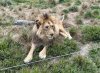
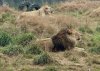
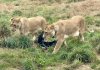
The exhibit itself is relatively simple, as described above, but the main stimulus for the lions undoubtedly came from living as a multigenerational pride. I would go as far to saying these were amongst the most engaging lions I’ve seen in any zoo. The pride contained an elderly lioness named Luca (2004); the breeding pair, Xander (2013) and Bella (2011); and their two year old offspring, Fletcher (2022) and Freyja (2022). As mentioned, the newest litter (not yet integrated with the pride) are three month old male-female twins.

Xander:

upload_2025-2-11_14-54-51.jpeg

Luca:

upload_2025-2-11_14-55-5.jpeg

Bella:

upload_2025-2-11_14-55-18.jpeg

Fletcher:

upload_2025-2-11_14-55-33.jpeg

Fletcher and Freyja’s preference for each other’s company was evident, with the park reporting littermates often share a particularly close bond. The lions were very much aware Bella was in the dens and I saw both Xander and Fletcher calling to her when it approached the time for her to rejoin the pride. I also saw Xander and Fletcher (father and son); and Bella and Freyja (mother and daughter) spending time together, with the latter enjoying a game of chase across the exhibit. At one point, the parents and offspring came together to lay down in a group; with the elderly Luca surveying from a distance. Due to her age, she prefers to take a backseat in the interactions of the pride; but the size of the exhibit affords her plenty of space to take herself away when she wants and this is something I saw each of the adults do at least once throughout my visit.

All five adults:

upload_2025-2-11_14-55-50.jpeg

Xander and Fletcher:

upload_2025-2-11_14-56-10.jpeg

Bella and Freyja:

upload_2025-2-11_14-56-23.jpeg

I initially spent around half an hour watching the lions, but since I still had some time until the lion cub encounter, I decided to do another lap of the rest of the park, my main objective being to see the Himalayan tahr I’d missed the first time around.
 

Attachments

  • upload_2025-2-11_14-54-51.jpeg
    upload_2025-2-11_14-54-51.jpeg
    356.4 KB · Views: 34
  • upload_2025-2-11_14-55-5.jpeg
    upload_2025-2-11_14-55-5.jpeg
    332.8 KB · Views: 39
  • upload_2025-2-11_14-55-18.jpeg
    upload_2025-2-11_14-55-18.jpeg
    367.4 KB · Views: 37
  • upload_2025-2-11_14-55-33.jpeg
    upload_2025-2-11_14-55-33.jpeg
    320 KB · Views: 37
  • upload_2025-2-11_14-55-50.jpeg
    upload_2025-2-11_14-55-50.jpeg
    310.1 KB · Views: 37
  • upload_2025-2-11_14-56-10.jpeg
    upload_2025-2-11_14-56-10.jpeg
    302.7 KB · Views: 36
  • upload_2025-2-11_14-56-23.jpeg
    upload_2025-2-11_14-56-23.jpeg
    303 KB · Views: 36
Lion Cub Encounter

The lion cub encounter runs for an hour each morning and afternoon. The encounters have been run with every litter of cubs born at Paradise Valley Springs since the birth of Suzy in 1986. As a child, I met Zac and Zalika in 2002; and Luca and Leah in 2005, with the latter being the last time I visited the same time the park had cubs. The cubs I saw on this visit are Luca’s great-grandchildren.

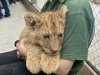
The original lion cub nursery is still there; but sometime since my 2020 visit, a new nursery had been built alongside it and it was here the encounter took place. Earlier in the year, visitors met the cubs on the viewing deck above the exhibit; but as the cubs are now three months old and no longer content to remain on the keeper’s laps for the duration of the encounter, the nursery is a more suitable venue. The encounters are run until the cubs are around six months old (by this time they’re fully integrated with the main pride); though in previous years I understand a modified version of the encounter is run for another few months where a mesh separates the visitors from the cubs. The cubs are seperated from their mother for the duration of the encounter, who by all accounts, enjoys the break and the chance to rejoin the rest of the pride on exhibit.

Original lion cub nursery:

upload_2025-2-11_15-6-2.jpeg

New lion cub nursery:

upload_2025-2-11_15-6-17.jpeg

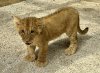
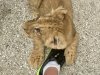
The encounter is very well regulated with visitors thoroughly briefed on how to interact with the cubs; and then let in in small groups of around 5-6 people with four staff supervising. It was clear the staff took both the welfare of cubs and the safety of the visitors very seriously, which was good to see. The cubs have free roam of the nursery and at one point, the female cub took an interest in my shoe, grasping it with her front paws. I succeeded in hooking my foot out from under the cub, while one of the keepers redirected its focus with a toy. It was a privilege to meet these magnificent felids up close and contemplate the size they will attain within the next three years.

Lion cubs:

upload_2025-2-11_15-6-33.jpeg

Male lion cub:

upload_2025-2-11_15-7-3.jpeg

Female lion cub:

upload_2025-2-11_15-6-49.jpeg

Female lion cub holding my shoe:

upload_2025-2-11_15-7-25.jpeg

Each group got to spend around five minutes with the cubs, which is enough time to pat them on their backs (their preferred site to be touched) and take a few photos. Visiting towards the end of the school holidays paid off, with the line to meet the cubs a fraction of the size of the line I saw in a video of the park from January. The encounter is run very differently from when I was a child, when larger numbers of people were allowed to come and go throughout the duration of the encounter (I do vaguely recall a one out, one in rule); but I applaud the park for further refining their practices in the interests of the cub’s welfare. It was clear the cubs found the experience enriching and it’s clearly of no detriment to their ability to maintain a bond with their mother.
 

Attachments

  • upload_2025-2-11_15-6-2.jpeg
    upload_2025-2-11_15-6-2.jpeg
    302.4 KB · Views: 35
  • upload_2025-2-11_15-6-17.jpeg
    upload_2025-2-11_15-6-17.jpeg
    262.2 KB · Views: 33
  • upload_2025-2-11_15-6-33.jpeg
    upload_2025-2-11_15-6-33.jpeg
    231.8 KB · Views: 35
  • upload_2025-2-11_15-6-49.jpeg
    upload_2025-2-11_15-6-49.jpeg
    281.5 KB · Views: 34
  • upload_2025-2-11_15-7-3.jpeg
    upload_2025-2-11_15-7-3.jpeg
    154.4 KB · Views: 36
  • upload_2025-2-11_15-7-25.jpeg
    upload_2025-2-11_15-7-25.jpeg
    217.3 KB · Views: 35
Complete Species List

Current as of 05/02/2025:

Mammals:

African lion
Dama wallaby
Brushtail possum
Fallow deer
Himalayan tahr
Llama
Alpaca (off display)
New Zealand feral pig
Kunekune pig
Domestic donkey
Miniature pony
Domestic goat
Domestic sheep
Enderby Island rabbit

Birds:

Emu
Kea
New Zealand wood pigeon
Red-crowned parakeet (signed but not seen)
Yellow-crowned parakeet
Pūkeko*
Paradise shelduck*
Grey teal*
New Zealand scaup*
Mallard duck (including hybrids)*
Domestic turkey
Domestic chicken

Fish:

New Zealand long-fin eel
Rainbow trout*
Brown trout*
Brook trout
Tiger trout (Brown/Brook hybrid)

*Includes wild populations found on site

Final Thoughts

On the whole, I was impressed with Paradise Valley Springs, though I will note the importance of going with realistic expectations. As the species list illustrates, the park doesn’t have a fraction of the species you’d see at any one of New Zealand’s main zoos; but it made me appreciate species like Emu, Llama and trout that I’ve previously paid little attention to in other zoos, where their exhibits compete for attention with a wealth of exotic megafauna.

I thought the park setting was idyllic, with a stream running though it and the Main Park immersed in the surrounding forest. I certainly never appreciated this when I visited as a kid; but it’s something I pay more attention to as an adult when I visit zoos throughout Australia and New Zealand, many of which have achieved the ambience of a zoological gardens their founders envisaged.

The admission cost is higher than all but one of New Zealand’s main zoos. It’s quite possible to see everything in an hour to an hour and a half versus Hamilton Zoo, Wellington Zoo and Orana Wildlife Park, which I’d consider a morning/afternoon out; and Auckland Zoo, which I’d consider a day out. However, when you consider the park offers a free lion cub encounter, it compares favourably to Hamilton Zoo, who change an additional $99 to do a close encounter with their tigers; or Wellington Zoo who charge $129 (admission included) to do a close encounter with their lions.

Some of the park looked dated in places - namely the Kea and parakeet aviaries; and the main exhibit in the Lion Park, though I acknowledge that the park is privately owned and doesn’t benefit government funding like many of the zoos I’ve been too. In any case, I’ve previously observed pairs or trios of lions in what I’d consider world class exhibits that on those visits failed to demonstrate even a fraction of the social behaviours I observed in this multigenerational pride in the short time I was there.

Unfortunately the park doesn’t provide a map, either online or in person when you visit the park (including on signage boards as you walk around). I therefore hope my overview of the exhibits (which I detailed in chronological order) will be sufficient in detailing the layout of the park. You could say that instead of the picture, I’ve given you the thousand words the map was supposed to paint. :)

All photos in this review were my own and were taken on this visit (05/02/2025): Paradise Valley Springs - ZooChat
 
Complete Species List

Current as of 05/02/2025:

Mammals:

African lion
Dama wallaby
Brushtail possum
Fallow deer
Himalayan tahr
Llama
Alpaca (off display)
New Zealand feral pig
Kunekune pig
Domestic donkey
Miniature pony
Domestic goat
Domestic sheep
Enderby Island rabbit

Birds:

Emu
Kea
New Zealand wood pigeon
Red-crowned parakeet (signed but not seen)
Yellow-crowned parakeet
Pūkeko*
Paradise shelduck*
Grey teal*
New Zealand scaup*
Mallard duck (including hybrids)*
Domestic turkey
Domestic chicken

Fish:

New Zealand long-fin eel
Rainbow trout*
Brown trout*
Brook trout
Tiger trout (Brown/Brook hybrid)

*Includes wild populations found on site

Final Thoughts

On the whole, I was impressed with Paradise Valley Springs, though I will note the importance of going with realistic expectations. As the species list illustrates, the park doesn’t have a fraction of the species you’d see at any one of New Zealand’s main zoos; but it made me appreciate species like Emu, Llama and trout that I’ve previously paid little attention to in other zoos, where their exhibits compete for attention with a wealth of exotic megafauna.

I thought the park setting was idyllic, with a stream running though it and the Main Park immersed in the surrounding forest. I certainly never appreciated this when I visited as a kid; but it’s something I pay more attention to as an adult when I visit zoos throughout Australia and New Zealand, many of which have achieved the ambience of a zoological gardens their founders envisaged.

The admission cost is higher than all but one of New Zealand’s main zoos. It’s quite possible to see everything in an hour to an hour and a half versus Hamilton Zoo, Wellington Zoo and Orana Wildlife Park, which I’d consider a morning/afternoon out; and Auckland Zoo, which I’d consider a day out. However, when you consider the park offers a free lion cub encounter, it compares favourably to Hamilton Zoo, who change an additional $99 to do a close encounter with their tigers; or Wellington Zoo who charge $129 (admission included) to do a close encounter with their lions.

Some of the park looked dated in places - namely the Kea and parakeet aviaries; and the main exhibit in the Lion Park, though I acknowledge that the park is privately owned and doesn’t benefit government funding like many of the zoos I’ve been too. In any case, I’ve previously observed pairs or trios of lions in what I’d consider world class exhibits that on those visits failed to demonstrate even a fraction of the social behaviours I observed in this multigenerational pride in the short time I was there.

Unfortunately the park doesn’t provide a map, either online or in person when you visit the park (including on signage boards as you walk around). I therefore hope my overview of the exhibits (which I detailed in chronological order) will be sufficient in detailing the layout of the park. You could say that instead of the picture, I’ve given you the thousand words the map was supposed to paint. :)

All photos in this review were my own and were taken on this visit (05/02/2025): Paradise Valley Springs - ZooChat


Amazing review, really detailed, and great pics! Paradise Valley looks amazing! I love the Temperate Rainforest setting and the trout pools are crystal clear and amazing.

I love the New Zealand deer species sign including moose! I want nothing more than for someone one day to find a small population of surviving Fjordland moose!

I also hope more NZ/AUS zoos can hold some more of these feral deer species. Especially White tail and Wapiti, they could combine with Bison for amazing American plains/rockies exhibit (even though mule deer are more common in the western US)
 
Amazing review, really detailed, and great pics! Paradise Valley looks amazing! I love the Temperate Rainforest setting and the trout pools are crystal clear and amazing.

I love the New Zealand deer species sign including moose! I want nothing more than for someone one day to find a small population of surviving Fjordland moose!

I also hope more NZ/AUS zoos can hold some more of these feral deer species. Especially White tail and Wapiti, they could combine with Bison for amazing American plains/rockies exhibit (even though mule deer are more common in the western US)

Thanks @Swanson02, I appreciate it.

Moose in Fiordland is a persistent rumour not dissimilar to Tasmania’s Thylacine in that it’s widely believed to be extinct, but there’s no shortage of people who claim to have seen it (albeit never with clear footage to back up their account).

Hamilton Zoo has American bison mixed with Fallow deer (see photo of exhibit below); but otherwise I agree New Zealand zoos (especially the four main zoos) would do well to better represent these deer species.

upload_2025-2-12_23-51-41.jpeg
Thank you for providing this comprehensive review! I had no idea that the park was so extensive, and it was good to learn some of the history as well as about the lion cub encounters. That is very unique that otherwise mother-reared cubs are able to interact with the public.

Thanks @Abbey.

I really enjoyed my visit and found the park had a lot more to offer than my memories of it (though like I say, I think I’ve grown to appreciate other aspects of a zoo/wildlife park over the years including the setting.

The lion pride offered a fascinating insight into the social behaviour and interactions of a multigenerational pride; including insights into the hierarchy of the pride. It was really interesting to see this up close.

Yes, the cubs are removed from the mother twice a day in the morning afternoon without any disruption to the maternal bond. They’re readily accepted by the rest of the pride when they begin introductions at around six months of age. In the park’s 38 years of breeding lions, only two litters have been rejected by their mother (both to the same lioness in 2010, and not due to the encounters).
 

Attachments

  • upload_2025-2-12_23-51-41.jpeg
    upload_2025-2-12_23-51-41.jpeg
    337 KB · Views: 32
Back
Top