Planckendael Planckendael animal park

Marc

Well-Known Member
The Planckendael animal park is also owned by the KMDA (Koninklijke Maatschappij voor Dierkunde Antwerpen) or RZSA (Royal Zoological Society of Antwerp). It opened his doors in 1956. The park is subdivided in different continents: Europe, Asia, Afrika, Latin America and Oceania.

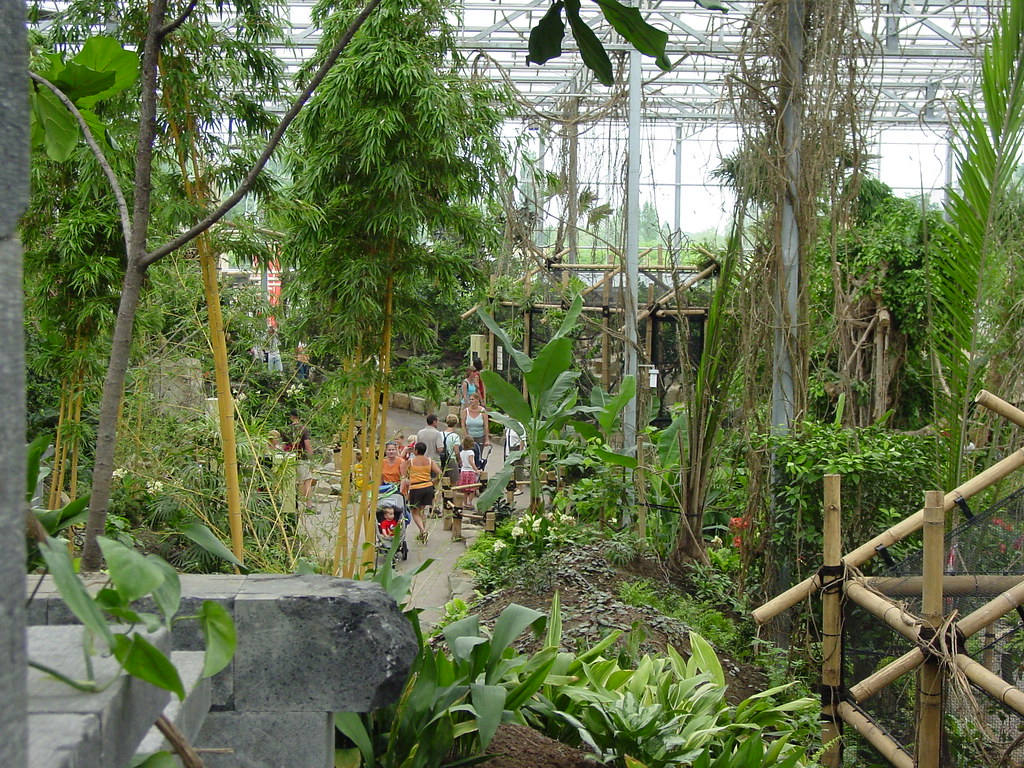
New asia continent:
187595836_c743c20c94_b.jpg


sized_Planckendael_06.JPG


Africa, bonobo island. There are about 100 bonobo's in capitivity in the world, 10 % lives in Planckendael.
image.php
 
What of animals are in each section and how big is the indoor part of Asia?
 
Wow difficult questions :)!

@ Writhedhornbill: I've only been 1 time to Planckendael since the asia project is opened. I don't know wich birds are there but maybe this link can help you:

H'echte (dieren)vrienden van de Zoo :: Log in

@ PAT: On this link you see all the animals that Planckendael has. But it's in Dutch, so a bit difficult to understand. But maybe it can help you anyway.

Brebart.be: Planckendael en Zoo Antwerpen anders bekeken

(maybe you can copy the Dutch name and paste it in Google images :))
 
The Asia-greenhouse houses a few species set loose in the hall like:
- Bleeding heart pigeon
- Nicobar Pigeon
- green-naped pheasant pigeon

Then there's a few smaller aviaries inside the hall, with among others...
- Rose-ringed Parakeet
- Asian Fairy Bluebird
- Red jungle fowl
- Alexandrine parakeet
- Pied Imperial-pigeon
- Mousebirds
- Hooded Pitta
- Hill myna
- Crested wood partridge
- A kingfisher species... not 100% sure which one
- Palawan Peacock Pheasant

There's one large aviary which holds a pair of Wrinkled hornbills, which is the most striking bird there.

That's about it...

(edit: remembered some more birds :P)
 
Last edited:
I also remember seeing bali mynahs in the Asia house in 2006. The aviary for hornbills is huge, and it's wonderfull seeing them there. It is the big aviary in the background on the second photo in Marc's first post.
 
There's also Finch-billed Myna and a mountainpartridge species i can't remember the exact (sub)species of...

But i guess he asked it because he wanted to know about the peacock-pheasants and the hornbills...

The hornbill aviary was, when we where there, huge but almost completely empty (very little branches and plants). Looked like the animals couldn't really use the space available...
 
Yip, Bali mynah, rulrul and also a lot of small passerines species (japanese nightingale, java sparrow, etc ) and mangrove egret.

The hornbills raised a twin offspring last year and from what i've heard the female is locked again in the breeding tree.

Mammal species : lar, slender lori, prevost squirrel, tupaja, black rat
Reptile species : tokeh, python molurus
 
A spokesman of the zoo just announced this morning the birth of three Sunda wrinkled hornbill (Aceros corrugatus) from the same parents which raised the twin birds last year.

After 2 years opening 5 hornbills have been born in this aviary which is a very good breeding succes and a major boost for the european zoo population of this species.
 
That is great news!

No shortage of pairings for those collections with just one bird! Three chicks at Plankadael and one at Chester (maybe more?) This species will not go from our collections that easily!
 
If there are any more questions about Planckendael nowadays, just ask them.
I come there on a weekly basis ;) :)
 
May i post some regular pictures that i like of Planckendael here?
These are a few from the ones i took today...

4nsqb.jpg

The latest younster of the Lowland wisents (Bison bonasus bonasus)

2prctop.jpg

2iv17wj.jpg

Chandra, the real Machoman of the lions!

2zecllf.jpg

The two female Koala's Ditji Toda and Guwara with there last youngsters (Hinchinbrook is sitting in his own private three)
 
Back
Top