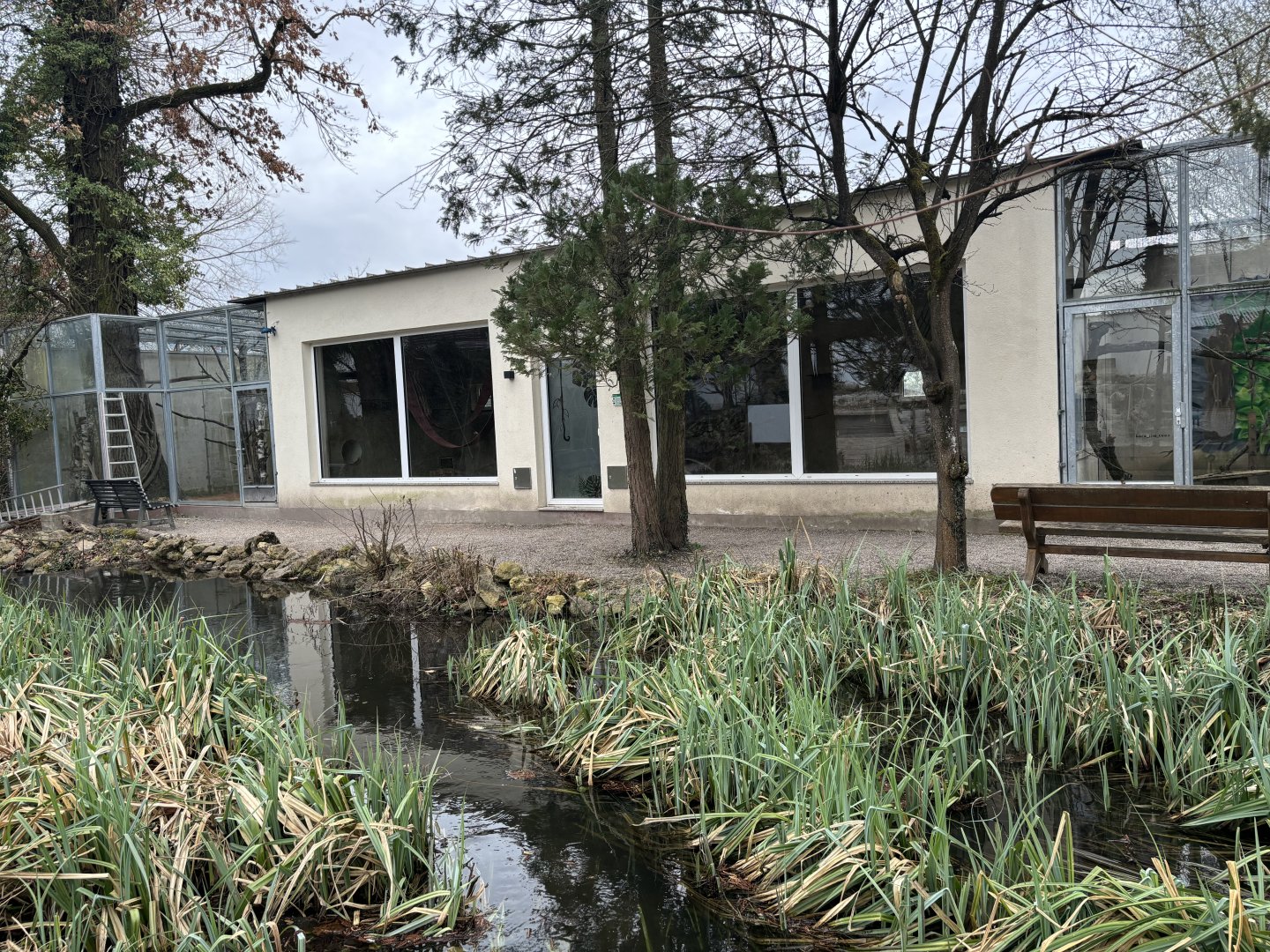
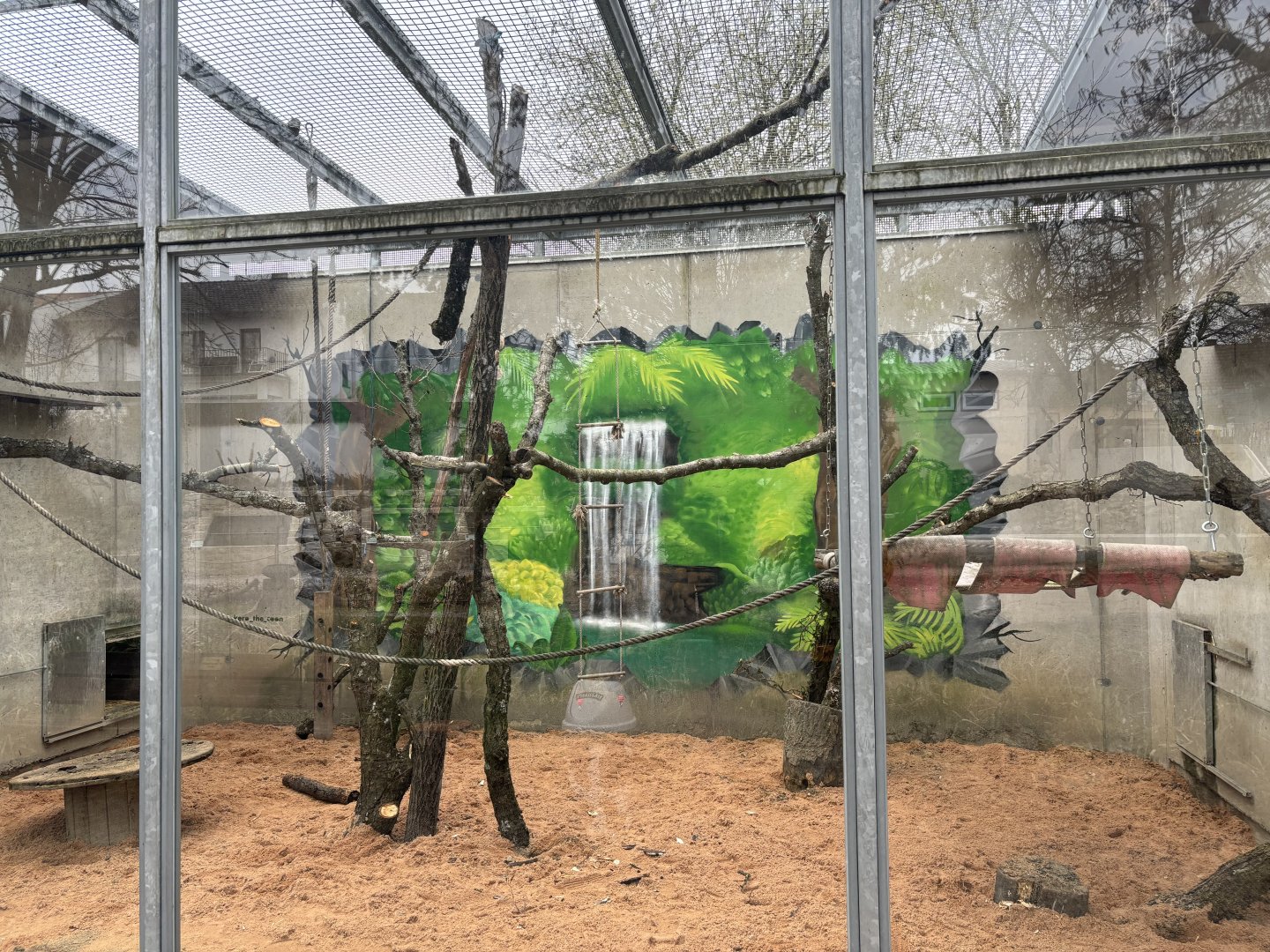
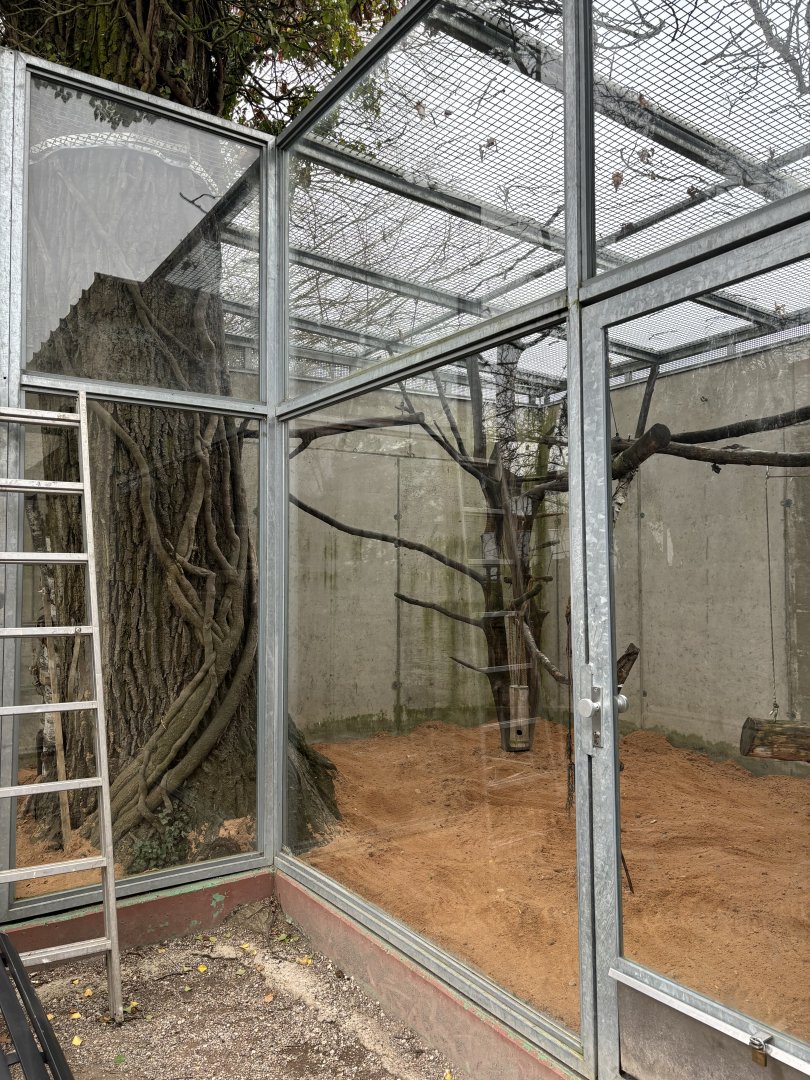
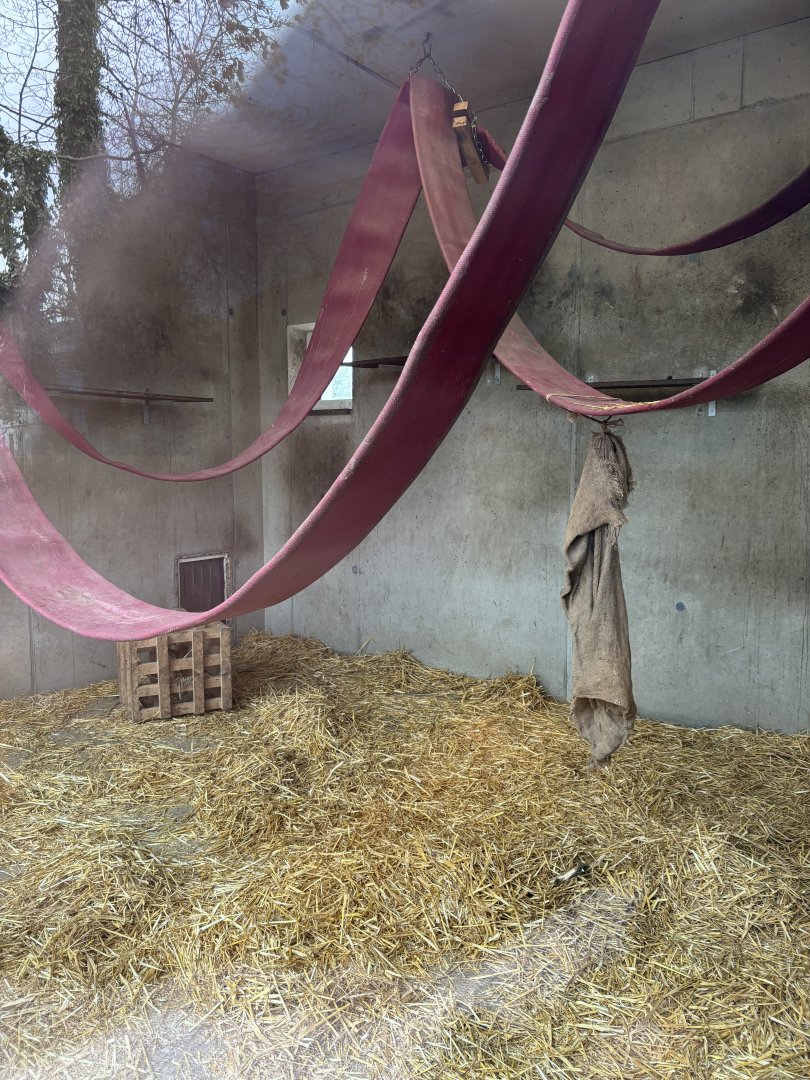
I have been planning on doing a dual trip to Zoo Augsburg and Zoo Wasserstern for a week now before I was finally able to visit the zoo on 10 March 2024. However I was surprised to find out that this small facility which even had reached notoriety had little to no mention on ZooChat. Which is why I thought it would be a good idea to document and review this facility and maybe introduce it to users, especially those that are not from a German background, who may not have heard of this interesting little zoo.
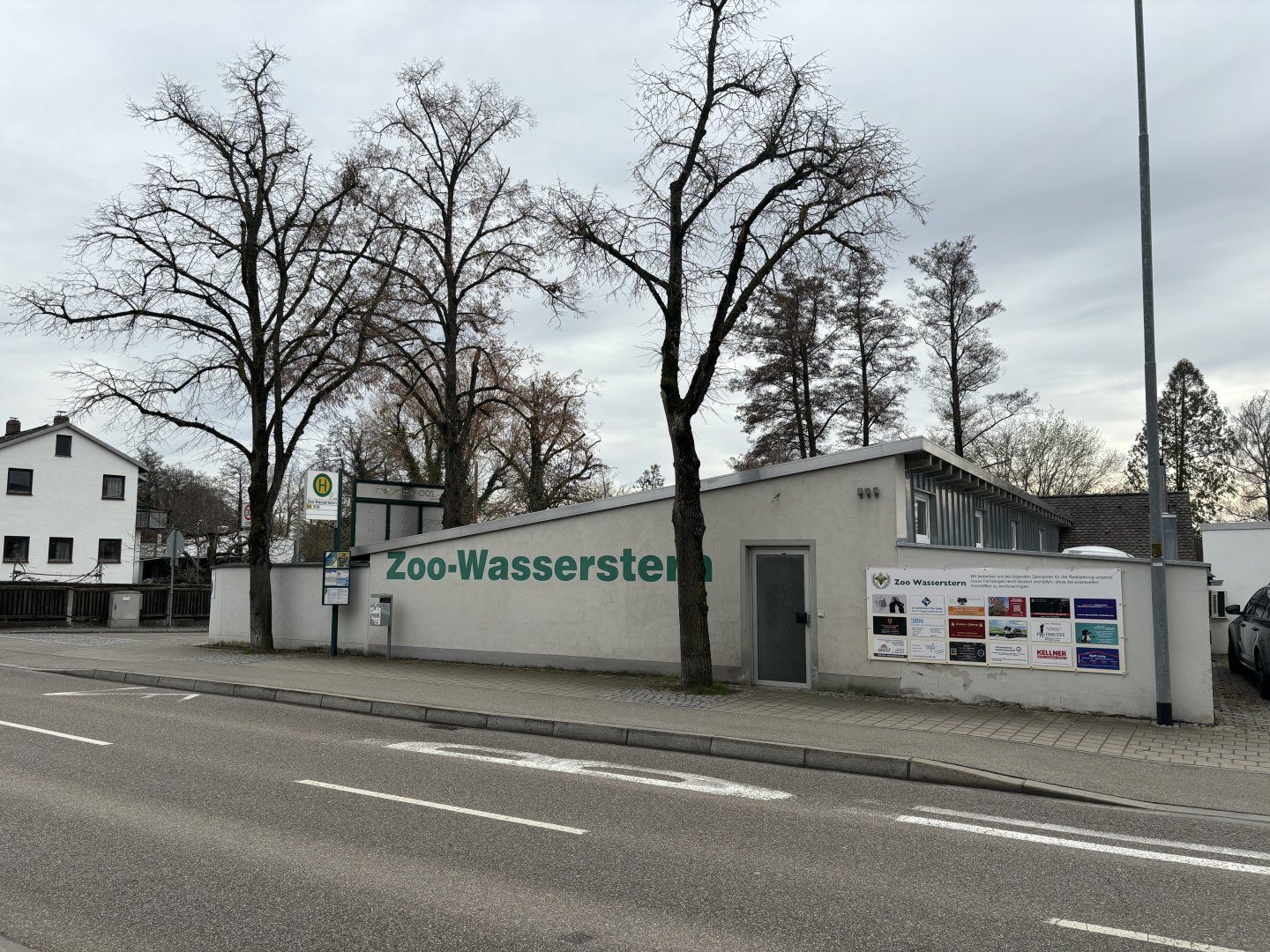
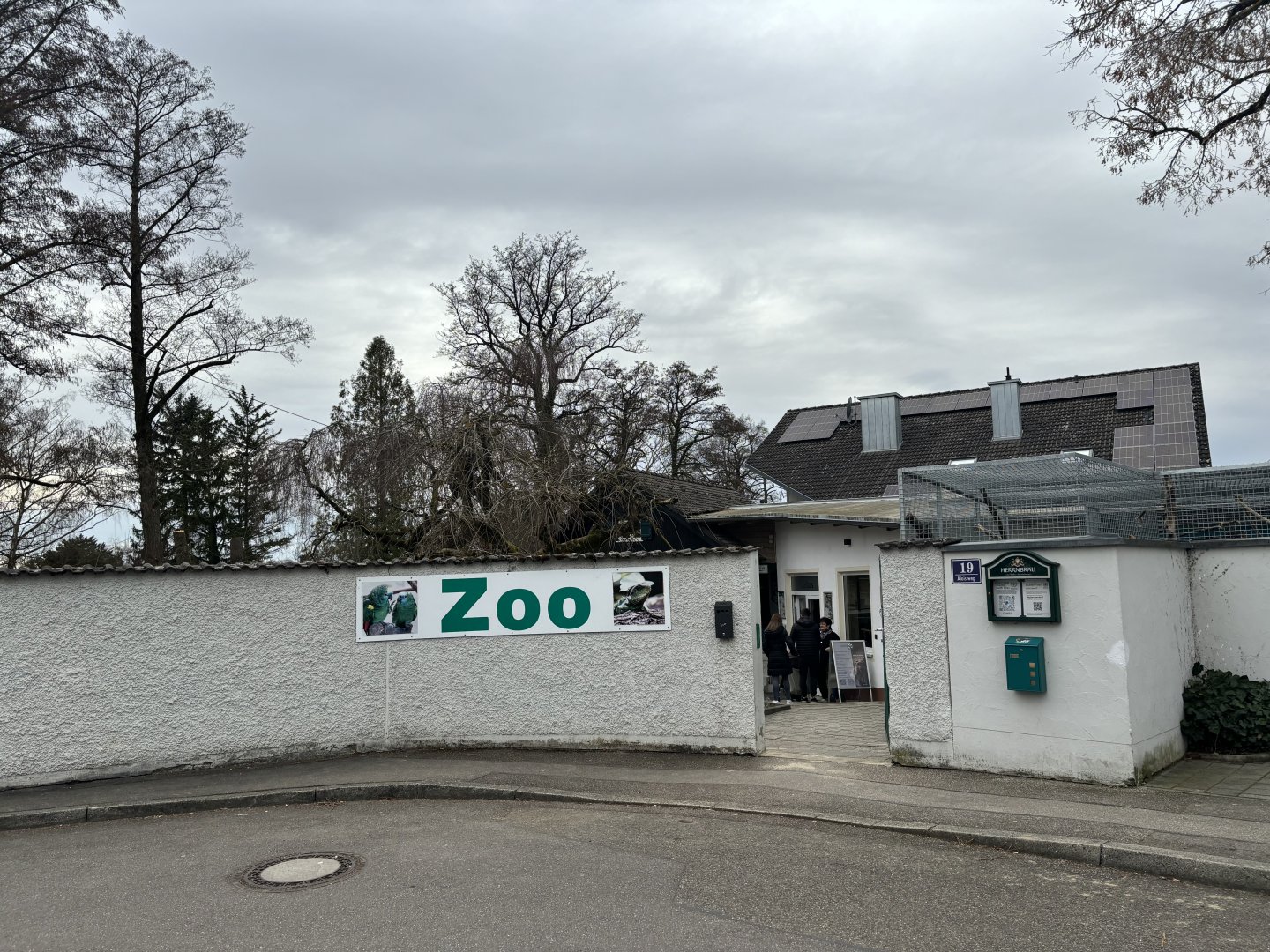
Visiting the zoo was pretty easy for me from the Ingolstadt Central Station. I had to take the bus that went to the center of the old town before I walked a few minutes through the town before reaching the Universität bus stop. I waited on the stop for a few minutes before getting on the bus (route 50) and rode through a suburban area before hopping off at the stop named after my destination. I was greeted with a wall that bares the name of the zoo. I walked by the wall before I saw an open green door that looked like it would otherwise lead to someone’s garden party. The door had the prices and opening hours listed.
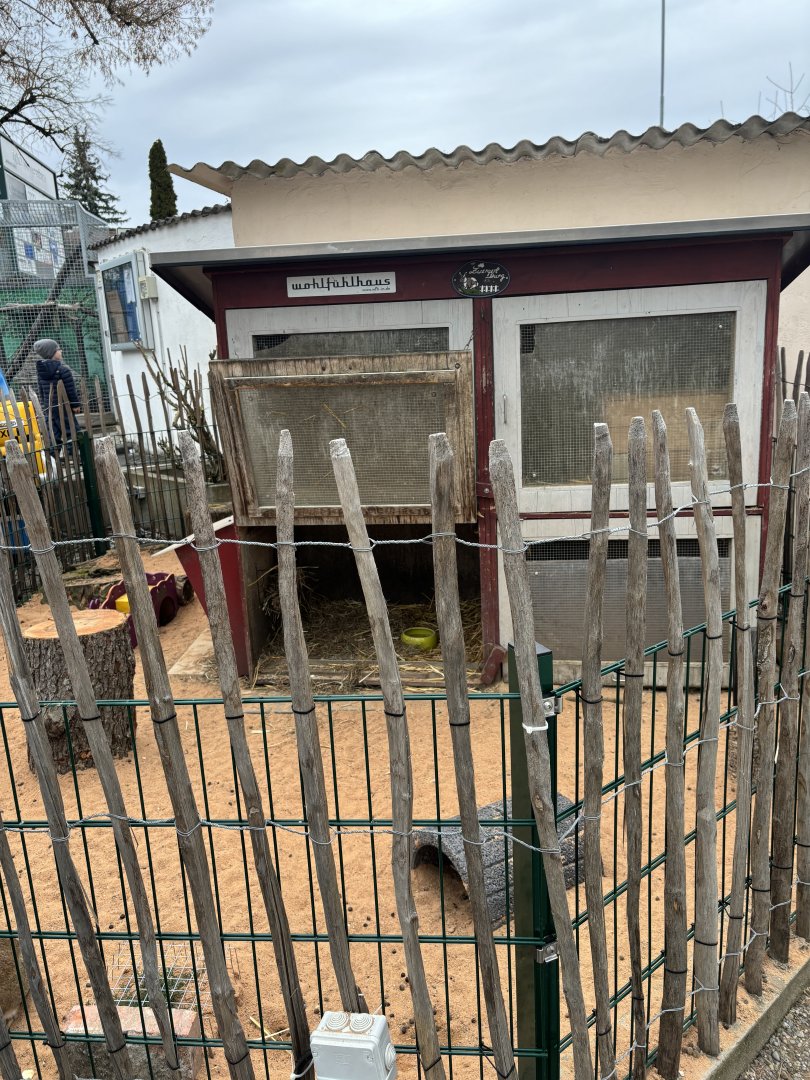
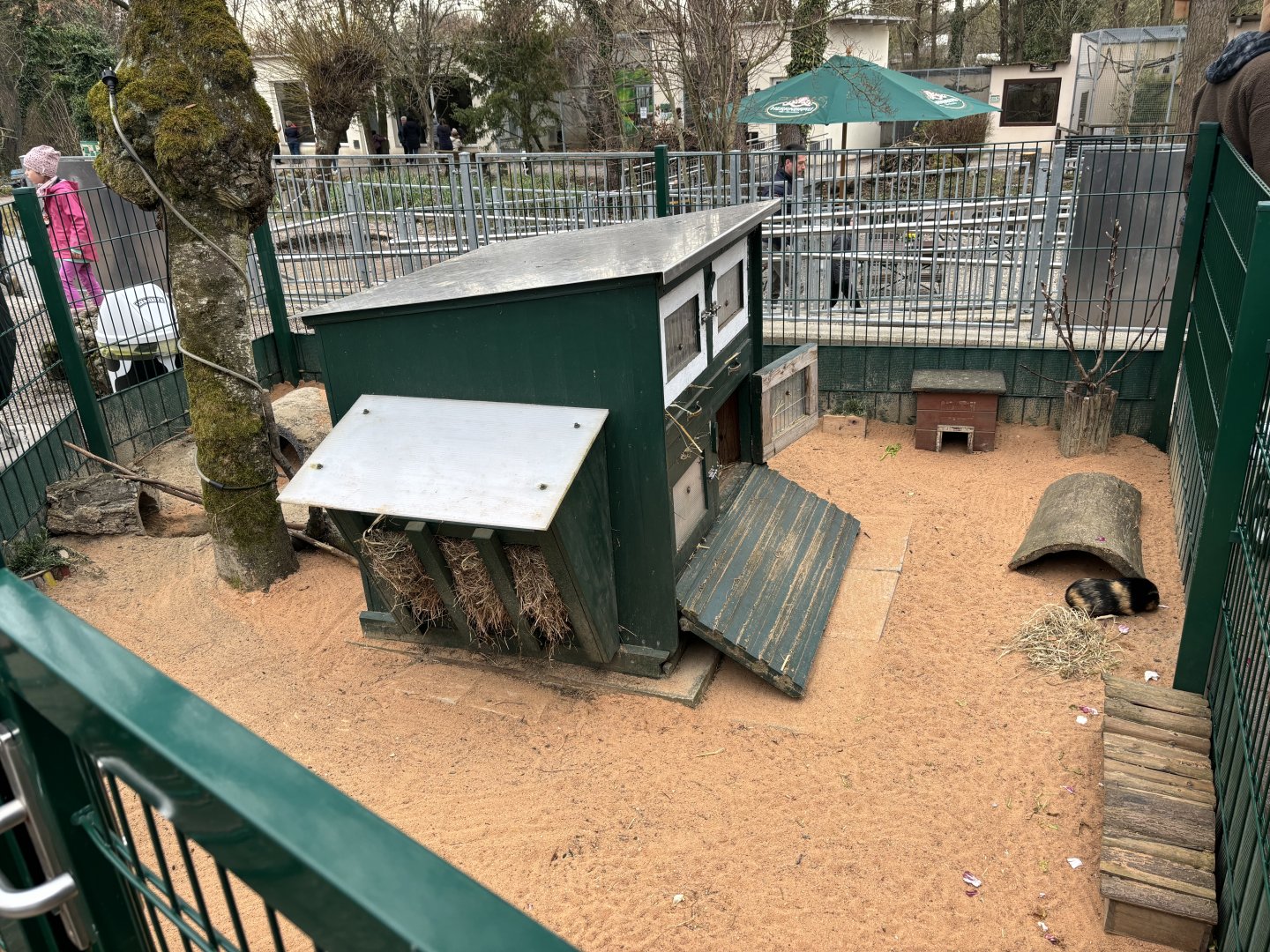
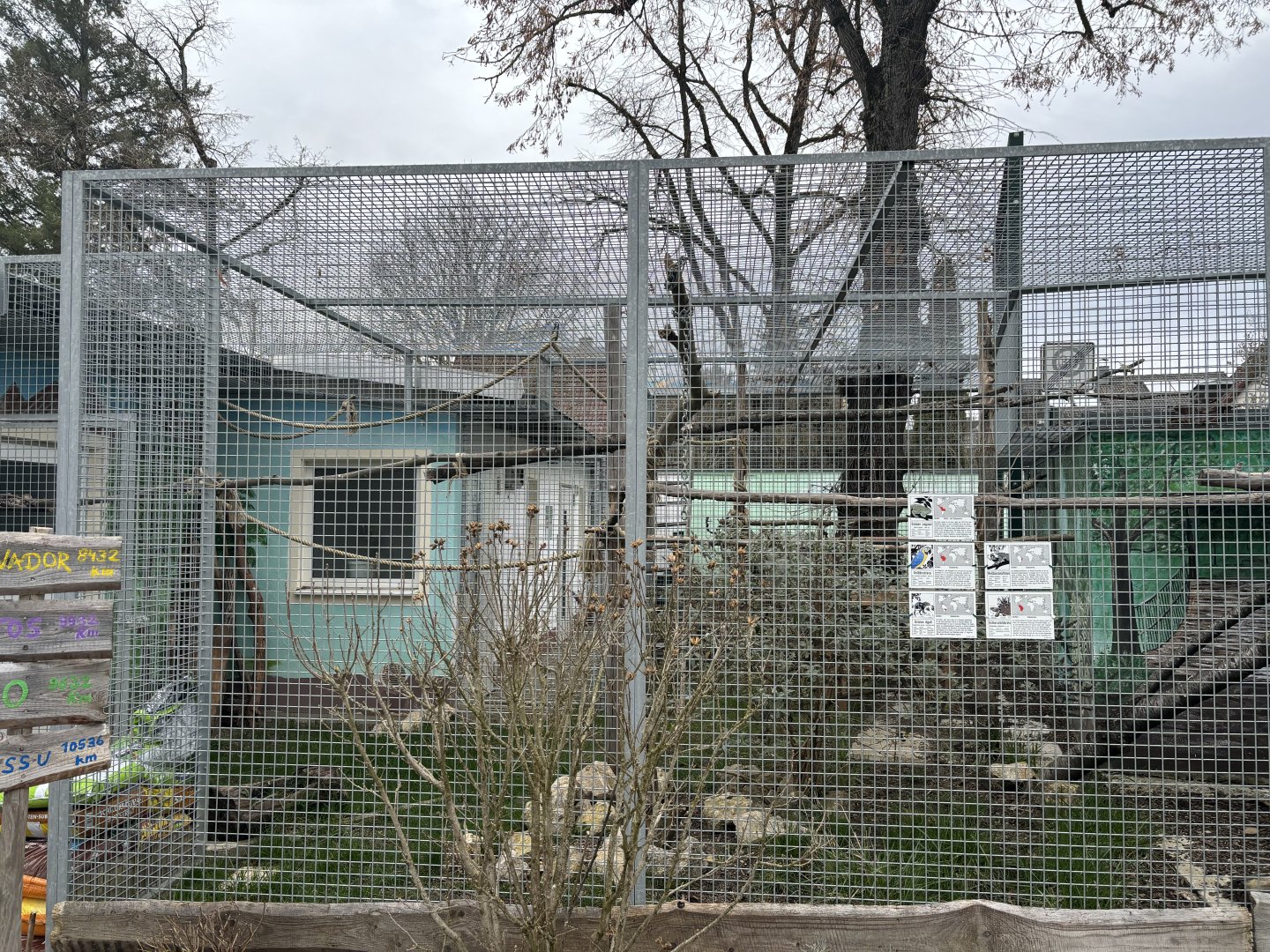
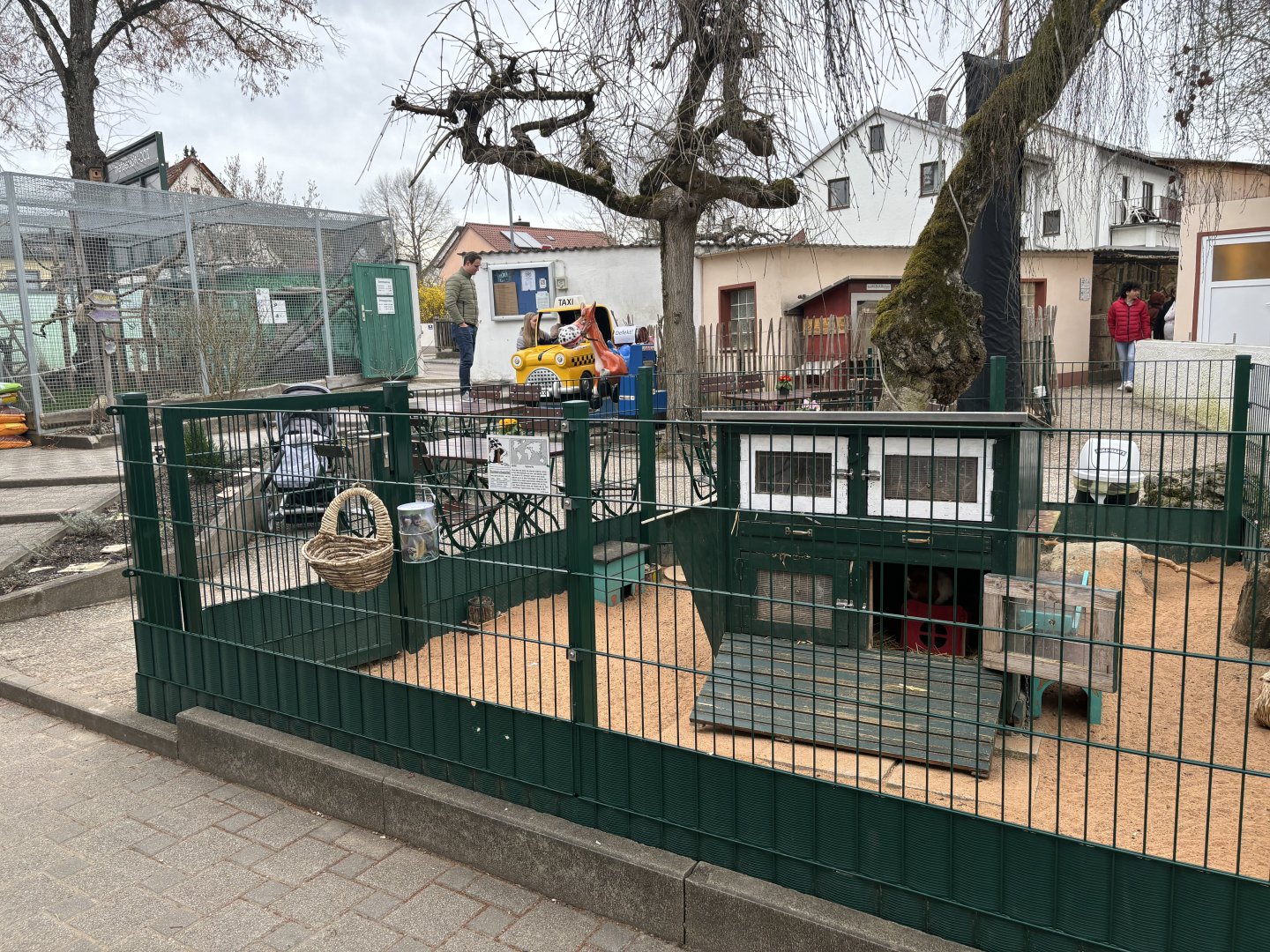
Right after passing through the door I was greeted with a bustling scene. On my right was a cage with signs for South American animals that would be considered as basic to many of us: common marmoset, blue and yellow macaw, green iguana, Azara’s agouti, and red-footed tortoise. On my left were a pair of coin-powered rides neighboring a small rabbit hutch. There was a visitor seating area before me which was also next to a small guinea pig enclosure. Across that was the cashier which also functioned as a gift shop and a convenience stand. I basically entered the park before I even had to pay for my admission. Even after paying I wasn’t given any receipts, tickets or maps making me hope that nothing awkward follows my transaction.
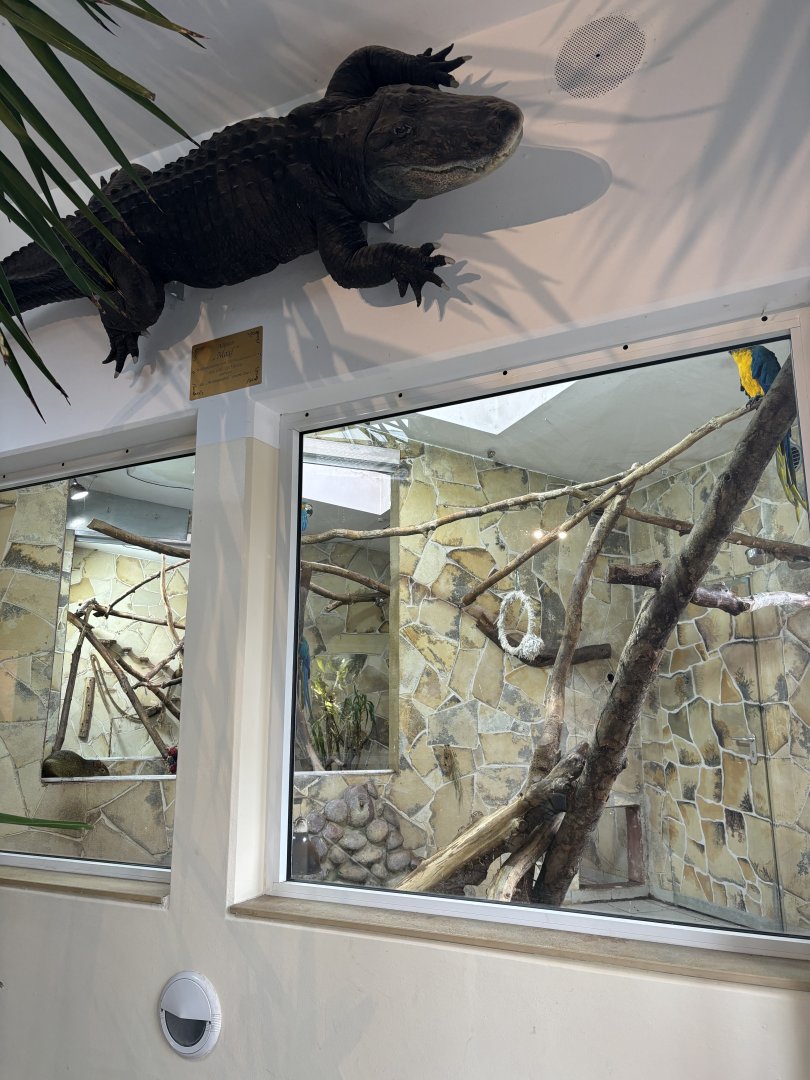
After paying my fee I went to the door right next to the South American habitat where one can enter the MaxlHause. After entering the first thing one can encounter is the taxidermy of the titular Maxl, the American alligator who was sixty four years old by the time he passed on. Maxl was hung above the indoor display of the previously mentioned South American enclosure.
I myself however first decided to check out the insect display which was no larger than two closets. These enclosures were placed in a narrow hallway and one has to duck to see some of the terrariums. I myself am not too well versed with the relevance of insects in European trade but the collection on display could be considered basic for some with inclusions such as African land snail, Madagascar hissing cockroaches, sun beetle, Siliquofera grandis, Peter’s longleg sugar ant, Lasiocyanosazimai, giant prickly stick insect, and walking leaf (I unfortunately couldn’t see the species name from my photograph). There was also one empty (?) unsigned enclosure between the Tarantula and the snails.
Then I walked up the stairs and decided to look at the terrariums. The wall enclosures were decently large for their inhabitants and gave them enough hiding space. The wall terrariums included (in no particular order): Green Trinket Snake, Knight Anole, Dumerill’s Boa, a mixed enclosure with Central Bearded Dragon and Common Blue-Tongued Skink, and finally a mixed enclosure for Colorado toad, Gila monster and common chuckwalla. There were also two small enclosures in the middle of the hallway with one of them housing Oriental fire-bellied toad while the other housed the Malamakibo day geckos. The former is one of the many Citizen Conservation (I will touch on that later) projects Wasserstern participates in. The geckos are, according to the park itself, is only kept here in Wassersten in Europe. And to that one person, yes, this is the only collection per ZTL that displays this species.
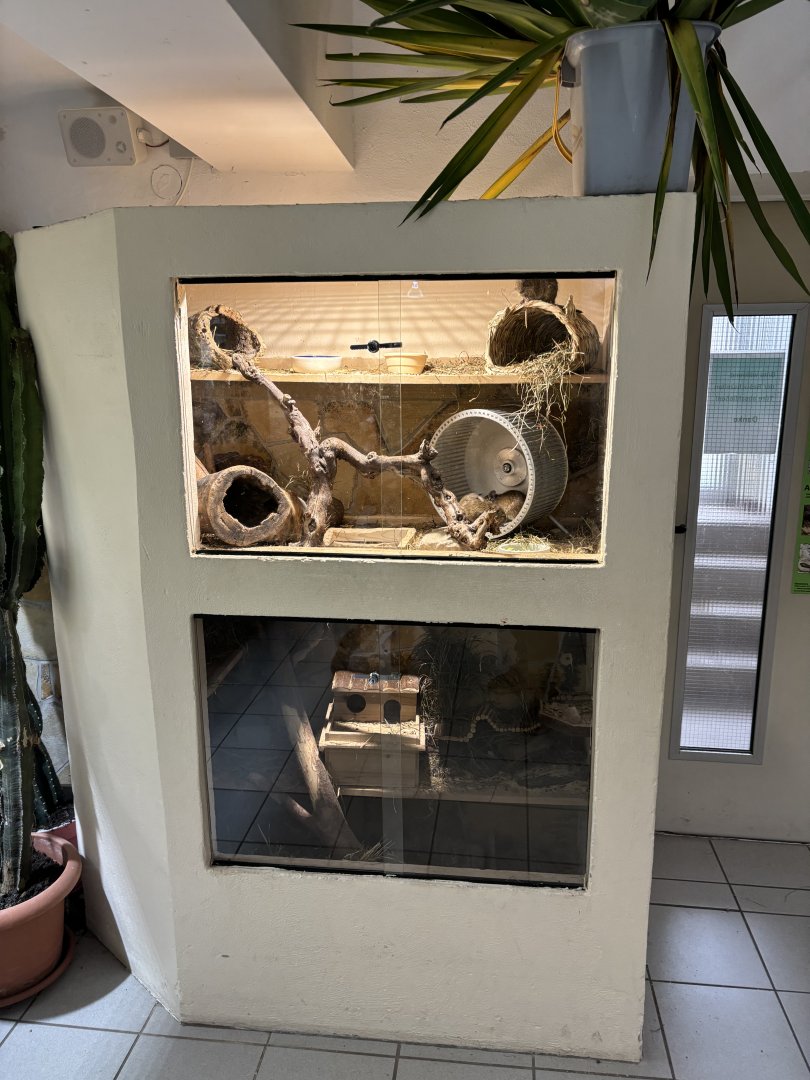
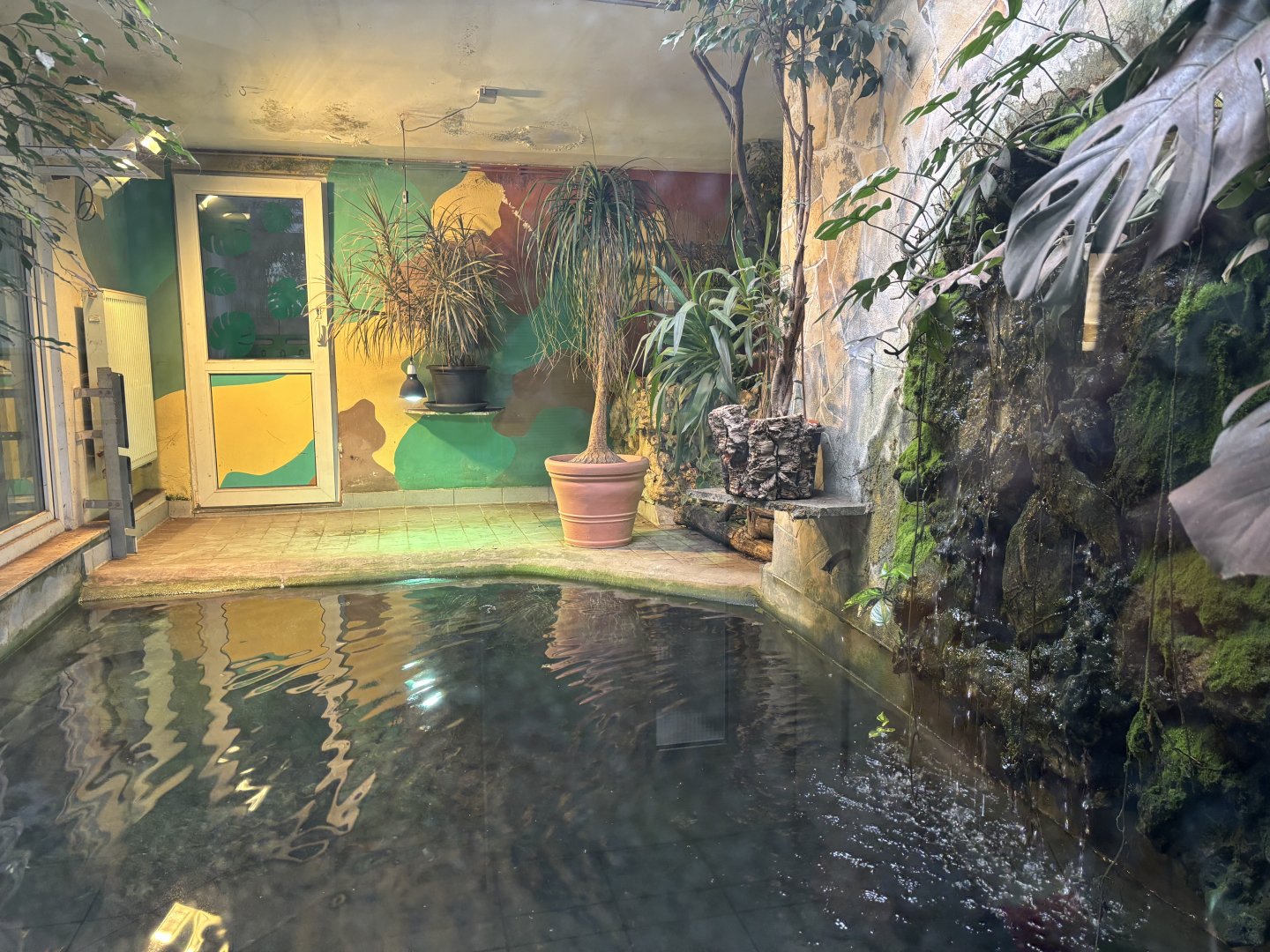
Before the hallway takes a turn to the right, one can meet at least three degus kept in a two story enclosure which one side is made of mesh helping the enclosure be ventilated for the degus even at the price of a musky encounter for the visitors. Right next to the indoor South American Enclosure across the terrariums and degus is a considerably small enclosure for a Yacare caiman named King. While the enclosure has some plants and a waterfall, I can’t say that the army camo wall and tile floor is going to be eye candy for many people.
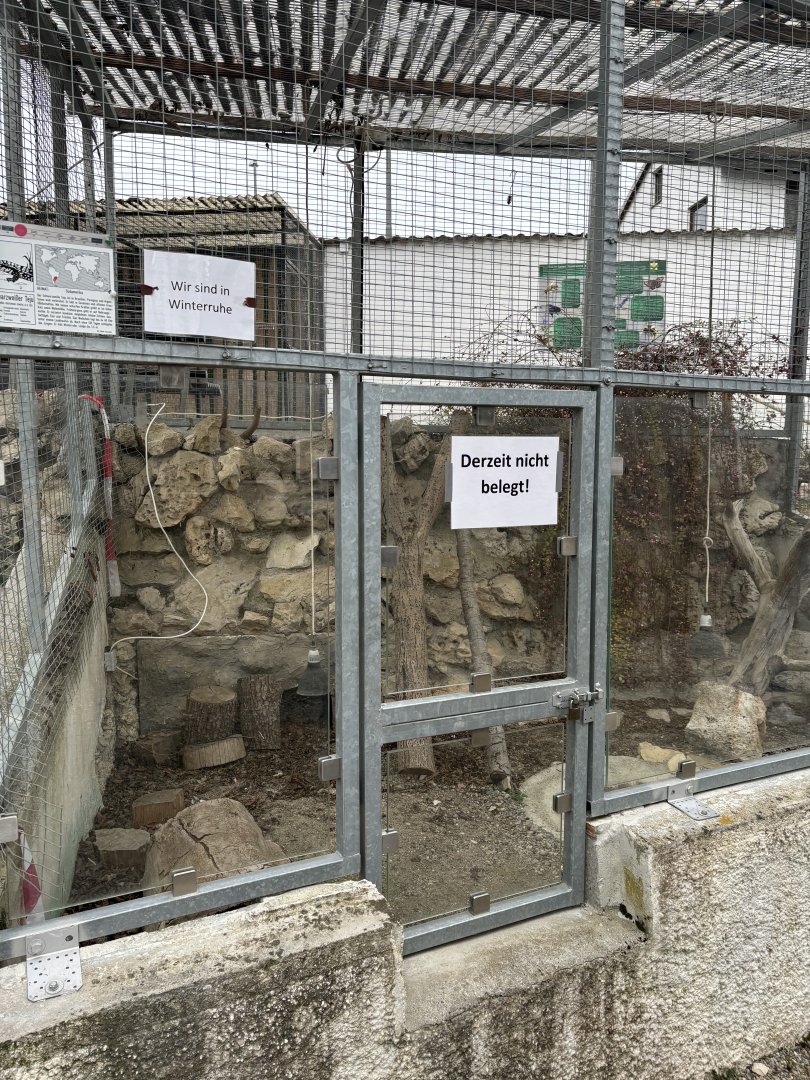
If you turn right from the degus you can see another narrow hallway that has more viewing areas for King on the right and bathrooms on the left. Across the hallway, however, is a door that leads to outdoor enclosures for aquatic turtles. Unfortunately for me, the animals were off display due to winter so the door to the enclosure was locked therefore I was not able to take pictures of the turtle enclosure. Other features the Maxl hall included a box of snake shed which visitors were allowed to touch and pick up and scanned images of historic media such as old aquaculture magazines, news paper articles about Wasserstern, and a book from 100 years ago which featured the founding of Wasserstern Association for Aquarists and Terrariumists (im unsure if that is the right term.) Even if I have done my research before visiting this place I would still be flabbergasted that this facility dates back to 100 years!!
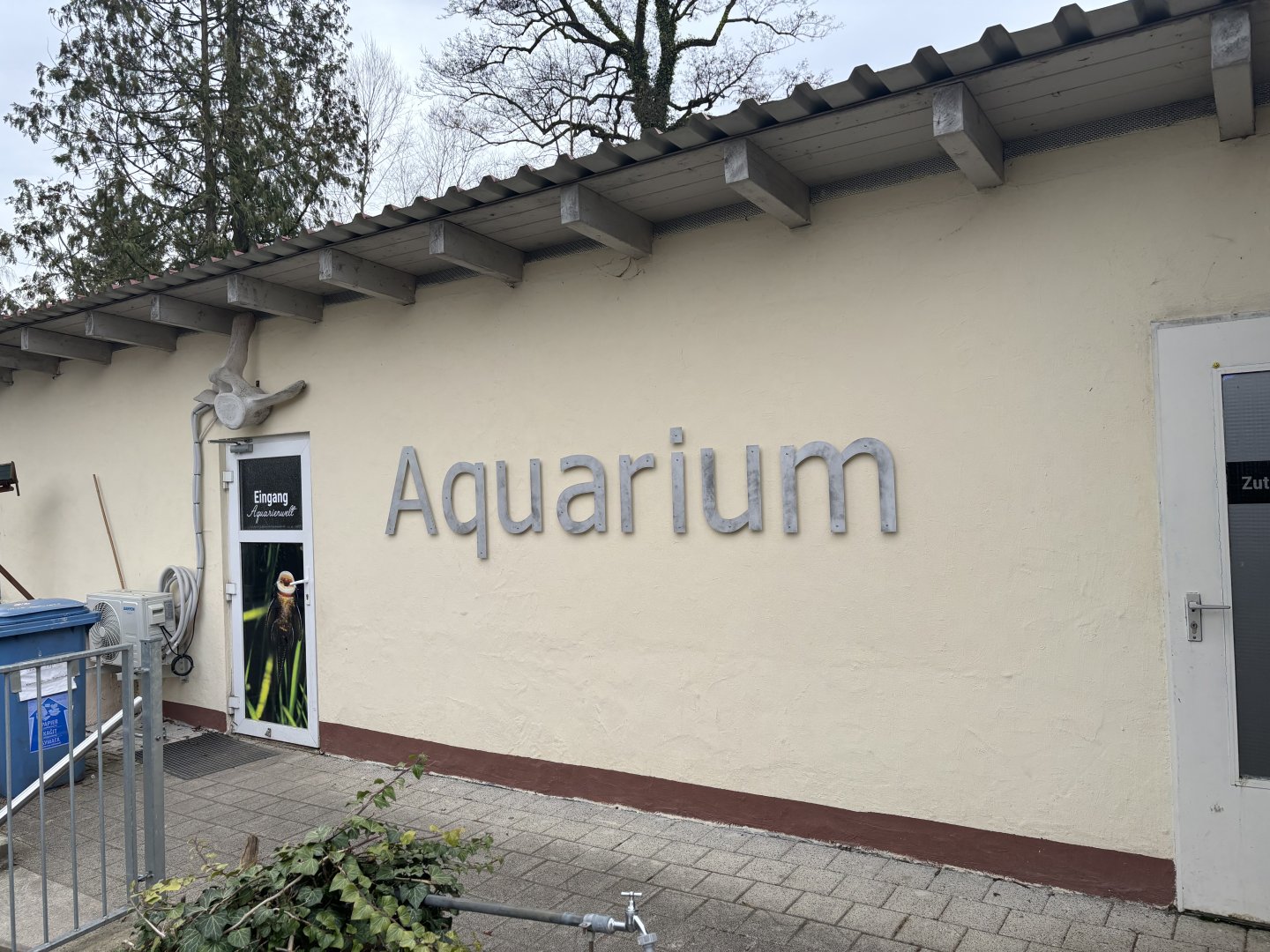
After getting out of the Maxl hall I passed by the convenience stand and headed to a blocky building which could be described as “self explanatory”:
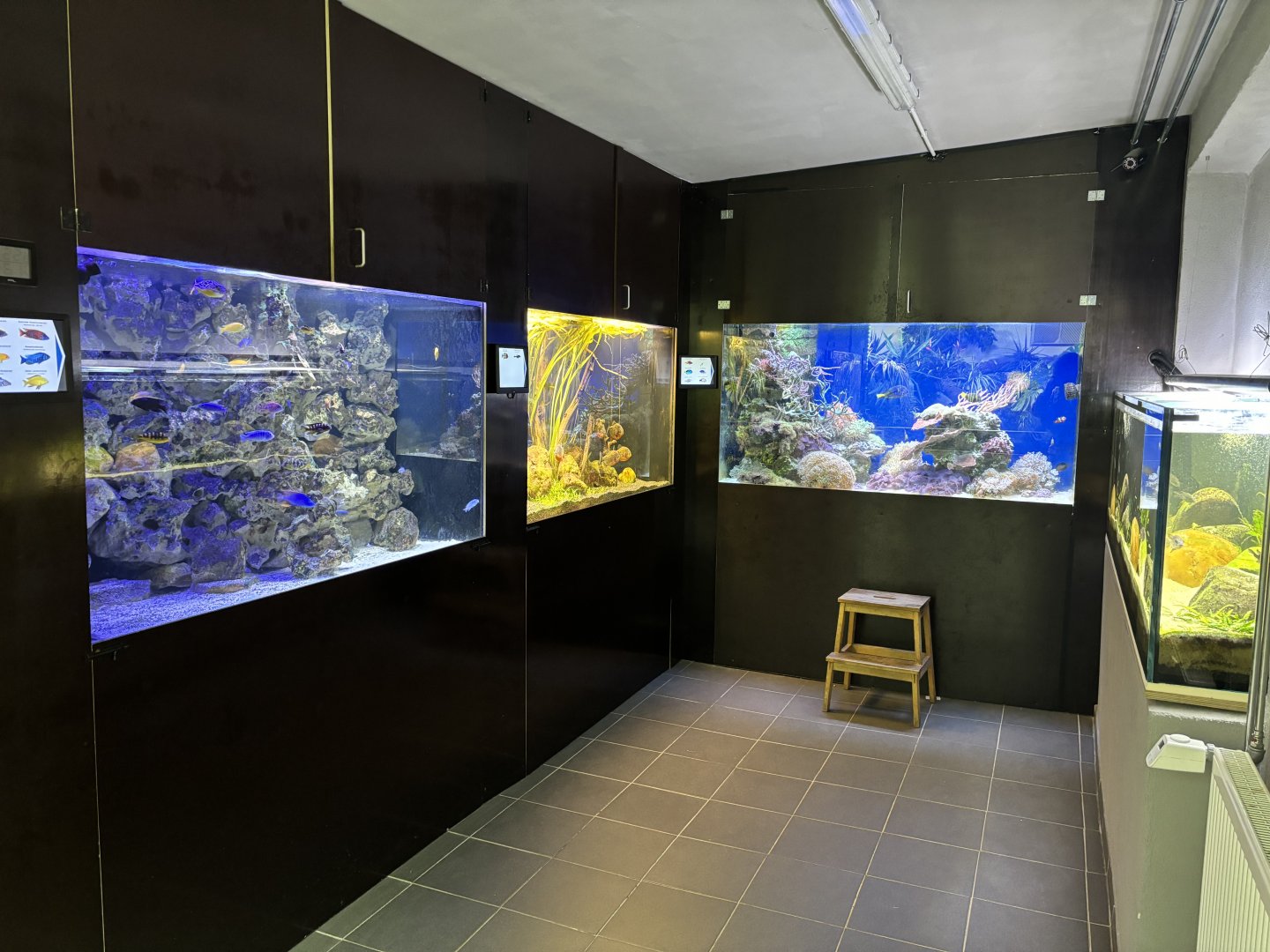
Despite the building being tiny I enjoyed the aquarium. The small size did make it difficult for me to take pictures of the area however the quality of the tanks did in my opinion compensate for it. The aquarium featured one tank with black pacu (and an iridescent shark that was not signed) with the top half not only open but also housing red-legged golden orb weavers. The other tanks basically filled in many niches one would expect from a zoo aquarium: a planted Asian tank featuring ghost catfish (along with other species), an African cichlid tank which housed a young mbu pufferfish, a South American tank featuring red-bellied piranhas, and a coral reef tank featuring the crowd favorite ocellaris clownfish and blue hippo tang with many other reef fish. Now the reason why I unfortunately am not giving a more detailed list of fish is because the signs here are screens that switch every other minute making it difficult to spot and identify all the animals in the tanks. Finally there was a large tank dedicated to a school of Mangalahara cichlids which are also bred under the previously mentioned Citizen Conservation initiative.
Visiting the zoo was pretty easy for me from the Ingolstadt Central Station. I had to take the bus that went to the center of the old town before I walked a few minutes through the town before reaching the Universität bus stop. I waited on the stop for a few minutes before getting on the bus (route 50) and rode through a suburban area before hopping off at the stop named after my destination. I was greeted with a wall that bares the name of the zoo. I walked by the wall before I saw an open green door that looked like it would otherwise lead to someone’s garden party. The door had the prices and opening hours listed.
Perimeter of Zoo Wassertstern (Ingolstadt)
Visitors using the bus stop get greeted with this wall.
Right after passing through the door I was greeted with a bustling scene. On my right was a cage with signs for South American animals that would be considered as basic to many of us: common marmoset, blue and yellow macaw, green iguana, Azara’s agouti, and red-footed tortoise. On my left were a pair of coin-powered rides neighboring a small rabbit hutch. There was a visitor seating area before me which was also next to a small guinea pig enclosure. Across that was the cashier which also functioned as a gift shop and a convenience stand. I basically entered the park before I even had to pay for my admission. Even after paying I wasn’t given any receipts, tickets or maps making me hope that nothing awkward follows my transaction.
After paying my fee I went to the door right next to the South American habitat where one can enter the MaxlHause. After entering the first thing one can encounter is the taxidermy of the titular Maxl, the American alligator who was sixty four years old by the time he passed on. Maxl was hung above the indoor display of the previously mentioned South American enclosure.
Indoor South American Enclosure and taxidermy of Maxl the Alligator
Part of the Maxlhaus
I myself however first decided to check out the insect display which was no larger than two closets. These enclosures were placed in a narrow hallway and one has to duck to see some of the terrariums. I myself am not too well versed with the relevance of insects in European trade but the collection on display could be considered basic for some with inclusions such as African land snail, Madagascar hissing cockroaches, sun beetle, Siliquofera grandis, Peter’s longleg sugar ant, Lasiocyanosazimai, giant prickly stick insect, and walking leaf (I unfortunately couldn’t see the species name from my photograph). There was also one empty (?) unsigned enclosure between the Tarantula and the snails.
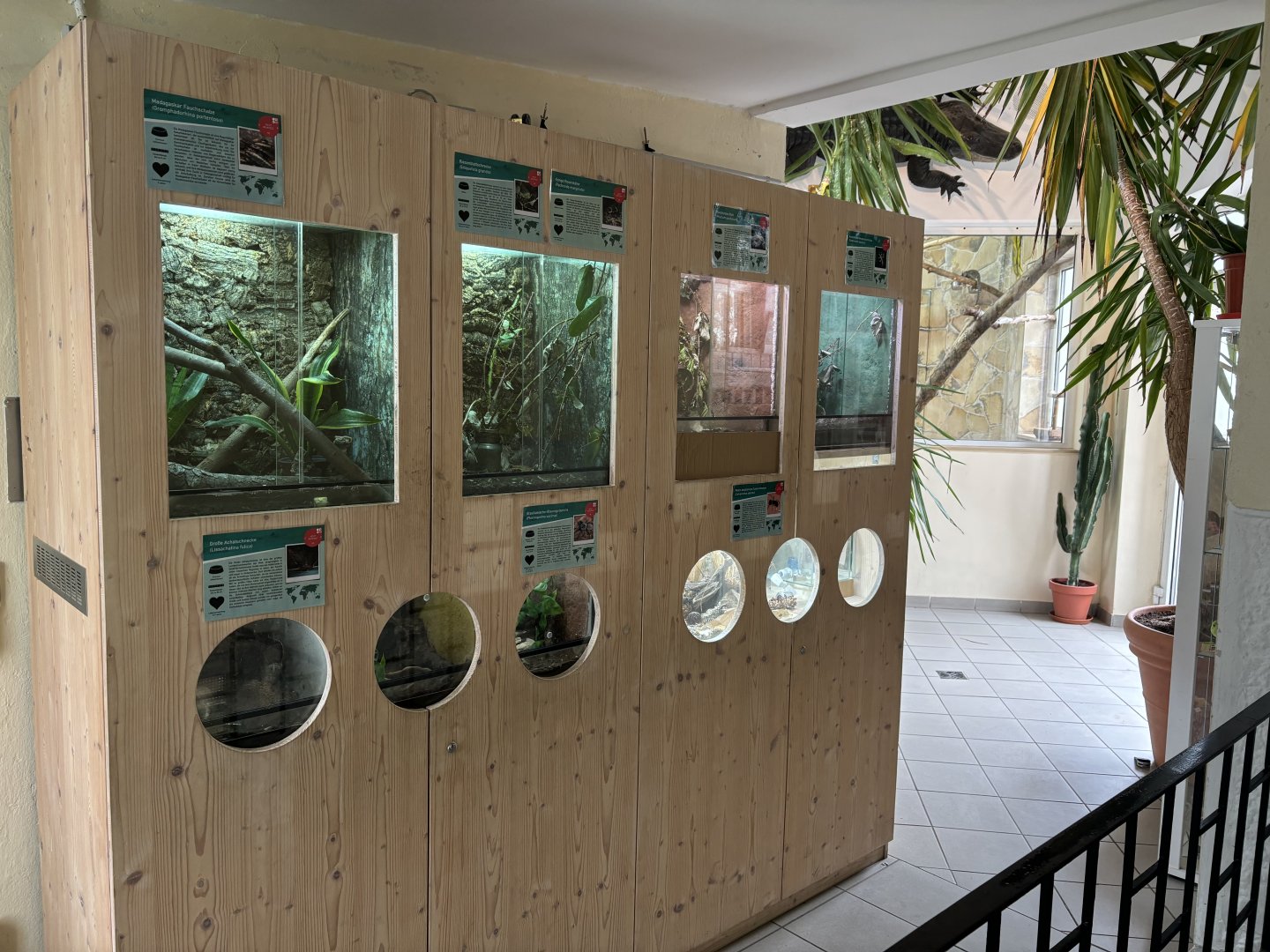
Then I walked up the stairs and decided to look at the terrariums. The wall enclosures were decently large for their inhabitants and gave them enough hiding space. The wall terrariums included (in no particular order): Green Trinket Snake, Knight Anole, Dumerill’s Boa, a mixed enclosure with Central Bearded Dragon and Common Blue-Tongued Skink, and finally a mixed enclosure for Colorado toad, Gila monster and common chuckwalla. There were also two small enclosures in the middle of the hallway with one of them housing Oriental fire-bellied toad while the other housed the Malamakibo day geckos. The former is one of the many Citizen Conservation (I will touch on that later) projects Wasserstern participates in. The geckos are, according to the park itself, is only kept here in Wassersten in Europe. And to that one person, yes, this is the only collection per ZTL that displays this species.

Before the hallway takes a turn to the right, one can meet at least three degus kept in a two story enclosure which one side is made of mesh helping the enclosure be ventilated for the degus even at the price of a musky encounter for the visitors. Right next to the indoor South American Enclosure across the terrariums and degus is a considerably small enclosure for a Yacare caiman named King. While the enclosure has some plants and a waterfall, I can’t say that the army camo wall and tile floor is going to be eye candy for many people.
If you turn right from the degus you can see another narrow hallway that has more viewing areas for King on the right and bathrooms on the left. Across the hallway, however, is a door that leads to outdoor enclosures for aquatic turtles. Unfortunately for me, the animals were off display due to winter so the door to the enclosure was locked therefore I was not able to take pictures of the turtle enclosure. Other features the Maxl hall included a box of snake shed which visitors were allowed to touch and pick up and scanned images of historic media such as old aquaculture magazines, news paper articles about Wasserstern, and a book from 100 years ago which featured the founding of Wasserstern Association for Aquarists and Terrariumists (im unsure if that is the right term.) Even if I have done my research before visiting this place I would still be flabbergasted that this facility dates back to 100 years!!
After getting out of the Maxl hall I passed by the convenience stand and headed to a blocky building which could be described as “self explanatory”:
Despite the building being tiny I enjoyed the aquarium. The small size did make it difficult for me to take pictures of the area however the quality of the tanks did in my opinion compensate for it. The aquarium featured one tank with black pacu (and an iridescent shark that was not signed) with the top half not only open but also housing red-legged golden orb weavers. The other tanks basically filled in many niches one would expect from a zoo aquarium: a planted Asian tank featuring ghost catfish (along with other species), an African cichlid tank which housed a young mbu pufferfish, a South American tank featuring red-bellied piranhas, and a coral reef tank featuring the crowd favorite ocellaris clownfish and blue hippo tang with many other reef fish. Now the reason why I unfortunately am not giving a more detailed list of fish is because the signs here are screens that switch every other minute making it difficult to spot and identify all the animals in the tanks. Finally there was a large tank dedicated to a school of Mangalahara cichlids which are also bred under the previously mentioned Citizen Conservation initiative.
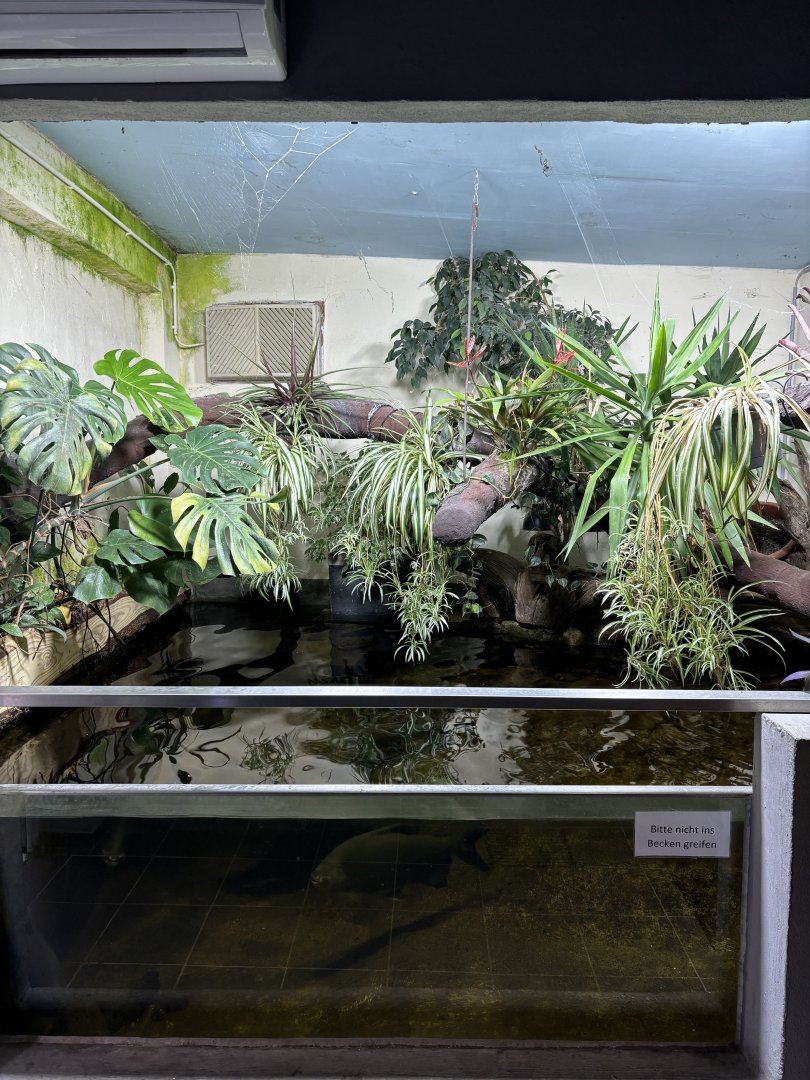
Inside the Aquarium at Zoo Wassertstern (Ingolstadt)
Not pictured are the Mangalahara chichlid tank and a planted Asian (?) tank.
Last edited: