Hello, everyone. It's been a while since I said hello from South Korea.
I haven't been able to come here often because I've been working as a Social Service Agent at Jinju City Hall for two years, but my service will be over soon. I hope I get to hear a lot of interesting informations again.
Back to the point, I'd like to talk about the a zoo and a pet shelter running together, like the thread title. The reason why I'm telling this topic is because it's closely related to the plan to relocate Jinyangho Zoo in Jinju City, my hometown.
In 2019, Jinju city was started to planning relocate of Jinyangho Zoo. And last year, an additional plans were made to build a Pet Support Center on some of the planned site for the zoo's relocation. This "Pet Support Center" includes pet shelter and dog playground. I think this additional plan was related to the recent attempts by various local governments in Korea to make pro-pet policies.
Since the announcement of the additional plan, some residents of that area have often protested near the city hall, saying their rights would be violated by animal shelters. However, the city seems to have decided to build a pet support center there.
I having worked at City Hall and scrutinized local news, Jinju City was think there will be synergy by keeping zoos and animal shelters close. Fundamentally, they would thought it would be better to arrange them together because they are both animal breeding facilities. And also, Jinju City believe that combining zoo and Pet Support Center can create developed-country style's animal-themed parks.
However, I am concerned about this newly established plan. This is because I think zoos and Pet Support Center is more likely to damage zoos than to positively affect each other. My concern is not due to the noise and odour caused by dogs, such as the claims made by residents who oppose the establishment of animal shelters.
The fundamental problem of my concern lies in Koreans' perception of zoo animals. Many visitors to Korean zoos stimulate zoo animals by throwing food and foreign substances, making noise, and trying to touch them.
I think this behavior of "bad" visitors is caused by thinking that they are like pets that can touch and feed zoo animals. Therefore, I think it is necessary to make sure to all visitors that all zoo animals are different from pet, regardless of whether they are captive wild animals or domestic animals.
But as I said earlier, this Pet Support Center has dog playgrounds, which aims to bring pets and play with them. People will bring dogs right next to the zoo and play with them, which is feared to create an atmosphere in which many visitors treat zoo animals as just pets.

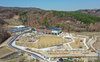
Daejeon Pet Park, which Jinju City is trying to refer to the most.
Source: Daejeon Metropolitan City Hall
There are some other concerns, but the biggest one is as described above. Therefore, I would like to look for about public zoos operated with or near an pet shelters.
Fortunately, I know the team leader in charge of the Jinyangho zoo operation and relocation plan, so I can give him an opinion. As planned, the two facilities will inevitably affect each other, I would like to refer to the case where the two facilities operate together without any problems, and furthermore, if there is a case where they have a positive effect on each other.
I haven't been able to come here often because I've been working as a Social Service Agent at Jinju City Hall for two years, but my service will be over soon. I hope I get to hear a lot of interesting informations again.
Back to the point, I'd like to talk about the a zoo and a pet shelter running together, like the thread title. The reason why I'm telling this topic is because it's closely related to the plan to relocate Jinyangho Zoo in Jinju City, my hometown.
In 2019, Jinju city was started to planning relocate of Jinyangho Zoo. And last year, an additional plans were made to build a Pet Support Center on some of the planned site for the zoo's relocation. This "Pet Support Center" includes pet shelter and dog playground. I think this additional plan was related to the recent attempts by various local governments in Korea to make pro-pet policies.

Since the announcement of the additional plan, some residents of that area have often protested near the city hall, saying their rights would be violated by animal shelters. However, the city seems to have decided to build a pet support center there.
I having worked at City Hall and scrutinized local news, Jinju City was think there will be synergy by keeping zoos and animal shelters close. Fundamentally, they would thought it would be better to arrange them together because they are both animal breeding facilities. And also, Jinju City believe that combining zoo and Pet Support Center can create developed-country style's animal-themed parks.
However, I am concerned about this newly established plan. This is because I think zoos and Pet Support Center is more likely to damage zoos than to positively affect each other. My concern is not due to the noise and odour caused by dogs, such as the claims made by residents who oppose the establishment of animal shelters.
The fundamental problem of my concern lies in Koreans' perception of zoo animals. Many visitors to Korean zoos stimulate zoo animals by throwing food and foreign substances, making noise, and trying to touch them.
I think this behavior of "bad" visitors is caused by thinking that they are like pets that can touch and feed zoo animals. Therefore, I think it is necessary to make sure to all visitors that all zoo animals are different from pet, regardless of whether they are captive wild animals or domestic animals.
But as I said earlier, this Pet Support Center has dog playgrounds, which aims to bring pets and play with them. People will bring dogs right next to the zoo and play with them, which is feared to create an atmosphere in which many visitors treat zoo animals as just pets.
Daejeon Pet Park, which Jinju City is trying to refer to the most.
Source: Daejeon Metropolitan City Hall
There are some other concerns, but the biggest one is as described above. Therefore, I would like to look for about public zoos operated with or near an pet shelters.
Fortunately, I know the team leader in charge of the Jinyangho zoo operation and relocation plan, so I can give him an opinion. As planned, the two facilities will inevitably affect each other, I would like to refer to the case where the two facilities operate together without any problems, and furthermore, if there is a case where they have a positive effect on each other.