Jardin des Plantes Some historical notes from Jardin des Plantes - Paris

vogelcommando

Well-Known Member
10+ year member
Althrough the Menagerie du Jardin des Plantes is the second-oldest zoo which still exist in the world, relative little has been written about it on ZooChat.
It opened 1794 but plans were made 2 years earlier and I found sources which mention 1793 as founding-year.
Already during the planning-phase the first 5 animals arrived and from these 5 animals of 5 different species 2 are noteable:
- a quagga - now extinc
- a northern bubal hartebeest - also now extinct. This animal came from a bevriended relation in Algiers
The other 3 animals were a 7 or 8 month old lion from Senegal, a Crowned pigeon ( no mention of the species ) and a Rhinoceros from "Indië" which could be one of the Asian species because Indië didn't only mean India but almost the complete area of South East Asia.
A very intresting story is how the Menagerie became its first 2 Sri Lankan elephants.
During 1784 the Dutch V.O.C ( United East-indian Company ) donated 2 Sri Lankan elephants to Prince Willem V, last "city-holder" of the Republic of the United Netherlands. They arrived in Vlissingen and were brought to the estate of the Prince called Het Kleine Loo near The Hague. Here they stay for about a year and then were send to a larger estate of the Pince called Het Loo near Apeldoorn. There the 2 elephants - called Hans and Parkie - stayed for 12 years.
From 1795 on the Netherlands became under the influence of the France Republic and on Sept. 26 1797 the elephants were taken in custody and transported to the Menagerie. This transport must have taken several weeks but I could't find any more information about the 2 elephants and thus don't know how long they lived at Paris.
 
Last edited:
...and a Rhinoceros from "Indië" which could be one of the Asian species because Indië didn't only mean India but almost the complete area of South East Asia.
Thank you for this very interesting post.

I am intrigued by the mention of such an early rhinoceros at the Jardin des Plantes Menagerie.

In his book The Rhinoceros in Captivity Rookmaaker only lists three Asian rhinos in the Jardin des Plantes Menagerie:
  1. Indian rhino 1850 - 1854
  2. Indian rhino 1865 - 1874 (This is the rhinoceros Paris received from London Zoo in exchange for the famous African elephant "Jumbo")
  3. Sumatran rhino 1885 - 1887
Information about much a much earlier rhino is very interesting. Do you know where it came from? Was it the Royal Menagerie at Versailles?
 
Between 1792 and 1794 the 5 mentioned animals went from Versailles to the Jardin des Plantes
( source : De Dierentuin van het Koninklijk Genootschap Natura Artis Magistra te Amsterdam - 1872 pp. XI )
 
Between 1792 and 1794 the 5 mentioned animals went from Versailles to the Jardin des Plantes
( source : De Dierentuin van het Koninklijk Genootschap Natura Artis Magistra te Amsterdam - 1872 pp. XI )
Thanks for confirming this.
 
The Versailles rhino has its own Wikipedia page, where it says the origin was Calcutta (and it is using Rookmaaker's book as one of the references): Rhinoceros of Versailles - Wikipedia

The page doesn't mention the Jardin des Plantes, and just says the rhino died in 1793 which probably explains why Rookmaaker's book doesn't include it in that zoo's collection (as it didn't open until 1794).
 
Last edited:
The Versailles rhino has its own Wikipedia page, where it says the origin was Calcutta (and it is using Rookmaaker's book as one of the references): Rhinoceros of Versailles - Wikipedia

The page doesn't mention the Jardin des Plantes, and just says the rhino died in 1793 which probably explains why Rookmaaker's book doesn't include it in that zoo's collection (as it didn't open until 1794).
The Versailles Rhino is at the Grand Gallerie de l'Evolution near the zoo. It used to be up on the upmost floor but then went to Versailles for a temporary exhibit about the menagerie there and now it's back. However, it looks like it's in a different location in the museum with an added decorative background. I have photos of it from my 2010 visit in the Grand Gallerie de l'Evolution gallery before it went to Versailles.

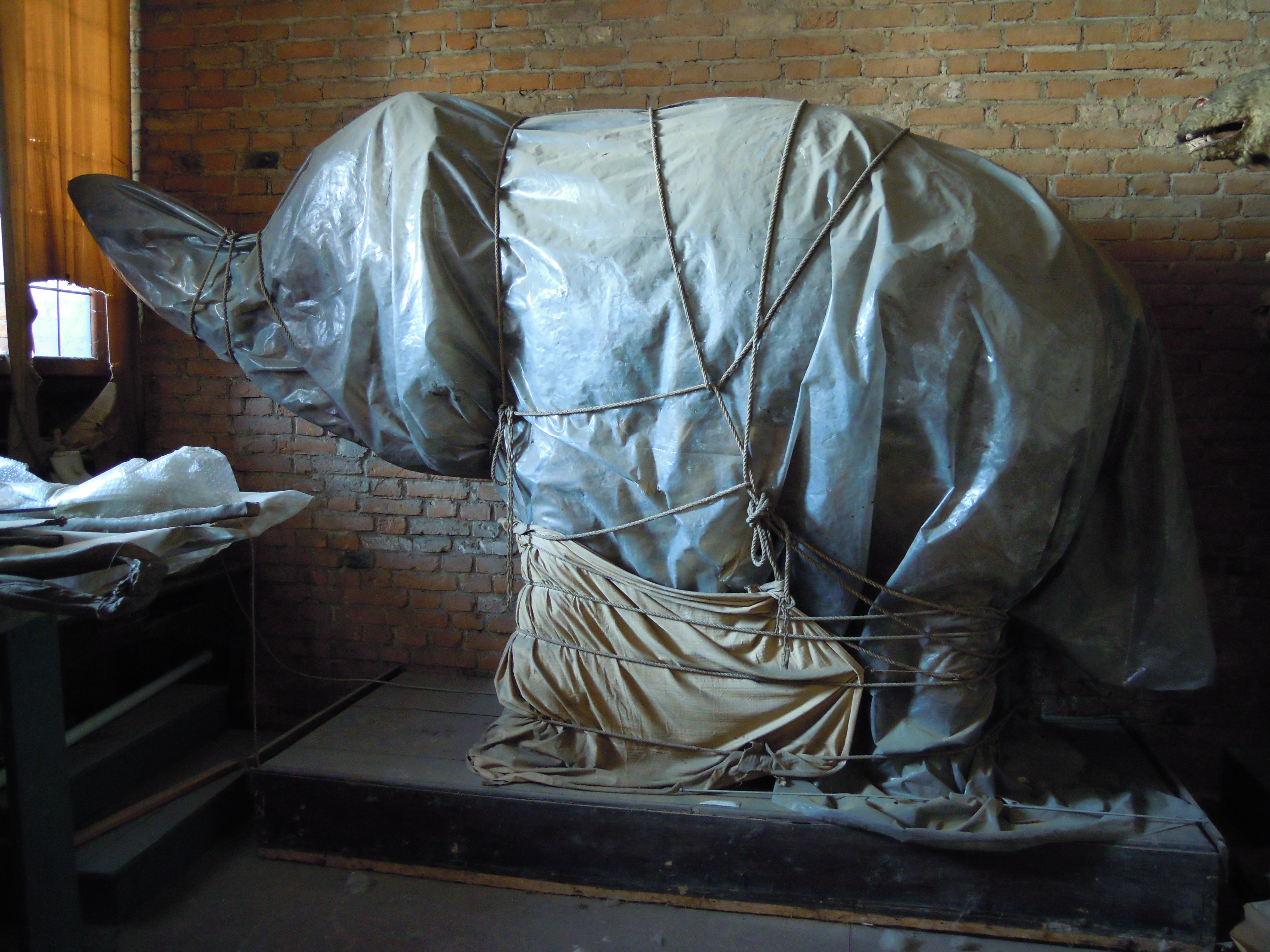
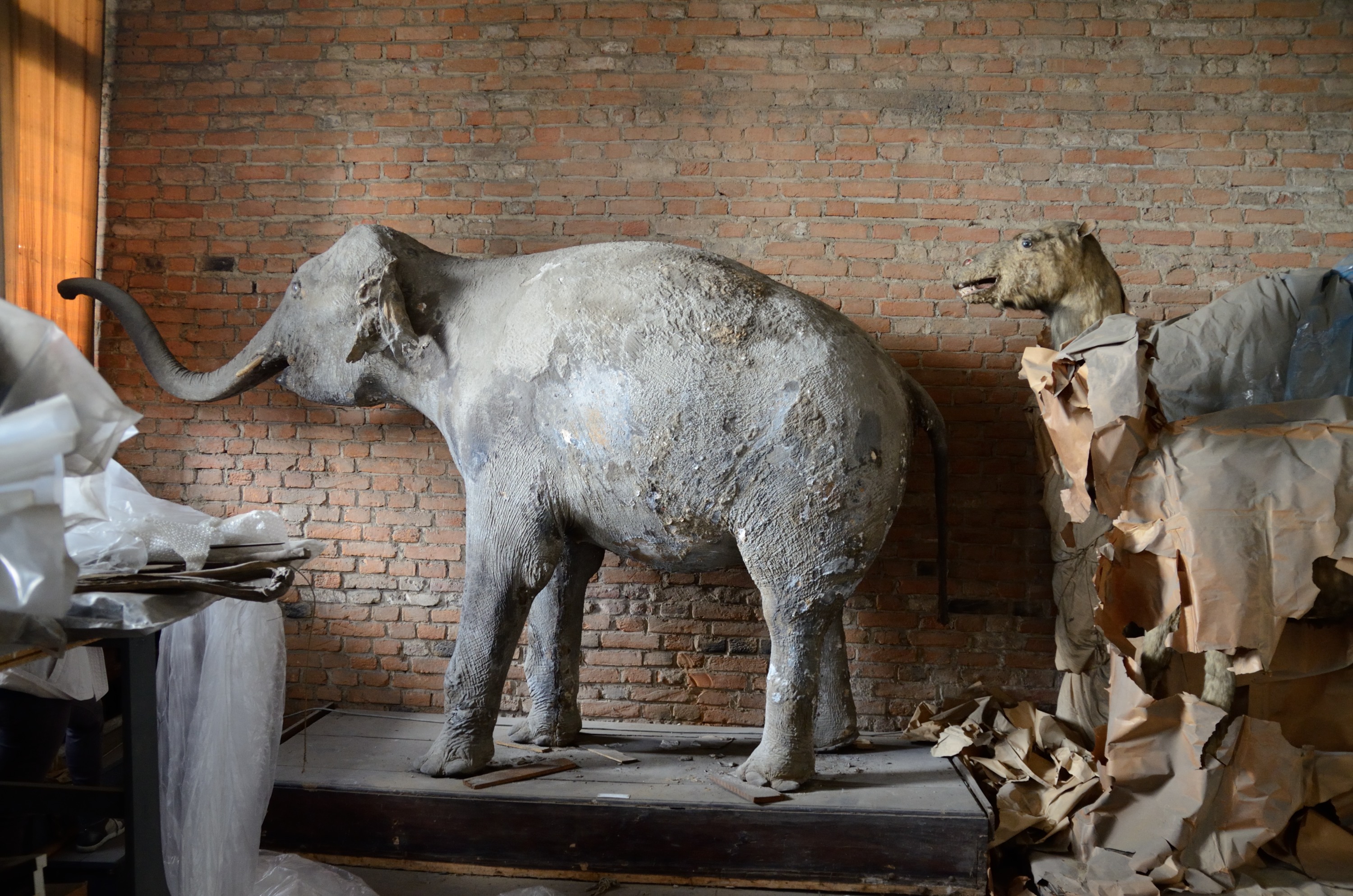
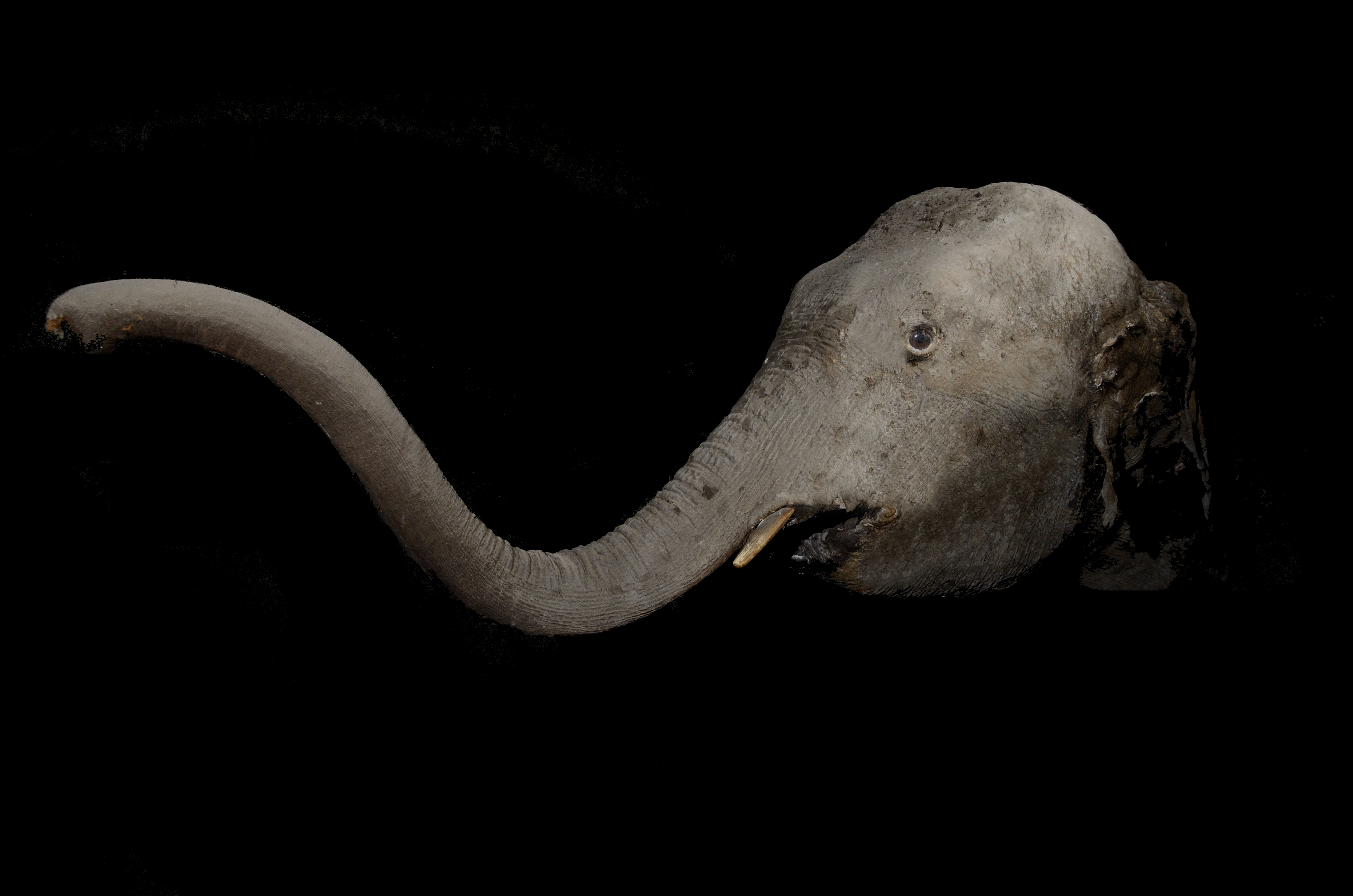
Asian Elephants Parkie & Hans used to be on display at the museum but now Hans is at the Museum de Bourges where he has been since 1931. Parkie is currently on loan from the MNHN to a temporary exhibit at the Musee d'Orsay.

%D0%B7%D0%BD%D1%96%D0%BC%D0%BE%D0%BA-%D0%B5%D0%BA%D1%80%D0%B0%D0%BD%D0%B0-2020-10-13-%D0%BE-135830.png
 
Historyof an even earlier Indian elephant which was kept at Versailles even before it became a zoo :

The elephant of Napoleon, an Asian elephant at Versailles menagerie
I didn't even know about this famous elephant before. Its history is fascinating!

From Wikipedia:
"In 1772, Jean-Baptiste Chevalier, last French governor of Chandannagar decided to gift an elephant to King Louis XV. The elephant was a two-year-old Asian elephant (Elephas maximus), which left Bengal, India for France on ship which belonged to the Company of Indies. Ten months later, the elephant landed at Lorient in Brittany (Bretagne). It made a long journey on foot, under the watchful eyes of curious crowds, all the way to the Palace of Versailles. There, it remained at the Court of the King as an animal attraction for the guest of the palace and naturalists, among them, Petrus Camper, a Dutch anatomist who eventually published a volume on the natural history of elephants (Camper, 1803).[10][11][12]

The elephant died sometime in the night between 24th and 25 September 1782, after falling into the waters of a canal in the park. The body was taken to the Jardin du Roi in Paris and was prominent anatomists, Jean-Claude Mertrud and Edme-Louis Daubenton.[10] The skin was on display in the National Museum of Natural History in Paris. In 1804, Napoleon Bonaparte donated the elephant skin to the Natural History Museum, at the University of Pavia, along with other zoological specimens.[11] The curator of the Museum, Vincenzo Rosa, took care of the creation of the specimen and mounted it in 1812. Due to the museum's policies, the specimen was kept away from the public eye and remained inaccessible for more that two centuries, stored at Visconti Castle from 1960 to 2014.[10]

In December 2014, the elephant specimen was transferred to Palazzo Botta for restoration. It underwent careful cleaning and was subjected to major restoration work in order to repair the damage suffered over the centuries caused by mold and wear and tear. The restoration project was part of a Universitiamo campaign,[13] which was the crowd funding platform for the University of Pavia. The restoration was completed with additional funds from Regione Lombardia.

In the spring of 2015, after more than 60 years of being stored in the attic of Visconti Castle in Pavia, the elephant was put on display at the University of Pavia.[14] The elephant exhibition was held at Palazzo Centrale from 30 April to 31 October 2015 and attracted more than 10,000 visitors.[10] On 27 October 2015, the elephant was named Shanti, which was chosen by Carlo Violani, one of the donors of the 2015 Universitiamo campaign.[15]

On 8 April 2017, the university arranged for an event "A Day for the Elephant" (Italian: Un giorno da Elefante) at Palazzo Botta, which included a tour of the Natural History Museum.[8]"

Here are some photos I found of it online:
DSCN6129.jpg

EDO_0446.jpg

ELEFANTE_A-1.jpg

1747074-kusE-U43080376261632ODF-1224x916@Corriere-Web-Milano-593x443.jpg

image.jpg

image.jpg


In terms of elephants currently at the Grande Gallerie de l'Evolution, Siam doesn't seem to be aging all that well for only being on display since 2001. I found this picture of him recently. I hope the museum continues to take care of him and not let him get infested by insects like other famous historic Asian Elephant mounts such as Tip and Bolivar!
720x405_siamok.jpg
 
Last edited:
I didn't even know about this famous elephant before. Its history is fascinating!

From Wikipedia:
"In 1772, Jean-Baptiste Chevalier, last French governor of Chandannagar decided to gift an elephant to King Louis XV. The elephant was a two-year-old Asian elephant (Elephas maximus), which left Bengal, India for France on ship which belonged to the Company of Indies. Ten months later, the elephant landed at Lorient in Brittany (Bretagne). It made a long journey on foot, under the watchful eyes of curious crowds, all the way to the Palace of Versailles. There, it remained at the Court of the King as an animal attraction for the guest of the palace and naturalists, among them, Petrus Camper, a Dutch anatomist who eventually published a volume on the natural history of elephants (Camper, 1803).[10][11][12]

The elephant died sometime in the night between 24th and 25 September 1782, after falling into the waters of a canal in the park. The body was taken to the Jardin du Roi in Paris and was prominent anatomists, Jean-Claude Mertrud and Edme-Louis Daubenton.[10] The skin was on display in the National Museum of Natural History in Paris. In 1804, Napoleon Bonaparte donated the elephant skin to the Natural History Museum, at the University of Pavia, along with other zoological specimens.[11] The curator of the Museum, Vincenzo Rosa, took care of the creation of the specimen and mounted it in 1812. Due to the museum's policies, the specimen was kept away from the public eye and remained inaccessible for more that two centuries, stored at Visconti Castle from 1960 to 2014.[10]

In December 2014, the elephant specimen was transferred to Palazzo Botta for restoration. It underwent careful cleaning and was subjected to major restoration work in order to repair the damage suffered over the centuries caused by mold and wear and tear. The restoration project was part of a Universitiamo campaign,[13] which was the crowd funding platform for the University of Pavia. The restoration was completed with additional funds from Regione Lombardia.

In the spring of 2015, after more than 60 years of being stored in the attic of Visconti Castle in Pavia, the elephant was put on display at the University of Pavia.[14] The elephant exhibition was held at Palazzo Centrale from 30 April to 31 October 2015 and attracted more than 10,000 visitors.[10] On 27 October 2015, the elephant was named Shanti, which was chosen by Carlo Violani, one of the donors of the 2015 Universitiamo campaign.[15]

On 8 April 2017, the university arranged for an event "A Day for the Elephant" (Italian: Un giorno da Elefante) at Palazzo Botta, which included a tour of the Natural History Museum.[8]"

Here are some photos I found of it online:
DSCN6129.jpg

EDO_0446.jpg

ELEFANTE_A-1.jpg

1747074-kusE-U43080376261632ODF-1224x916@Corriere-Web-Milano-593x443.jpg

image.jpg

image.jpg


In terms of elephants currently at the Grande Gallerie de l'Evolution, Siam doesn't seem to be aging all that well for only being on display since 2001. I found this picture of him recently. I hope the museum continues to take care of him and not let him get infested by insects like other famous historic Asian Elephant mounts such as Tip and Bolivar!
720x405_siamok.jpg

Thanks for sharing @Sarus Crane this is really interesting !

It looks like he was unearthed in a really poor state which considering the age of the specimen is not too surprising.

He reminds me of those dessicated mumified mammoths that are sometimes found as the ice melts in the Siberian Taiga or steppe.
 
Last edited:
Thanks for sharing @Sarus Crane this is really interesting !

It looks like he was unearthed in a really poor state which considering the age of the specimen is not too surprising.

He reminds me of those dessicated mumified mammoths that are sometimes found as the ice melts in the Siberian Taiga or steppe.
After his death, his skin was stored in a freezer before being mounted in 2000-2001. He also seemed to be overweight so perhaps the fat deposits didn't help his skin condition? As far as mammoths are concerned, Siam was as large if not larger than the average Wooly Mammoth bull. He was 10'6 (shoulder) and 11' at the back so that's big enough for me. Who needs Wooly Mammoths when you have extant elephants that get this big right?
 
After his death, his skin was stored in a freezer before being mounted in 2000-2001. He also seemed to be overweight so perhaps the fat deposits didn't help his skin condition? As far as mammoths are concerned, Siam was as large if not larger than the average Wooly Mammoth bull. He was 10'6 (shoulder) and 11' at the back so that's big enough for me. Who needs Wooly Mammoths when you have extant elephants that get this big right?


Oh no I meant the first elephant from the 18th century and it's appearance.

The other elephant specimen of " siam" looks like it is in pretty good condition.
 
The Versailles rhino has its own Wikipedia page, where it says the origin was Calcutta (and it is using Rookmaaker's book as one of the references): Rhinoceros of Versailles - Wikipedia

The page doesn't mention the Jardin des Plantes, and just says the rhino died in 1793 which probably explains why Rookmaaker's book doesn't include it in that zoo's collection (as it didn't open until 1794).

A small detail regarding the rhino, in "New Worlds New Animals. From Menagerie to Zoological park in the Nineteenth Century", from RJ Hoage and William A Deiss, it is stated that this rhino came to the Jardin des Plantes as late as in april 1794. Indeed from Versailles and with other animals (amongst them 'a lion and his canine companion'). But the rhino died just before transportation. Maybe it died in 1793 en came to the museum only in 1974, that could explain the time gap.
Source given in this book : Gustave Loisel, "Notes sur les ménageries actuelles", in "Histoire des ménageries de l'antiquité à nos jours", 3 volumes, Paris, Octave Doin et Fils and Henri Laurens, 1912, 2:125-30, 3:105-7.
 
The Jardin des Plantes was
the only ZTL that had indris, Ethiopian dwarf mongooses, Surinam golden-eyed tree frogs, yellow tits and King Island emus
1 of 2 ZTL zoos that had intermediate egrets, Johnston's mangabeys, white-fronted woodpeckers, St Lucia giant rice rats and yellow-throated bold-eyed tree snakes
1 of 3 ZTL zoos that had thin-spined porcupines, Philippine brown deer, Uta Hick's bearded sakis and broad-striped vontsiras
1 of 4 ZTL zoos that had short-eared dogs, red-footed boobies, red-necked pademelons and spot-billed eagle owls
1 of 5 ZTL zoos that had thylacines, yellow-billed blue magpies, red-billed pigeons, purple-headed starlings, Schomburgk's deer and Cuban macaws
 
Back
Top