
This scientific article published a year ago has not been mentioned here yet, I think. But it sumarizes nicely captive flamingo reproductive success of last 30 years using zoo animal records on ZIMS (formerly knows as ISIS).
Link to study
I chose probably the most important excerpt from the whole text and tables:
"There are notable increases in the probability of reproduction between flock sizes of 40 to 100+ individuals in all species. The currently recommended flock size of 40 individuals (2005 Flamingo Husbandry Guidelines of AZA/EAZA ) results in a probability of reproduction of 0% for P. minor, 29% for P. chilensis, 16% for P. roseus, and 46% for P. ruber. The flock size necessary to achieve a 50% probability of reproduction is 100 for P. minor, 52 for P. chilensis, 54 for P. roseus, and 41 for P. ruber."
Figure of captive flamingos recorded on ZIMS in April 2019:
Greater flamingo (roseus) - 6928 birds kept at 186 collections, 6594 chicks produced (1990-2019)
Caribbean flamingo (ruber) - 5855 birds kept at 172 collections, 6506 chicks produced (1990-2019)
Chilean flamingo (chilensis) - 5528 birds kept at 177 collections, 5722 chicks produced (1990-2019)
Lesser flamingo (minor) - 1422 birds kept at 58 collections, 285 chicks produced (1990-2019)
That makes in total almost 20.000 captive flamingos. If we add birds kept at zoos that are not part of ZIMS and numerous private holdings we could come somewhere in the ballpark of 30.000-40.000 captive birds worldwide.
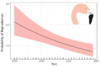
There is a lot of interesting info, but I chose this worrying graph showing trend of captive reproduction in Chilean flamingos that shows that it deteriorates!!!, unlike other species. Probably, wild-caught birds that were imported en-masse till 1980s are getting old and less flocks reproduce annually than it used before.
 .
.
Link to study
I chose probably the most important excerpt from the whole text and tables:
"There are notable increases in the probability of reproduction between flock sizes of 40 to 100+ individuals in all species. The currently recommended flock size of 40 individuals (2005 Flamingo Husbandry Guidelines of AZA/EAZA ) results in a probability of reproduction of 0% for P. minor, 29% for P. chilensis, 16% for P. roseus, and 46% for P. ruber. The flock size necessary to achieve a 50% probability of reproduction is 100 for P. minor, 52 for P. chilensis, 54 for P. roseus, and 41 for P. ruber."
Figure of captive flamingos recorded on ZIMS in April 2019:
Greater flamingo (roseus) - 6928 birds kept at 186 collections, 6594 chicks produced (1990-2019)
Caribbean flamingo (ruber) - 5855 birds kept at 172 collections, 6506 chicks produced (1990-2019)
Chilean flamingo (chilensis) - 5528 birds kept at 177 collections, 5722 chicks produced (1990-2019)
Lesser flamingo (minor) - 1422 birds kept at 58 collections, 285 chicks produced (1990-2019)
That makes in total almost 20.000 captive flamingos. If we add birds kept at zoos that are not part of ZIMS and numerous private holdings we could come somewhere in the ballpark of 30.000-40.000 captive birds worldwide.
There is a lot of interesting info, but I chose this worrying graph showing trend of captive reproduction in Chilean flamingos that shows that it deteriorates!!!, unlike other species. Probably, wild-caught birds that were imported en-masse till 1980s are getting old and less flocks reproduce annually than it used before.
.Attachments
Last edited: