14.02.2021. Taralga Wildlife Park is a small, privately-owned facility near the village of Taralga in Southern NSW. It invites visitors to explore on foot, and allows them to get up close and personal with the animals.
The park site is farmland comprising of several paddocks, farmyard pens and multiple aviaries. A natural watercourse runs through the property and there is large farm dam.
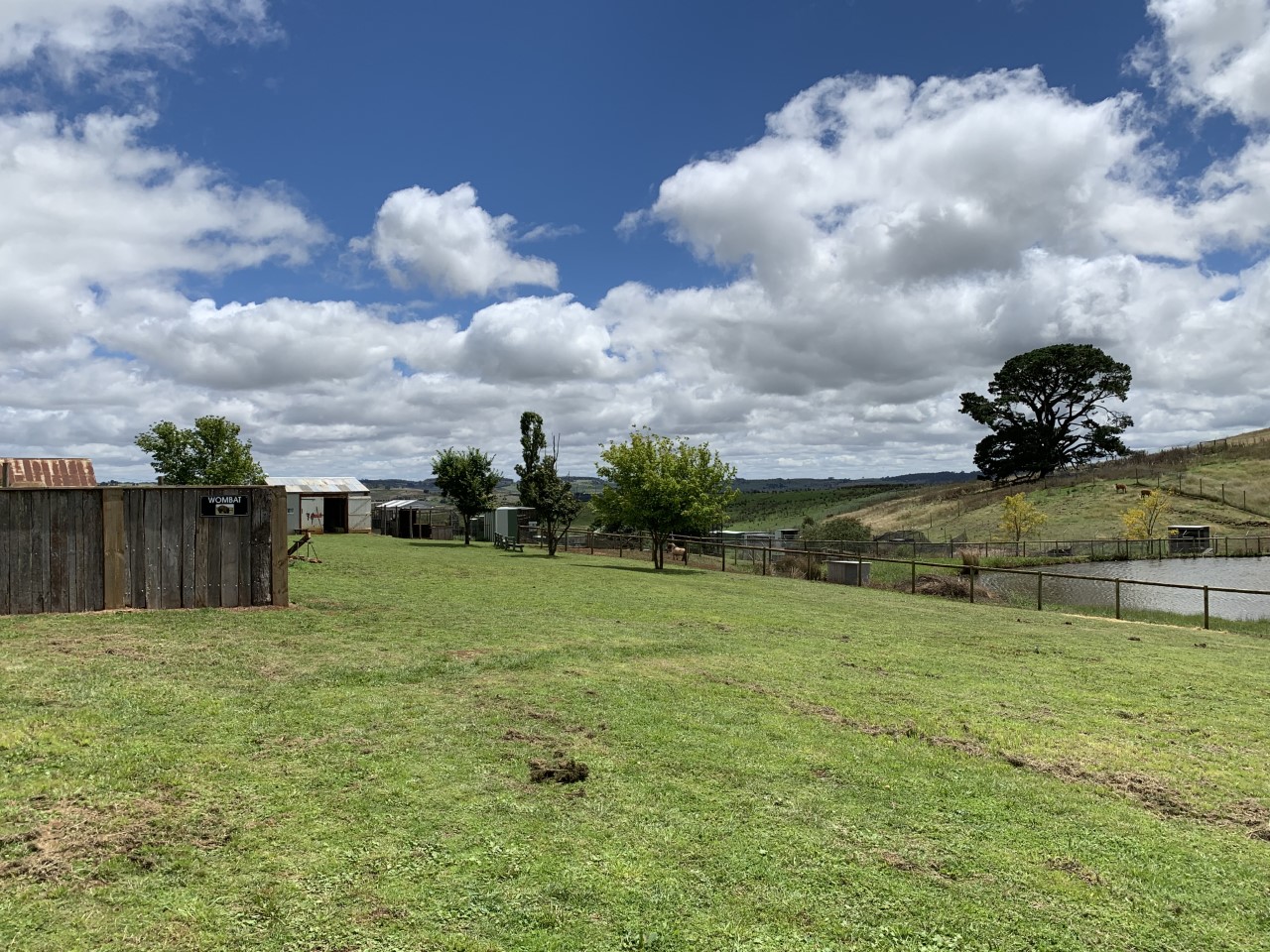 The park is open on weekends and school holidays, or via appointment at other times for group bookings. My ticket cost $15, and the ticket for my four-year-old nephew was $10. I bought our tickets on arrival, and we were given the option of taking some feed for the animals for free, which we did.
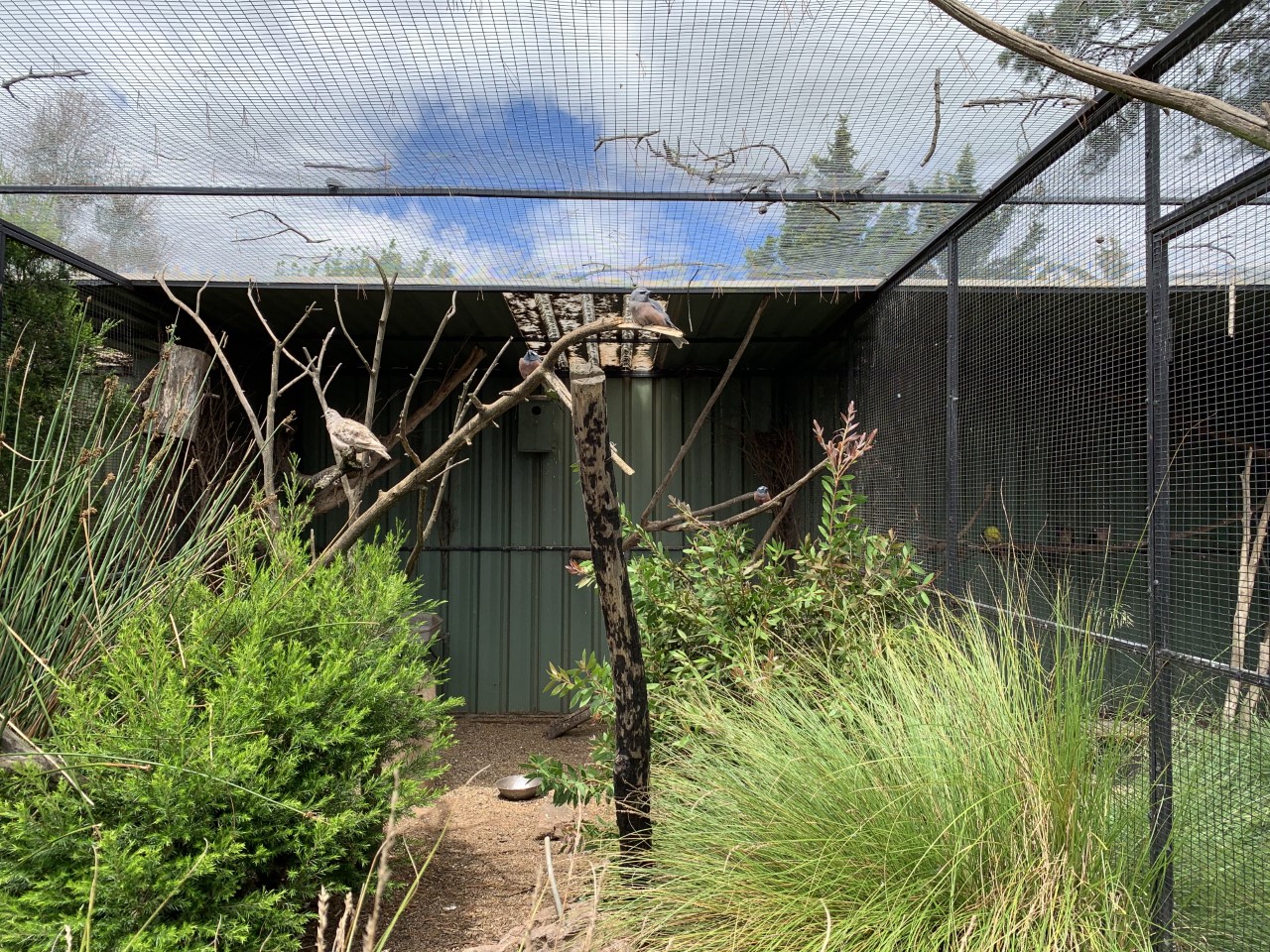
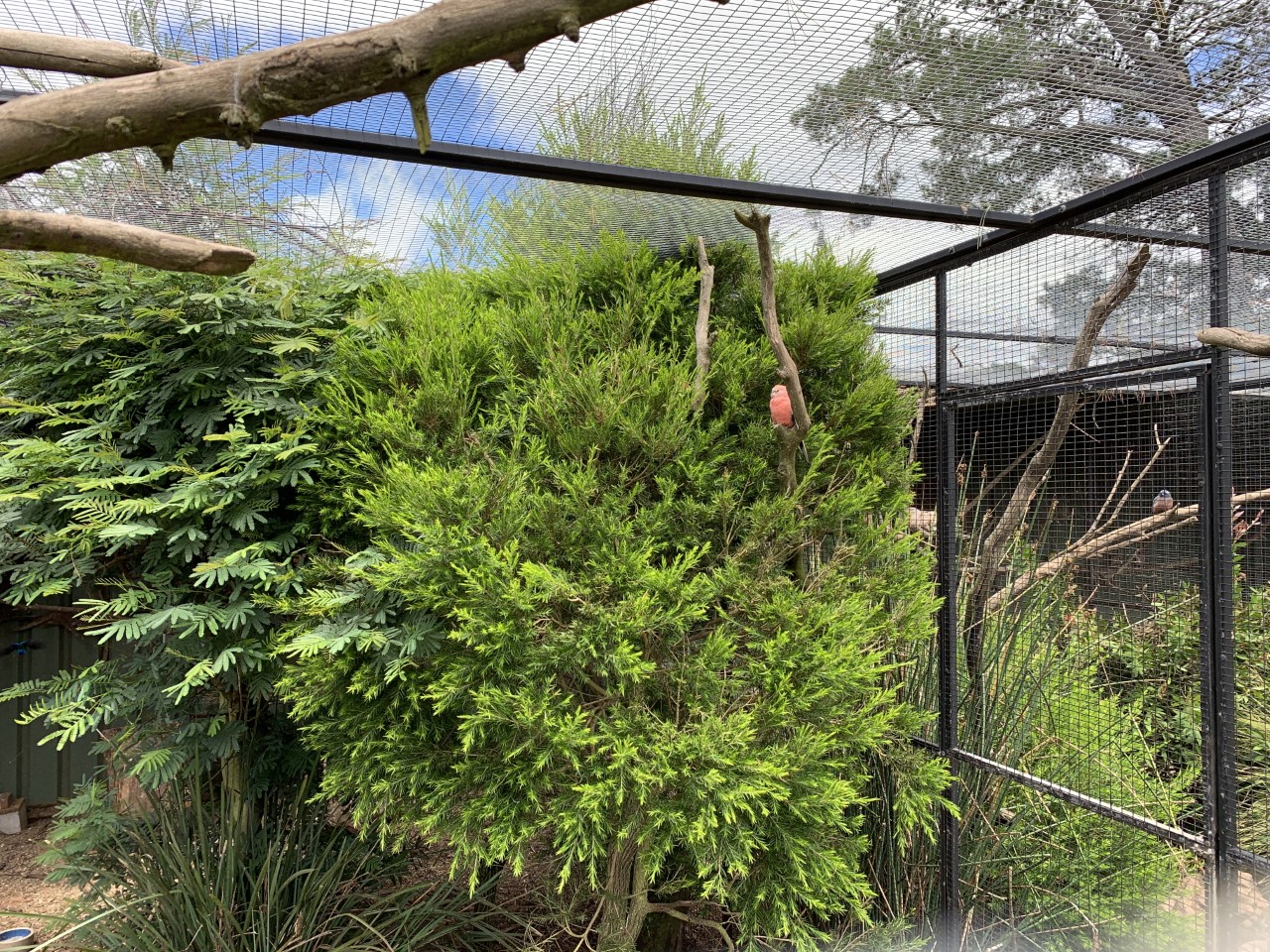
Entering the park through the cafe and gift store, there was a pen on the right with two Emu. They were right at the fence anticipating the feed. Beside them was an aviary for wetland species. This aviary had a pond and was planted out with live plants. I saw Royal Spoonbill, Glossy Ibis, Chestnut Teal, Freckled Duck, Plumed Whistling Duck, Wandering Whistling Duck, White-headed Pigeon, Rainbow Lorikeet and Red Wattlebird. Behind this aviary was another, that also had a pond and live plants. In here I saw Pacific Black Duck.
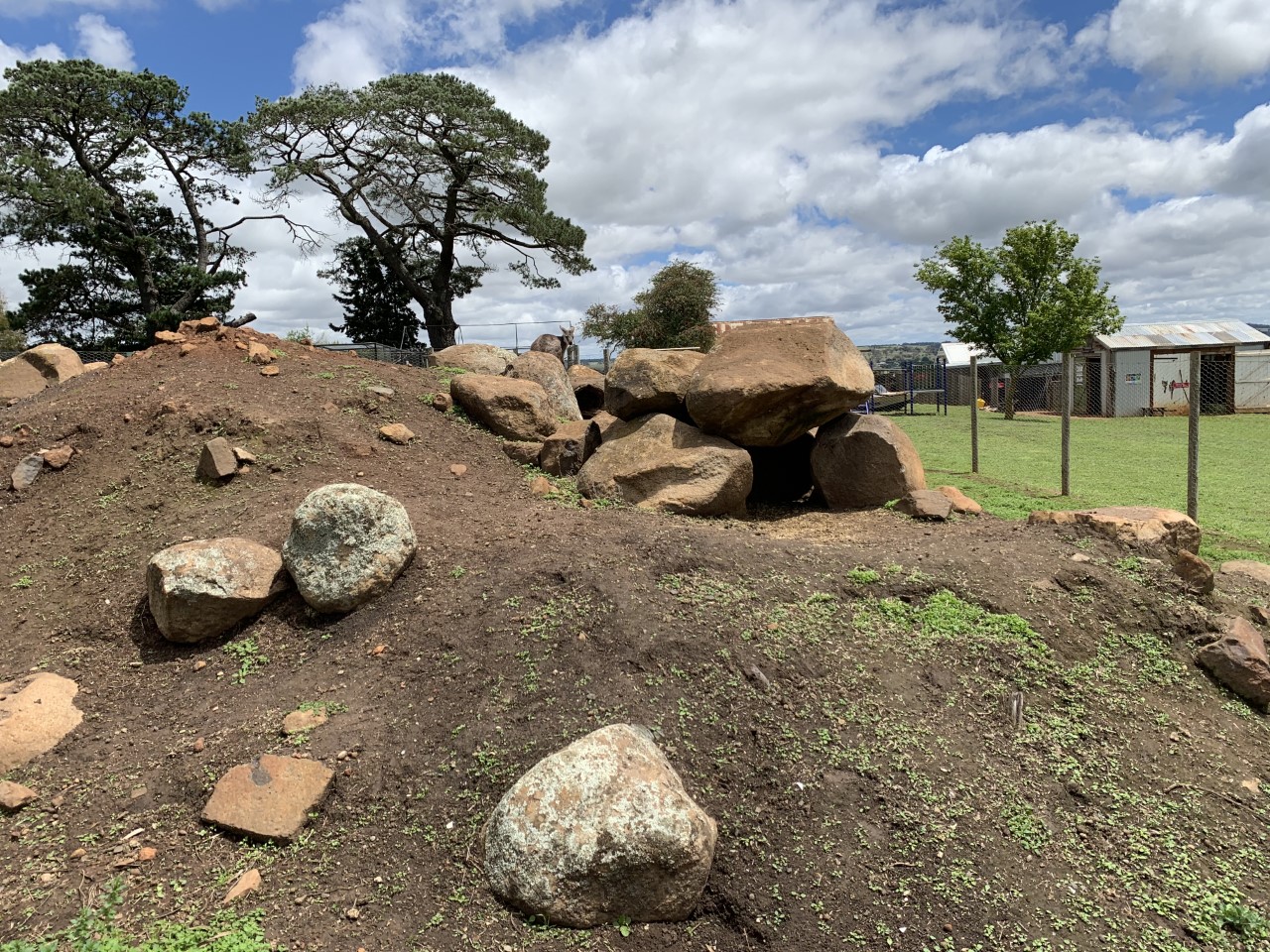
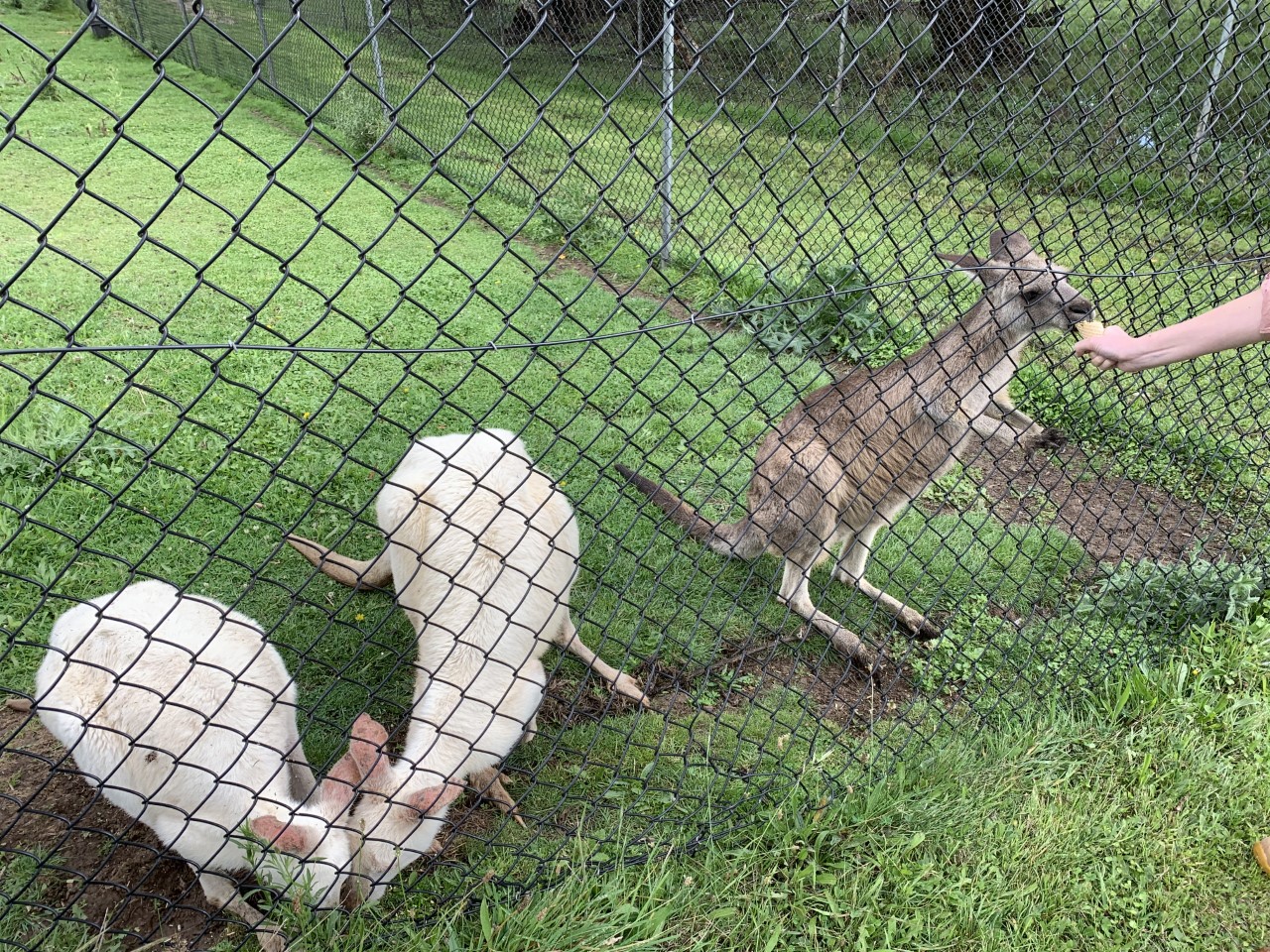
Beyond the aviaries was a grassy path that led to a paddock for Eastern Grey Kangaroo. There were three roos, one grey and two albinos. They came over to the fence to be fed.
 At the end of the path were two large paddocks, one for Fallow Deer and one for Blackbuck. The animals were there, but were at the far end which made them difficult to see. I saw three female Blackbuck here.
Returning along the same path, next were the pheasant aviaries. A free-range Indian Peafowl approached us looking for some feed. We offered it some, but I think it was more curious than hungry.
The pheasant aviaries were on either side of a walkway. One held a Turkey, Helmeted Guineafowl and some domestic chickens. Two more had Silver Pheasant and Ring-necked Pheasant. There was also an aviary for Reeves Pheasant, but I didn't see it. The aviaries were planted with live plants.
Across an open grassy space there was a large paddock which included the dam. There were wild Australian White Ibis.
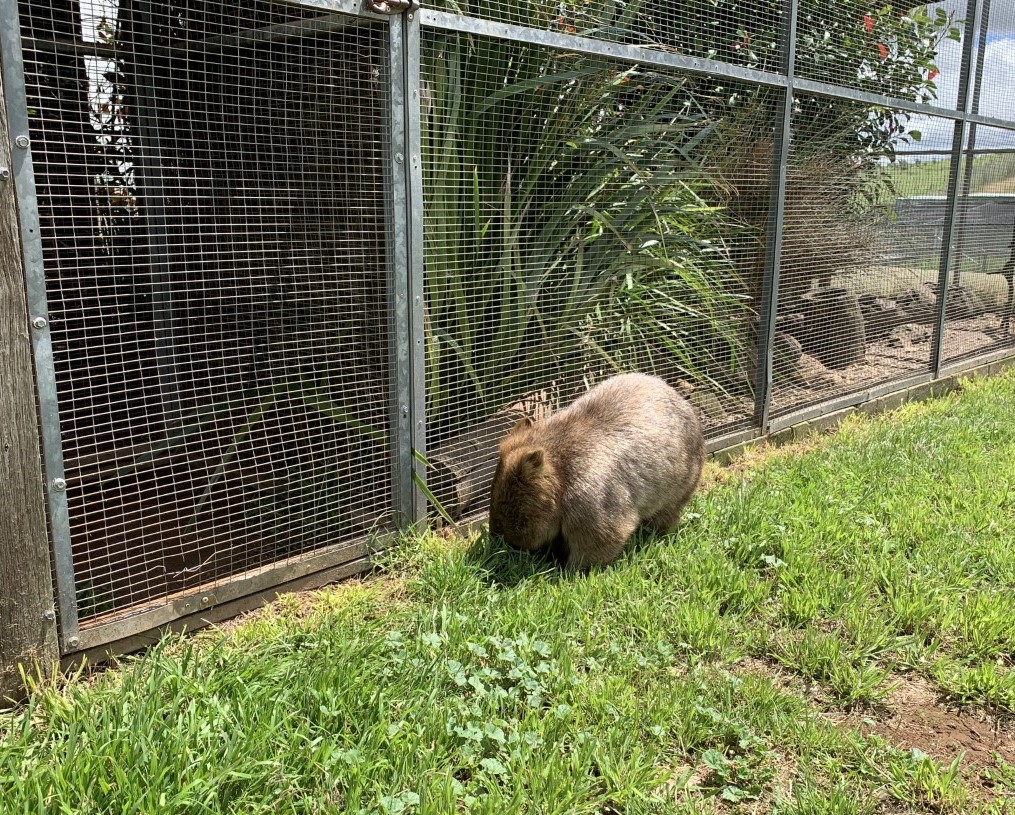
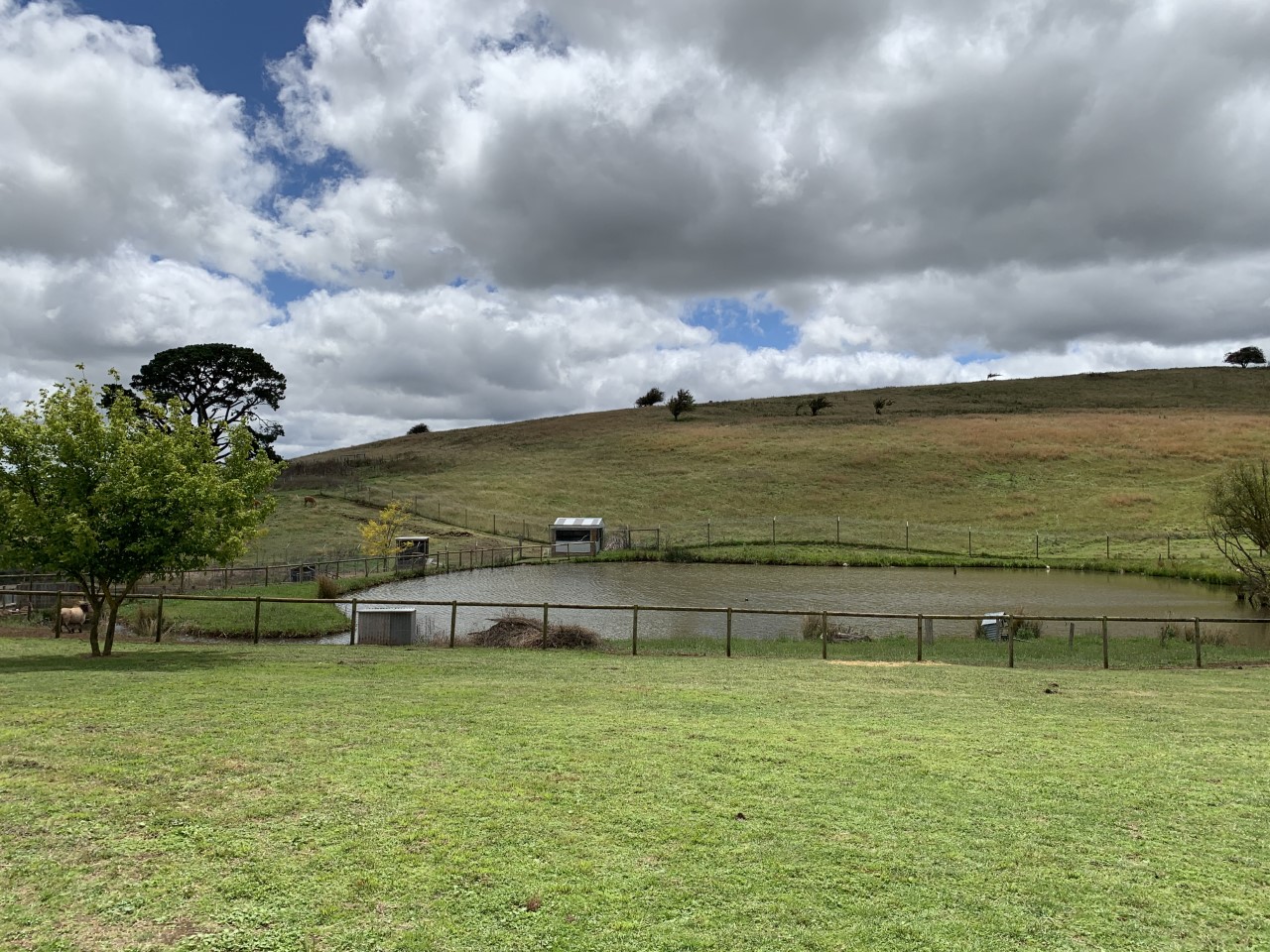 In the paddock was a Miniature Horse and an emu. They both came over to the fence for feed. This is where we were approached by a free-range Common Wombat. ‘Susie’ was a hand-reared wombat that wandered the park receiving food and pats from guests.
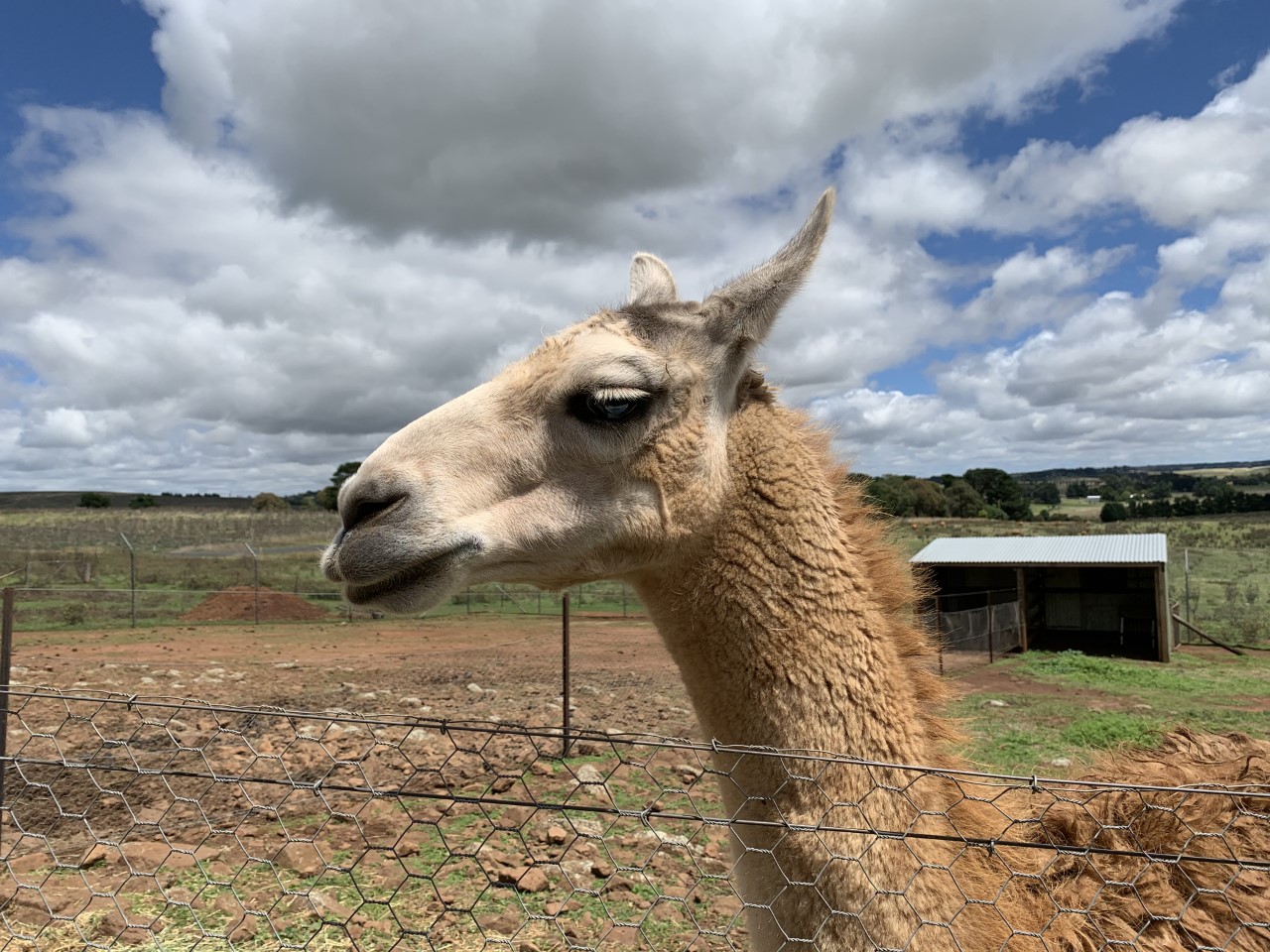
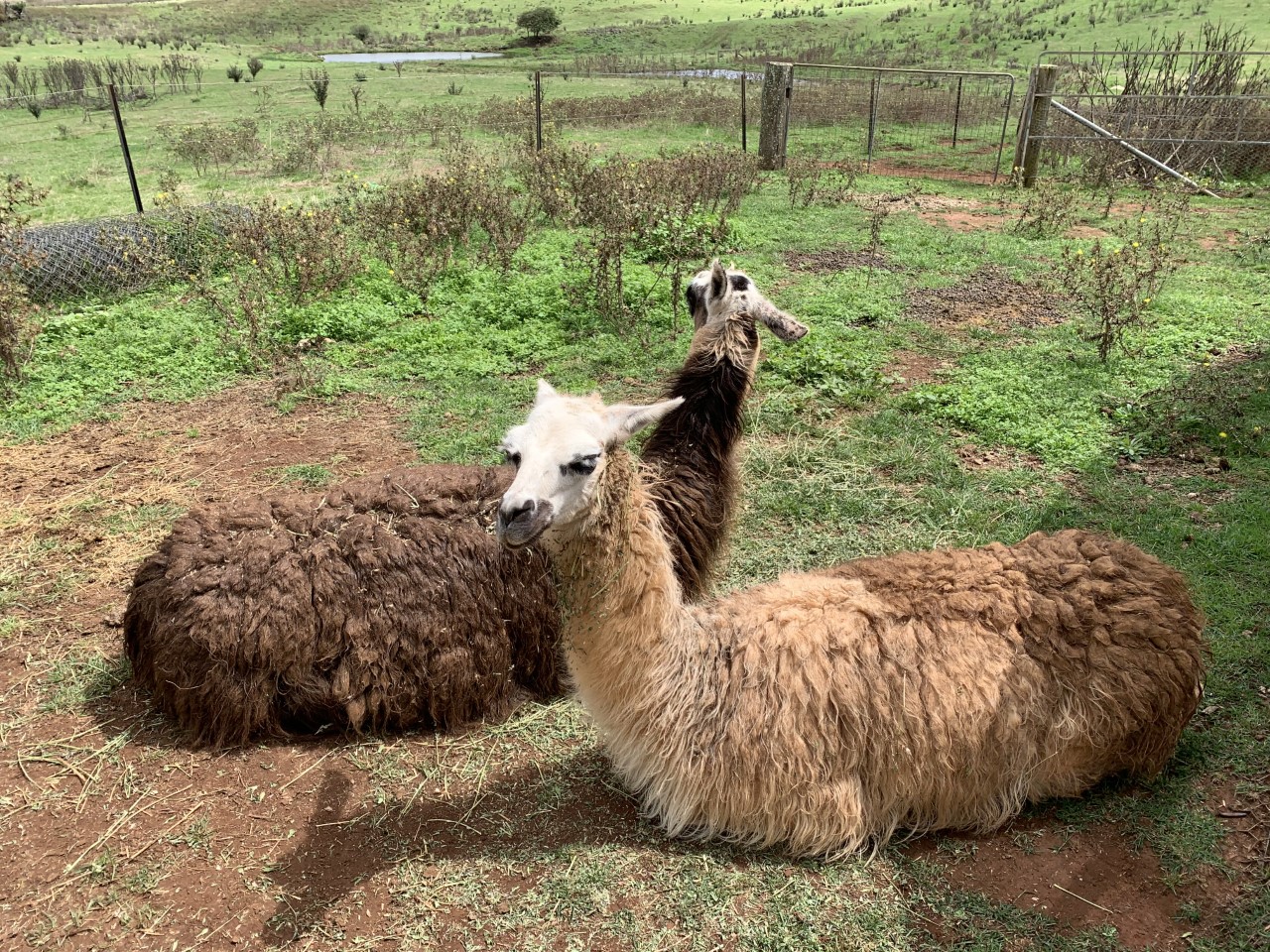
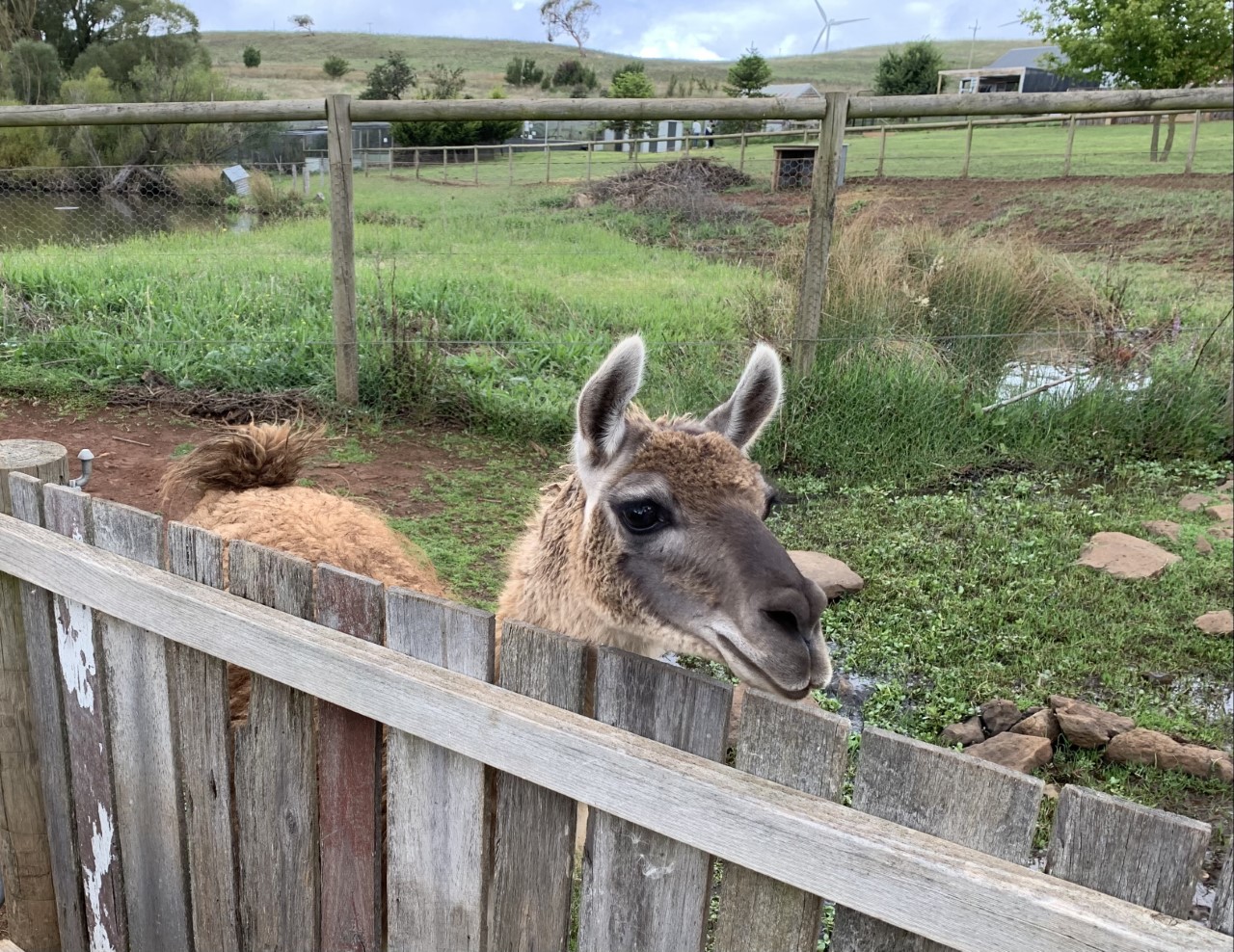
 An adjacent paddock was for Guanaco. There were two animals, both came to the fence for feed. One looked like a pure guanaco, the other had a white face. I learned from the owner that they were both llama hybrids, and that no pure guanaco now exist in Australia. Any animals that appear pure have been back-bred from llama hybrids to resemble the guanaco phenotype. Taralga held the last pure guanaco, a male and three females that came from Western Plains Zoo. This group failed to breed because the females were too old by the time the male was introduced.
Taralga Wildlife Park suffered from flood damage in 2019. Some of the fences and shelters in the lower part of the park are still under repair, including the guanaco paddock.
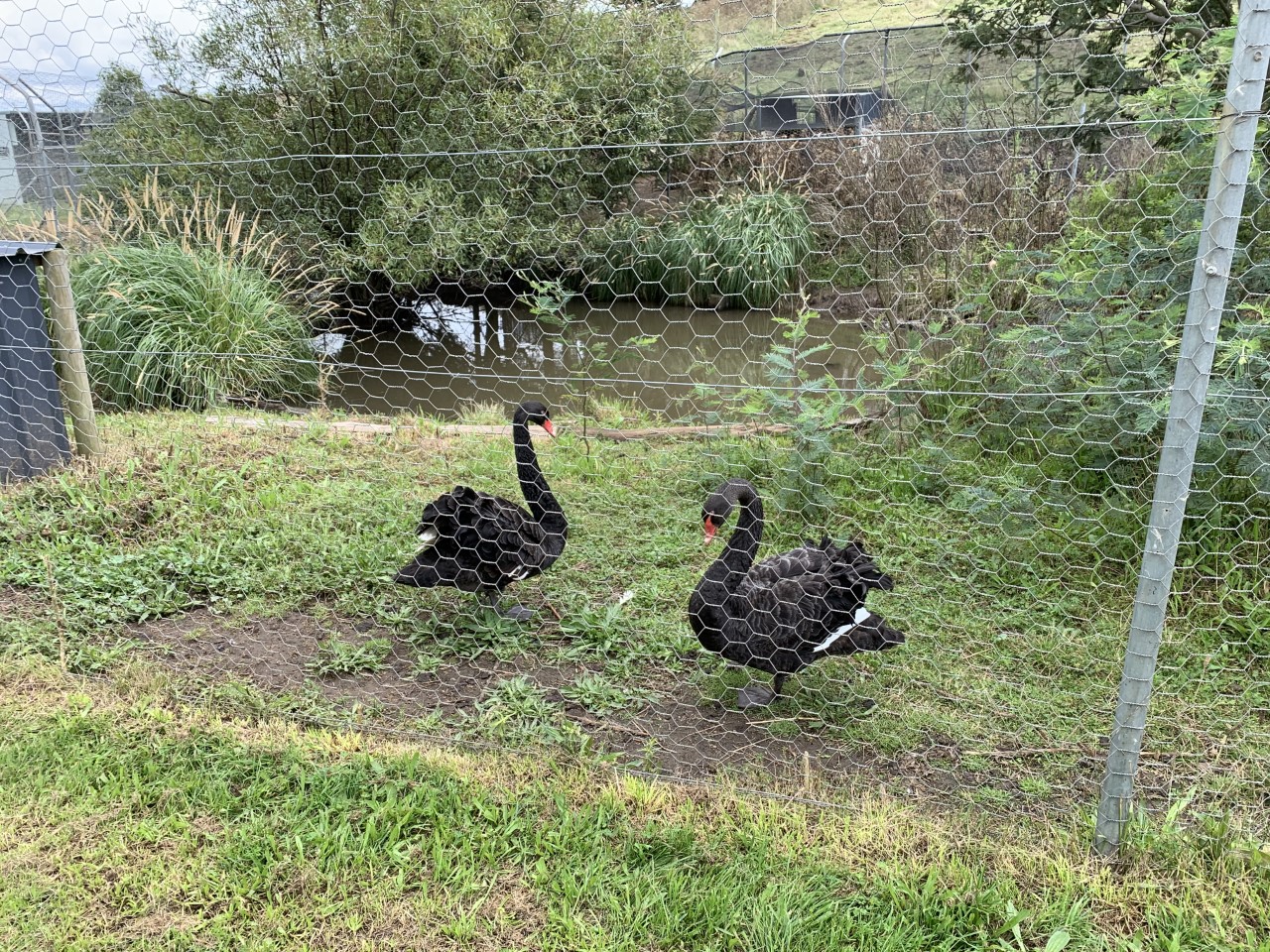
There was an enclosure for Black Swan which incorporated the natural watercourse on the property.
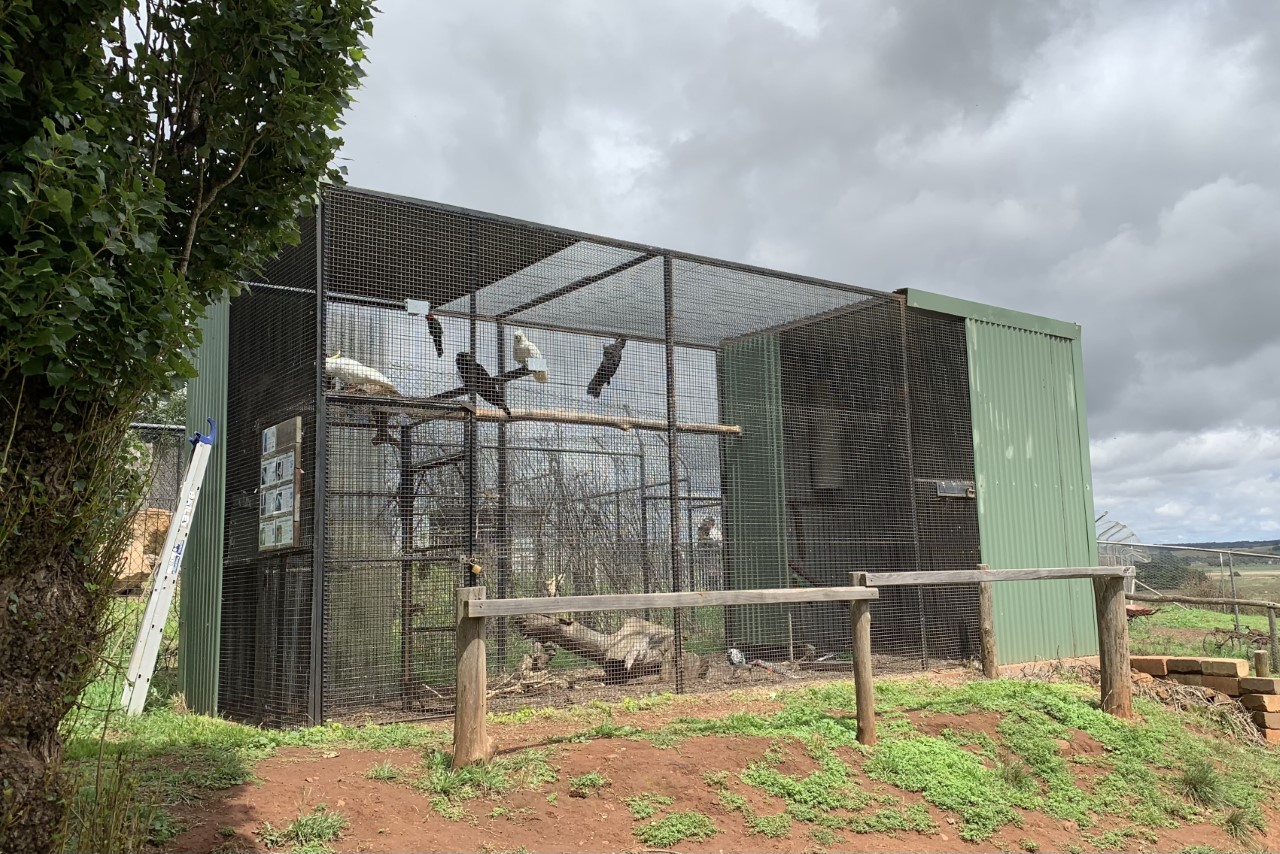
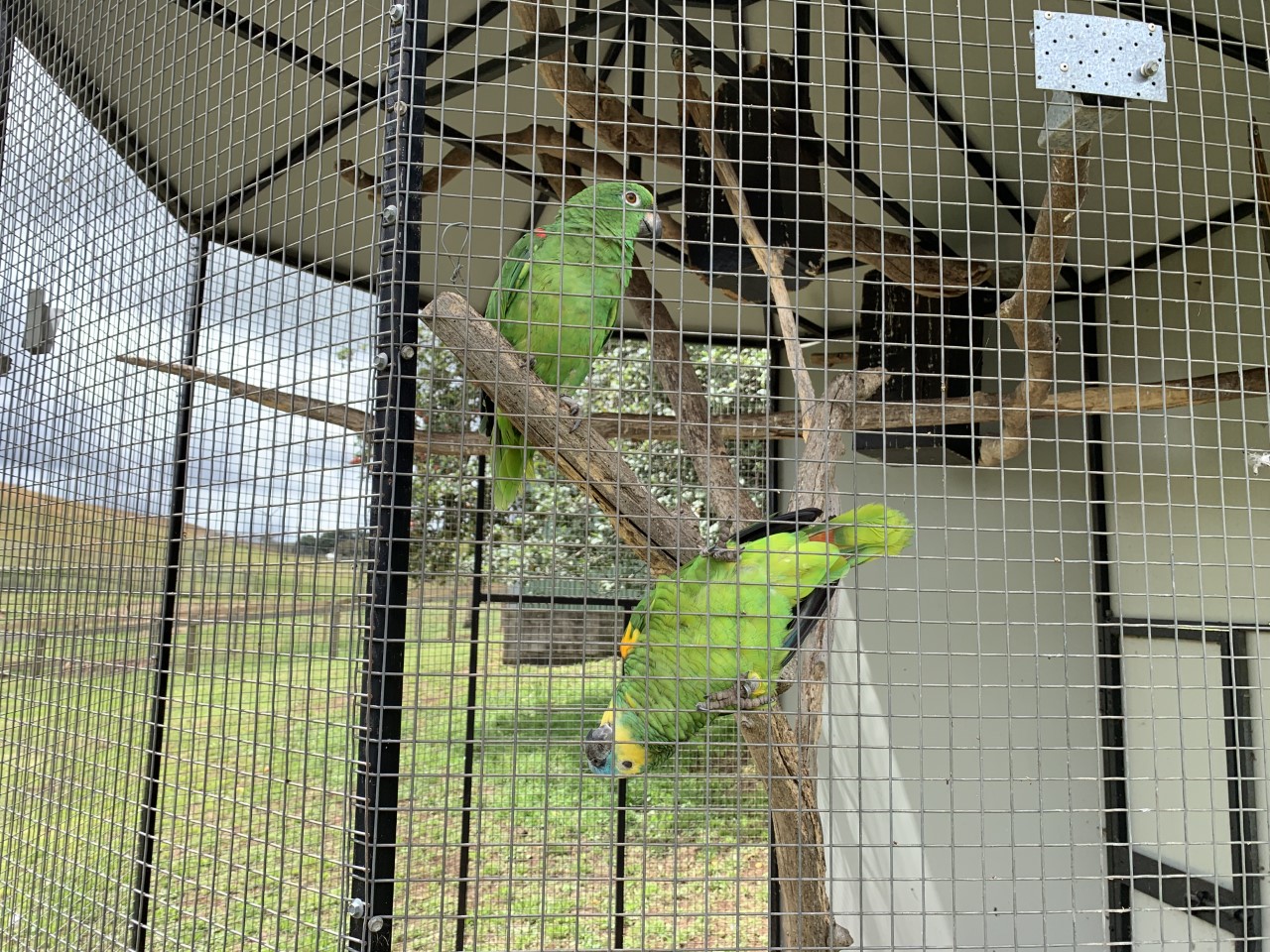
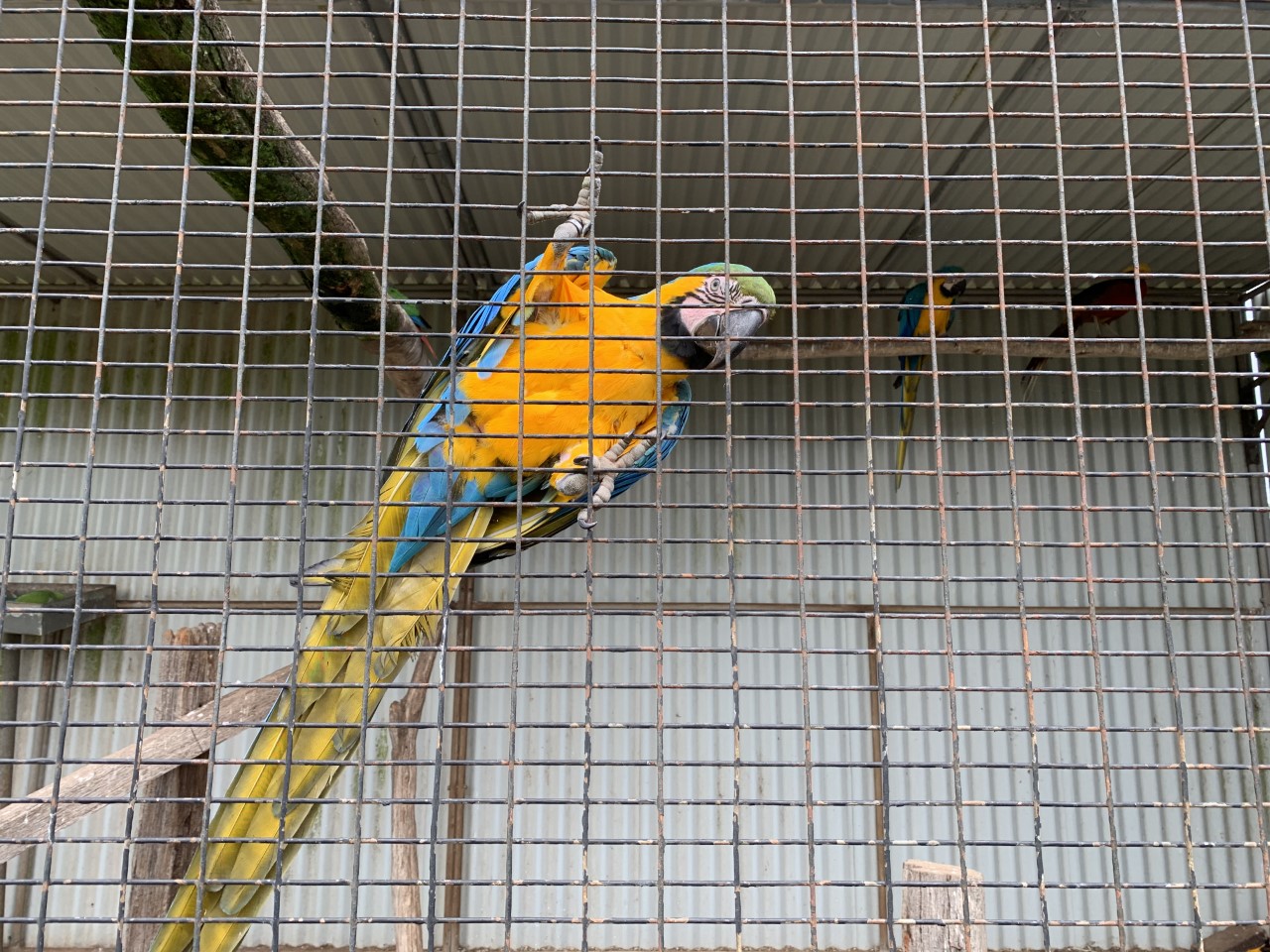
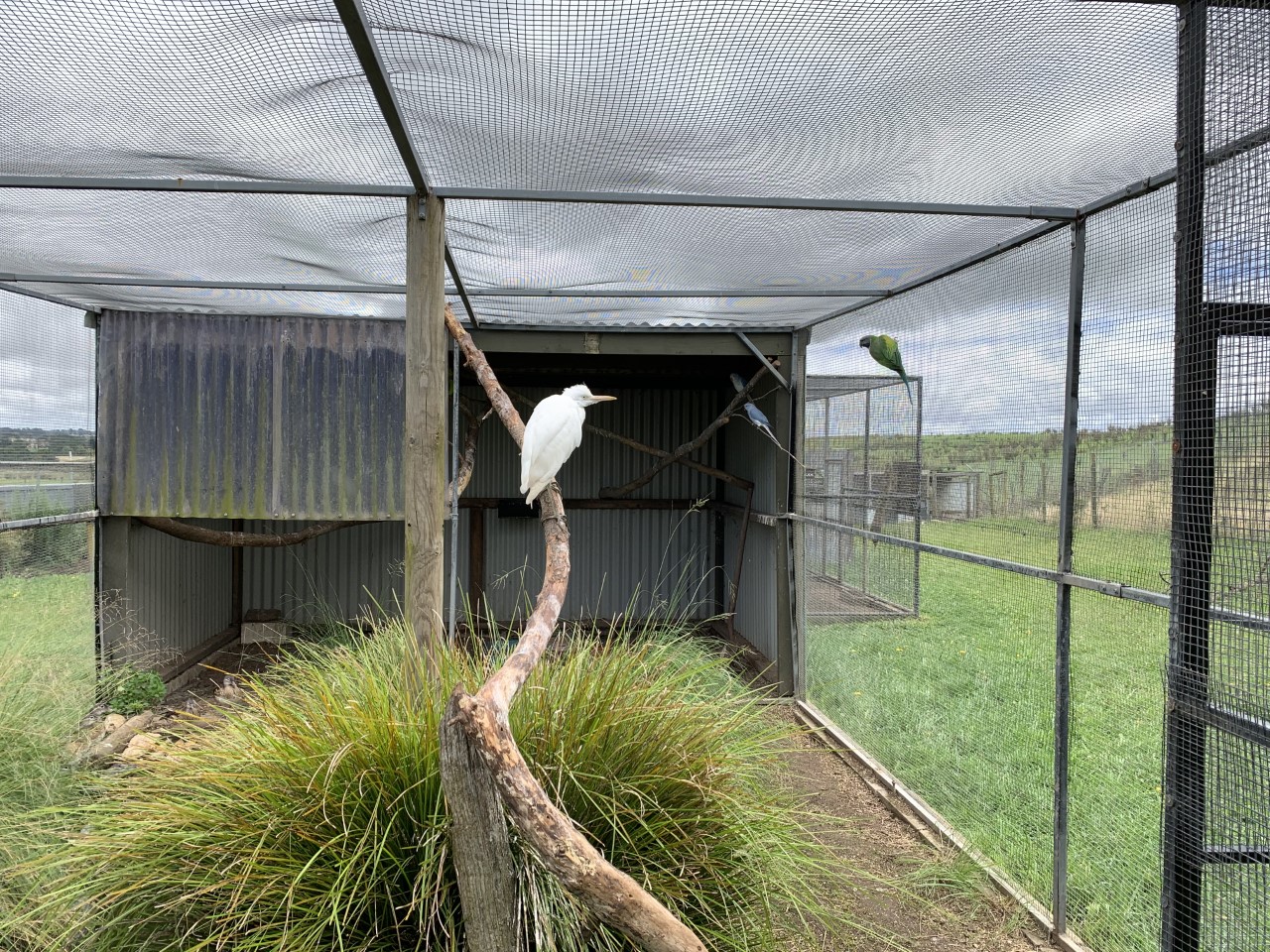
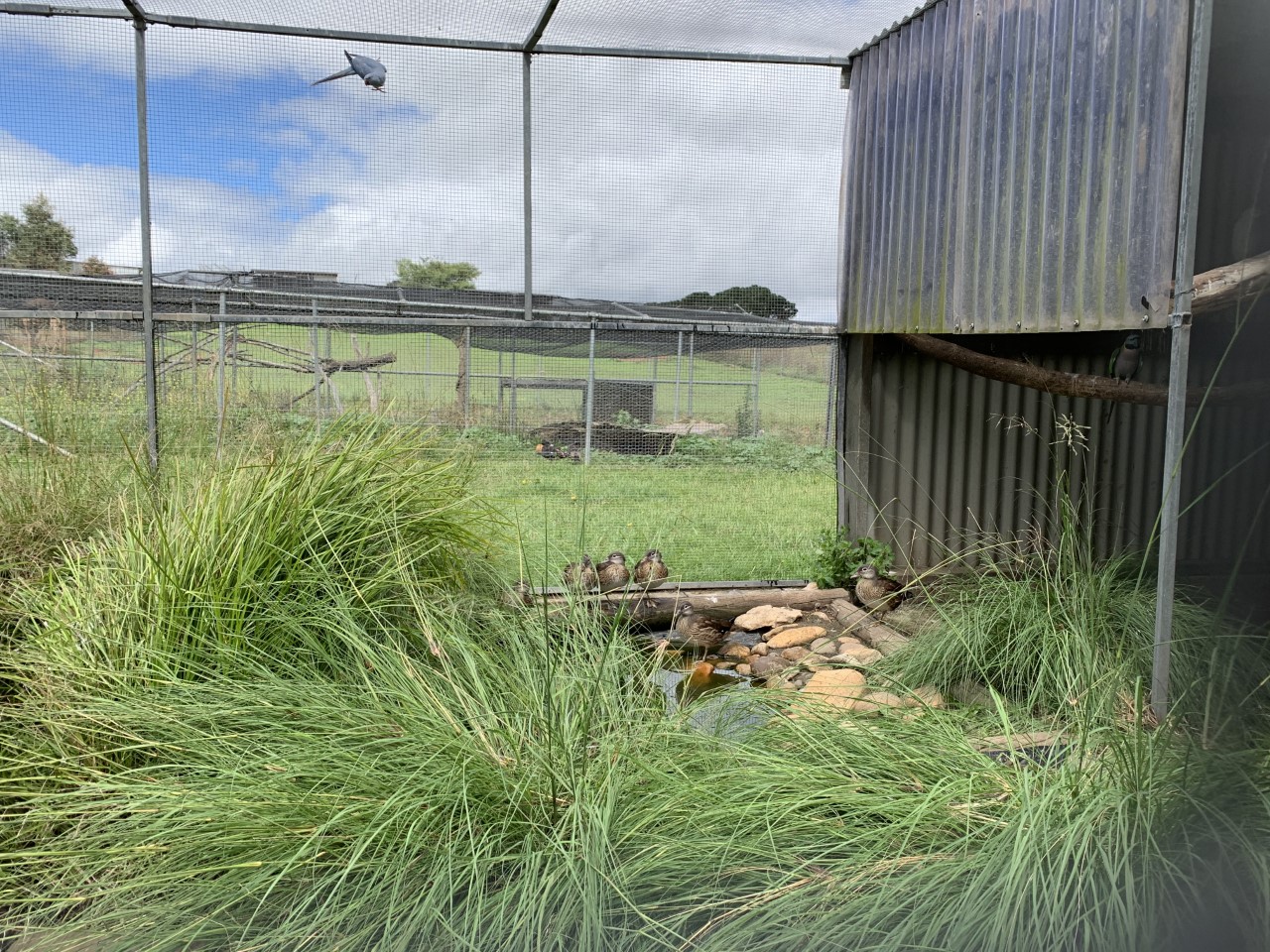
 Beyond here we crossed a small bridge to three large, grassy aviaries. Two for Cape Barron Goose and one for Australian Shelduck. This area of the park comprised of several aviaries. There was one for Gang-gang Cockatoo. Another large one with live plants and a pond, which held Cattle Egret, Mandarin Duck and various parrots.
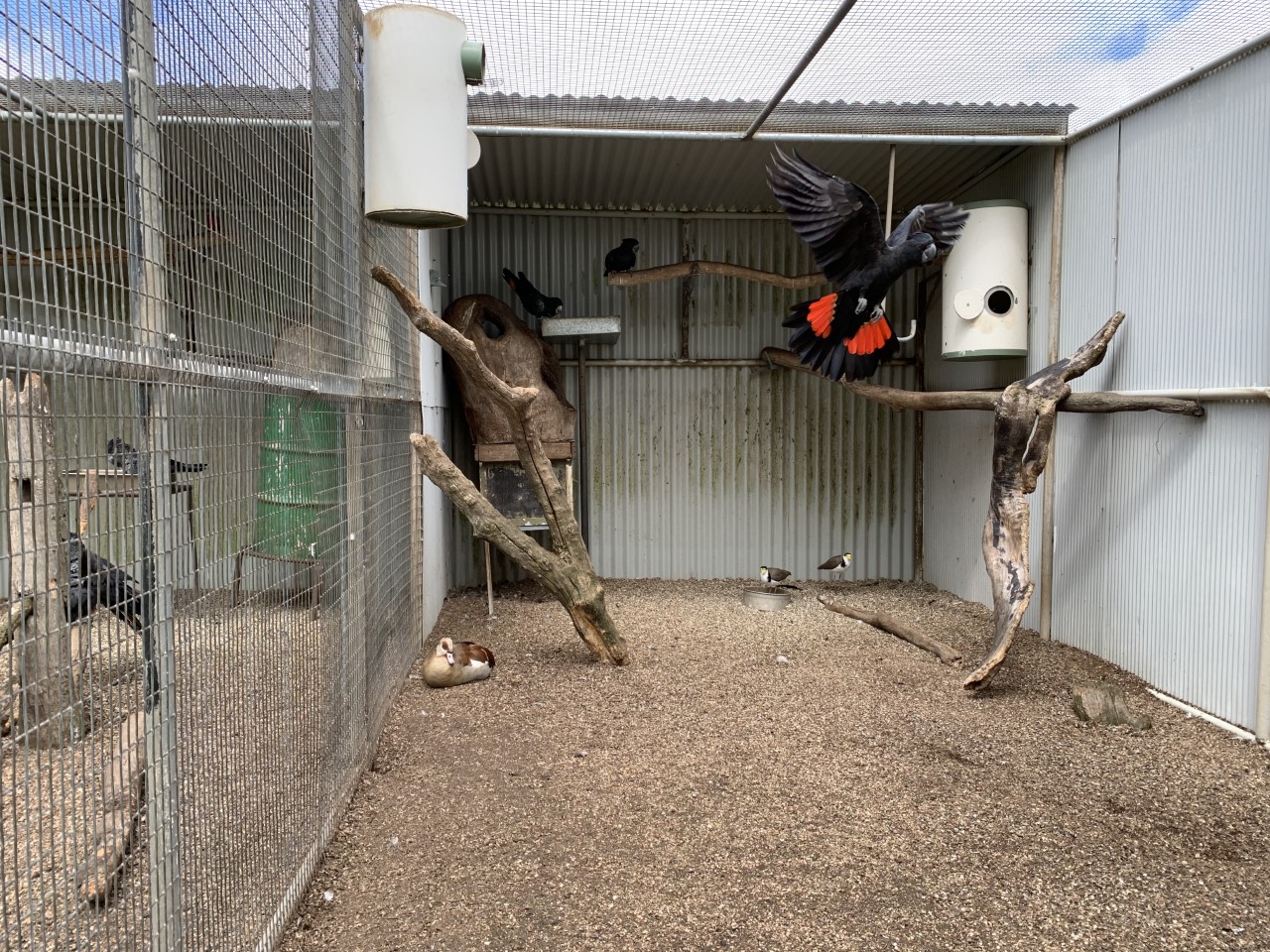
 There were two adjoining aviaries for Red-tailed Black Cockatoo, Crimson Rosella, Masked Lapwing and Egyptian Goose.
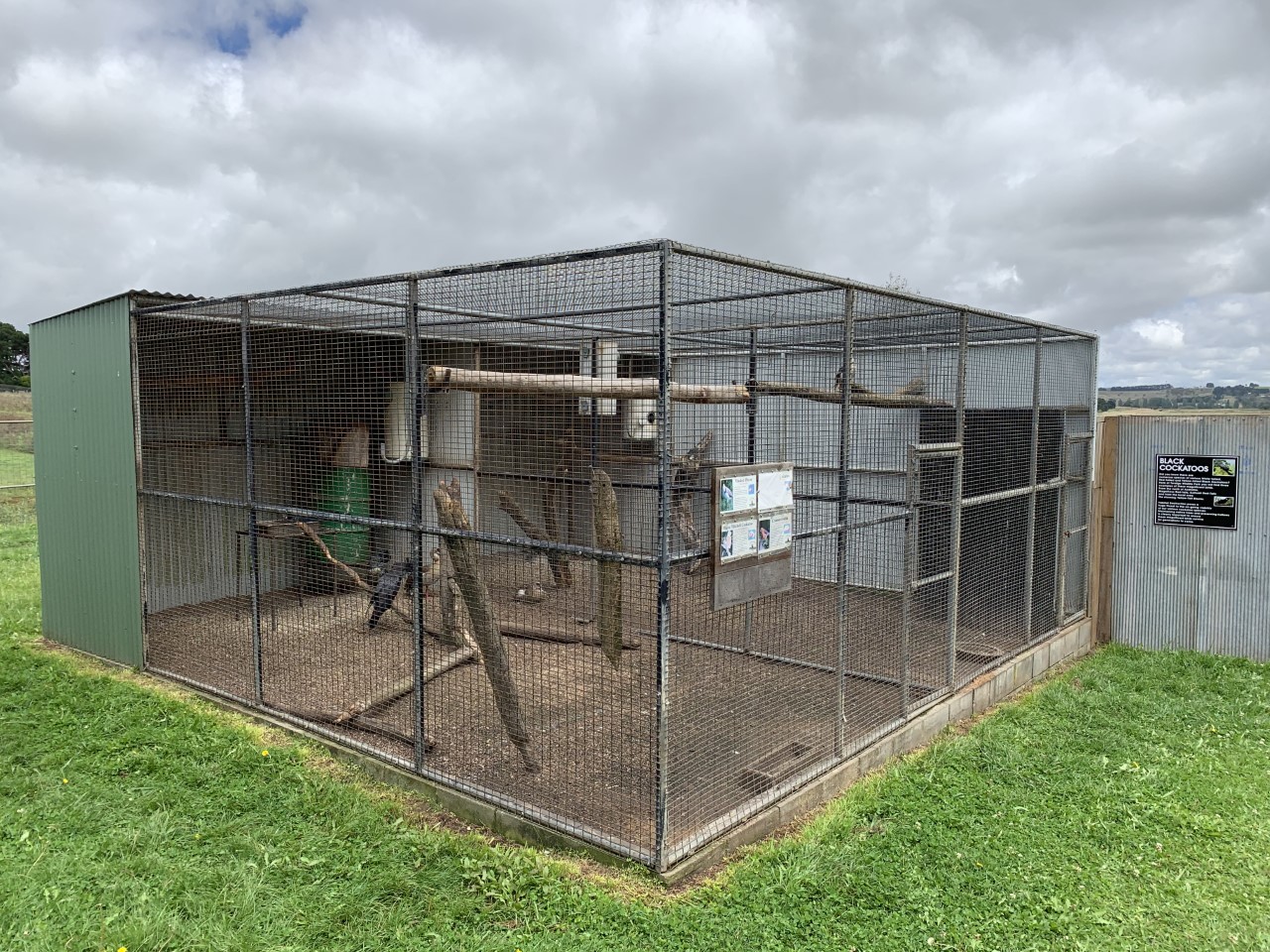 Adjacent to here was a large paddock on the hillside. I saw one white fallow deer buck here.
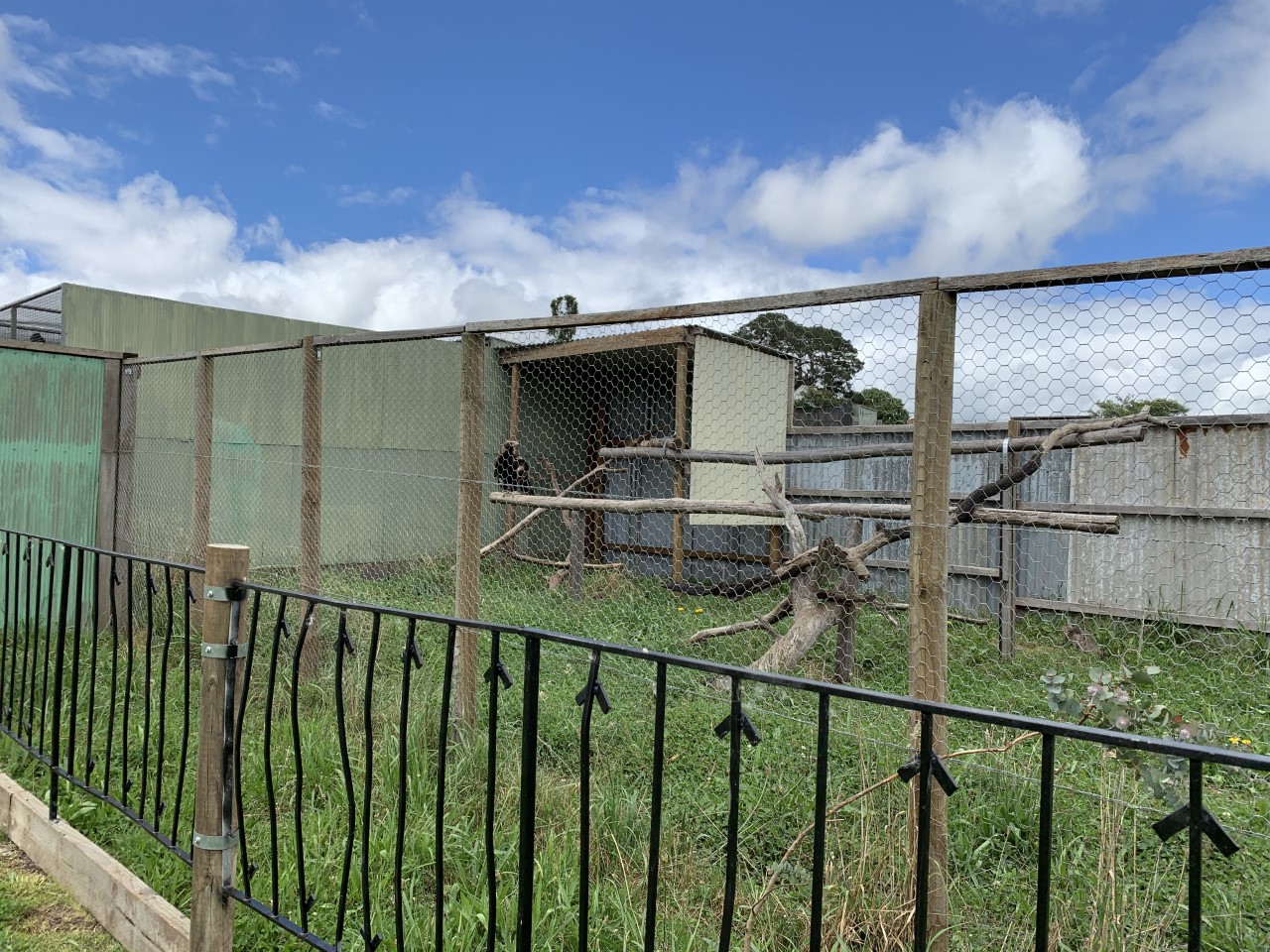
There was a large enclosure for Wedge-tailed Eagle. 'Wally' was a wild bird whose injuries mean he is unable to be returned to the wild.
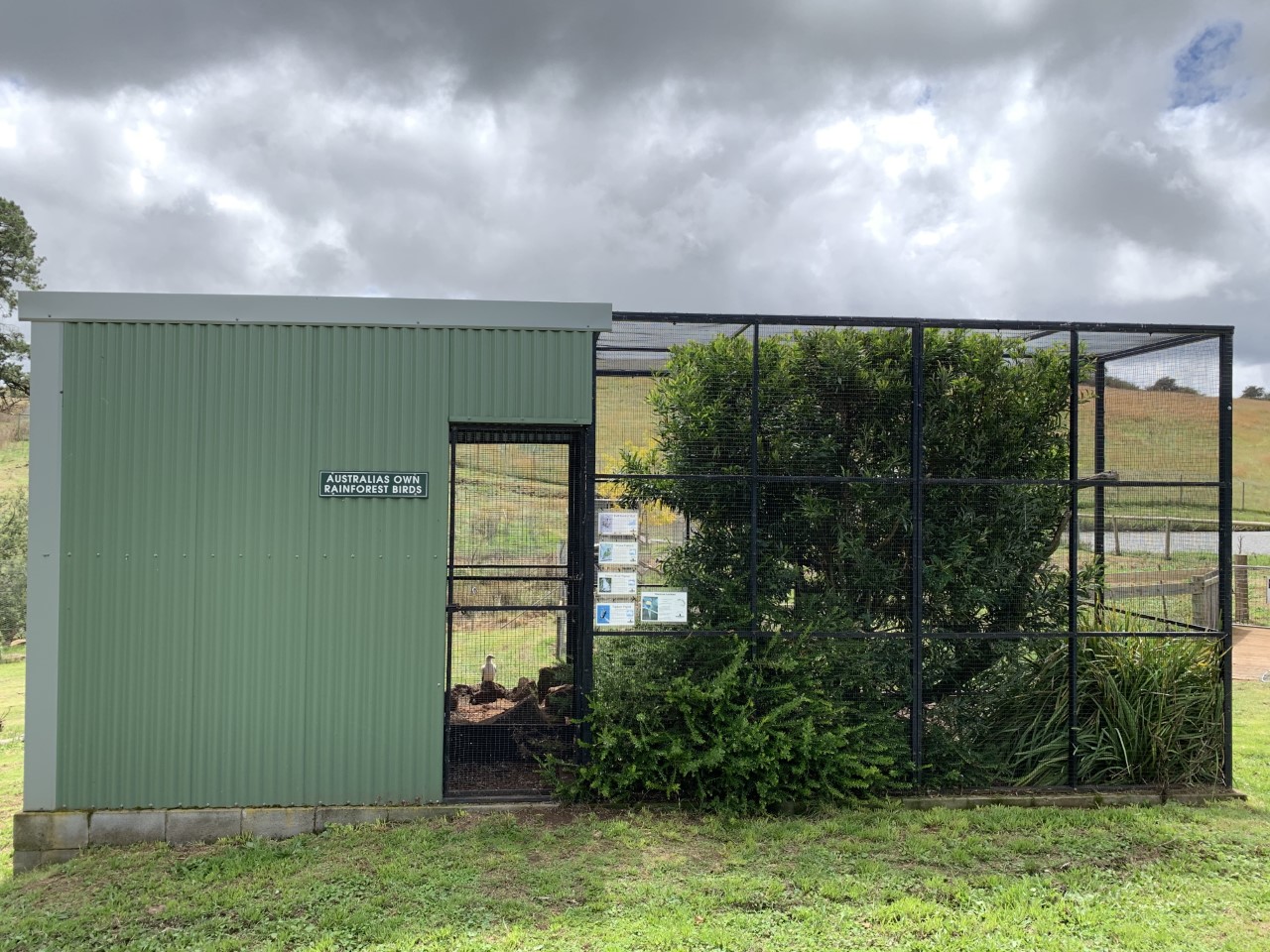
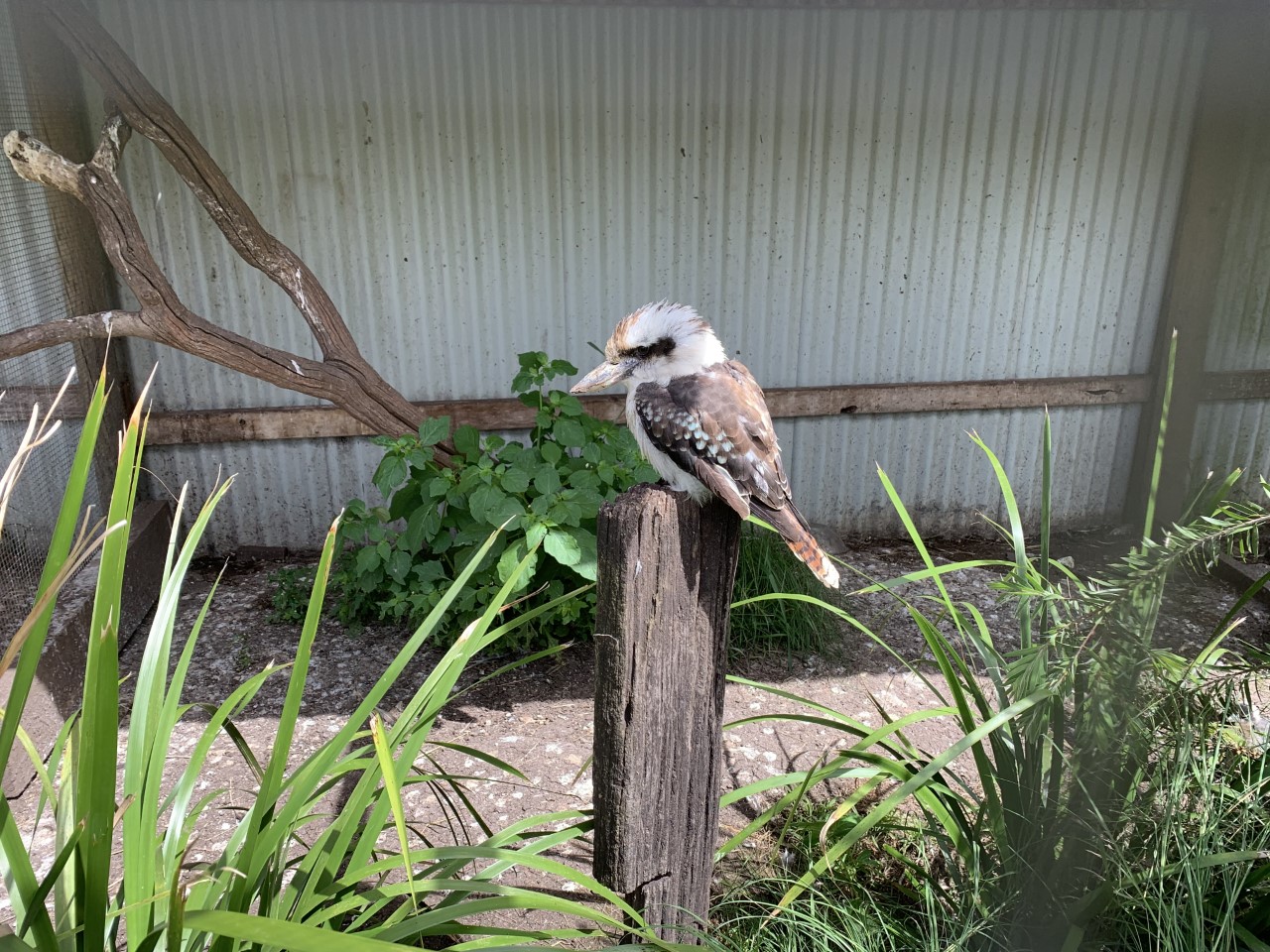
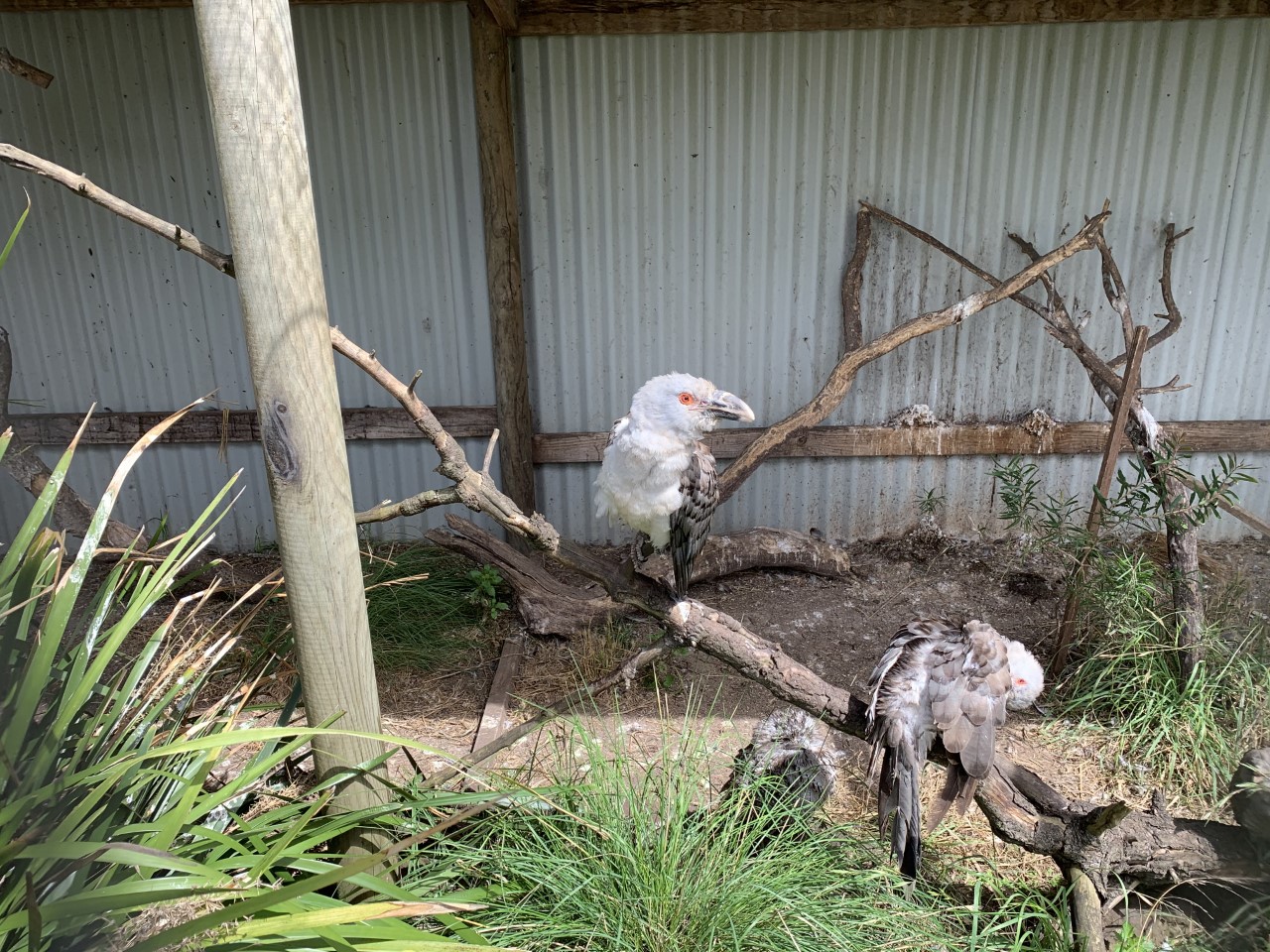
Many of the birds in the next set of aviaries were the same. This row of aviaries held rescued Laughing Kookaburra, Bush Stone-curlew, Australian Magpie, Tawny Frogmouth, Channel-billed Cuckoo and others.
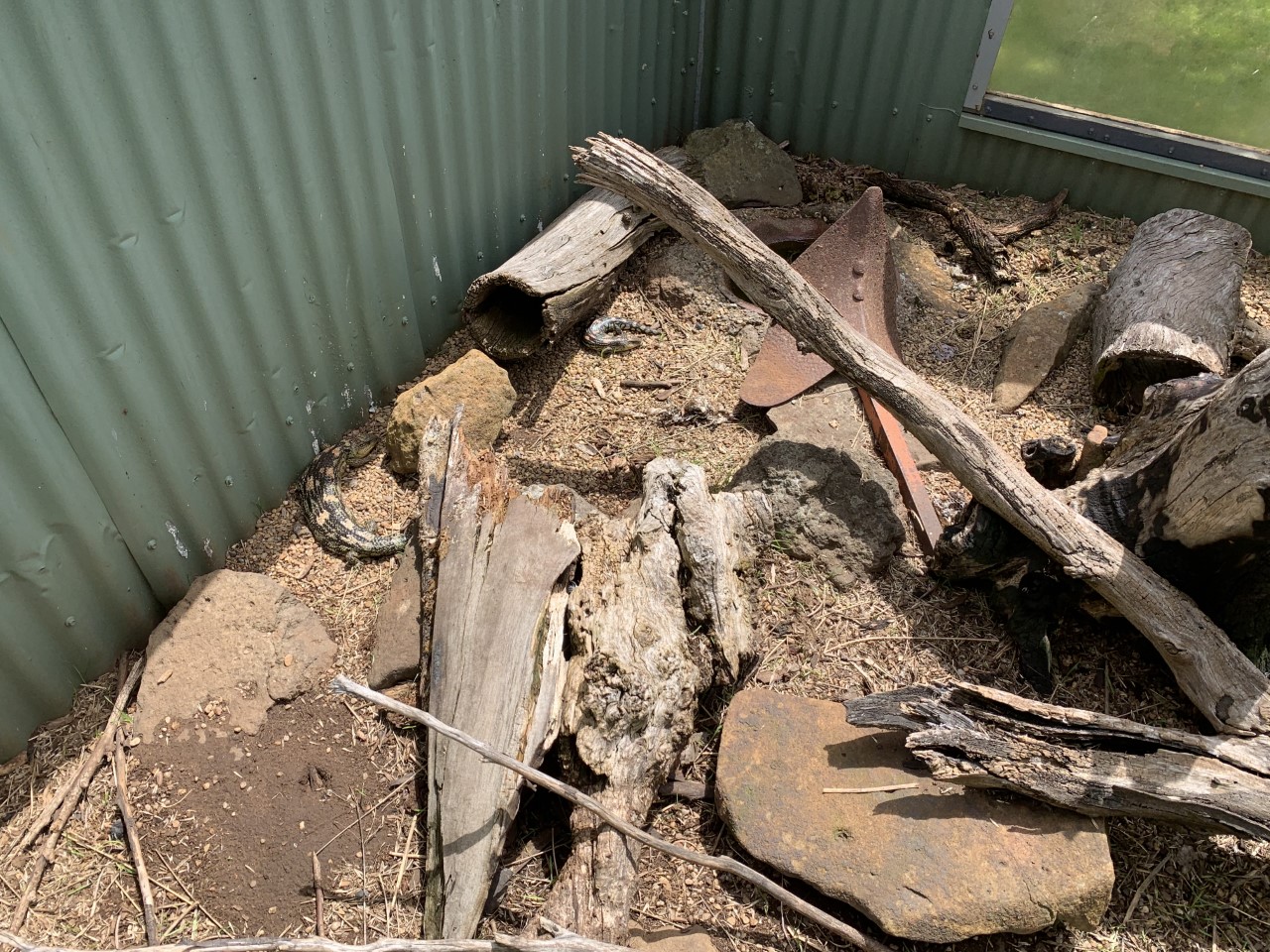
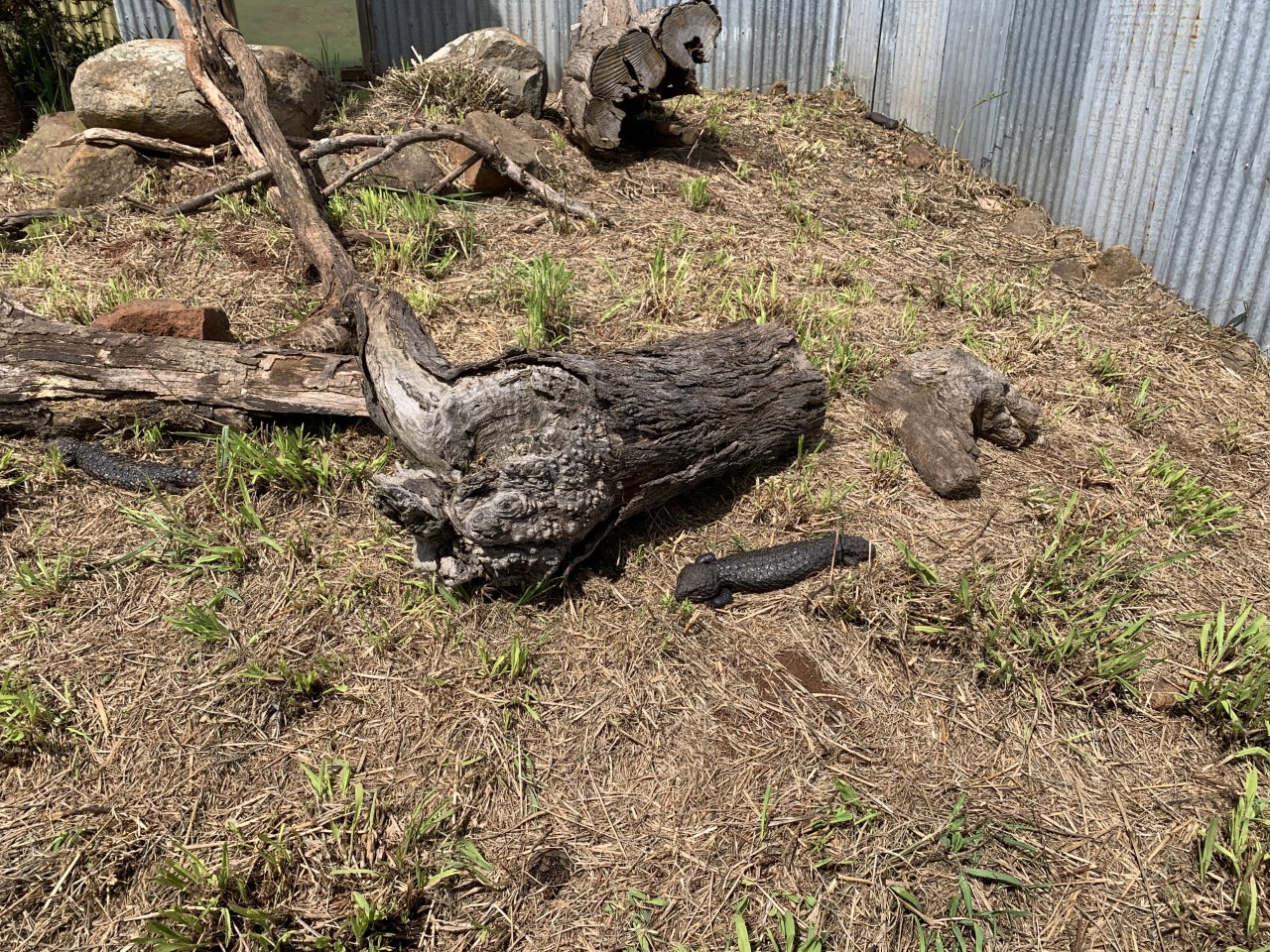
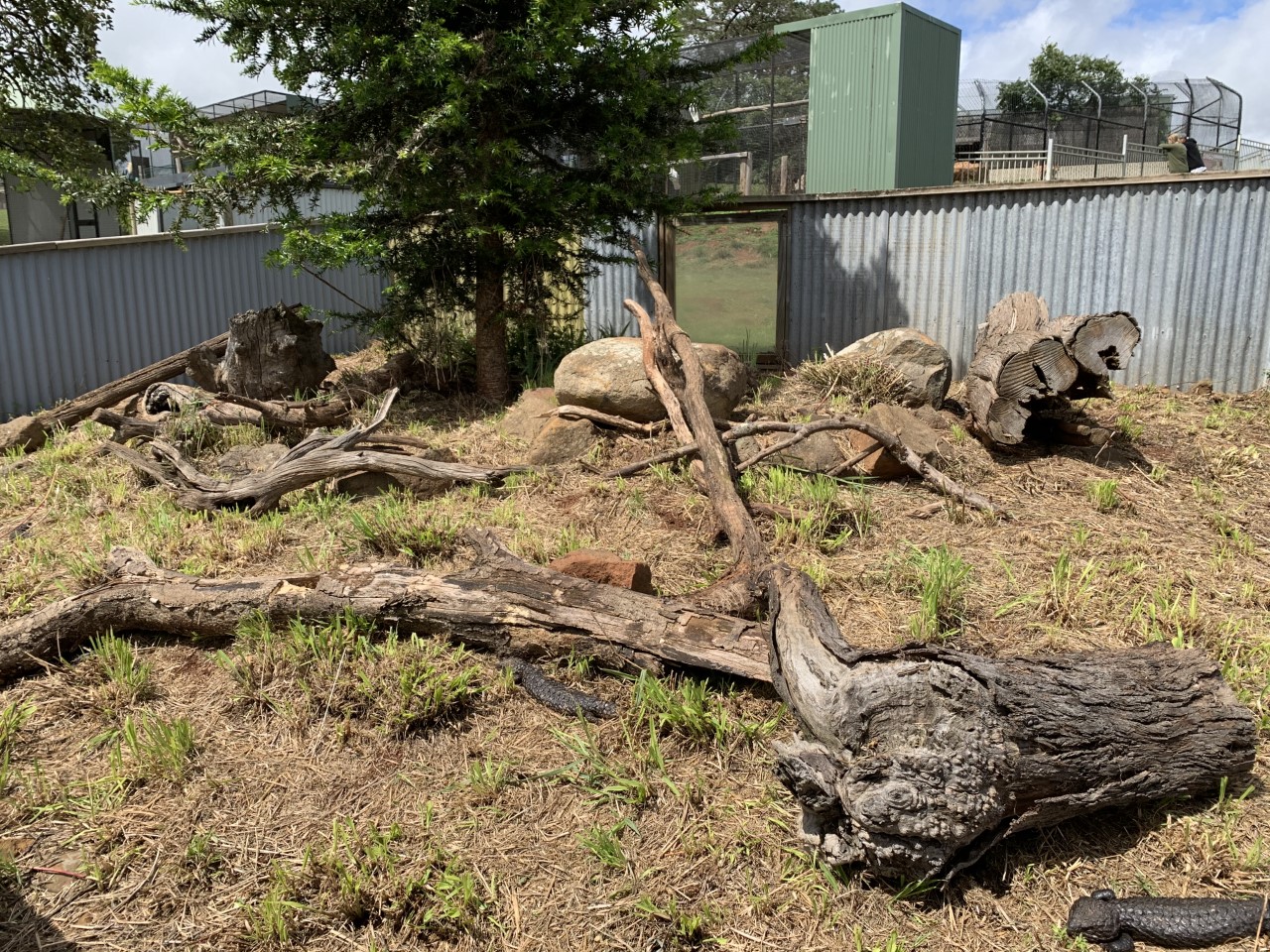
 Another large aviary with live plants held Australian Brush-turkey. Completing this loop, we walked back past the shelducks and geese and across the bridge to a large pit which held Shingleback Lizard and Cunningham's Skink. This pit had a had a large pine tree and lots of logs and stumps which the lizards could use to bask and hide.
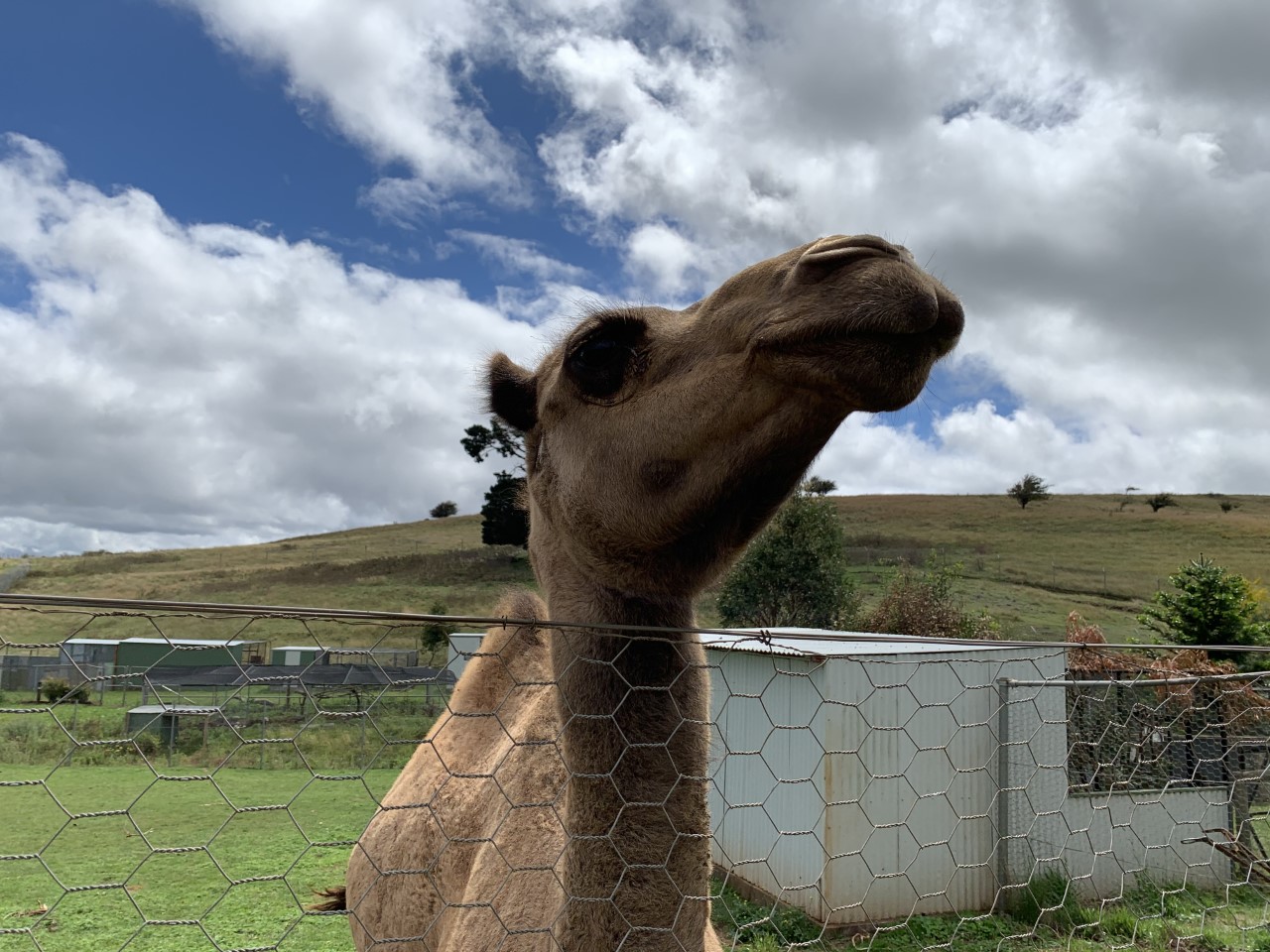
 Near here was a large paddock which held one Arabian Camel. The camel approached the fence looking for feed.
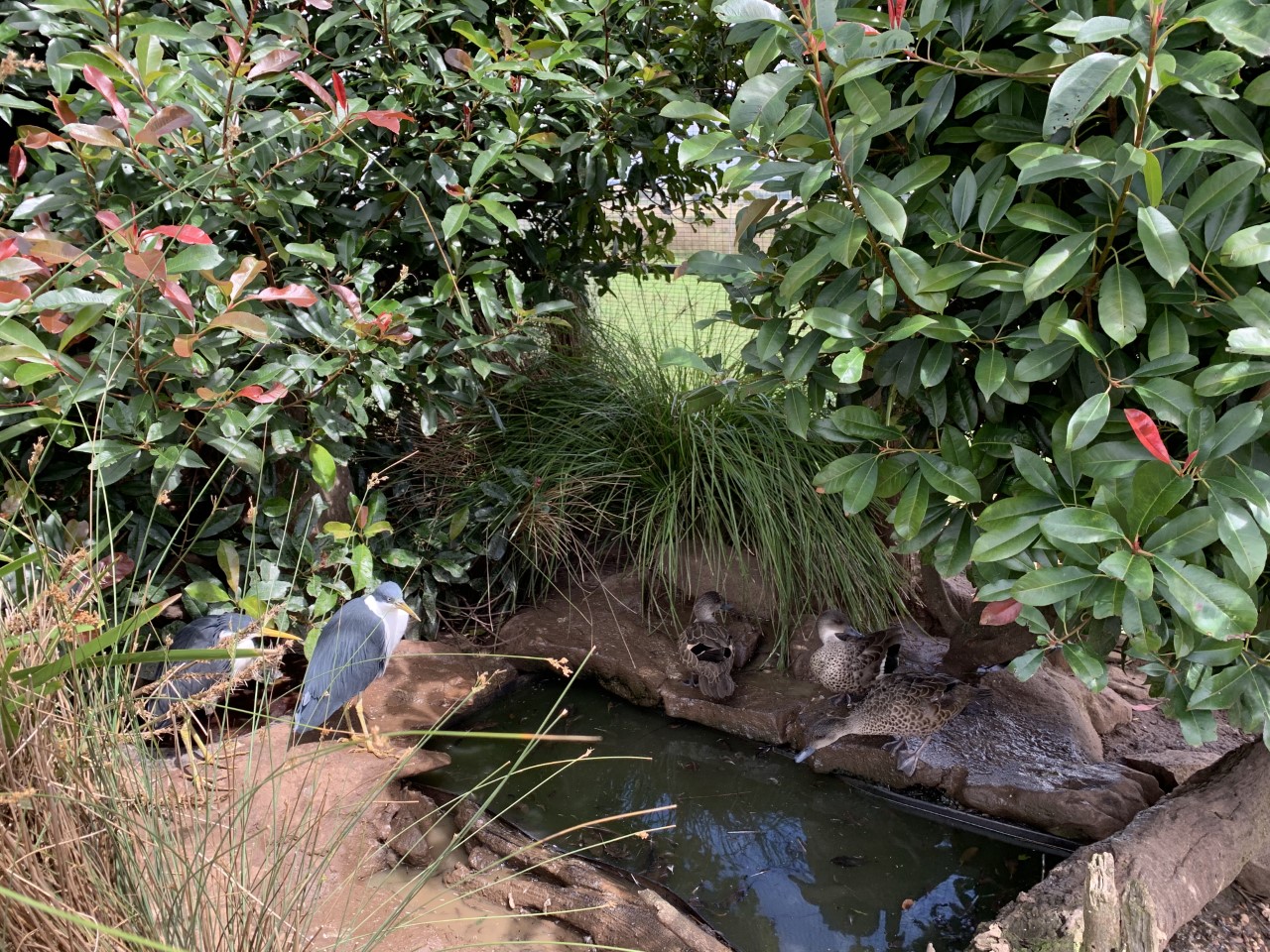
 Next to here was an aviary planted with live plants, which held Pied Heron and Grey Teal.
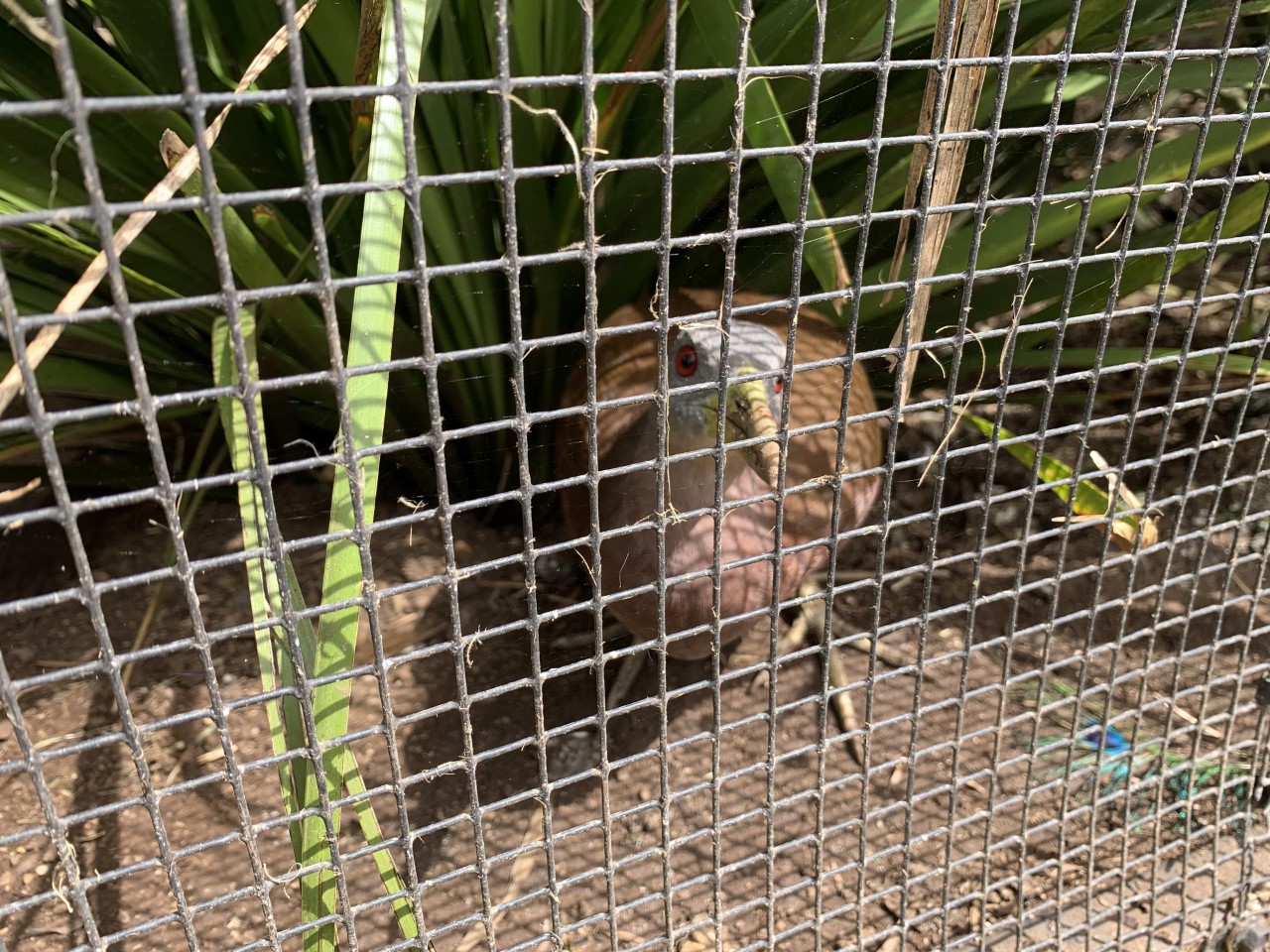
Another aviary held Chestnut Rail. This bird was quite friendly and approached the front of the aviary looking for feed.
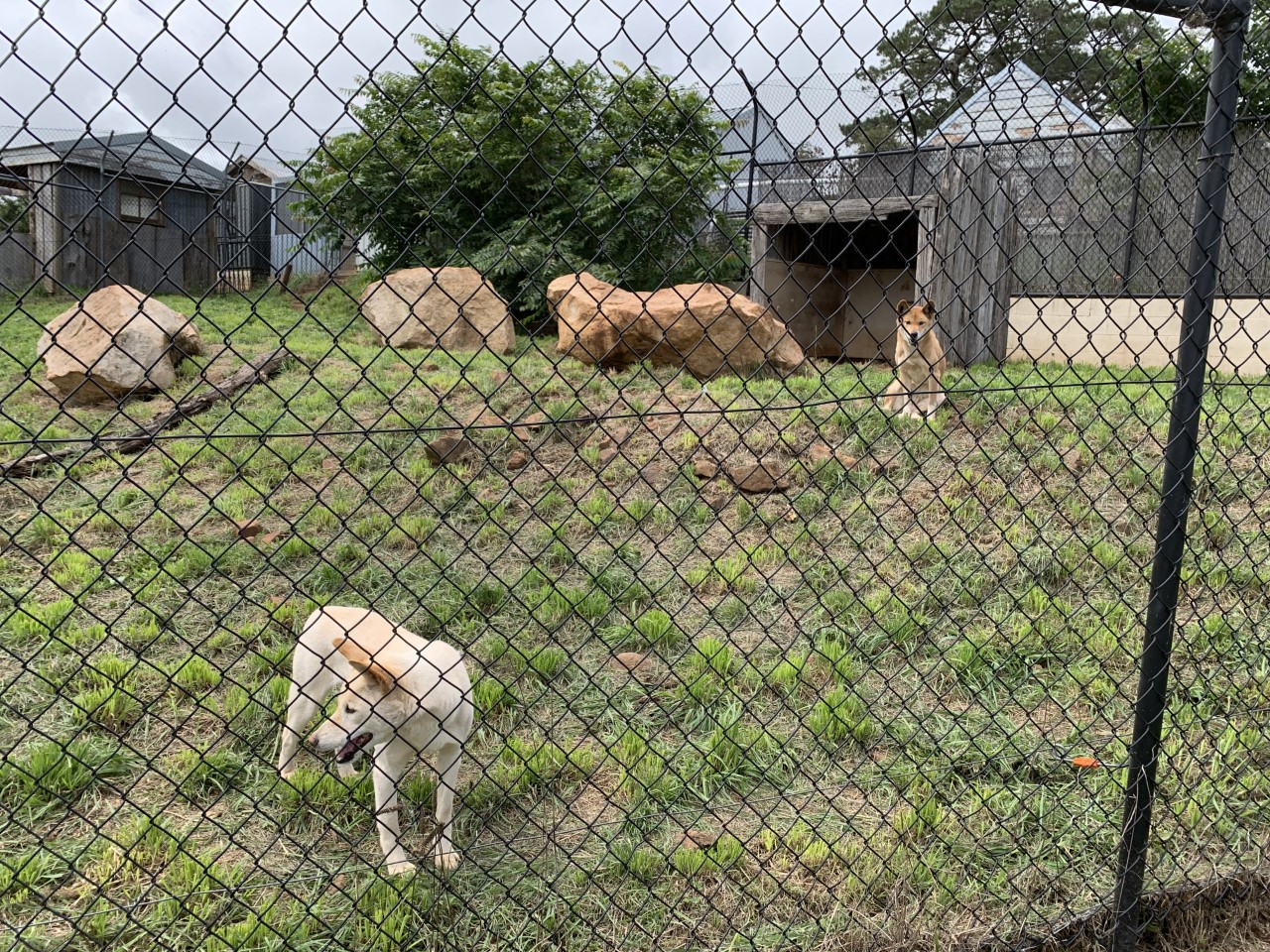
Across from here was an enclosure for Dingo. There were two dingoes, one was ginger and one was white.
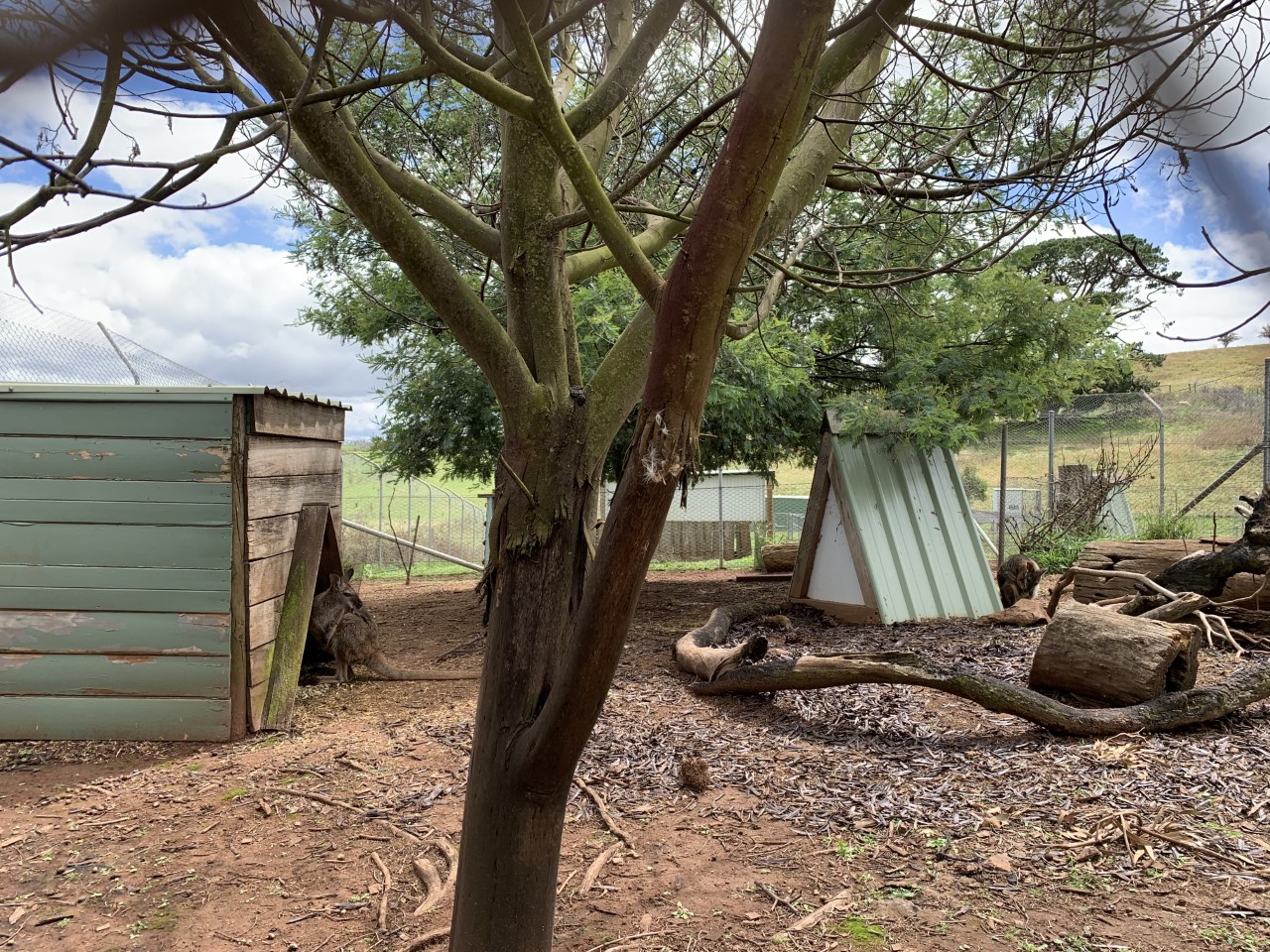
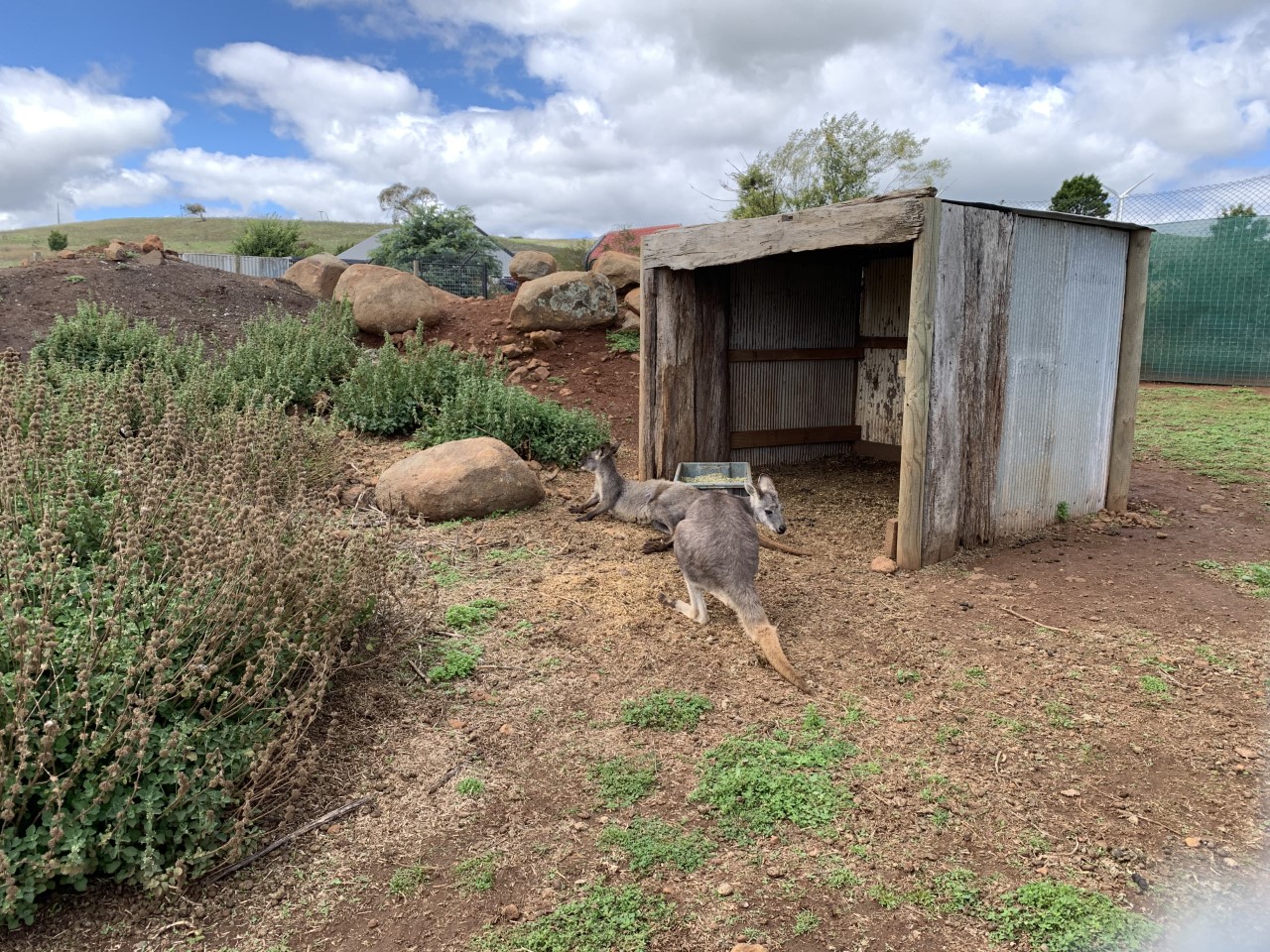
 Adjacent to the camel paddock were enclosures for Red-necked Wallaby and another small macropod, but I'm not sure what species they were. My nephew was a little stand-offish about feeding the animals, but he liked the small and gentle wallaby which he delightedly fed through the fence.
On the opposite side of the path was a small stable with post-and-rail fence for two more miniature horses. At the end of this path was a small paddock which held a Donkey and two more of the guanaco/llama hybrids.
The park site is farmland comprising of several paddocks, farmyard pens and multiple aviaries. A natural watercourse runs through the property and there is large farm dam.
Entering the park through the cafe and gift store, there was a pen on the right with two Emu. They were right at the fence anticipating the feed. Beside them was an aviary for wetland species. This aviary had a pond and was planted out with live plants. I saw Royal Spoonbill, Glossy Ibis, Chestnut Teal, Freckled Duck, Plumed Whistling Duck, Wandering Whistling Duck, White-headed Pigeon, Rainbow Lorikeet and Red Wattlebird. Behind this aviary was another, that also had a pond and live plants. In here I saw Pacific Black Duck.
Beyond the aviaries was a grassy path that led to a paddock for Eastern Grey Kangaroo. There were three roos, one grey and two albinos. They came over to the fence to be fed.
Returning along the same path, next were the pheasant aviaries. A free-range Indian Peafowl approached us looking for some feed. We offered it some, but I think it was more curious than hungry.
The pheasant aviaries were on either side of a walkway. One held a Turkey, Helmeted Guineafowl and some domestic chickens. Two more had Silver Pheasant and Ring-necked Pheasant. There was also an aviary for Reeves Pheasant, but I didn't see it. The aviaries were planted with live plants.
Across an open grassy space there was a large paddock which included the dam. There were wild Australian White Ibis.
Taralga Wildlife Park suffered from flood damage in 2019. Some of the fences and shelters in the lower part of the park are still under repair, including the guanaco paddock.
There was an enclosure for Black Swan which incorporated the natural watercourse on the property.
There was a large enclosure for Wedge-tailed Eagle. 'Wally' was a wild bird whose injuries mean he is unable to be returned to the wild.
Many of the birds in the next set of aviaries were the same. This row of aviaries held rescued Laughing Kookaburra, Bush Stone-curlew, Australian Magpie, Tawny Frogmouth, Channel-billed Cuckoo and others.
Another aviary held Chestnut Rail. This bird was quite friendly and approached the front of the aviary looking for feed.
Across from here was an enclosure for Dingo. There were two dingoes, one was ginger and one was white.
On the opposite side of the path was a small stable with post-and-rail fence for two more miniature horses. At the end of this path was a small paddock which held a Donkey and two more of the guanaco/llama hybrids.