Wildlife HQ Zoo Wildlife HQ Species List

WhistlingKite24

Well-Known Member
10+ year member
This is a species list for Wildlife HQ that is accurate as of my visit on the 1st November 2020. Like my intention with Australia Zoo, this species list will be updated per visit to have a working thread that is as up-to-date as possible from a visitor’s perspective. The list will be broken into sections reflecting the main portions of the zoo for clarity.

Background and Brief History of the Zoo:
The zoo came about as a result of Alma Park Zoo’s closure in 2014 with the nucleus of the collection moving to this current location in the Sunshine Coast. Wildlife HQ is situated on the grounds of the Big Pineapple (a tourism attraction) and is largely built on the remnants of old fruit orchards. The zoo is fringed with large patches of lush forest and is generally very well-shaded. Wildlife HQ has been consistently acquiring new species to diversify its collection. Here is a brief timeline of their more well-known acquisitions and developments for Zoochatters who aren’t very familiar with the zoo [note they also received Fennec Fox and Lumholtz’s Tree Kangaroo but both species quickly disappeared after their arrival]:

2016: Rufous Bettong arrived, 3.0 Black-handed Spider Monkey arrived from Auckland Zoo, the zoo opened their Reptile Barn in honour of Australia Zoo’s founder Bob Irwin

2017: the zoo’s first group of Meerkats arrived [1.1 from Symbio], Golden Lion Tamarin arrived [1.1 from Mogo Wildlife Park], Capybara arrived [2.0 from Altina Wildlife Park], African Wild Dogs arrived [8.0 from Altina Wildlife Park]

2018: Rhinoceros Iguana arrived [0.0.4], Boyd’s Forest Dragon arrived, Black-and-white Ruffed Lemur arrived [0.4 from Perth Zoo], Brush-tailed Rock Wallaby arrived [1.3], Maned Wolf arrived [0.2 from Altina Wildlife Park], Long-nosed Potoroos arrived

2019: Common Wombat arrived [0.1 from Altina Wildlife Park], an enclosure for Perentie was built, the zoo received a breeding pair of Quokka, the zoo bred their first rock wallaby joeys

2020: Radiated Tortoise arrived [3.1 from Adelaide Zoo], Serval arrived [3.0 from Altina Wildlife Park], Fijian Crested Iguana arrived [1.0], Eastern Quoll arrived, a new open air exhibit for spider monkeys was opened, the zoo bred their first Quokka and first ever lemurs


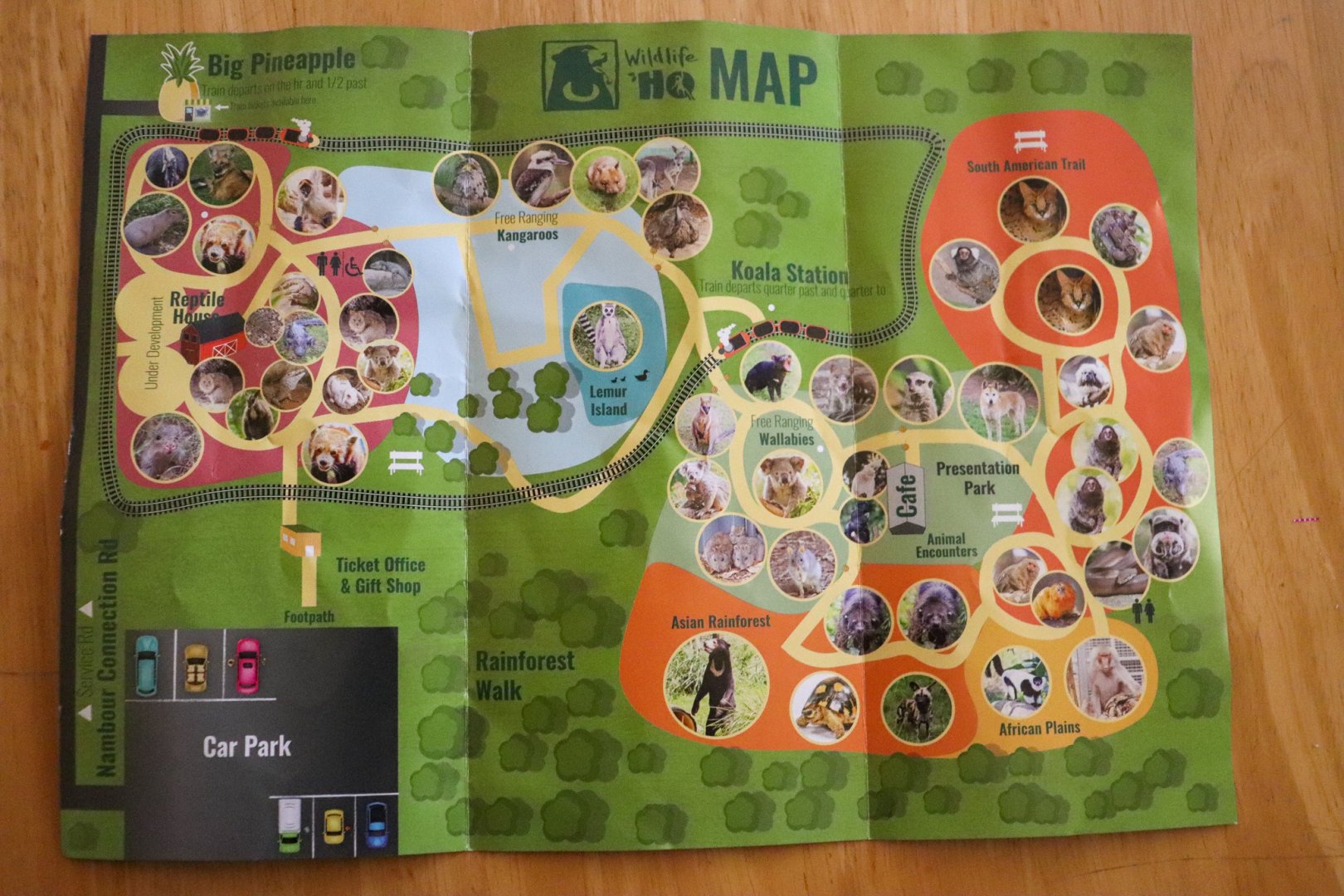
Today’s map for reference:
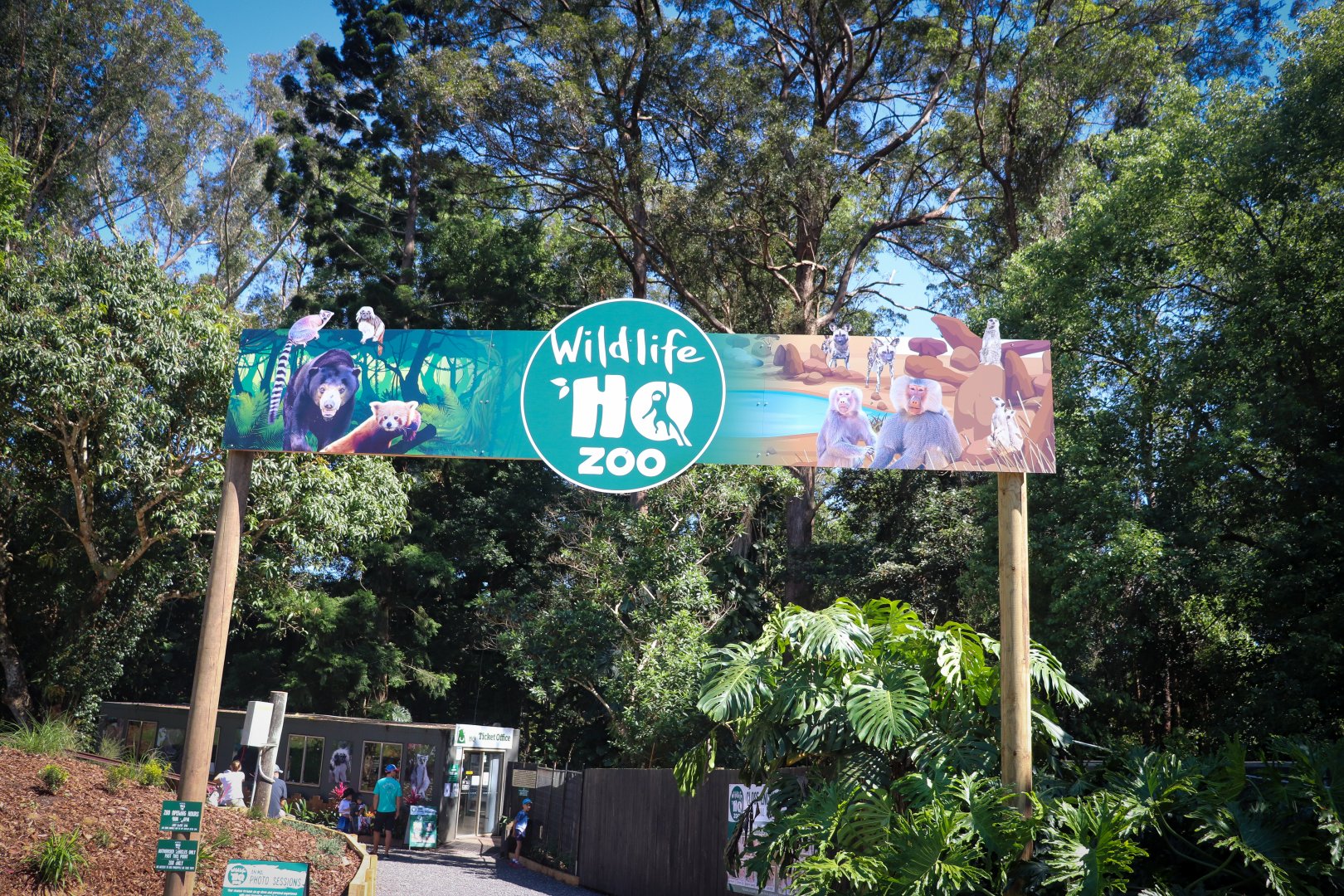
The zoo's entrance:
 
PART 1 – FIRST HALF OF ENTRY AREA (14 Exhibits)
This area consists of the first half of the zoo from the entrance to the Reptile Barn. This area comprises of a set of enclosures right outside the entry building and a row of exhibits that run along the majority of the entry pathway. These exhibits initially used to house mainly domestic species but have since been developed to contain mainly reptile and native mammal species.

A large lushly-planted enclosure with ropes, mature trees and wooden platforms. These enclosures are glass-fronted and can be separated into two exhibits via a small gate. This enclosure was especially built for Lumholtz’s Tree Kangaroo but on my visit, it housed an elderly pair of:
Red Panda (Ailurus fulgens fulgens)

A small, open-topped grassy enclosure with a low barrier and small cage-like structure with straw bedding. These are among the last domestic species left at the zoo after Wildlife HQ moved most of them out of the zoo:
Rabbit (Oryctolagus cuniculus)
Guinea Pig (Cavia porcellus)

An open-topped enclosure with a few branches and a corrugated iron fence:
Koala (Phascolarctos cinereus)

A similarly-designed enclosure with a few branches. This particular individual was brought into a captivity in 2016 and it was found he had mild scoliosis, deeming him non-releasable:
Koala (Phascolarctos cinereus)

A grassy, open-topped enclosure right next to the koala enclosures:
Rufous Bettong (Aepyprymus rufescens)

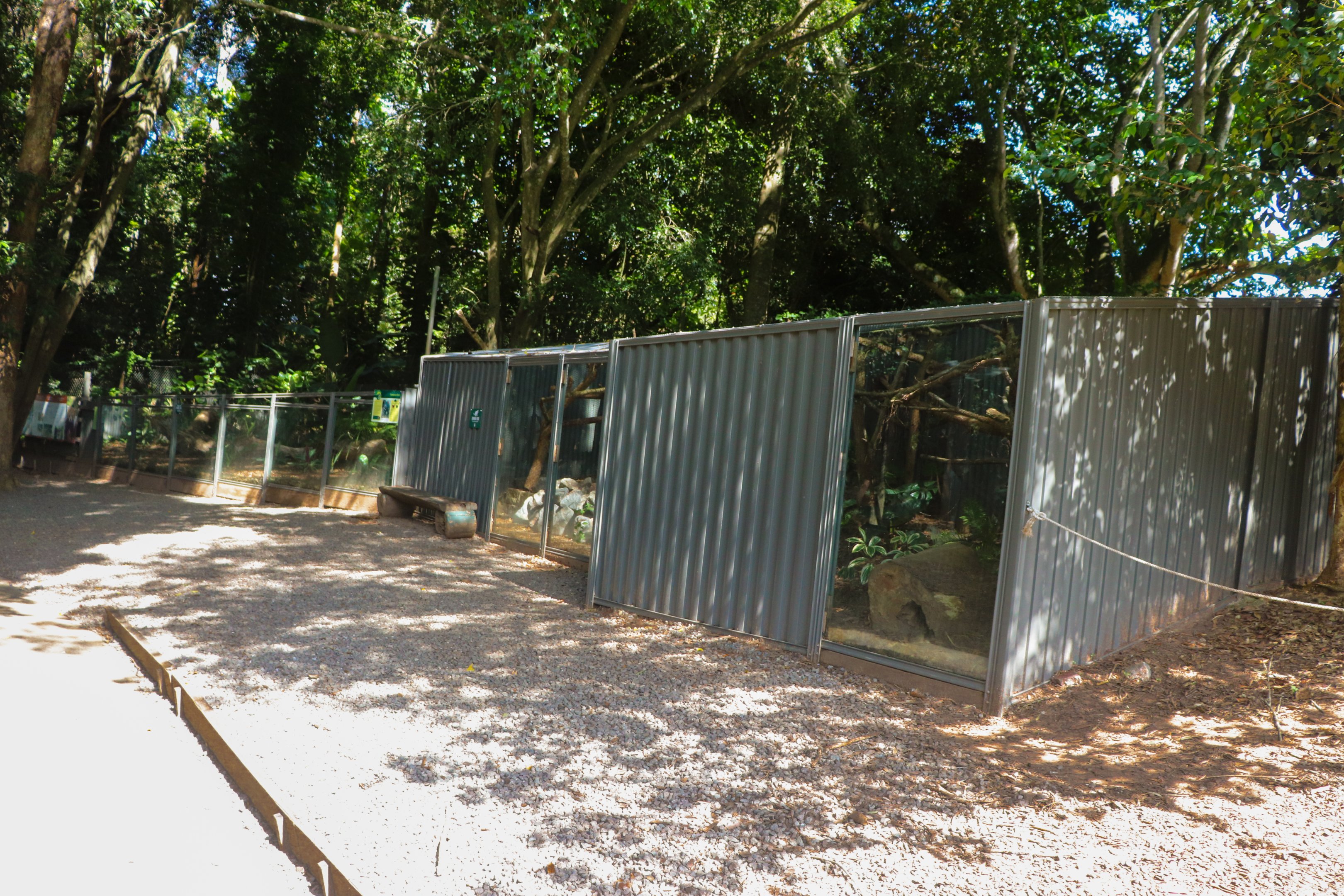
Opposite this first complex of enclosures begins a row of exhibits that run along the majority of the first half of the zoo. The first exhibit consists of a small grassy enclosure with a glass-fronted den area for visitor viewing. On my visit it contained a:
Quokka (Setonix brachyurus)

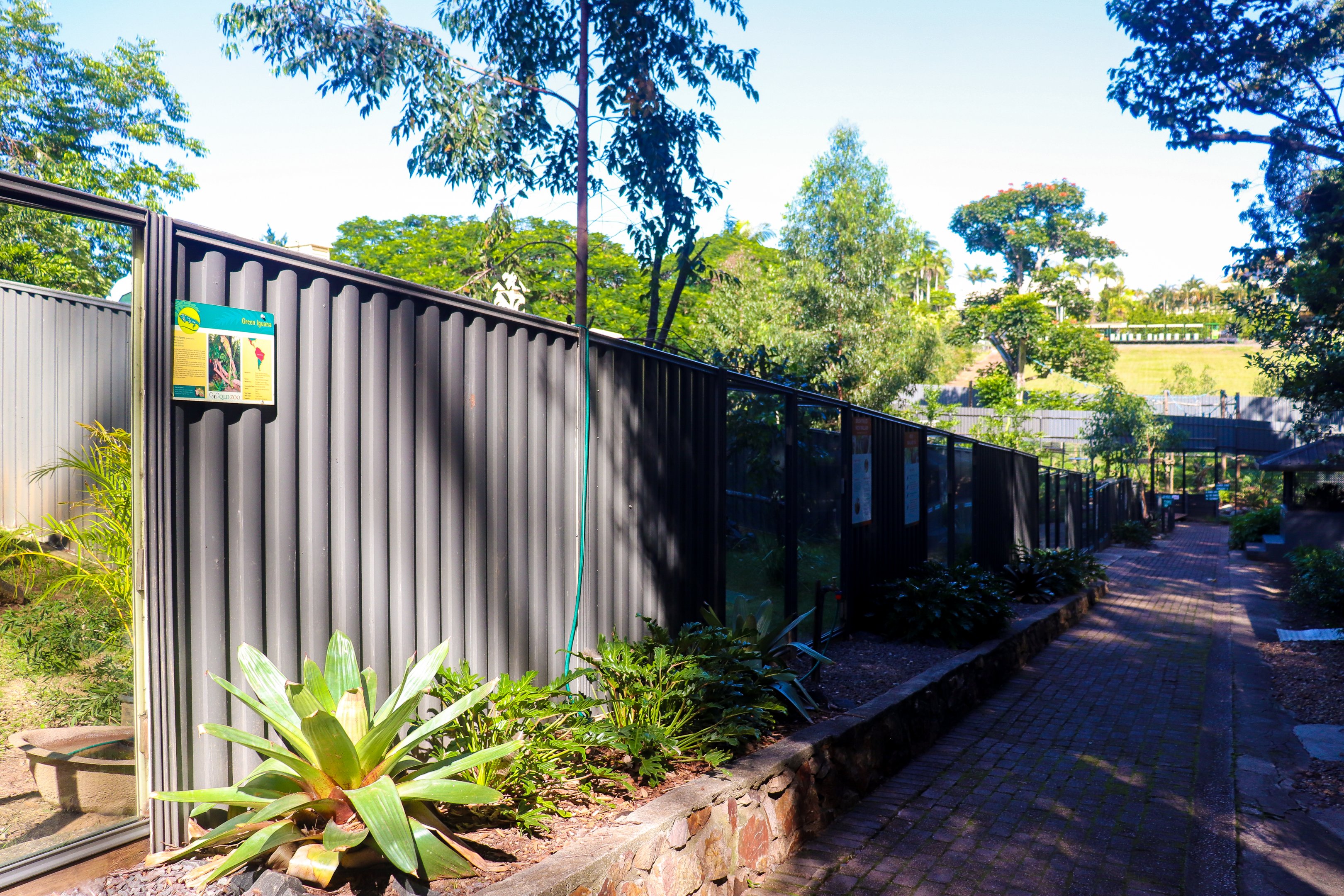
Next-door, a glass-fronted enclosure can be viewed from the either side. It formerly housed a Green Iguana but now houses a:
Quokka (Setonix brachyurus)

Continuing along the row, is a large glass-fronted enclosure with wooden platforms, branches and a small rock mound. It houses the offspring of last year’s rock wallaby joeys:
Brush-tailed Rock Wallaby (Petrogale penicillata)

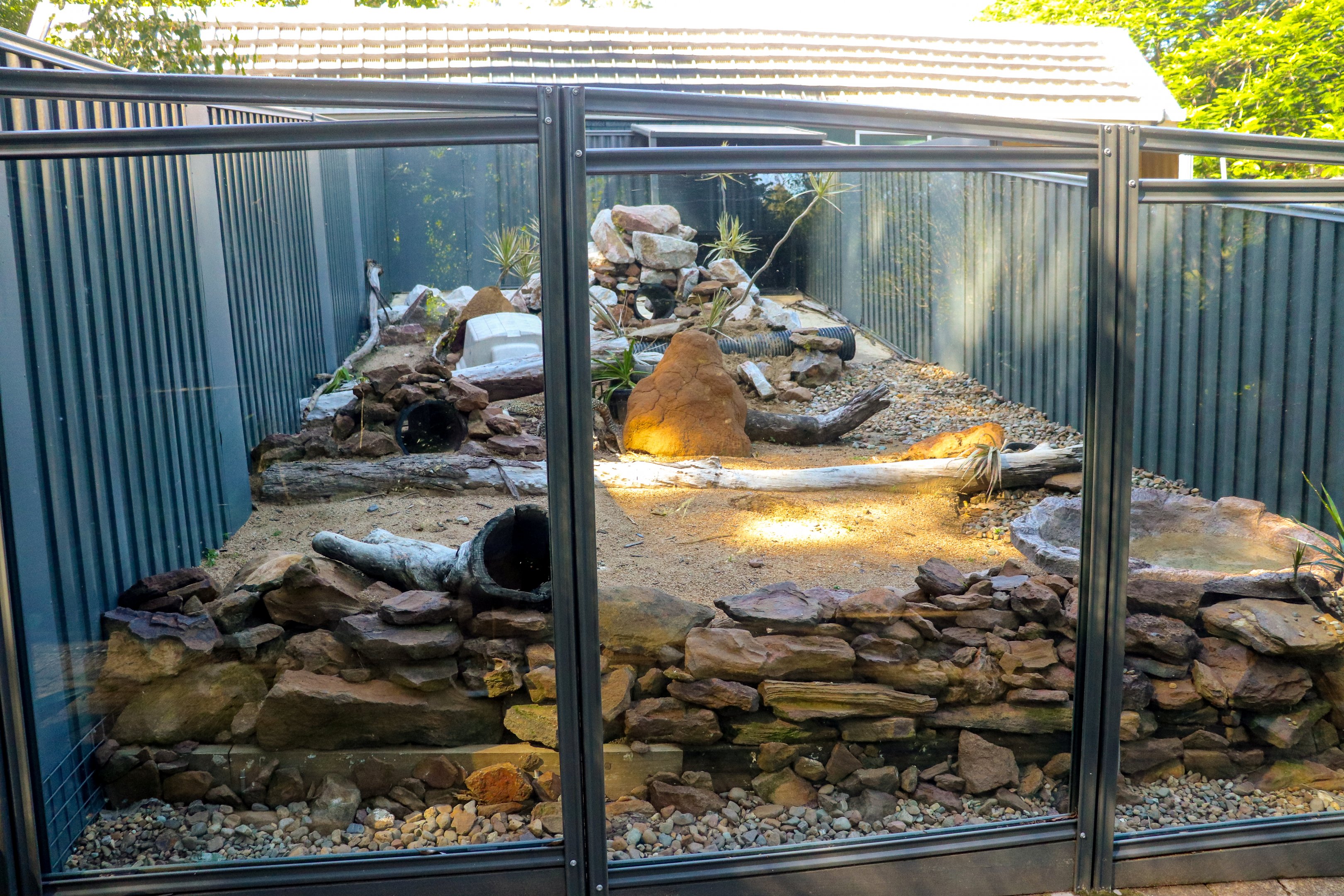
A smaller well-landscaped enclosure with rock piles and crevices. This exhibit can be separated into two exhibits, or opened up to create one large enclosure like seen on today’s visit:
Perentie (Varanus giganteus)

A small glass-fronted exhibit with a small pool and grassy area:
American Alligator (Alligator mississippiensis)

A similar glass-fronted enclosure with more plantings and is slightly larger overall in size:
Freshwater Crocodile (Crocodylus johnstoni)

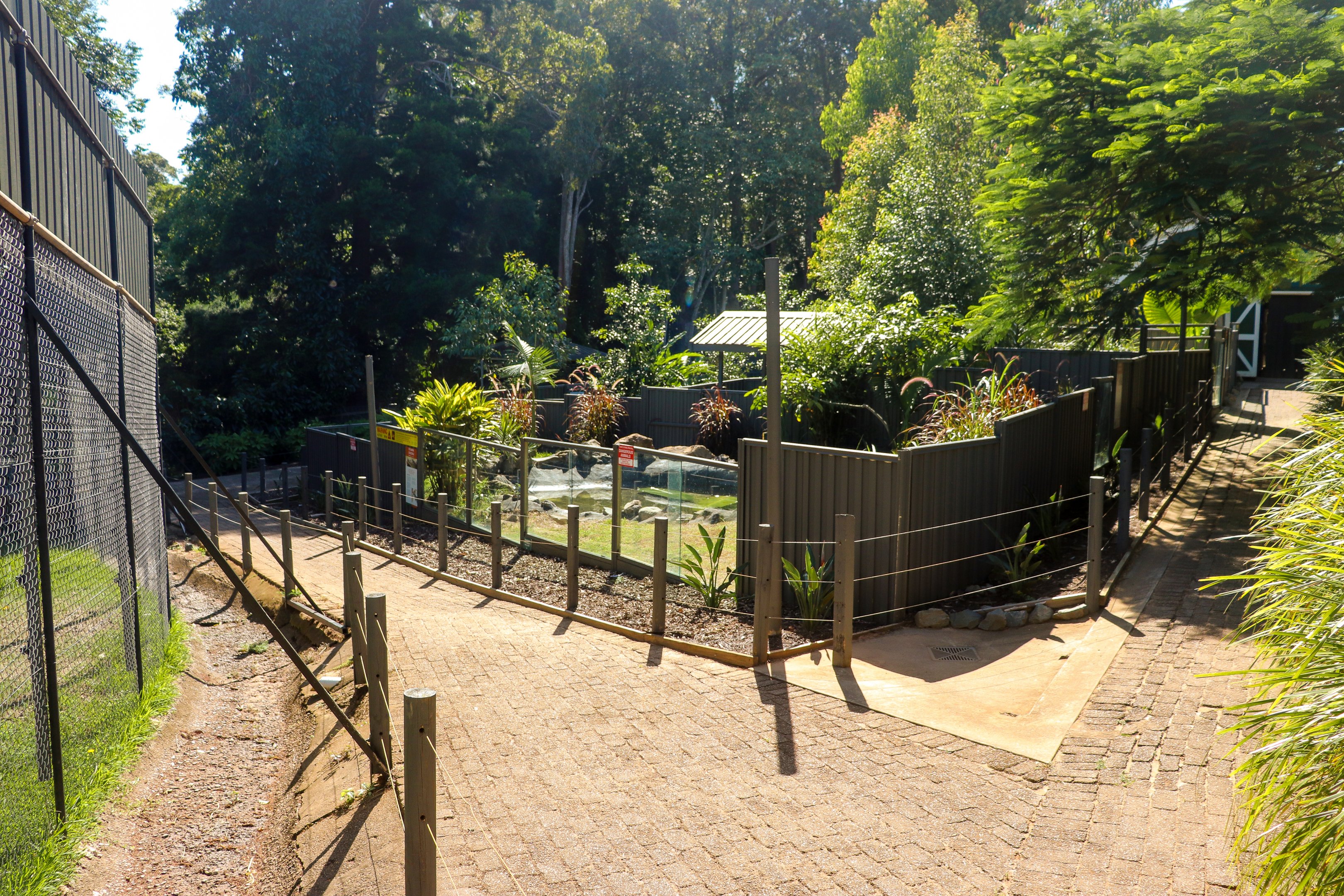
A large enclosure with a good-sized pool and a few plantings (palms etc.). It contains a juvenile female:
Saltwater Crocodile (Crocodylus porosus)

Right next to the Reptile Barn is a small well-planted, glass fronted enclosure with a small pool:
American Alligator (Alligator mississippiensis)

A small brick structure with a meshed front for viewing. This enclosure formerly housed bearded dragons and bluetongues:
Rhinoceros Iguana (Cyclura cornuta)


They are doing a nice job of it will have to return after the Gibbons arrive!
 
PART 2 – REPTILE BARN (15 Exhibits):
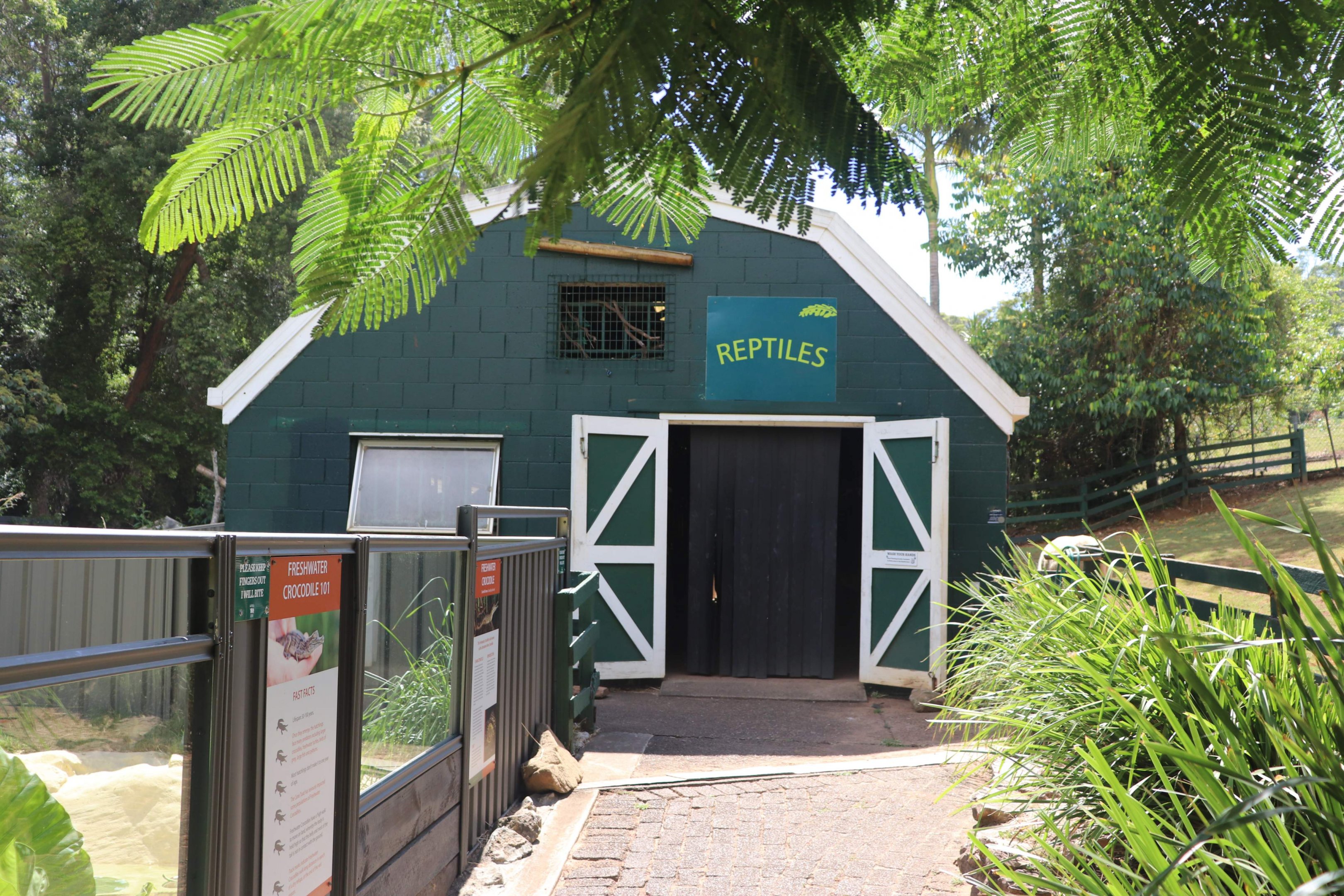
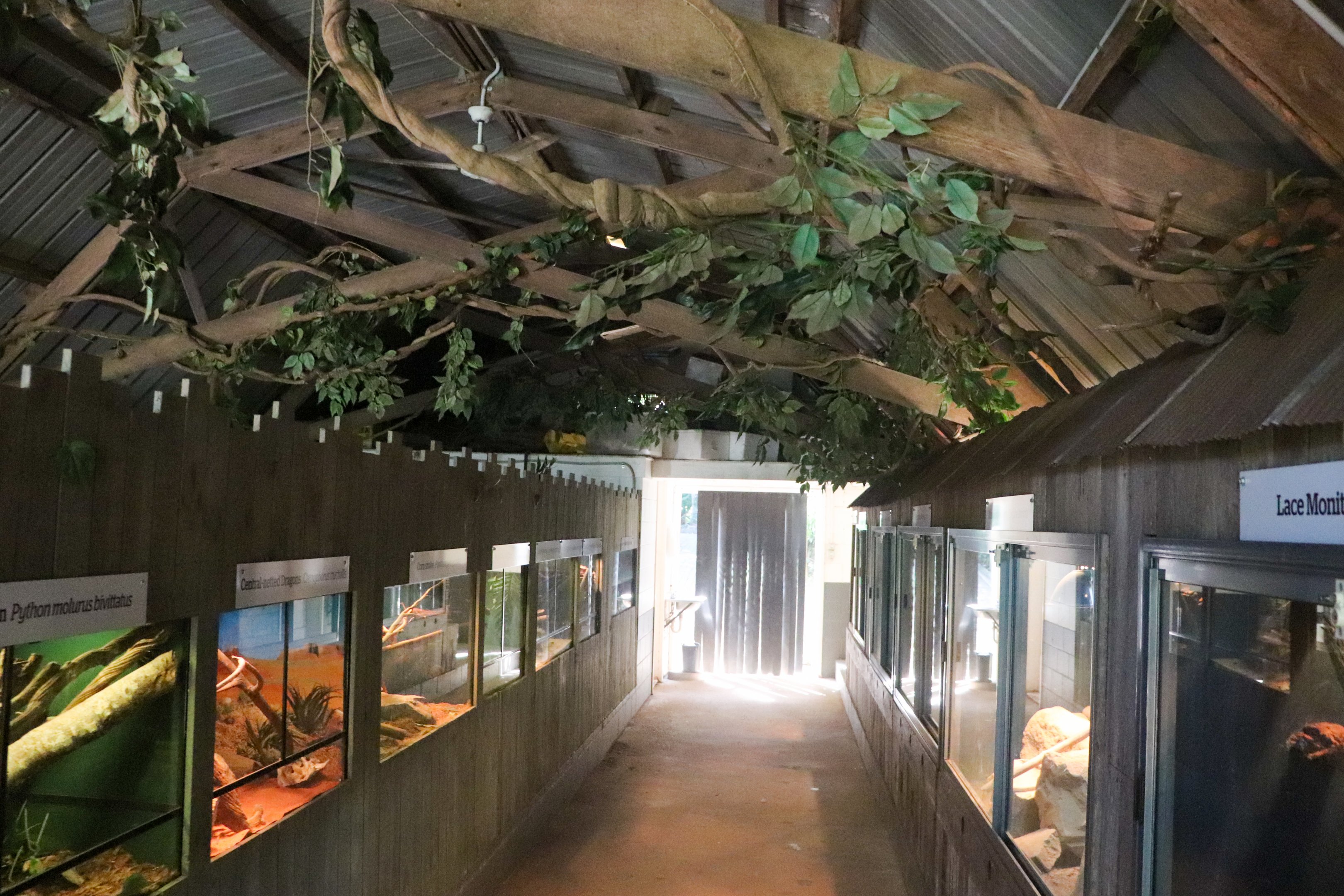
This heritage-listed barn originally housed domestics when the zoo first moved into the area. In June 2016, this barn was converted to house the majority of the zoo’s reptile collection in a series of glass-fronted exhibits. It was dedicated to Australia Zoo’s founder, Bob Irwin. The barn’s signage for the reptiles is easily able to be changed and moved enabling the reptiles to be moved around a lot. The only downside of this is that there is minimal information on each species. A lot of the species housed here are still juveniles (e.g. burmese python, alligators and crocodiles) and are in ‘grow out’ enclosures until they can move be moved outdoors. This barn has housed everything from hopping mice to legless lizards but on my visit, it had the following species.

A smallish darkly-lit vertical enclosure with fake horizontal vines:
Boyd’s Forest Dragon (Lophosaurus boydii)

An enclosure with a series of large horizontal hollow logs and branches providing good climbing and hiding opportunities:
Spotted Tree Monitor (Varanus scalaris)

An enclosure with a range of branches and logs with a rocky base and dirt substrate. This enclosure formerly housed South-Western Carpet Pythons but now houses one of the zoo’s newest arrivals:
Fijian Crested Iguana (Brachylophus vitiensis)

A darkish, large enclosure:
Boa Constrictor (Boa constrictor)

A large bare enclosure with a few branches and logs with rocks and sandy substrate. This exhibit formerly housed the Rhinoceros Iguana that have since been moved into an enclosure outdoors:
Frilled-necked Lizard (Chlamydosaurus kingii)

A medium-sized enclosure with a series of vertical and horizontal branches with a few fake plants and leaf litter substrate. This terrarium formerly housed a juvenile Lace Monitor:
Darwin Carpet Python (Morelia spilota variegata)

A large enclosure formerly housing Black-headed Python:
Burmese Python (Python bivittatus)

Beginning the row of enclosures that face opposite the ones already mentioned, is an enclosure that has a large body of water with a layer of pebbles and rocks and a log for basking:
Freshwater Crocodile (Crocodylus johnstoni)

A basic enclosure with a few furnishings and a sandy substrate:
Black-headed Python (Aspidites melanocephalus)

A small enclosure with a desert theme and a few rocks and branches:
Central Netted Dragon (Ctenophorus nuchalis)

A medium-sized enclosure with several branches of varying sizes and a few fake plants:
Corn Snake (Pantherophis guttatus)

A small enclosure with a series of twisted branches and vines with a green backdrop:
Boyd’s Forest Dragon (Lophosaurus boydii)

A small enclosure with a few small branches that run along the enclosure. This exhibit also has a few fake plants including a small cactus, and a few rocks. This is also the Reptile Barn’s only mixed species exhibit:
Gilbert’s Dragon (Lophognathus gilberti)
Pygmy Spiny-tailed Skink (Egernia depressa)

A small enclosure with a few furnishings:
Spotted Python (Antaresia maculosa)

An enclosure with a large body of water with a small basking area:
American Alligator (Alligator mississippiensis)


PART 3 – SECOND HALF OF ENTRY AREA (6 Exhibits)
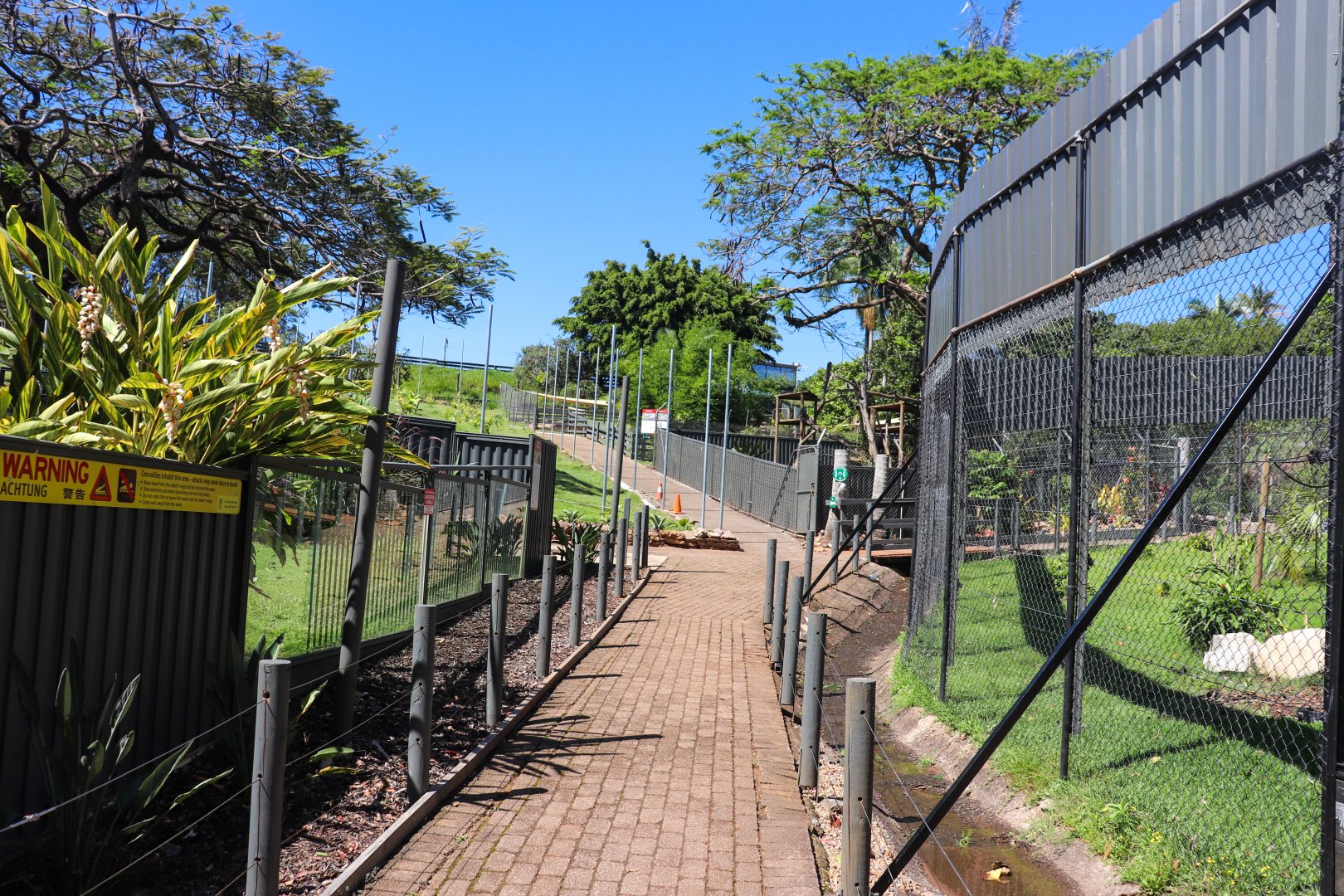
This area is situated in a hilly area of the zoo beyond the Reptile Barn. A significant portion of it is currently under construction. Something interesting to note is that a small stream beginning at the capybara enclosure runs through the red panda enclosure and spider monkey exhibit to the lemur lake.

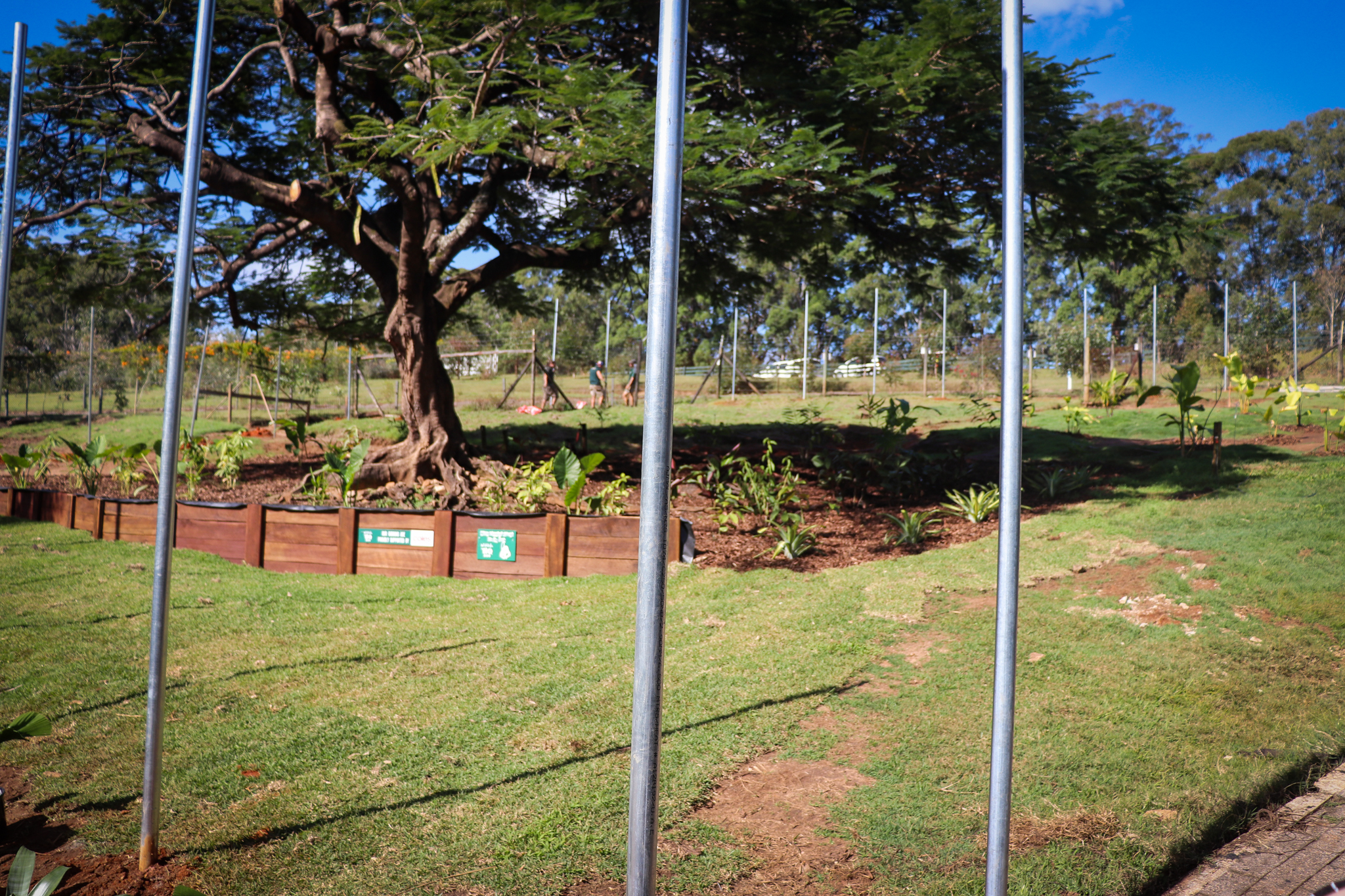
An enclosure currently being constructed with a Poinciana tree. This land was formerly where the blackbuck, alpacas and ponies were housed:
Under Construction - future enclosure for White-cheeked Gibbons (Nomascus leucogenys)

A very large open-air enclosure with a mature African tulip tree, ropes, wooden platforms and branches. This exhibit also has glass-fronted viewing opportunities and a well-landscaped pond with lush plantings. This enclosure was initially constructed for gibbons but currently contains:
Black-handed Spider Monkey (Ateles geoffroyi)

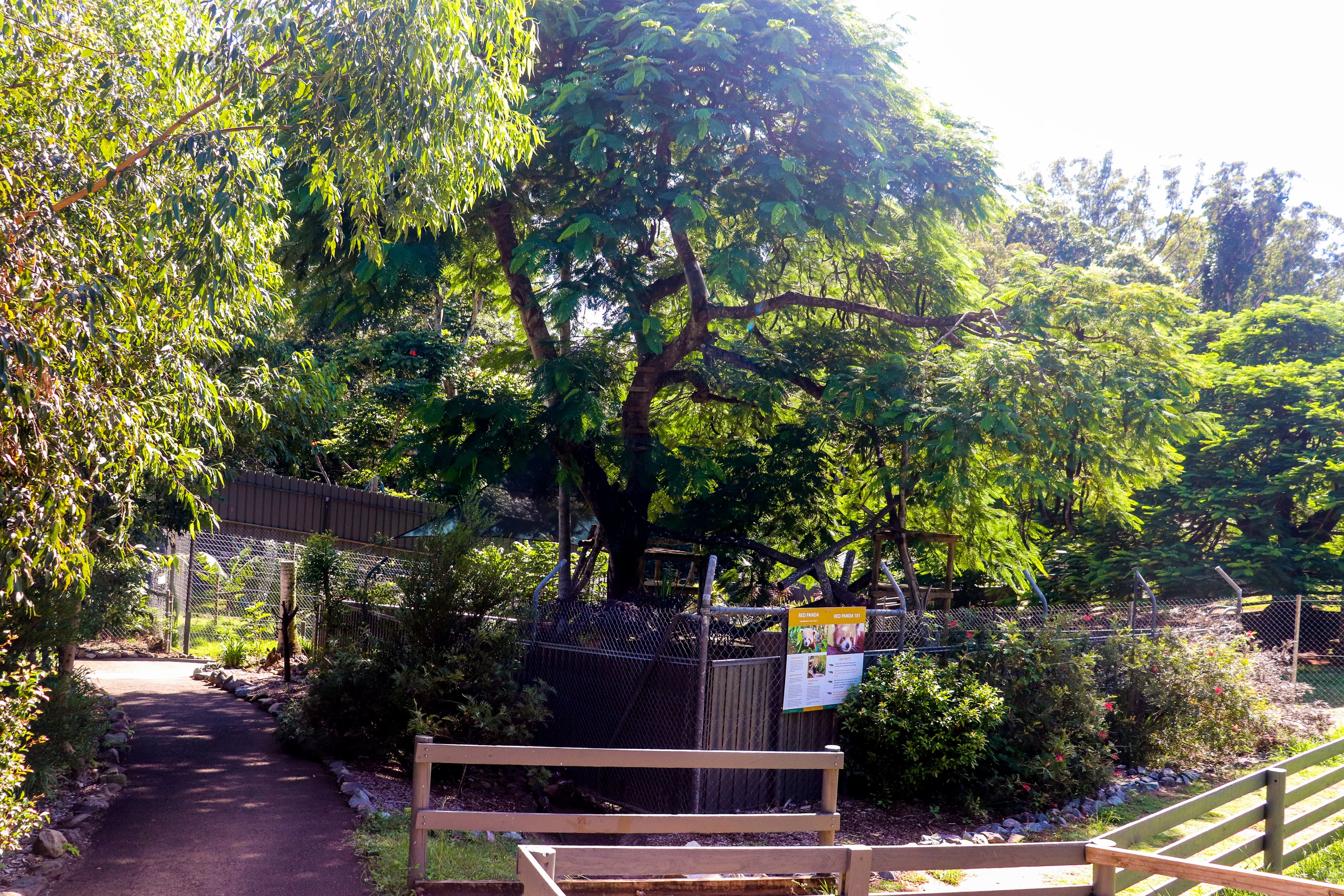
A large shady enclosure with a mature Poinciana tree and wooden platforms. This enclosure formerly housed a binturong but now the exhibit contains a father-son pair of:
Red Panda (Ailurus fulgens fulgens)

A fenced grassy paddock with a well-shaded area and two sources of water (a smaller pool and a stream that runs along the side of the exhibit):
Capybara (Hydrochoerus hydrochaeris)

A fenced enclosure with thick plantings and shady areas. There is also a small den area allowing this species to escape public view. This exhibit contains a young sister pair of:
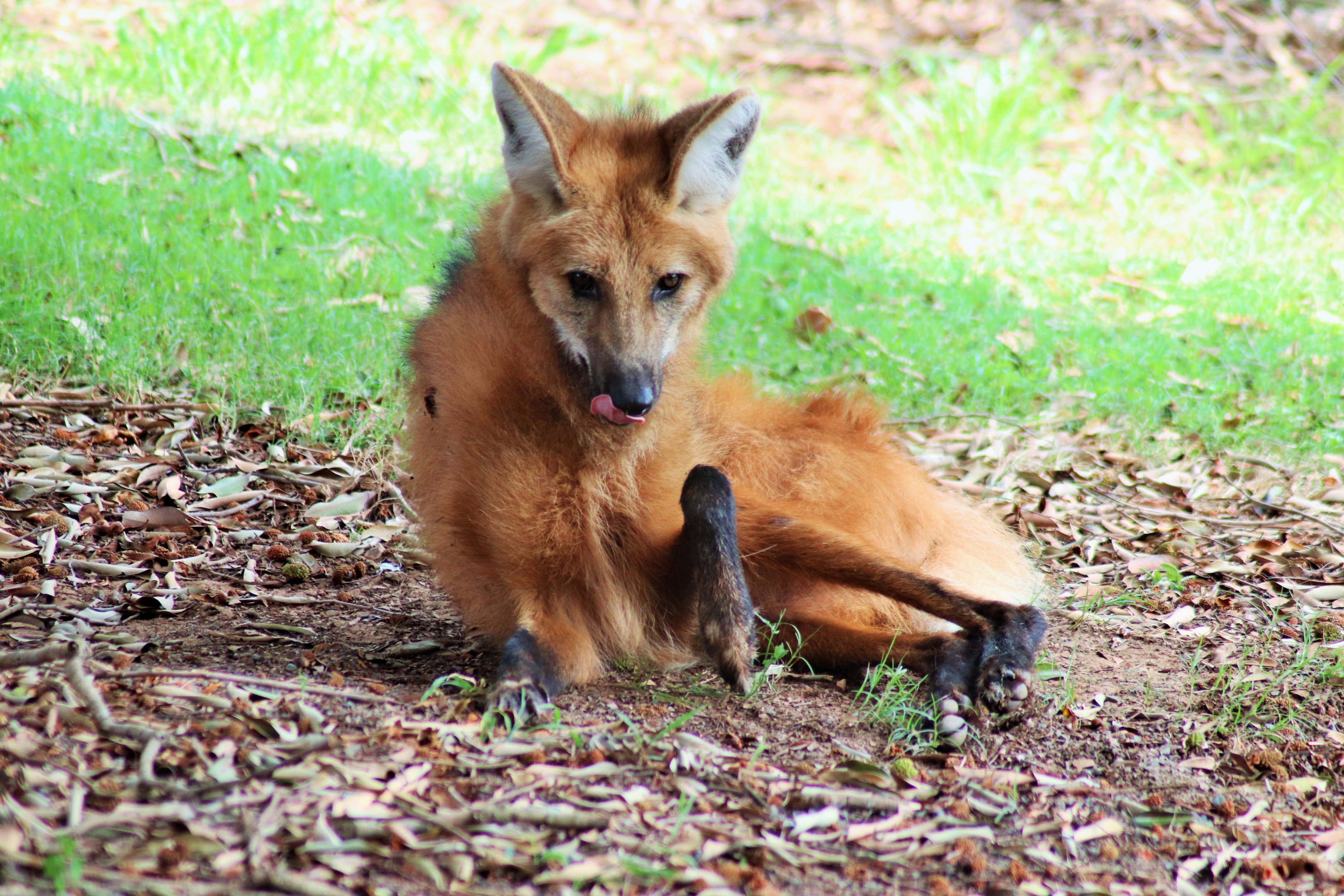
Maned Wolf (Chrysocyon brachyurus)

A lusher enclosure that runs opposite the wolves. This enclosure is very well-shaded and contains several mature trees. This particular individual used to live at Alma Park Zoo, then later moved to a zoo up north and finally moved back to Wildlife HQ a few years ago:
Southern Cassowary (Casuarius casuarius johnsonii)


PART 4 – KANGAROO WALKTHROUGH (7 Exhibits)
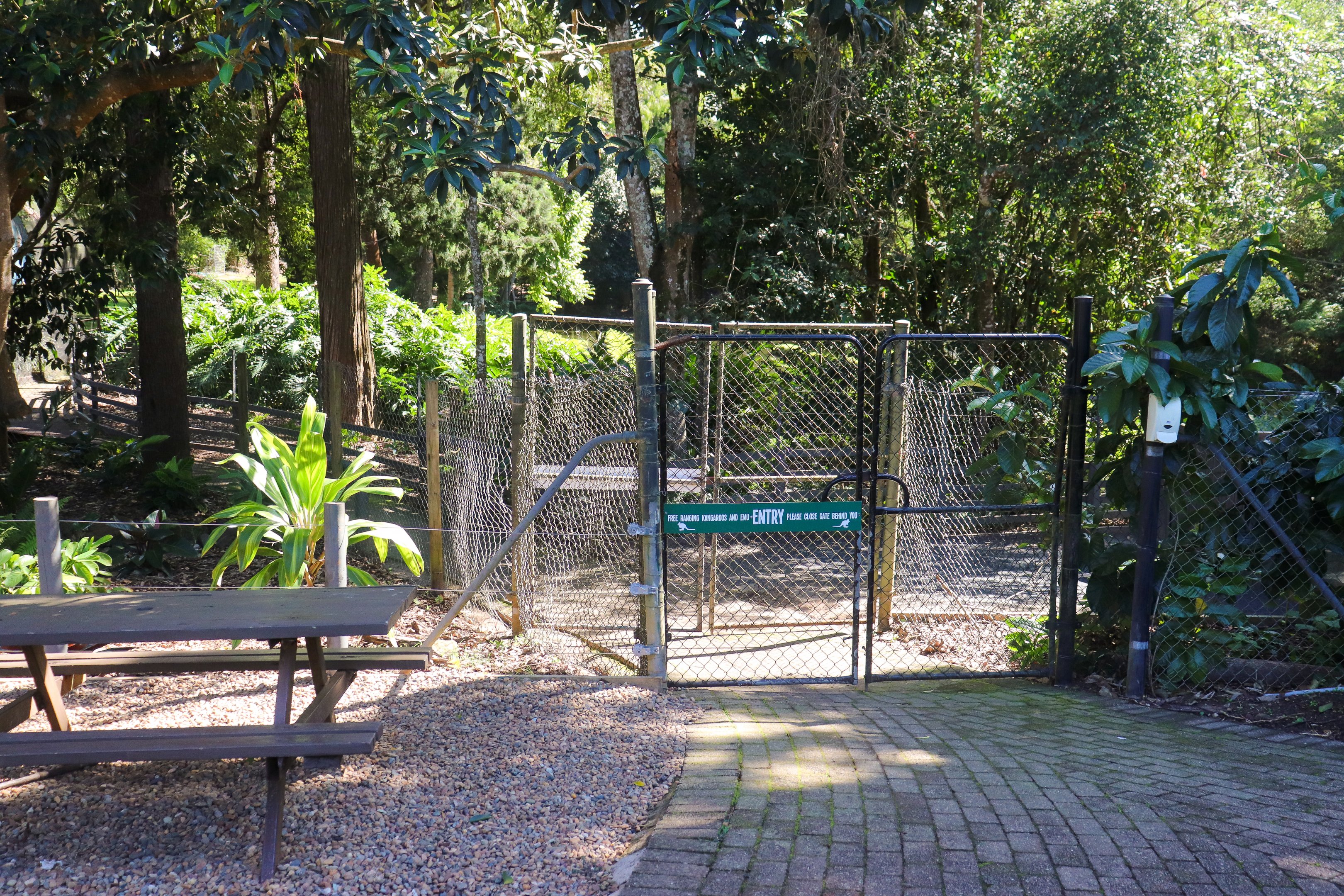
This section comprises of a fenced area for a few free-ranging species and a lake with a small island exhibit for their group of lemurs. Some of the smaller exhibits for the reptiles formerly housed the bird species but a few years ago the zoo mixed them together in what was once an enclosure for a Masked Owl.

Free ranging species:

Red Kangaroo (Osphranter rufus)
Emu (Dromaius novaehollandiae)
Indian Peafowl (Pavo cristatus)
Helmeted Guineafowl (Numida meleagris)

Past another viewing area for the first Quokka enclosure seen in part one [the exhibit near the koalas], is a larger pair of enclosures for their breeding pair of the species:
Quokka (Setonix brachyurus)

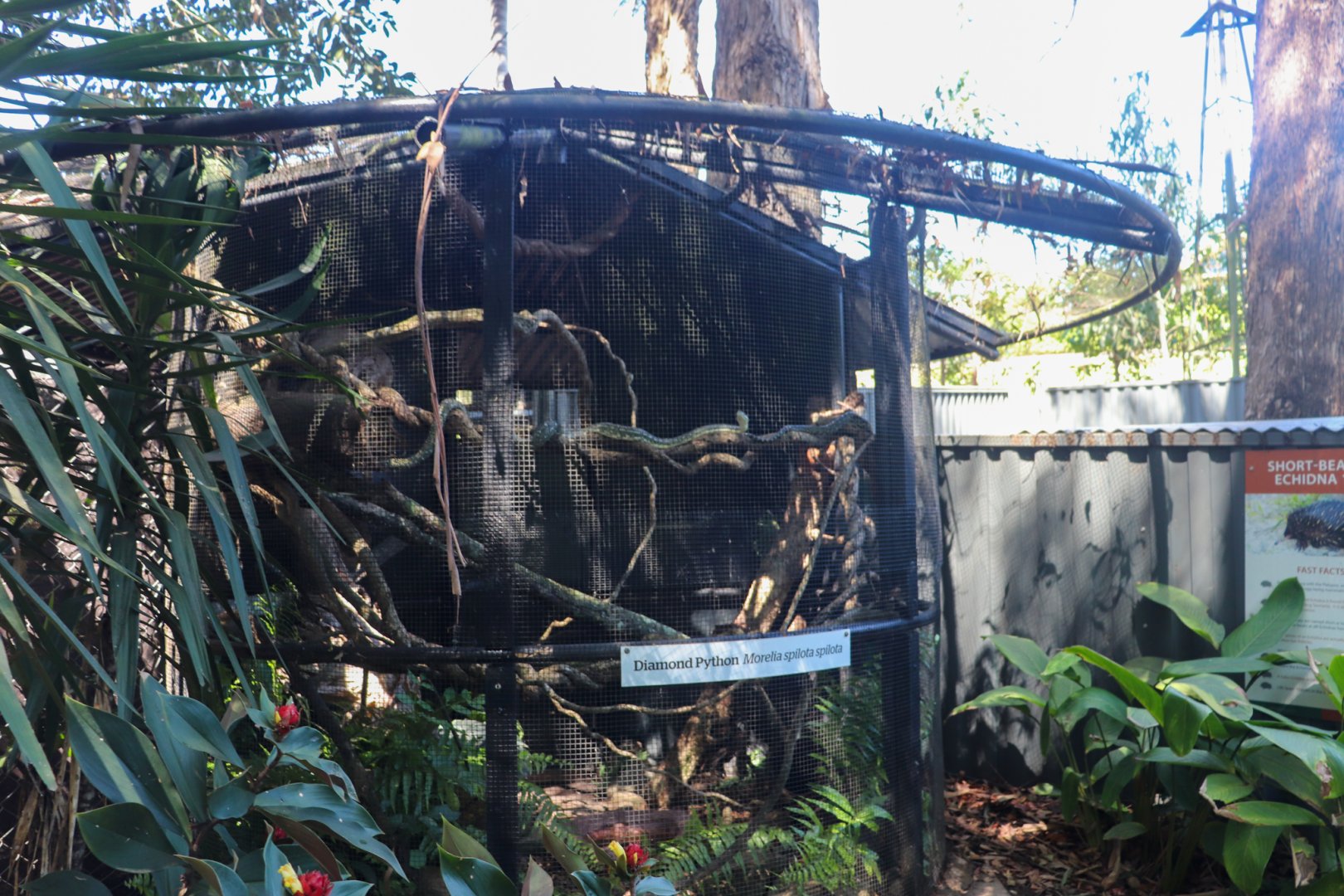
A small aviary with a series of vines and branches:
Diamond Python (Morelia spilota spilota)

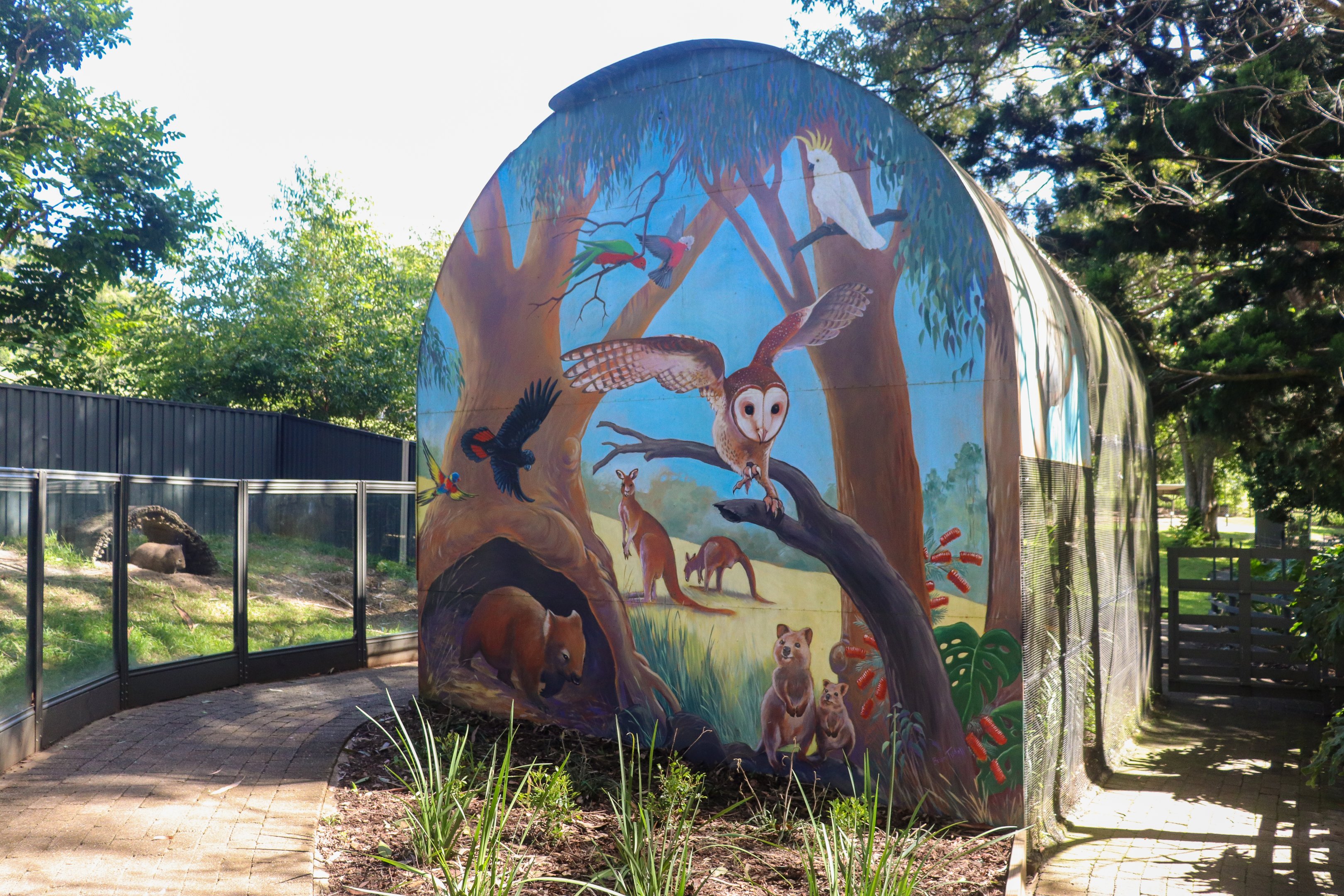
A medium-sized aviary with a mural painted along the side:
Bush Stone Curlew (Burhinus grallarius)
Laughing Kookaburra (Dacelo novaeguineae)
Tawny Frogmouth (Podargus strigoides)

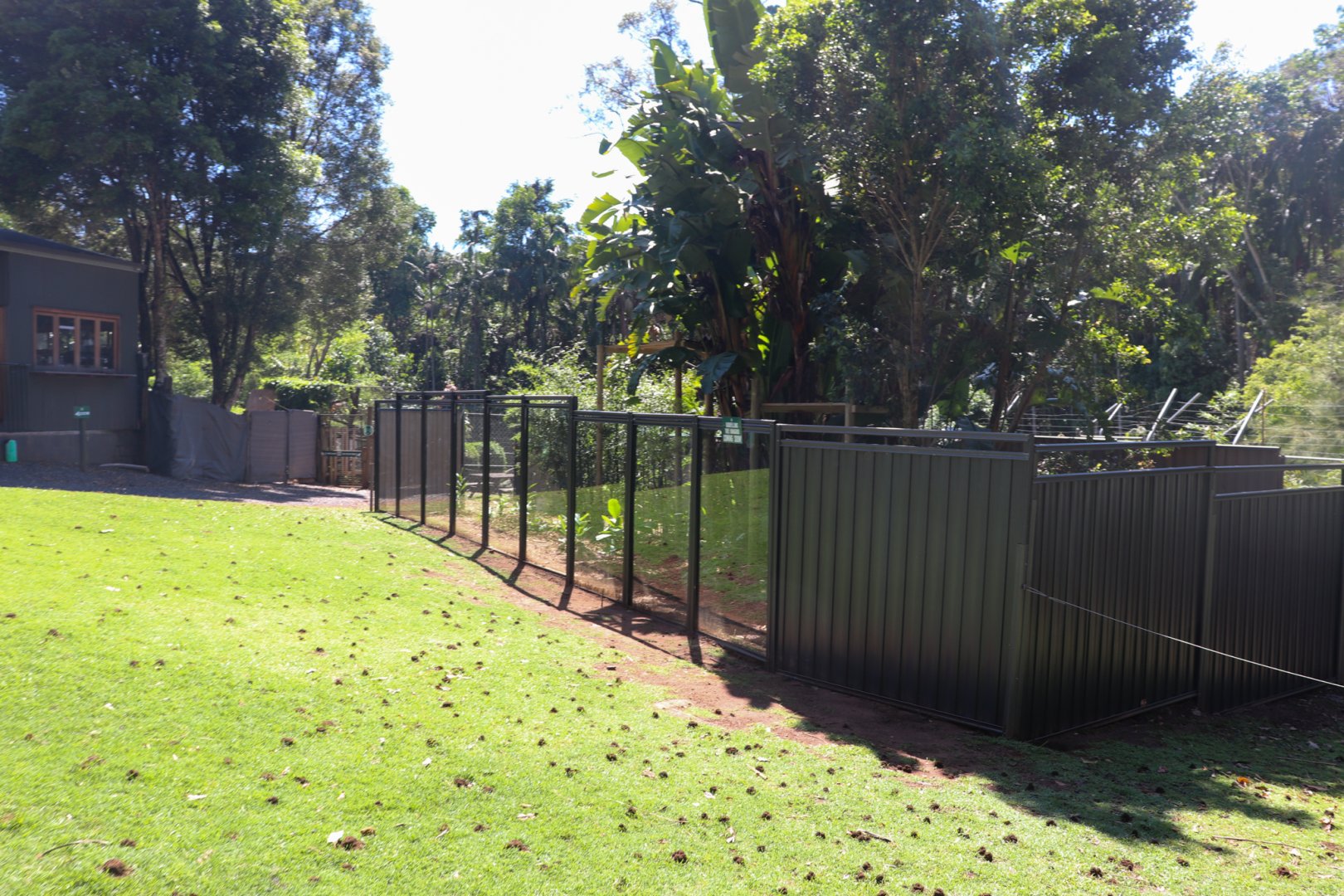
A small open-topped enclosure with glass viewing and a side den area. This enclosure is one of the newer exhibits at the zoo:
Short-beaked Echidna (Tachyglossus aculeatus)
Common Wombat (Vombatus ursinus)

Further towards the exit, a small aviary with a few large plantings. This enclosure formerly housed a Coastal Carpet Python:
South-west Carpet Python (Morelia spilota imbricata)

In the large body of water that sits opposite the kangaroo walkthrough is also a small island enclosure with a few branches and a newly-built shaded area. The zoo will be expanding this exhibit in the future as they now hold six (1.3.2) lemurs in this enclosure:
Ring-tailed Lemur (Lemur catta)


PART 5 -WALLABY WALKTHROUGH (14 Exhibits)
This section is one of the zoo’s largest areas with free-ranging macropods, emu, deer and geese. The majority of these enclosures house native species in large lush enclosures. The newest development in this area has been the arrival of quolls near the Tasmanian devils, forming a small corner of dasyurids.

Free ranging species:
Red Kangaroo (Osphranter rufus)
Bennett’s Wallaby (Notamacropus rufogriseus rufogriseus)
Swamp Wallaby (Wallabia bicolor)
Fallow Deer (Dama dama)
Emu (Dromaius novaehollandiae)
Cape Barren Goose (Cereopsis novaehollandiae)

An open-topped, well-planted enclosure shaded with fig trees.
Tasmanian Devil (Sarcophilus harrisii)

A glass-fronted enclosure with a series of raised logs and branches:
Vacant – future enclosure for (presumably) Tiger Quoll (Dasyurus maculatus)

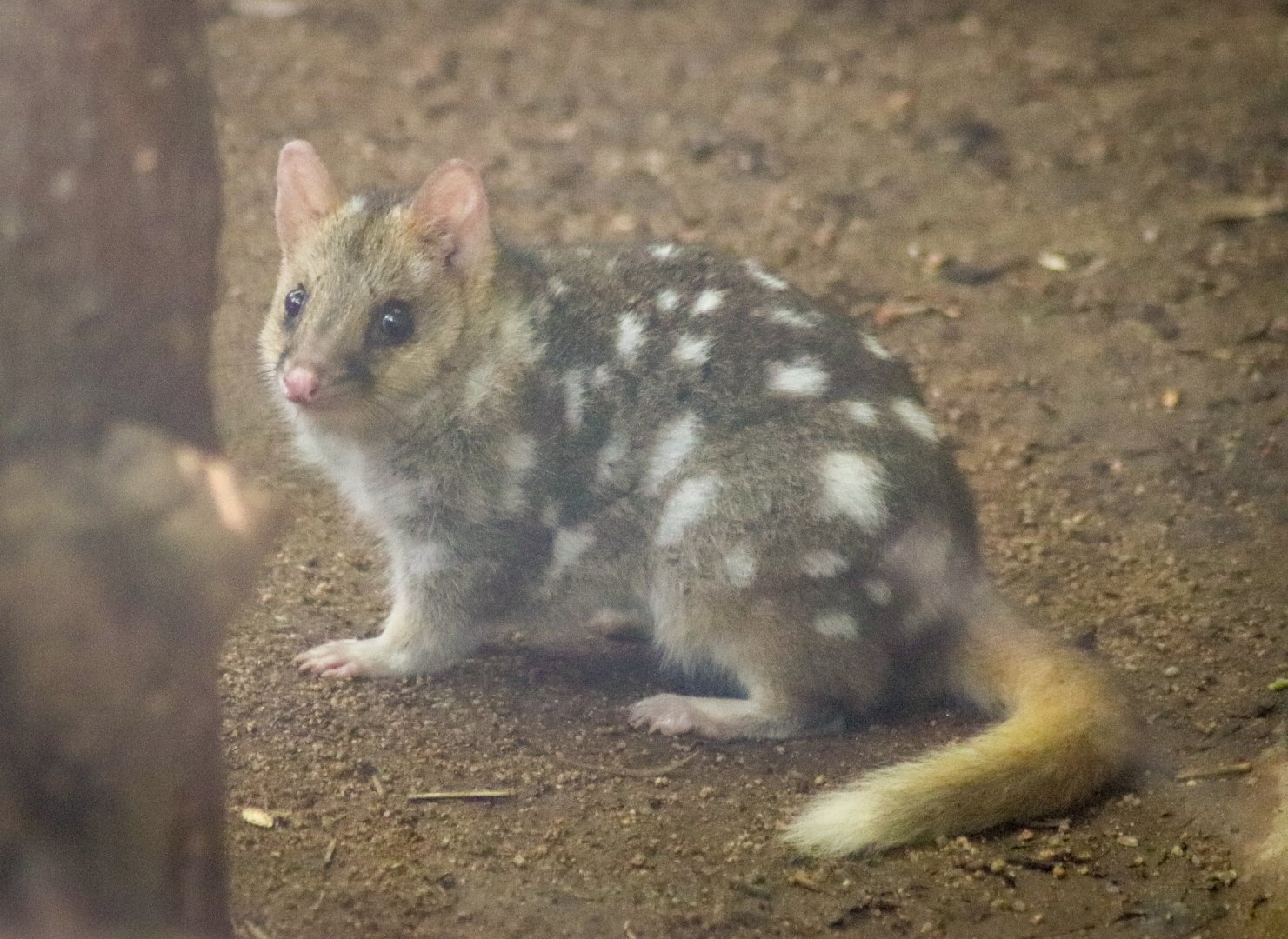
A newly-constructed enclosure positioned along the side of the previously-mentioned exhibit. It is tall with a meshed front, logs and opportunities for hiding. The zoo’s newest arrivals:
Eastern Quoll (Dasyurus viverrinus)

Four open-topped enclosures with a series of branches. They contain the majority of the zoo’s koalas including breeding males and recent offspring:
Koala (Phascolarctos cinereus)

A lush open-topped enclosure with thick foliage with a small den area near the back of the exhibit. This exhibit contains a successful breeding group of the species:
Long-nosed Potoroo (Potorous tridactylus)

An even lusher glass-fronted enclosure that formerly house bettongs and before that Tasmanian Devil. Since my last visit it has since been modified with more climbing platforms and large glass viewing panels. Its future occupant will be:
Vacant – future enclosure for Goodfellow’s Tree Kangaroo (Dendrolagus goodfellowi)

A small aviary. This exhibit formerly housed a pair of Eclectus Parrots, and during one visit, three rock wallaby joeys. It now contains of the zoo’s oldest residents:
Sulphur-crested Cockatoo (Cacatua galerita)

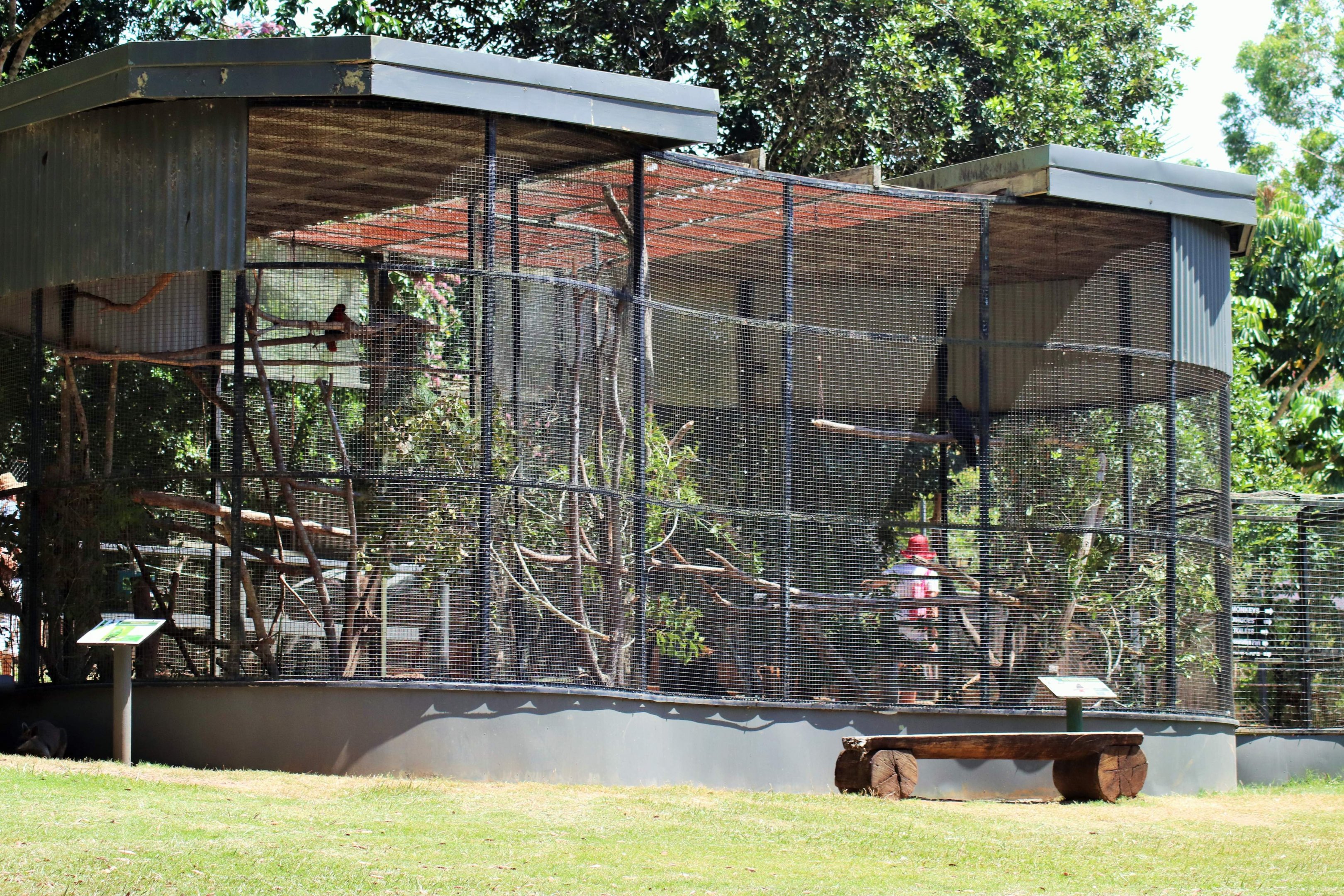
A similarly-designed aviary right next-door:
Red-tailed Black Cockatoo (Calyptorhynchus banksii)

A pair of open-topped enclosures with sandy substrate, succulents and a few hiding places:
Meerkat (Suricata suricatta)

Located in the newly-built café area, is a new glass-fronted enclosure. Built with a wooden front, it also has a few new plantings:
Cotton-top Tamarin (Saguinus oedipus)


PART 6 – PRESENTATION PARK AREA (4 Exhibits)
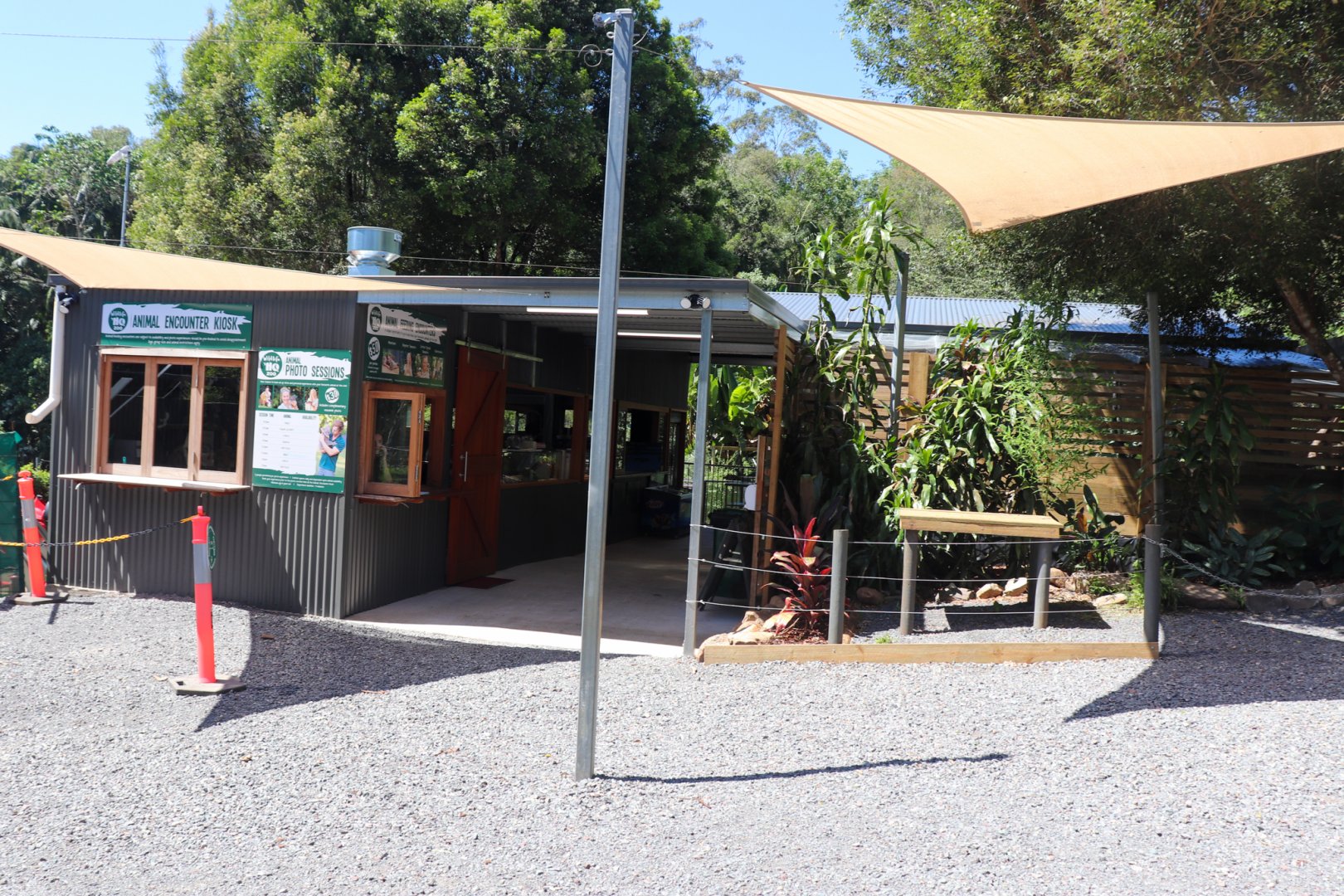
This is the central hub of the zoo where the main café and audience seating area is located. Wildlife HQ just finished renovating the entire section with a upgraded new area for animal photos and a building to book animal encounters. The echidna enclosure was formerly in this area as well but this individual has since moved to the wombat enclosure to make ways for the renovations.

A pair of large chain-link enclosures with grassy areas and raised platforms. The zoo houses two non-breeding pairs of this species:
Dingo (Canis dingo dingo)

A pair of smaller open-topped enclosures with a few rocks. These are the two original exhibits for the species:
Meerkat (Suricata suricatta)

 
PART 7 – FIRST HALF OF EXOTICS (6 Exhibits):
This section of the zoo contains the first half of the zoo’s larger exotics. The zoo’s most popular exhibit and logo of Wildlife HQ – their Malayan Sun Bear is situated in this area. There is a lot of bamboo in this section with a thick forest surrounding the perimeter of the enclosures.

A large well-planted enclosure with a small glass viewing area and a meshed indoor area. There are several climbing platforms and trees. This individual is one of only eight of her species in the Australasian region:
Malayan Sun Bear (Helarctos malayanus malayanus)

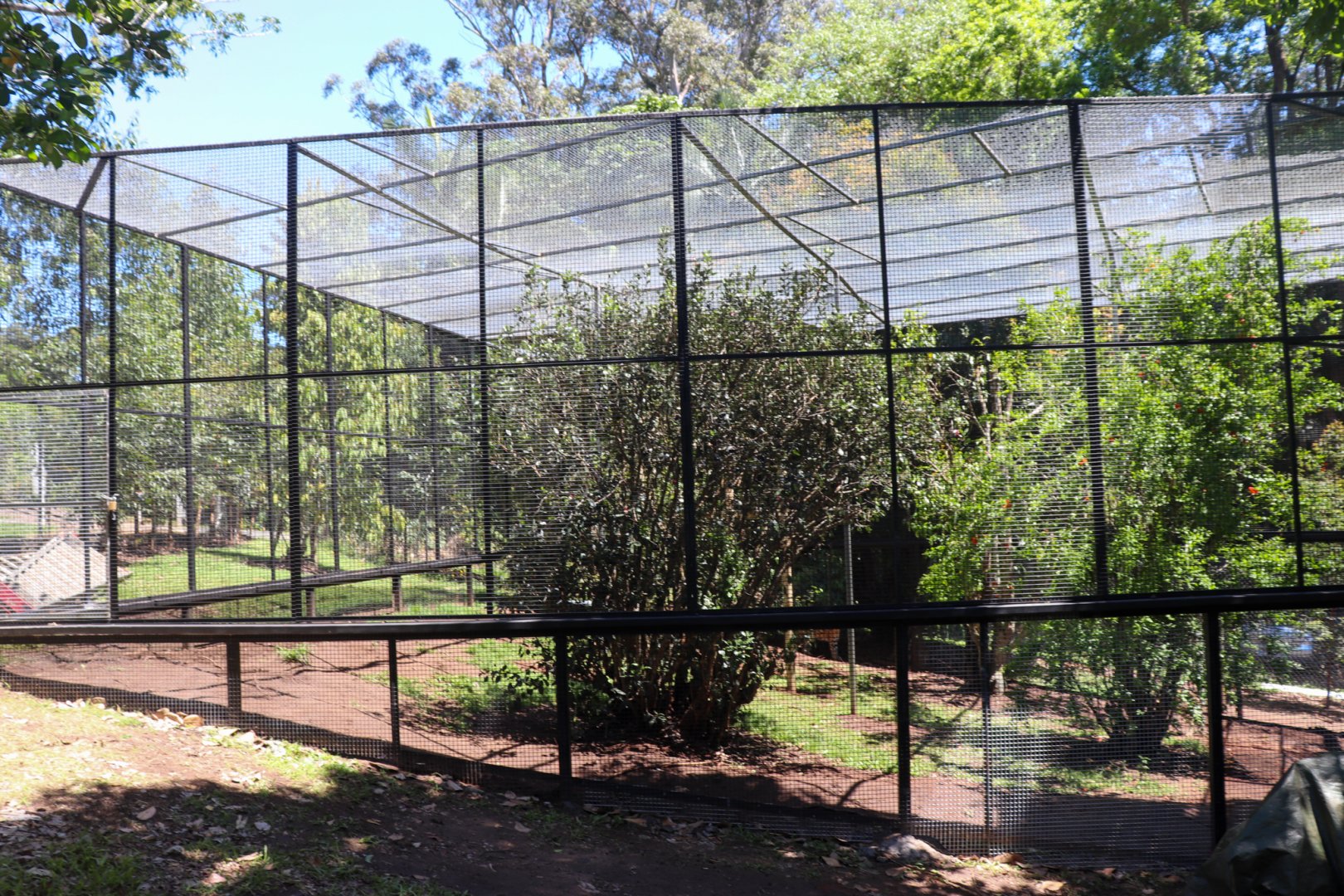
A tall aviary-style enclosure with a covering of vines on the roof and a small rocky pool:
Burmese Python (Python bivittatus)

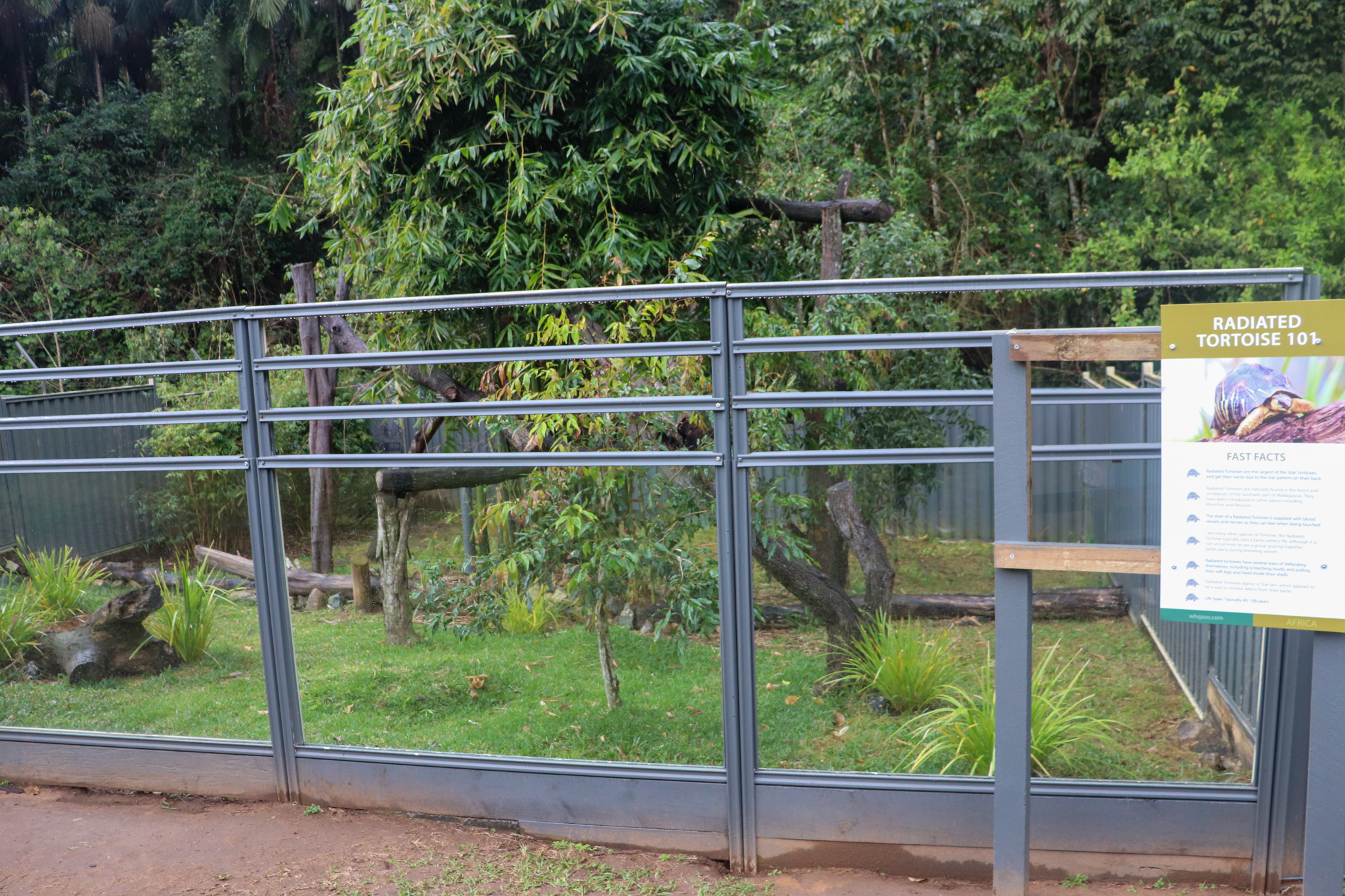
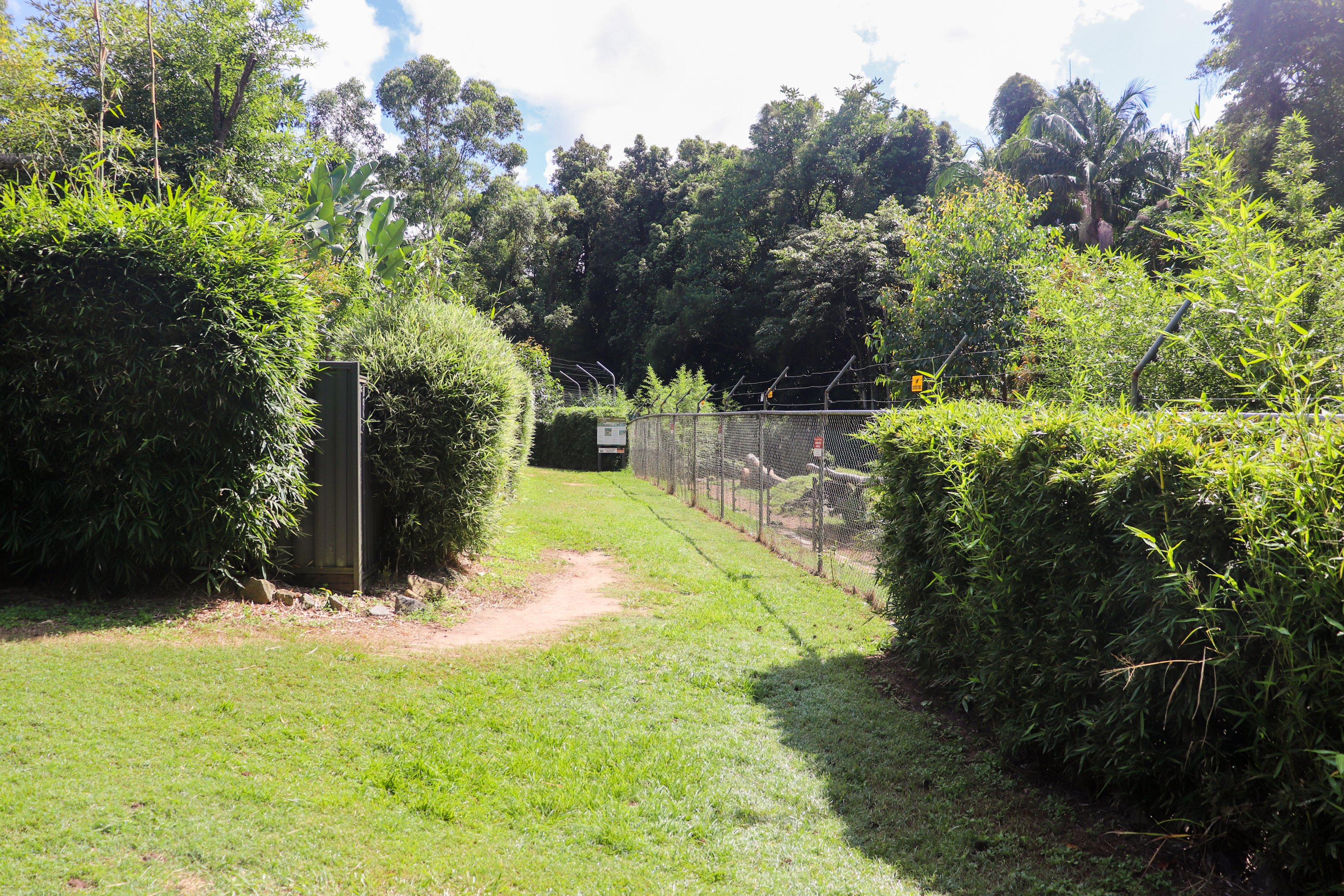
An open-topped, glass-fronted enclosure with a small heated den area. This enclosure formerly housed a binturong and therefore still has several trees and thickly-planted bamboo:
Radiated Tortoise (Astrochelys radiata)

A large fenced yard with a small pool. The group of eight also have access to an off-display den area and shaded wooden platforms:
African Wild Dog (Lycaon pictus)

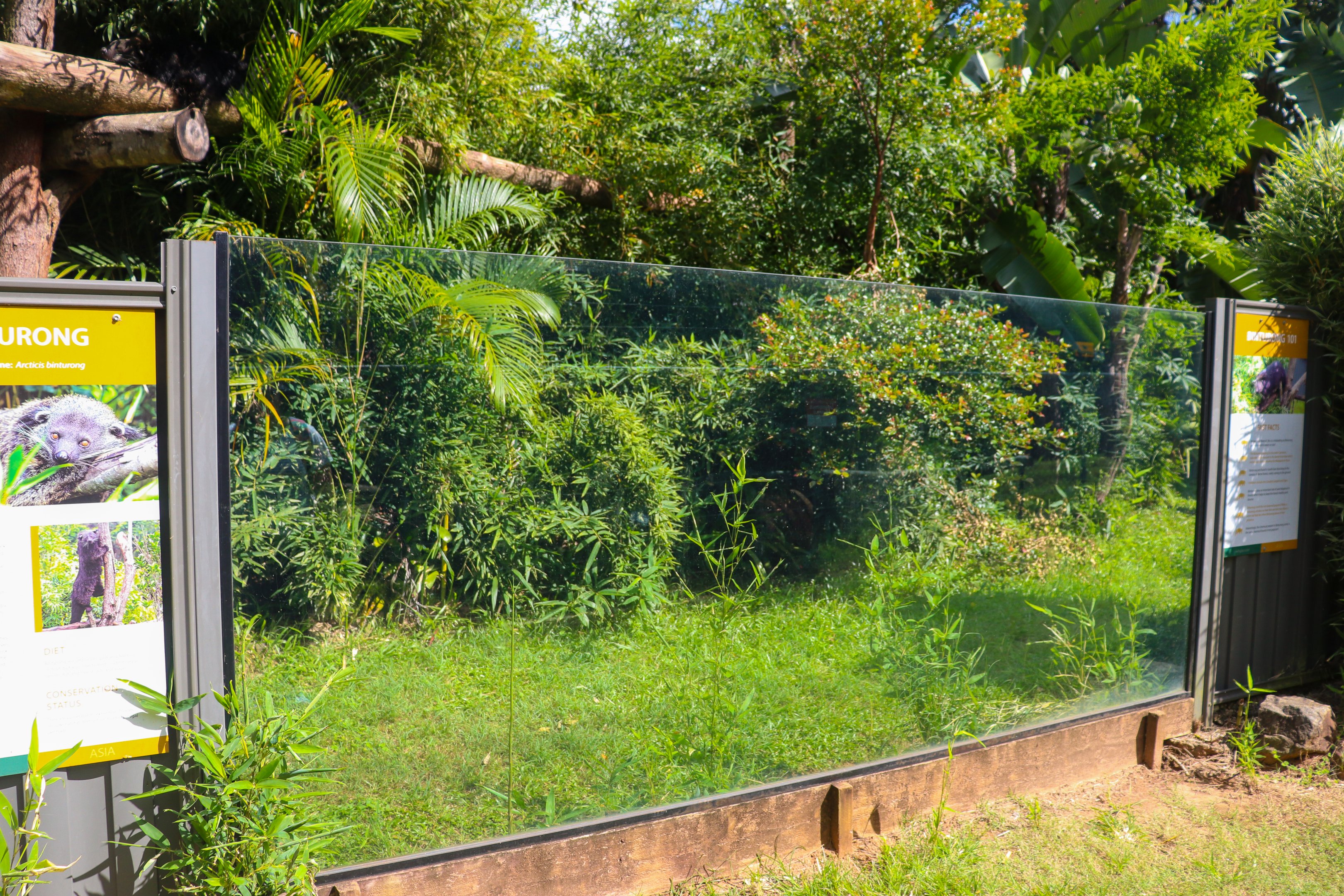
An open-topped enclosure with lush plantings enabling the occupant to retreat well out of public view:
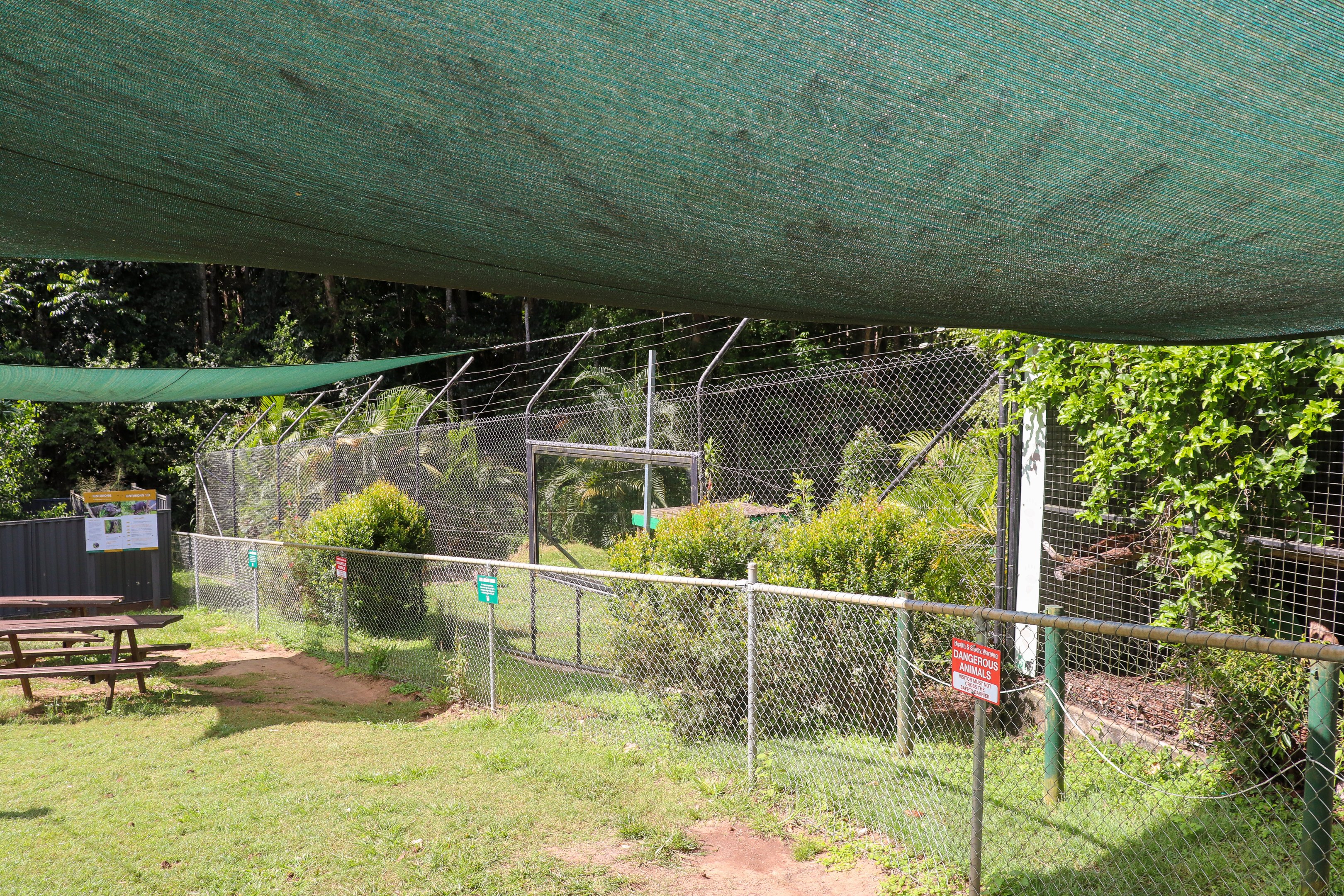
Binturong (Arctictis binturong)

Another similarly-designed enclosure with a glass-fronted viewing window. This exhibit originally housed the zoo’s older Red Pandas:
Binturong (Arctictis binturong)


PART 8 – SECOND HALF OF EXOTICS (15 Exhibits)
This area was originally for South American species but now contains a range of exotic species. The majority of these exhibits are designed in a similar fashion; aviary-style enclosures with lush plantings. The zoo recently added a system of aerial walkways connecting the majority of the exhibits to one another.

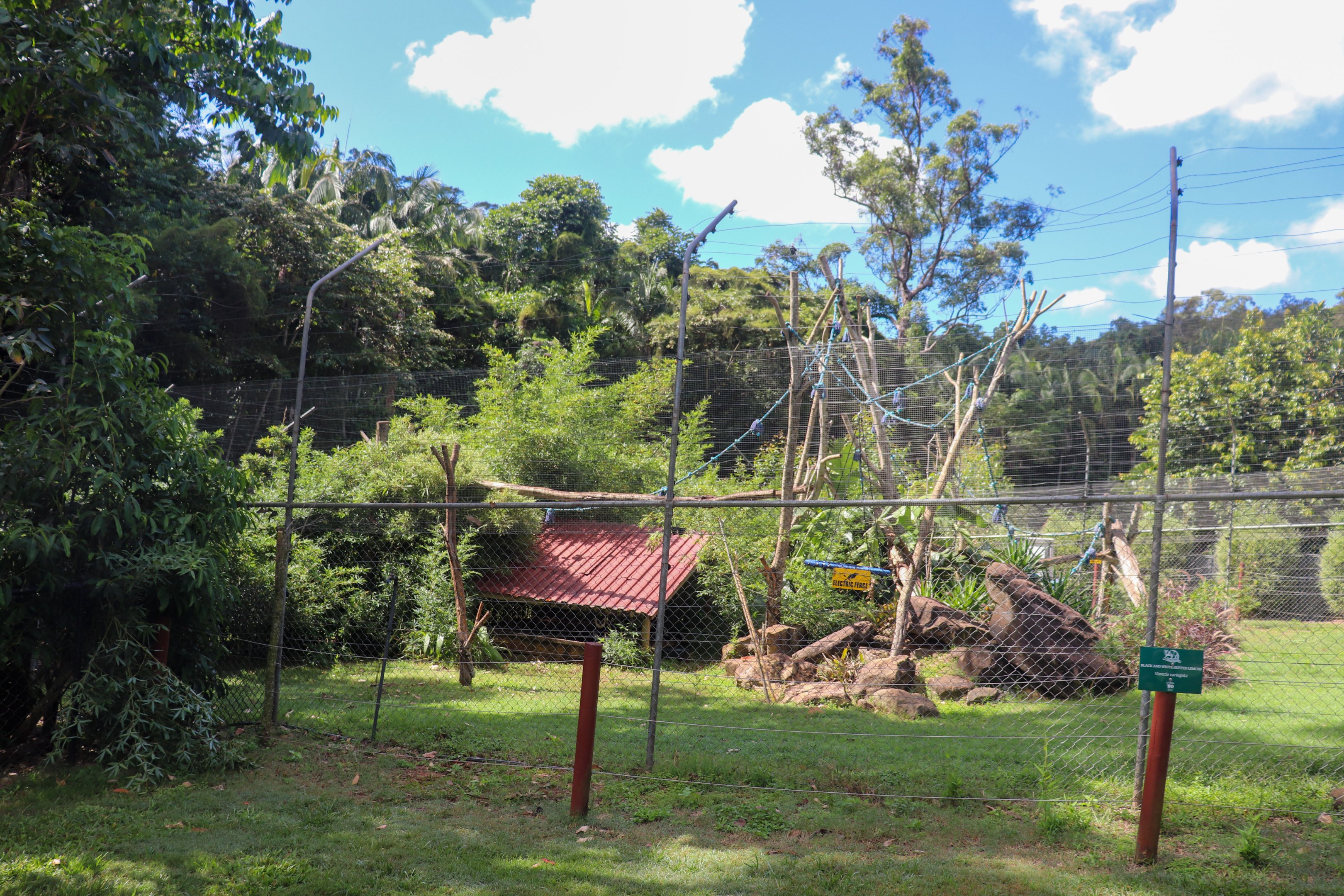
An open-air enclosure with several climbing opportunities and ropes. This contains four (0.4) individuals:
Black-and-white Ruffed Lemur (Varecia variegata)

A large aviary-style enclosure with a small pool and rock piles. The zoo has a small group of five (1.4) baboons:
Hamadryas Baboon (Papio hamadryas)

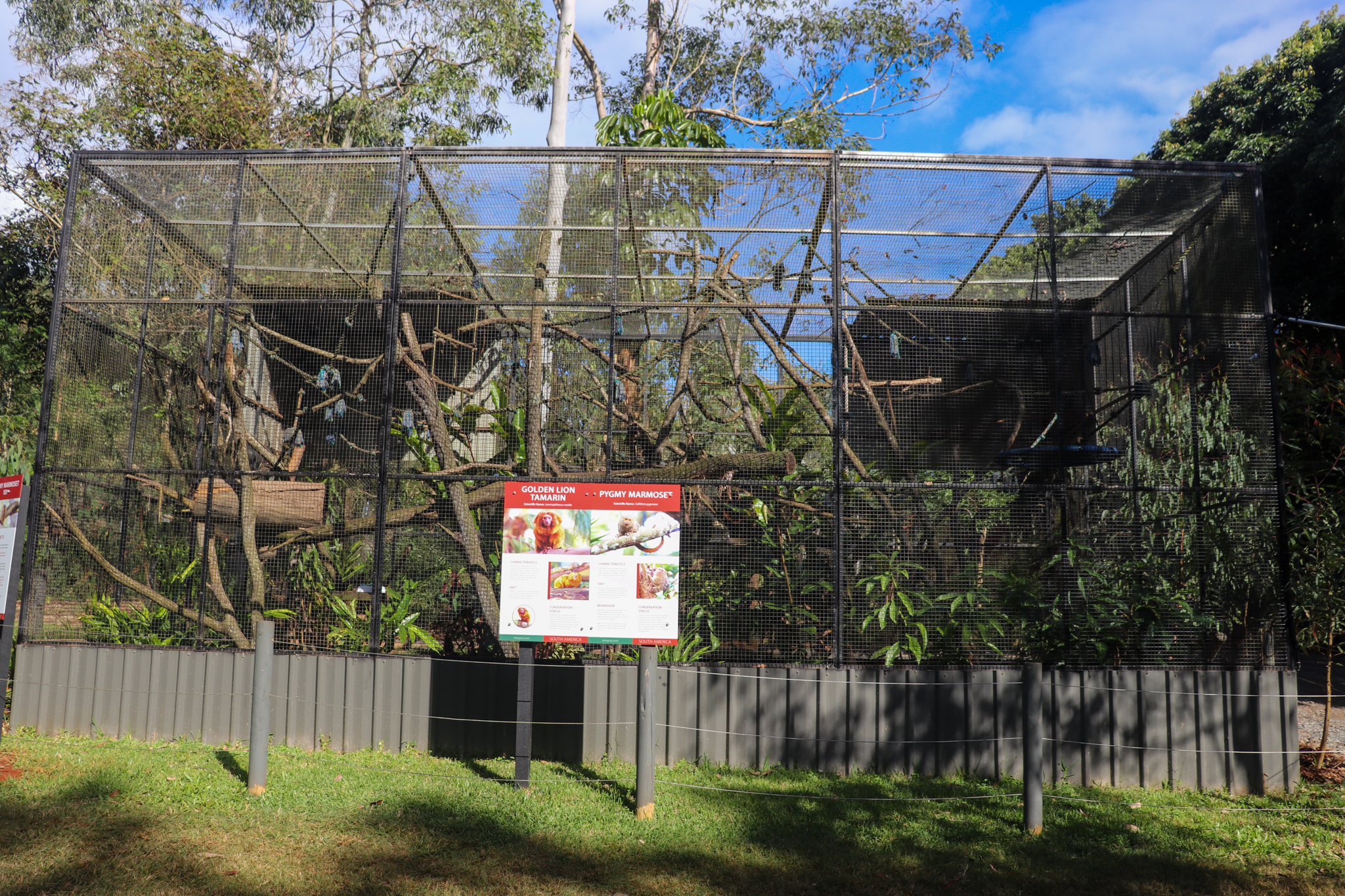
A large aviary-style enclosure positioned opposite of the baboons. This exhibit formerly housed capuchins but now contains a mix of the following (a non-breeding pair of the first species and a group of five females of the second):
Golden Lion Tamarin (Leontopithecus rosalia)
Pygmy Marmoset (Cebuella pygmaea)

A well-shaded, aviary-style enclosure with a large main tree and thick vegetation. The zoo has a large group of the species:
Emperor Tamarin (Saguinus imperator)

A smaller enclosure with an aerial walkway:
Common Marmoset (Callithrix jacchus)

An open-topped grassy enclosure with a pool:
American Alligator (Alligator mississippiensis)

A small aviary:
Pygmy Marmoset (Cebuella pygmaea)

A small aviary:
Boa Constrictor (Boa constrictor)

A large aviary-style enclosure with a small pond and aerial walkway. This exhibit formerly house spider monkeys and briefly some tamarins:
Serval (Leptailurus serval)

A newly-built enclosure about twice the size of the neighbouring enclosure with large shrubs. The servals seemed to also have access to this enclosure as well on my visit:
Serval (Leptailurus serval)

An aviary-style enclosure with an aerial walkway. This exhibit contains a hand raised individual uses for encounters:
Serval (Leptailurus serval)

An aviary-style enclosure with an aerial walkway:
Common Marmoset (Callithrix jacchus)

An aviary-style enclosure with an aerial walkway:
Cotton-top Tamarin (Saguinus oedipus)

An aviary-style enclosure with an aerial walkway:
Common Marmoset (Callithrix jacchus)

A glass-fronted enclosure with a series of rocks and logs:
Olive Python (Liasis olivaceus)


And with that, concludes my species list of Wildlife HQ. By my count, there are approximately 81 exhibits with 61 species seen.

*31 species of mammal (18 exotic species; 13 native species) [this doesn’t include the rabbits nor guinea pigs]
Natives: Short-beaked Echidna, Tasmanian Devil, Eastern Quoll, Common Wombat, Koala, Rufous Bettong, Long-nosed Potoroo, Quokka, Brush-tailed Rock Wallaby, Bennett’s Wallaby, Swamp Wallaby, Red Kangaroo, Dingo

Exotics: Fallow Deer, Black-and-white Ruffed Lemur, Ring-tailed Lemur, Cotton-top Tamarin, Emperor Tamarin, Golden Lion Tamarin, Pygmy Marmoset, Common Marmoset, Black-handed Spider Monkey, Hamadryas Baboon, Serval, Malayan Sun Bear, African Hunting Dog, Maned Wolf, Meerkat, Binturong, Red Panda, Capybara

*10 species of bird (2 exotic species; 8 native species)
Exotics: Helmeted Guineafowl, Indian Peafowl

Natives: Emu, Southern Cassowary, Cape Barren Goose, Laughing Kookaburra, Bush Stone Curlew, Tawny Frogmouth, Red-tailed Black Cockatoo, Sulphur-crested Cockatoo

*20 species of reptile (7 exotic species; 13 native species)
Exotics: American Alligator, Radiated Tortoise, Fijian Crested Iguana, Rhinoceros Iguana, Boa Constrictor, Burmese Python, Corn Snake

Natives: Saltwater Crocodile, Freshwater Crocodile, Perentie, Spotted Tree Monitor, Boyd’s Forest Dragon, Frilled-necked Dragon, Central Netted Dragon, Gilbert’s Dragon, Pygmy Spiny-tailed Skink, Black-headed Python, Olive Python, Carpet Python (M. s. spilota, M. s. imbricata and M. s. variegata), Spotted Python
 
Back
Top