You are using an out of date browser. It may not display this or other websites correctly.
You should upgrade or use an alternative browser.
You should upgrade or use an alternative browser.
ZooChat Cup Group C2: Beauval vs Rotterdam
- Thread starter CGSwans
- Start date

My preliminary gut feeling is that Rotterdam clinches it, though I'll look deeper into the matter tonight 

I had pre-made species lists for both ties in all four eventualities so here goes:
Beauval defeats Rotterdam in mammals at any rate:
Rotterdam:
Addra gazelle
Black and rufous elephant shrew
Cape ground squirrel
Cape hyrax
Chapman's zebra
Eastern black rhinoceros
Eastern bongo
Gelada
Greater kudu
Meerkat
Okapi
Red buffalo
Red river hog
Reticulated giraffe
Serval
Spotted hyena
Western lowland gorilla
Western pygmy hippopotamus
White-naped mangabey
Yellow mongoose
(20 species)
Beauval:
African savanna elephant
African wild dog
Barbary macaque
Beisa oryx
Black sable antelope
Blue wildebeest
Common chimpanzee
De Brazza's monkey
Diana monkey
Dwarf mongoose
Eastern bongo
Grevy's zebra
Hippopotamus
Kikuyu guerza
Kirk's dik-dik
Lion
Meerkat
Naked mole-rat
Nyala
Okapi
Patas monkey
Red lechwe
Red river hog
Reticulated giraffe
Round-eared elephant shrew
Serval
Somali wild ass
South African bat-eared fox
South African cheetah
Lesser kudu
Southern white rhinoceros
Spotted hyena
Springbok
Western lowland gorilla
Western pygmy hippopotamus
Western sitatunga
36 species
So Beauval wins 36-20 on mammals and I highly suspect that they also win on bird species given their massive aviaries at the entrance.
I will post enclosure images later.
Beauval defeats Rotterdam in mammals at any rate:
Rotterdam:
Addra gazelle
Black and rufous elephant shrew
Cape ground squirrel
Cape hyrax
Chapman's zebra
Eastern black rhinoceros
Eastern bongo
Gelada
Greater kudu
Meerkat
Okapi
Red buffalo
Red river hog
Reticulated giraffe
Serval
Spotted hyena
Western lowland gorilla
Western pygmy hippopotamus
White-naped mangabey
Yellow mongoose
(20 species)
Beauval:
African savanna elephant
African wild dog
Barbary macaque
Beisa oryx
Black sable antelope
Blue wildebeest
Common chimpanzee
De Brazza's monkey
Diana monkey
Dwarf mongoose
Eastern bongo
Grevy's zebra
Hippopotamus
Kikuyu guerza
Kirk's dik-dik
Lion
Meerkat
Naked mole-rat
Nyala
Okapi
Patas monkey
Red lechwe
Red river hog
Reticulated giraffe
Round-eared elephant shrew
Serval
Somali wild ass
South African bat-eared fox
South African cheetah
Lesser kudu
Southern white rhinoceros
Spotted hyena
Springbok
Western lowland gorilla
Western pygmy hippopotamus
Western sitatunga
36 species
So Beauval wins 36-20 on mammals and I highly suspect that they also win on bird species given their massive aviaries at the entrance.
I will post enclosure images later.


I can't see how Rotterdam is getting two or three points in this round. Beauval have the massive hippo complex, nice new enclosure for lions, a great herd of African elephants, and possibly one of the greenest savannahs in a European zoo. 2-1 for now, but I'm pretty sure a 3-0 for Beauval isn't out of the question?
Here are the photos. Thank you @Maguari again for every single photo from Beauval after your fantastic photographic tour of it
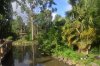
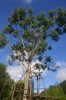
Starting with exhibits near to the entrance, Beauval has two large and interconnected islands for Kikuyu guereza, with a tree in the centre of one that is probably 60-70 metres tall. Nice greenery as well.


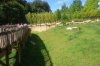
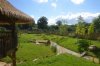
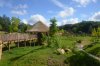
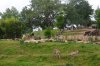
Next we have the cheetah enclosure. Built in 2018, it is quite recent and as a result very well done, with some nice but subtly theming and lots of space:


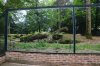
Next up is the spotted hyena enclosure near that of the cheetahs. It is also spacious. The photo only shows about a third of the enclosure.
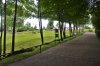
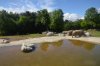
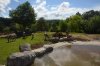
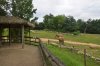
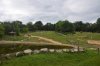
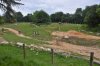
Next is the savanna. A really nice exhibit and, as @Brum pointed out, one of the greenest savanna exhibits in Europe, it has lots of space for giraffes, sable antelopes, springboks, zebras and rhinos. It also has a nice and large waterhole as shown in the second and third images.


More coming soon
Starting with exhibits near to the entrance, Beauval has two large and interconnected islands for Kikuyu guereza, with a tree in the centre of one that is probably 60-70 metres tall. Nice greenery as well.
Next we have the cheetah enclosure. Built in 2018, it is quite recent and as a result very well done, with some nice but subtly theming and lots of space:
Next up is the spotted hyena enclosure near that of the cheetahs. It is also spacious. The photo only shows about a third of the enclosure.
Next is the savanna. A really nice exhibit and, as @Brum pointed out, one of the greenest savanna exhibits in Europe, it has lots of space for giraffes, sable antelopes, springboks, zebras and rhinos. It also has a nice and large waterhole as shown in the second and third images.
More coming soon
Attachments
-
 cheetah 2.jpg180.7 KB · Views: 32
 -
 cheetah 3.jpg148.7 KB · Views: 37
 -
 cheetah 4.jpg149.3 KB · Views: 33
 -
 guereza 2.jpg220.9 KB · Views: 35
 -
 guereza.jpg112.4 KB · Views: 33
 -
 hyena.jpg221.3 KB · Views: 33
 -
 savaan.jpg207.5 KB · Views: 50
 -
 savanna 2.jpg117.8 KB · Views: 35
 -
 savanna 3.jpg141.3 KB · Views: 33
 -
 cheetah.jpg210.1 KB · Views: 36
Again thanks to @Maguari
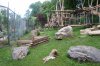
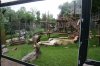
Now, continuing with other exhibits around the zoo, we have the barbary macaque exhibit. It is quite large with lots of climbing opportunities and visitors can view it from two levels.


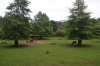
We then have the Kafue lechwe, Beisa oryx and Somali wild ass exhibit. It is large and green, but not much more to be said about it, as with most ungulate exhibits.


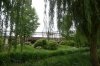
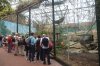
Next up are the gorilla exhibits. There are two of these - one is mixed with patas monkeys and the other with Moustached guenons. Both quite large and have lots of climbing structures.


Next up is the superb elephant exhibit. This is split into two exhibits, the sand exhibit and the grass exhibit. Males and females are mixed. They have a large herd and therefore they have lots of space along with a large waterhole. As always, nice and green.


More in the next one.
Now, continuing with other exhibits around the zoo, we have the barbary macaque exhibit. It is quite large with lots of climbing opportunities and visitors can view it from two levels.
We then have the Kafue lechwe, Beisa oryx and Somali wild ass exhibit. It is large and green, but not much more to be said about it, as with most ungulate exhibits.
Next up are the gorilla exhibits. There are two of these - one is mixed with patas monkeys and the other with Moustached guenons. Both quite large and have lots of climbing structures.
Next up is the superb elephant exhibit. This is split into two exhibits, the sand exhibit and the grass exhibit. Males and females are mixed. They have a large herd and therefore they have lots of space along with a large waterhole. As always, nice and green.
More in the next one.
Attachments
-
 barbary macaque 2.jpg216.5 KB · Views: 35
 -
 barbary macaque.jpg181.7 KB · Views: 33
 -
 elephant 2.jpg166.4 KB · Views: 36
 -
 elephant 3.jpg123 KB · Views: 34
 -
 elephant.jpg166.6 KB · Views: 41
 -
 gorilla and guenon.jpg183.7 KB · Views: 33
 -
 gorilla and patas monkey.jpg211.8 KB · Views: 34
 -
 gorilla indoor.jpg197.4 KB · Views: 34
 -
 lechwe wild ass and oryx 2.jpg159.3 KB · Views: 34
 -
 lechwe wild ass and oryx.jpg163.4 KB · Views: 33
And even more photos coming, again thanks to @Maguari
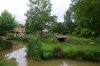
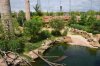
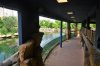
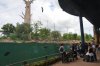
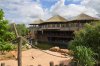
Now for the hippo exhibit. This may well be the best of its kind in Europe. It was built in 2016, so again quite recent. The hippos a large nicely landscaped exhibit with a massive pool. The water is very clear and makes for easy viewing. The hippos are mixed in with Yellow-billed storks, White-faced vultures, Southern Bald ibises and Great white pelicans. There is a large nyala exhibit with the same mix up birds under netting. There is also a large red river hog exhibit next door.
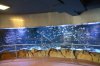
The exhibit has baobab trees scattered around it and visitors can view the hippos in 4 different ways. They can take the boardwalk that leads into the enclosure and view the hippos above water from there, look through the 20 metre-long underwater viewing glass, watch from an upper viewing deck in the themed house in front of the exhibit or watch them while eating a grill from the top deck of the building. Inside the building there is also a small exhibit for cichlids, although several species of cichlid are mixed in the hippo pool.
The hippo and nyala exhibits are both under a massive mesh canopy, allowing the birds to fly freely inside without flight-restricting surgery.

(Hippo enclosure overall view)

(Pool and landscaping)

(Underwater viewing photo taken from the upper deck)

(Underwater viewing from the ground)

(Cichlid tank)

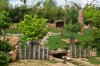
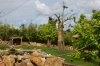
(Nyala exhibit with Southern bald ibises and vultures)
(Nyala exhibit and hippo enclosure in the foreground)
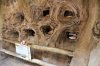
Next, we have the Naked mole rat exhibit near the hippos. It has lots of tunnels for the rats and little holes for the visitors to look through.

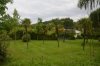
Near the elephants is the okapi exhibit. It is very green but more vegetation could be present.


More in the next one.
Now for the hippo exhibit. This may well be the best of its kind in Europe. It was built in 2016, so again quite recent. The hippos a large nicely landscaped exhibit with a massive pool. The water is very clear and makes for easy viewing. The hippos are mixed in with Yellow-billed storks, White-faced vultures, Southern Bald ibises and Great white pelicans. There is a large nyala exhibit with the same mix up birds under netting. There is also a large red river hog exhibit next door.
The exhibit has baobab trees scattered around it and visitors can view the hippos in 4 different ways. They can take the boardwalk that leads into the enclosure and view the hippos above water from there, look through the 20 metre-long underwater viewing glass, watch from an upper viewing deck in the themed house in front of the exhibit or watch them while eating a grill from the top deck of the building. Inside the building there is also a small exhibit for cichlids, although several species of cichlid are mixed in the hippo pool.
The hippo and nyala exhibits are both under a massive mesh canopy, allowing the birds to fly freely inside without flight-restricting surgery.
(Hippo enclosure overall view)
(Pool and landscaping)
(Underwater viewing photo taken from the upper deck)
(Underwater viewing from the ground)
(Cichlid tank)
(Nyala exhibit with Southern bald ibises and vultures)
(Nyala exhibit and hippo enclosure in the foreground)
Next, we have the Naked mole rat exhibit near the hippos. It has lots of tunnels for the rats and little holes for the visitors to look through.
Near the elephants is the okapi exhibit. It is very green but more vegetation could be present.
More in the next one.
Attachments
-
 cichlid.jpg123.9 KB · Views: 34
 -
 hippo 2.jpg194.2 KB · Views: 35
 -
 hippo 3.jpg128.1 KB · Views: 39
 -
 hippo 4.jpg118.7 KB · Views: 33
 -
 hippo.jpg160.7 KB · Views: 32
 -
 naked mole rat.jpg166.5 KB · Views: 32
 -
 nyala 2.jpg226.7 KB · Views: 34
 -
 nyala.jpg178.9 KB · Views: 37
 -
 okapi 2.jpg170.3 KB · Views: 33
 -
 okapi.jpg147.7 KB · Views: 32
Thanks again to @Maguari
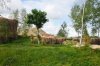
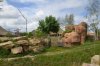
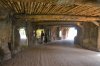
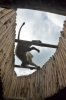
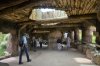
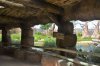
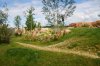
Now we have the 2017-built lion enclosure.
It is large and has lots of areas to it, including a kopje, a pool and a large grassy area. The visitors can view it from the edges or they can walk though a tunnel made of wood that goes through the enclosure. Visitors can observe the lions through windows in the sides or through viewing above them if the lions are on top of the walkway.
There are also various reptile exhibits in the walkway for African herps.


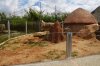
Next to the lions is an exhibit for meerkats:

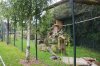
And on the other side of the zoo there is a mediocre aviary for Lammergeiers:

The next one will be the last one, I promise.
Now we have the 2017-built lion enclosure.
It is large and has lots of areas to it, including a kopje, a pool and a large grassy area. The visitors can view it from the edges or they can walk though a tunnel made of wood that goes through the enclosure. Visitors can observe the lions through windows in the sides or through viewing above them if the lions are on top of the walkway.
There are also various reptile exhibits in the walkway for African herps.
Next to the lions is an exhibit for meerkats:
And on the other side of the zoo there is a mediocre aviary for Lammergeiers:
The next one will be the last one, I promise.
Attachments
-
 lion 2.jpg207.9 KB · Views: 49
 -
 lemmergeier.jpg243 KB · Views: 35
 -
 lion 3.jpg201.3 KB · Views: 35
 -
 lion 4.jpg156.6 KB · Views: 32
 -
 lion vewing 3.jpg155.7 KB · Views: 33
 -
 lion viewing 2.jpg72.2 KB · Views: 36
 -
 lion viewing 3.jpg146.3 KB · Views: 35
 -
 lion viewing.jpg148.9 KB · Views: 34
 -
 lion.jpg194.1 KB · Views: 33
 -
 meerkat.jpg174.7 KB · Views: 34
And finally, thanks again to @Maguari, we have the final batch of photos.
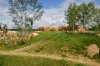
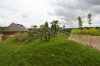
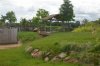
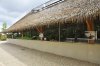
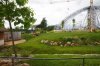
The last exhibit is for Lesser kudu and is very large and green.


(Indoor area for the kudus along with Wattled cranes and Bongos )

The last exhibit is for Lesser kudu and is very large and green.
(Indoor area for the kudus along with Wattled cranes and Bongos )
Attachments

Could one of the four people already voting in favor of Beauval please provide their argument? I know little about either collection
That's what I'm voting for now based on the evidence made thus far!
~Thylo
I can't see how Rotterdam is getting two or three points in this round. Beauval have the massive hippo complex, nice new enclosure for lions, a great herd of African elephants, and possibly one of the greenest savannahs in a European zoo. 2-1 for now, but I'm pretty sure a 3-0 for Beauval isn't out of the question?
That's what I'm voting for now based on the evidence made thus far!
~Thylo

Of course on Blijdorp's end there's a very impressive giraffe house and enclosure, a nice duo of tropical houses and a walkthrough aviary in the crocodile river and the okapi house, there's a large new complex for geladas, etc.. Blijdorp is also single-handedly responsible for the complete revival of black-and-rufous elephant shrews in European collections.I can't see how Rotterdam is getting two or three points in this round. Beauval have the massive hippo complex, nice new enclosure for lions, a great herd of African elephants, and possibly one of the greenest savannahs in a European zoo. 2-1 for now, but I'm pretty sure a 3-0 for Beauval isn't out of the question?

I'll make a case for Rotterdam. I won't make it a secret that I doubt Blijdorp belongs this far into the competition, let alone win it. But I certainly won't let the last Dutch giant go down without a fight! 
So welcome on our little tour through the Africa section of Rotterdam to refresh your memories. The first exhibit you'll encounter are the charming Mhorr-gazelle and bongo enclosures. Nothing unusual, but pleasant nonetheless. Note that the bongos have tree cover, suitable for a forest antilope. The gazelles are endangered and frequently bred in Rotterdam.


Next is, in my opinion, the very best African exhibit Blijdorp has to offer. We unfortunately still live a time where vultures are often confined to aviaries where they can hardly fly, and marabus are even regularly pioned to keep them on hoofstock yard. Blijdorp has a large and varied aviary for vultures, secretary birds and marabu. The marabus actually breed and rear their own chicks.


Of course, a major zoo such as Rotterdam cannot go without the standard roster of African savannah ABC's, which are exhibited on pleasant paddocks. The giraffes especially are a key species for Blijdorp, and it is therefore no surprise they have a prominent enclosure. There stables are inside the famous "union" and visitable, so that the giraffes are also to be seen during less pleasant weather. Besides them, zebra, ostrich and kudu are present.


We can't forget Africa's reptiles can we? Blijdorp has various species present within the "crocodile river" exhibits. Besides two species of crocodiles (which have plenty of space to swim), there are also spurred tortoises, porcupines and meerkats. A large, rocky enclosure holds a group of hyrax, though unfortunately no klipspringer anymore. At the end of the house, there's a couple of vivariums with smaller species. Most notable is the black-and-rufous sengi. Blijdorp is responsible for getting this species somewhat established in the European zoo world, and aims to import new founders for the population.


So welcome on our little tour through the Africa section of Rotterdam to refresh your memories. The first exhibit you'll encounter are the charming Mhorr-gazelle and bongo enclosures. Nothing unusual, but pleasant nonetheless. Note that the bongos have tree cover, suitable for a forest antilope. The gazelles are endangered and frequently bred in Rotterdam.
Next is, in my opinion, the very best African exhibit Blijdorp has to offer. We unfortunately still live a time where vultures are often confined to aviaries where they can hardly fly, and marabus are even regularly pioned to keep them on hoofstock yard. Blijdorp has a large and varied aviary for vultures, secretary birds and marabu. The marabus actually breed and rear their own chicks.
Of course, a major zoo such as Rotterdam cannot go without the standard roster of African savannah ABC's, which are exhibited on pleasant paddocks. The giraffes especially are a key species for Blijdorp, and it is therefore no surprise they have a prominent enclosure. There stables are inside the famous "union" and visitable, so that the giraffes are also to be seen during less pleasant weather. Besides them, zebra, ostrich and kudu are present.
We can't forget Africa's reptiles can we? Blijdorp has various species present within the "crocodile river" exhibits. Besides two species of crocodiles (which have plenty of space to swim), there are also spurred tortoises, porcupines and meerkats. A large, rocky enclosure holds a group of hyrax, though unfortunately no klipspringer anymore. At the end of the house, there's a couple of vivariums with smaller species. Most notable is the black-and-rufous sengi. Blijdorp is responsible for getting this species somewhat established in the European zoo world, and aims to import new founders for the population.
Next up are the Okapi, which have outdoor paddocks that are somewhat limited in space, but they do have very spacious stables, which may not be a bad thing given the occasional winter cold. The paddocks are wooded and shared with a variety of african birds, such as whistling ducks, plaintain-eaters and even barn swallows!


Another delightful hoofstock paddock follows with red river hogs and forest buffalo. I'm not that much a fan of the rhino and hippo enclosures, but they seem reasonably adequate. I wouldn't mind one species leaving to give more room to whichever is left.


The gorillas are the only apes in Blijdorp. They made the wise choice to let go of all other apes to give the gorillas all space they could. Outdoors look pleasant, while the indoor facilities at least look fairly outdated, but I don't know how functional they are. Furthermore, the gorilla enclosure hold the most famous gorilla of the Netherlands: Bokito, who managed to escape once.


Geladas have recently received an exhibit in the former carnivore house. I have not seen the exhibit myself, but it looks quite good from the pictures.


There's a few exhibits in the african zone that don't show up on the map, and my memory fails me to recall where they were. Cape ground squirrels are kept in a fine enclosure together with weaverbirds and turaco (first picture). Servals represent africa's smaller cat species (second picture) and white-naped mangabeys are present as well (third picture), to round off the african collection of Blijdorp.


There's a few more odds and ends I guess, but nothing really major. There's greater flamingos but their enclosure is more or less in the european area. There may also be a few african birds present in the Riviera building.

Thanks to @kiang, @KevinB, @vogelcommando and @snowleopard for the pictures!
Another delightful hoofstock paddock follows with red river hogs and forest buffalo. I'm not that much a fan of the rhino and hippo enclosures, but they seem reasonably adequate. I wouldn't mind one species leaving to give more room to whichever is left.
The gorillas are the only apes in Blijdorp. They made the wise choice to let go of all other apes to give the gorillas all space they could. Outdoors look pleasant, while the indoor facilities at least look fairly outdated, but I don't know how functional they are. Furthermore, the gorilla enclosure hold the most famous gorilla of the Netherlands: Bokito, who managed to escape once.
Geladas have recently received an exhibit in the former carnivore house. I have not seen the exhibit myself, but it looks quite good from the pictures.
There's a few exhibits in the african zone that don't show up on the map, and my memory fails me to recall where they were. Cape ground squirrels are kept in a fine enclosure together with weaverbirds and turaco (first picture). Servals represent africa's smaller cat species (second picture) and white-naped mangabeys are present as well (third picture), to round off the african collection of Blijdorp.
There's a few more odds and ends I guess, but nothing really major. There's greater flamingos but their enclosure is more or less in the european area. There may also be a few african birds present in the Riviera building.
Thanks to @kiang, @KevinB, @vogelcommando and @snowleopard for the pictures!
Last edited:
Could one of the four people already voting in favor of Beauval please provide their argument? I know little about either collection
That's what I'm voting for now based on the evidence made thus far!
~Thylo
My argument is above in the last 44 photos
Anyway, here are some conservation initiatives Beauval leads/takes part in:
Democratic Republic of the Congo - Bonobos: They financially support ABC, an organisation with several rehabilitation centres for bonobos. The organisation also allows children from the capital Kinshasa to visit the centres to learn more about the Endangered primates. They also fund anti-poaching patrols around the forest.
Uganda - Common chimpanzees: Beauval staff lead expeditions to indigenous tribal villages as well as local towns to encourage them to use sustainable wood for making fire and building instead of using the rainforest's resources. They also tell the residents about reusing their wood and food and turning it into biomass energy for relatively cheap prices.
Senegal - Western chimpanzees: They encourage local people to help them to record chimpanzee behaviours, using the Jane Goodall institute as a base. They use this to secure chimp corridors in Senegal, where the chimp population is as low as 500 individuals remaining in the wild.
South Africa - Southern ground hornbill: They provide constant population records, allowing IUCN and other wildlife organisations to track their fall and decline in South Africa. They also visit South African schools to teach them about the hornbills through colourings, talks and assemblies.
Kenya - African elephant: They pay for many rangers to be trained and paid to work in a large area of savanna to counteract poaching. They also pay for vehicles, radio collars and other essential equipment. They work to keep a corridor between two populations of the elephants open so as to widen the genetic pool in the now fragmented range of the elephants.
Senegal - Giant eland: they work to hold up the good work of African countries to save this species and try to make it known. They lead conservation initiatives to find out more about the antelopes in situ whilst making records on giraffes, hippos and zebras.
Namibia - Giraffe: They collect DNA strands from giraffes to help with genetic variation. They also collect records of the Namibian population of giraffes to help the IUCN with its records and to determine their status in the wild. They also finally organise the conservation efforts in situ which take care of the local fauna.
Gabon and Democratic Republic of the Congo - Western lowland gorilla: They rescue young gorillas whose mothers have been killed by poachers, rehabilitating them until they are ready and then releasing them into the wild.
Morocco - Barbary macaque: They study human-macaque interactions and whether the macaques can coexist with humans in an increasingly urbanised world along with keeping close records of the populations to keep them stable and rising.
Mauritania - Mediterranean monk seal: They organise patrols along the shores of Mauritania (or rather Western Sahara) to make sure that the caves along the coast that they breed in and the beaches are clear and safe for the seals, also making sure that poachers cannot get to them and harm them. They also monitor their population numbers whilst keeping records of their nutritional biology and behaviour.
Senegal - Mangrove habitats: They try to buy up tracts of land to safeguard them against habitat destruction along the coast. They also patrol them regularly and explore, allowing the little-known resident species to become better-known.
Democratic Republic of the Congo - Okapis: They are increasing the number of eco-patrols who allow the okapis to live without being killed by poachers. They also record their numbers for use by IUCN.
Senegal - African lions: They buy PoacherCams in regions of Africa for use in preventing illegal poaching and stopping the trade in lion parts. They also patrol the areas and try to forsee poaching attacks on animals before they happen to lessen the damage done.
All around Africa - Black and white rhinos: They fund patrols around areas where rhinos are known to congregate/live. They also fundraise in France and go around local towns to tell them about the importance of the rhinos.
Djibouti - PICODE: This is an initiative heavily supported by Beauval which is working to increase the area of protected wild land in Djibouti. This allows species like Klipspringers, dik-diks and Gerenuks to live safely in protected areas.
My argument is above in the last 44 photos
So my post wasn't actually supposed to include that bit about the arguments. I wrote that earlier when people were just voting but not one had made an argument yet. But then people started posting right after I started writing that so I thought I deleted it and closed down the thread. I guess it must have saved it as a draft though and when I quoted Brum's post I must have missed that it was still there. But thank you for all of those photos!
~Thylo

Luke da Zoo nerd
Well-Known Member
And finally, thanks again to @Maguari, we have the final batch of photos.
The last exhibit is for Lesser kudu and is very large and green.
View attachment 423779
View attachment 423780
View attachment 423781
(Indoor area for the kudus along with Wattled cranes and Bongos )
View attachment 423782
I'll make a case for Rotterdam. I won't make it a secret that I doubt Blijdorp belongs this far into the competition, let alone win it. But I certainly won't let the last Dutch giant go down without a fight!
So welcome on our little tour through the Africa section of Rotterdam to refresh your memories. The first exhibit you'll encounter are the charming Mhorr-gazelle and bongo enclosures. Nothing unusual, but pleasant nonetheless. Note that the bongos have tree cover, suitable for a forest antilope. The gazelles are endangered and frequently bred in Rotterdam.
Next is, in my opinion, the very best African exhibit Blijdorp has to offer. We unfortunately still live a time where vultures are often confined to aviaries where they can hardly fly, and marabus are even regularly pioned to keep them on hoofstock yard. Blijdorp has a large and varied aviary for vultures, secretary birds and marabu. The marabus actually breed and rear their own chicks.
Of course, a major zoo such as Rotterdam cannot go without the standard roster of African savannah ABC's, which are exhibited on pleasant paddocks. The giraffes especially are a key species for Blijdorp, and it is therefore no surprise they have a prominent enclosure. There stables are inside the famous "union" and visitable, so that the giraffes are also to be seen during less pleasant weather. Besides them, zebra, ostrich and kudu are present.
We can't forget Africa's reptiles can we? Blijdorp has various species present within the "crocodile river" exhibits. Besides two species of crocodiles (which have plenty of space to swim), there are also spurred tortoises, porcupines and meerkats. A large, rocky enclosure holds a group of hyrax, though unfortunately no klipspringer anymore. At the end of the house, there's a couple of vivariums with smaller species. Most notable is the black-and-rufous sengi. Blijdorp is responsible for getting this species somewhat established in the European zoo world, and aims to import new founders for the population.
Yep. Beauval.And finally, thanks again to @Maguari, we have the final batch of photos.
The last exhibit is for Lesser kudu and is very large and green.
View attachment 423779
View attachment 423780
View attachment 423781
(Indoor area for the kudus along with Wattled cranes and Bongos )
View attachment 423782