You are using an out of date browser. It may not display this or other websites correctly.
You should upgrade or use an alternative browser.
You should upgrade or use an alternative browser.
ZooChat Cup Group F: Antwerp vs Leipzig
- Thread starter CGSwans
- Start date

OK There are so many species present that I won't write them out, just give numbers.
Leipzig
Total - 113 species
EN/CR spp. - 10 species (3 CR and 7 EN)
Antwerp
Total - 128
EN/CR spp. - 15 species (6 CR and 9 EN)
So in conclusion very little difference between the two.
Now onto housing.
Leipzig
Total - 113 species
EN/CR spp. - 10 species (3 CR and 7 EN)
Antwerp
Total - 128
EN/CR spp. - 15 species (6 CR and 9 EN)
So in conclusion very little difference between the two.
Now onto housing.

My initial gut feeling is that although Leipzig has the (marginally) larger bird collection, Antwerp has the better collection - so until I have a chance to consider matters in more depth I think 2-1 Antwerp is the way to go.
My initial gut feeling is that although Leipzig has the (marginally) larger bird collection, Antwerp has the better collection - so until I have a chance to consider matters in more depth I think 2-1 Antwerp is the way to go.
Leipzig has the marginally smaller collection, however, at least imo it has the better collection...
I'm posting photos of exhibits soonish.
Some food for thought...
(Leipzig exhibits)


A large and well planted bird house...

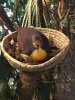
Example of good husbandry with nesting sites specifically made for that species.


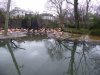
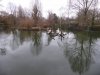
Large Flamingo lagoon but truly immense pelican area. The pelicans blend into the Northern Asia theme perfectly, sitting next to the Amur leopards and tigers as well as the next animal...

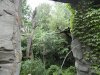
Superb ural owl aviary, large, well planted, realistic and aesthetically pleasing. Next to a Northern Asia themed area as well.


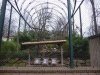
The first image shows a massive stork and heron aviary in the middle of the zoo. It is very large.
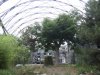
The second image shows an identically-sized aviary with Ruepell's griffon vultures and Northern bald ibises and is walkthrough. How often do you see a North African themed aviary?

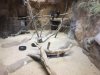
This large ground hornbill aviary...

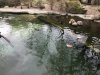
And one of the several waterfowl ponds. This one is larger than depicted in the photo.
More in the next post
Thank you @gulogulogulo for the photos
(Leipzig exhibits)
A large and well planted bird house...
Example of good husbandry with nesting sites specifically made for that species.
Large Flamingo lagoon but truly immense pelican area. The pelicans blend into the Northern Asia theme perfectly, sitting next to the Amur leopards and tigers as well as the next animal...
Superb ural owl aviary, large, well planted, realistic and aesthetically pleasing. Next to a Northern Asia themed area as well.
The first image shows a massive stork and heron aviary in the middle of the zoo. It is very large.
The second image shows an identically-sized aviary with Ruepell's griffon vultures and Northern bald ibises and is walkthrough. How often do you see a North African themed aviary?
This large ground hornbill aviary...
And one of the several waterfowl ponds. This one is larger than depicted in the photo.
More in the next post
Thank you @gulogulogulo for the photos
Attachments
-
 leipzig bird house 2.jpg219.8 KB · Views: 23
 -
 leipzig bird house.jpg189.3 KB · Views: 23
 -
 leipzig dove.jpg108.5 KB · Views: 22
 -
 leipzig flamingos.jpg174 KB · Views: 23
 -
 leipzig pelican pond.jpg140.5 KB · Views: 22
 -
 leipzig ural owl.jpg232.3 KB · Views: 24
 -
 vulture + ibis enclosure.jpg204.7 KB · Views: 24
 -
 leipzig heron and stork aviary.jpg265.9 KB · Views: 26
 -
 leipzig hornbill.jpg119.9 KB · Views: 23
 -
 leipzig waterfowl.jpg195.8 KB · Views: 23
Thanks again @gulogulogulo

Then there is this very tall aviary for pink necked pigeons and a species of parrotfinch. It spans two floors and is also quite large.

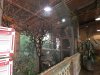
And finally the undeniable excellence of Gondwanaland, which this photo only depicts about a thousandth of... Look at photos on the Internet if you want to see the whole thing but a lot of it is devoted to birds - in fact many species can fly freely in the whole massive dome.
2-1 to Leipzig for now for me.
Then there is this very tall aviary for pink necked pigeons and a species of parrotfinch. It spans two floors and is also quite large.
And finally the undeniable excellence of Gondwanaland, which this photo only depicts about a thousandth of... Look at photos on the Internet if you want to see the whole thing but a lot of it is devoted to birds - in fact many species can fly freely in the whole massive dome.
2-1 to Leipzig for now for me.
Attachments

Look at photos on the Internet if you want to see the whole thing but a lot of it is devoted to birds - in fact many species can fly freely in the whole massive dome.
2-1 to Leipzig for now for me.
Not all that many, considering, and not many individuals either.

I suppose, that this is a difficult race... Normally Antwerp will win very easily with historic bird house, buffalo aviary, the old aviaries, that are now placed behind the Okapi house and also the old aviaries for raptors next to the train station (not mentioning the pheasantry with congo peafowl and blue turaco, that was demolished for the buffalo aviary), but in the moment the forthcoming parrot aviaries behind the Okapi house are still in construction, the raptor aviaries will be demolished very soon and the bird house is just a shadow of old times, it´s hard to Point out Antwerp as the winner of this competition...

I would argue that he demolition of those raptor cages is a plus, as many were hopelessly inadequate (and ugly).
Strongly agreed - the loss of these exhibits represents a net increase in the quality of the zoo as a whole.
I wouldn't call the bird house a shadow of its former self, I was very impressed last year with the renovations, especially outdoors.
I'm rather partial to it myself
 however, the avian jewel in Antwerp's crown is most certainly the Buffalo Aviary, which I contend is better than any of the bird exhibits at Leipzig.
I'll give a quick overview of the bird exhibits at Antwerp:
Let's start with something less-than-ideal, the Flamingo pond. Housing American flamingos, this pond is viewable from the Flamingo Plaza without entering the zoo. Even though, IMO, it's a beautiful piece of zoo architecture (unobstructed views from the restaurant), keeping flamingoes clipped isn't perfect husbandry.
As you enter the zoo, there's the Penguin Rotunda. Stars of this exhibit are the African penguins, which have an enclosure that's as good as any. Far more interesting, to me at least, is the aviary attached to it, which houses a variety of European birds (hoopoes, European turtle doves, ruffs, pied avocets, ...)
In the indoor enclosure of the Valley of the Great Apes, there are three smaller all-indoor enclosures, one of which houses (last time I went this one was being refurbished though) black-faced lovebirds and Madagascar partridges.
Then Antwerp's crown jewel, the Buffalo Aviary. This magnificent aviary houses a large variety of African birds such as hooded vultures, Rüppell's vultures, lilac-breasted rollers, fulvous whistling-ducks, guineafowl, yellow-necked francolin, violet turaco, laughing doves, Abdim's storks, ... This aviary is one of my favourite zoo exhibits of all time.
As we follow the path, we arrive at Freeze Land, which houses three species of penguins: King penguin, macaroni penguin, and gentoo penguins. This exhibit isn't great in my opinion, but not too bad either. Notable is also that Antwerp breeds its king penguins semi-regularly, with a chick born almost yearly.
Next is the Reptile Building, which has a greenhouse with Gouldian finches and red fodies. While not the most exciting of species, I do really like this part of the zoo because of the combination of active birds with the more passive iguanas and tortoises. However, it's not great to visit when it's busy, since the small path gets packed pretty easily.
The Wetlands Aviary is a large, high aviary housing another group (pair?) of Rüppell's vultures, marabou storks, northern bald ibises, and black crowned cranes.
Finally, the Bird House houses the majority of Antwerps birds. There's 4 "zones" in this house: first the indoors, then the dark hallway, small outdoor aviaries, large outdoor aviaries. The indoor enclosures are quite spacious for their inhabitants, and are well-furnished. Highlights are green aracaris, barred buttonquails, chestnut-bellied sandgrouse, red-flanked lorikeet, and Goldie's lorikeet.
The dark hallway houses almost (?) exclusively estrildids, without barrier between visitor and bird, although the birds don't always realize they should stay in their enclosures. Not the most successful way of exhibiting birds, but Antwerp pioneered this method and it looks pretty good.
The smaller outdoor aviaries are big enough for their inhabitants, mostly Asian or African passerines combined with pheasants. IIRC these aviaries have no real rarities, but it's still quite a nice line-up with Sumatran laughingthrush, blue-faced honeyeater, red-and-yellow barbet, and Palawan peacock-pheasant among others.
The three larger outdoor aviaries are themed geographically: the first one has southern European species (European thick-knee, European bee-eater, rosy starling, ...). The second has African species (Vieillot's black weaver, village weaver, green woodhoopoe, African olive pigeon), and the third houses a trio of American species: northern cardinal, crested oropendola, and (nominate ssp) grey-winged trumpeter.
As mentioned before, Antwerp is currently emptying its bird cages on the station-side, which is unequivocally a good thing, although I am sad to see all these birds go.
However Antwerp is also getting new bird stuff, as sometime in the future, Antwerp will have their old Bird-of-Prey Aviaries used again, this time as Parrot Aviaries. This wil finally give a good spot to their military macaws (among others), of which they are studbook keepers.
Let's start with something less-than-ideal, the Flamingo pond. Housing American flamingos, this pond is viewable from the Flamingo Plaza without entering the zoo. Even though, IMO, it's a beautiful piece of zoo architecture (unobstructed views from the restaurant), keeping flamingoes clipped isn't perfect husbandry.
As you enter the zoo, there's the Penguin Rotunda. Stars of this exhibit are the African penguins, which have an enclosure that's as good as any. Far more interesting, to me at least, is the aviary attached to it, which houses a variety of European birds (hoopoes, European turtle doves, ruffs, pied avocets, ...)
In the indoor enclosure of the Valley of the Great Apes, there are three smaller all-indoor enclosures, one of which houses (last time I went this one was being refurbished though) black-faced lovebirds and Madagascar partridges.
Then Antwerp's crown jewel, the Buffalo Aviary. This magnificent aviary houses a large variety of African birds such as hooded vultures, Rüppell's vultures, lilac-breasted rollers, fulvous whistling-ducks, guineafowl, yellow-necked francolin, violet turaco, laughing doves, Abdim's storks, ... This aviary is one of my favourite zoo exhibits of all time.
As we follow the path, we arrive at Freeze Land, which houses three species of penguins: King penguin, macaroni penguin, and gentoo penguins. This exhibit isn't great in my opinion, but not too bad either. Notable is also that Antwerp breeds its king penguins semi-regularly, with a chick born almost yearly.
Next is the Reptile Building, which has a greenhouse with Gouldian finches and red fodies. While not the most exciting of species, I do really like this part of the zoo because of the combination of active birds with the more passive iguanas and tortoises. However, it's not great to visit when it's busy, since the small path gets packed pretty easily.
The Wetlands Aviary is a large, high aviary housing another group (pair?) of Rüppell's vultures, marabou storks, northern bald ibises, and black crowned cranes.
Finally, the Bird House houses the majority of Antwerps birds. There's 4 "zones" in this house: first the indoors, then the dark hallway, small outdoor aviaries, large outdoor aviaries. The indoor enclosures are quite spacious for their inhabitants, and are well-furnished. Highlights are green aracaris, barred buttonquails, chestnut-bellied sandgrouse, red-flanked lorikeet, and Goldie's lorikeet.
The dark hallway houses almost (?) exclusively estrildids, without barrier between visitor and bird, although the birds don't always realize they should stay in their enclosures. Not the most successful way of exhibiting birds, but Antwerp pioneered this method and it looks pretty good.
The smaller outdoor aviaries are big enough for their inhabitants, mostly Asian or African passerines combined with pheasants. IIRC these aviaries have no real rarities, but it's still quite a nice line-up with Sumatran laughingthrush, blue-faced honeyeater, red-and-yellow barbet, and Palawan peacock-pheasant among others.
The three larger outdoor aviaries are themed geographically: the first one has southern European species (European thick-knee, European bee-eater, rosy starling, ...). The second has African species (Vieillot's black weaver, village weaver, green woodhoopoe, African olive pigeon), and the third houses a trio of American species: northern cardinal, crested oropendola, and (nominate ssp) grey-winged trumpeter.
As mentioned before, Antwerp is currently emptying its bird cages on the station-side, which is unequivocally a good thing, although I am sad to see all these birds go.
However Antwerp is also getting new bird stuff, as sometime in the future, Antwerp will have their old Bird-of-Prey Aviaries used again, this time as Parrot Aviaries. This wil finally give a good spot to their military macaws (among others), of which they are studbook keepers.

I think that @Penshet has done a fantastic job of summarizing the avian excellence at Antwerp Zoo, and clearly the Buffalo Aviary reigns supreme as a terrific exhibit. The 1893 Bird House (reconstructed in 1948 after being damaged in WWII) is very nicely done, and the penguin complex was renovated in 2012 and is also solid without being spectacular. There is a very nice selection of birds all across the grounds and thus it appears that Antwerp is going to coast in this category.
However, can anyone elaborate on Leipzig's bird exhibits? I was at Antwerp Zoo this summer, but Leipzig will have to wait until 2022 for a visit from me and I'm curious as to the situation in Gondwanaland. Does anyone have a species list of birds inside that vast jungle?
I'm going to vote 2-1 Antwerp, although it would be nice to hear even more about Leipzig's credentials.
However, can anyone elaborate on Leipzig's bird exhibits? I was at Antwerp Zoo this summer, but Leipzig will have to wait until 2022 for a visit from me and I'm curious as to the situation in Gondwanaland. Does anyone have a species list of birds inside that vast jungle?
I'm going to vote 2-1 Antwerp, although it would be nice to hear even more about Leipzig's credentials.
Looking at the early voting results in the latest round of matches, both of these zoos are crashing out of the competition anyway.

Birds are a real strenght of Antwerp, and they were definately a highlight of my visit. The Bird House is spectacular, surpassed only by a very limited selection of zoos I've visited, with well furnished and naturalistic enclosures. It really highlights birds as a group, with a huge quantity of high-quality education material on feathers, eggs etc. The outdoor aviaries are delightful, and filled with choice species. The Buffalo Aviary, although limited for the buffalo, is fantastic for the birds. Seeing a Grey Hornbill zipping through the enclosure at full speed is absolutely marvellous.
Vriesland is a relatively standard indoor penguin enclosure, neither bad nor particularly good, but recently they installed new lights, allowing the penguins to use their full range of colour vision, something not possible in most indoor bird enclosures. The wader aviary, the aviary next to the hippos and a few more bits and pieces bring about a well presented, solid and balanced collection of birds. The range of species is diverse, both morphologically and taxonomically, with a host of spectacular rarities like Egyptian Plover, Barred Buttonquail, Chestnut-Bellied Sandgrouse, Macaroni Penguin, Vieillot's Black Weaver, and Rosy Starling.
Of course, it's not all fantastic. Most the bird exhibits are of decent size, but some of the all-indoor exhibits in the Bird House were quite small. Also, because they used so much glass it is hard to hear the birds, and I consider their songs and calls to be important parts of the experience. The only sounds I heard were the calls of Hill Mynas, the song of Timor Zebra Finches and every now and then the Shama, which are not bad but it could have such a great chorus if all the other passerines would have joined in!
However, all things considered Antwerp has a solid bird department. I haven't been to Leipzig, and therefore I'm ready to chance my vote based on arguments here, but I currently park my vote at 2-1 for Antwerp.
Vriesland is a relatively standard indoor penguin enclosure, neither bad nor particularly good, but recently they installed new lights, allowing the penguins to use their full range of colour vision, something not possible in most indoor bird enclosures. The wader aviary, the aviary next to the hippos and a few more bits and pieces bring about a well presented, solid and balanced collection of birds. The range of species is diverse, both morphologically and taxonomically, with a host of spectacular rarities like Egyptian Plover, Barred Buttonquail, Chestnut-Bellied Sandgrouse, Macaroni Penguin, Vieillot's Black Weaver, and Rosy Starling.
Of course, it's not all fantastic. Most the bird exhibits are of decent size, but some of the all-indoor exhibits in the Bird House were quite small. Also, because they used so much glass it is hard to hear the birds, and I consider their songs and calls to be important parts of the experience. The only sounds I heard were the calls of Hill Mynas, the song of Timor Zebra Finches and every now and then the Shama, which are not bad but it could have such a great chorus if all the other passerines would have joined in!
However, all things considered Antwerp has a solid bird department. I haven't been to Leipzig, and therefore I'm ready to chance my vote based on arguments here, but I currently park my vote at 2-1 for Antwerp.
Looking at the early voting results in the latest round of matches, both of these zoos are crashing out of the competition anyway.
At present, anyhow - but the margin between Antwerp and Zurich is not that massive, so there might be a surprise yet.

Not all that many, considering, and not many individuals either.
Well at least ducks were there in dozens.


It sad to realise, that two great zoos will most probably leave the competition. I had a feeling, that Leipzig could contribute more to this tournament, but that's life . Have seen the both collections in the last 12 months and my opinion not differ from the majority. Gondwanalad is truly unique engineering achievement and probably would win this match alone, but paradoxically it seems dedicated to other animals classes. It's not the birds that you remember there. My favourite bird exhibite in Leipzig are actually not even the Bird house, but the Classic Free-fligh aviaries.
From what I have read Antwerp has been stronger in this category years ago, but during my visit I was stunned by the Cape buffalo Aviary. The Bird house was also one to remember and as was mentioned before, one of the best zoo buildings in Antwerp. 2:1 for the Belgian zoo.
From what I have read Antwerp has been stronger in this category years ago, but during my visit I was stunned by the Cape buffalo Aviary. The Bird house was also one to remember and as was mentioned before, one of the best zoo buildings in Antwerp. 2:1 for the Belgian zoo.
Last edited: