Kawekaweau
Well-Known Member
Hey ZooChat. I'm a very new member here, and I'd like to share my idea for a zoo in Dunedin. It would take a lot of money and work, and negotiation (especially for natives and the few species I would like to import, keep it under ten, highlighted in bold), but I think it would be a nice, relatively small collection of natural curiosities.
First of all, there would be an entrance building before the main collection of animals. This would consist of a museum (the unique point of the zoo is that it teaches about the animals on display from an evolutionary perspective). This museum would display both real specimens and replicas of evolutionary significant species, such as small, prehistoric toed horses (Mesohippus or Miohippus specimens can easily be found for sale), evolutionary series of shark teeth (Isurus - Carcharodon and Otodus - megalodon), some dinosaur and mammoth bones, and things like stromatolites and vestigial organs.
Next would be an indoor aquarium (would be freshwater at first, but don't want to rule out a carpet shark tank as an addition) with the following species in their own tanks:
Atlantic mudskipper (legal to import privately but not found in practice).
Armored or Senegal bichir.
Blind cave tetra.
Dwarf puffer.
Fire eel/any spiny eel.
Giant kokopu.
New Zealand longfin eel.
Mudfish of several species.
Japanese firebelly newt.
After the aquarium, you would go outside into the "main" zoo. This is where the "megafauna" is kept. A list of species which can already potentially be acquired within New Zealand is below, though I would not use them all.
Mesopotamian fallow deer.
Pere David's deer.
Ostrich.
Emu.
Guanaco.
Scimitar horned oryx (among my favorite ungulates).
There would also be a farmyard with rare domesticated breeds, which can be interacted with and used for animal therapy.
Miniature zebu (may or may not be a case of island dwarfism).
Arapawa goat.
Mediterranean miniature donkey.
The following invertebrates and reptiles:
American alligator (would need an indoor exhibit, need a good idea of maintenance costs and would have to be a post-opening addition).
Galapagos tortoise (would also likely need an indoor exhibit, but no evolutionary exhibit is complete without one!).
Common native lizards (lowest license level at first, but would like to advance to rarer species).
Tuatara (requires competency with more common native species first).
Wetas (multiple species).
Mandibulate moths (may be a pinned insect exhibit instead as they are so tiny).
Along with the museum and aquarium buildings a vet room is also a must, as well as storage for food, maybe some animal waste could be sold for compost like at Auckland Zoo. I am open to suggestions, feedback and constructive criticism. A botanical garden with Wollemi pines and other living fossils is another possible option. Thanks.
EDIT: Found no IHS for Galapagos tortoises, so they cannot be imported (yet). Hopefully Auckland will manage to breed their ones.
First of all, there would be an entrance building before the main collection of animals. This would consist of a museum (the unique point of the zoo is that it teaches about the animals on display from an evolutionary perspective). This museum would display both real specimens and replicas of evolutionary significant species, such as small, prehistoric toed horses (Mesohippus or Miohippus specimens can easily be found for sale), evolutionary series of shark teeth (Isurus - Carcharodon and Otodus - megalodon), some dinosaur and mammoth bones, and things like stromatolites and vestigial organs.
Next would be an indoor aquarium (would be freshwater at first, but don't want to rule out a carpet shark tank as an addition) with the following species in their own tanks:
Atlantic mudskipper (legal to import privately but not found in practice).
Armored or Senegal bichir.
Blind cave tetra.
Dwarf puffer.
Fire eel/any spiny eel.
Giant kokopu.
New Zealand longfin eel.
Mudfish of several species.
Japanese firebelly newt.
After the aquarium, you would go outside into the "main" zoo. This is where the "megafauna" is kept. A list of species which can already potentially be acquired within New Zealand is below, though I would not use them all.
Mesopotamian fallow deer.
Pere David's deer.
Ostrich.
Emu.
Guanaco.
Scimitar horned oryx (among my favorite ungulates).
There would also be a farmyard with rare domesticated breeds, which can be interacted with and used for animal therapy.
Miniature zebu (may or may not be a case of island dwarfism).
Arapawa goat.
Mediterranean miniature donkey.
The following invertebrates and reptiles:
American alligator (would need an indoor exhibit, need a good idea of maintenance costs and would have to be a post-opening addition).
Galapagos tortoise (would also likely need an indoor exhibit, but no evolutionary exhibit is complete without one!).
Common native lizards (lowest license level at first, but would like to advance to rarer species).
Tuatara (requires competency with more common native species first).
Wetas (multiple species).
Mandibulate moths (may be a pinned insect exhibit instead as they are so tiny).
Along with the museum and aquarium buildings a vet room is also a must, as well as storage for food, maybe some animal waste could be sold for compost like at Auckland Zoo. I am open to suggestions, feedback and constructive criticism. A botanical garden with Wollemi pines and other living fossils is another possible option. Thanks.
EDIT: Found no IHS for Galapagos tortoises, so they cannot be imported (yet). Hopefully Auckland will manage to breed their ones.
Last edited:
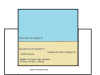

 I was thinking of Lakeland Oasis but done with more detail.

