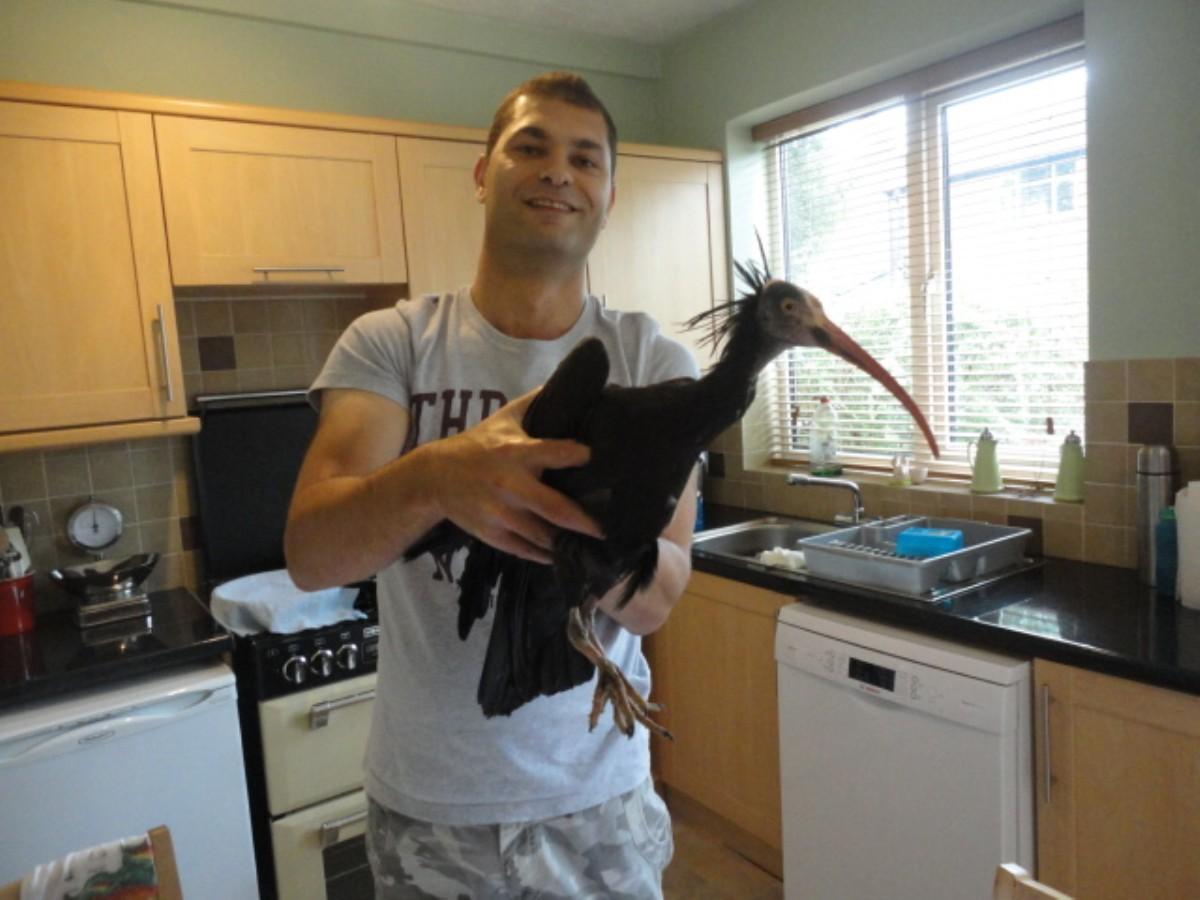
So many of these posts have made me cringe. There are some non-domesticated animals with relatively uncomplicated needs that any diligent pet owner can meet. Then there are sloth bears.
I'm not saying it can't be done, only that the only people I can imagine trying are people who I would expect to be completely inappropriate as keepers.
As someone who strongly supports the keeping of exotic pets, I have to agree with this. However I think that larger animals are to some degree self-limiting, since few people can afford to purchase one in the first place. Personally, I think that the large exotics are less an issue than the small to mid-sized ones you can get for a few thousand bucks. Parrots aren't usually seen as exotics, but parrot rescues tend to end up with a large number of macaws because they're relatively easy and cheap to obtain, but difficult and expensive to maintain, and the people who know enough to care for them properly usually know enough not to want them. (Well, except hyacinth macaws.) In Texas we have a similar issue with kinkajous and Old World monkeys, both of which are legal here and more work than they seem.
I've come to the conclusion that the most sensible system would be a three-tiered one. On one tier are animals anyone can keep, which would include animals that are fairly easy to keep, fairly easy to rehome, somewhat hard to traumatize for life through improper care, and which don't pose a serious risk to the public. On the next tier would be most animals: those which are either easy to traumatize for life and/or hard to rehome, but which don't have extremely specialized care and don't pose a danger to the public. For this tier you need to pass a written test and demonstrate you have proper facilities and diet. Kinkajous, capuchins, and large parrots would all go in this tier. The sloth bear might too, actually: I'm not up on bears enough to know if captive sloth bears have caused the deaths of bystanders, but I know American black bears are fairly harmless.
On the third tier are species which either pose a clear danger of death, disability, or disfigurement to the public, or which require care so specialized that the average person would not have time to care for them properly. For this tier you'd have the same requirements as Tier II qualifications and also have to have a certain amount of actual experience with that species or a close relative. This is because while I think that larger/more dangerous animals are less likely to have problematic owners, an irresponsible owner can be a bigger problem, not so much for society (dogs are still a much bigger threat) as for exotic pet keepers as a whole. One death from a tiger or venomous snake is enough to fuel hysteria across the country. And requiring hands-on experience with animals that would take specialized knowledge and several hours or work a day to care for properly just seems like common sense to me. It may seem like you're willing to spend six hours on this animal now, but maybe you should try it first.
Of course while
I think that this system is sensible, it would put large macaws on tier II and marmosets on tier I, and leave pretty much nobody happy. "Macaws are just birds, you shouldn't need any special license to keep them!" "Marmosets are primates, they're our close cousins, you shouldn't be keeping them at all!" And if I'm being consistent, large constricting snakes
should go on tier III, because they're prone to escaping and have caused deaths when they've escaped, and that would
really piss people off.
I've seen marmosets, coatis, bats, pere david's deer and turacos
I can't speak to the deer, but I've done a good deal of research into the proper care for all the rest of these. Once you've got a proper enclosure, turacos (except the great blue) and Old World fruit bats are actually fairly easy to care for; the hardest part is their diet. Marmosets are less work than many mid-sized parrots (and require a similar enclosure), they seem much less prone than Old World monkeys or even capuchins to ending up at sanctuaries. There's a reason that in jurisdictions which don't fall prey to the "ban all primates because they look like us!!1" impulse Callitrichids are always legal. Coatis are probably a bit less work than macaws or cockatoos, however they're reputedly prone to inflicting nasty bites. Of course so are larger parrots, but you won't have an issue if you understand their body language and the same thing might be true of coatis.
When I was a kid I went to a pet store that sold caimans, though there was a sign saying that they were only sold for educational purposes, so I guess you could only buy them for a zoo or for research or something. I hear a local pet store has caimans that anyone can buy. (but maybe you need a permit, I'm not sure)
Dwarf caimans aren't that weird. In jurisdictions that don't ban all crocodilians, dwarf caimans are the most common exception, even though American alligators are only slightly larger and much less temperamental.
This one pet store I went to would get exotic animals regularly. They had prairie dogs for a little while, apparently those sold out very quickly. They also had a marmoset and some kind of lemur, I can't remember the species, and coati.
Prairie dogs aren't weird: they're easier to keep than many dog breeds. They are, however seasonal; they're only available as babies April-June. Ring-tailed lemurs are quite easy to find in Texas and not exceptionally difficult to care for (aside from needing a lot of space), though they can't be sold across state lines. I've also seen two species of ruffed lemurs for sale in Texas, but only a few states had large breeding populations of any species of lemur before the feds decided that the Endangered Species Act should apply to some (but not all) captive-bred specimens of animals not native to the US.
Also, are you thinking of Sand's in Houston? I've never been but I frequently check their website. The most interesting animal I've seen them have is a brush-tailed bettong.