
Several years ago, I did some research on ungulates and found out that some of them are either semi-domesticated or are listed as good candidates for domestication. In the process of my research I found out that there has been attempts at riding various ungulates including zebras, eland, elk, reindeer, etc. I did some research and found out that you can keep exotic hoofstock through breeders and ranches in the southern US. As someone who used to ride horses when I was younger, it struck me "Why not try to ride a large ungulate like a spiral horned antelope or large cervid one day?" I think it'd be pretty cool! The only thing really I'm concerned about is how much weight can these animals handle (would be using an English saddle and tack)? I have heard that the common rule for horses is no more than 25% of weight (via tack and rider) on its back. As wild animals are stronger than those that are domesticated what would the weight limit be? I know that various ungulates have horns of long length and could impale you but I have thought of species that have shorter horns/ antlers and would probably be ok to ride. If anybody on ZooChat who works with ungulates, could give me some details I would greatly appeciate it. It's a goal of mine and I think it'd be really cool. I'd try to acquire it as a juvenile and then train it to be ridden. Here is a list of species I am considering:
Common Eland (Taurotragus oryx)
Africa's largest antelope. Males have shorter horns and are the slowest antelope. I see this species as a good candidate for trail riding and also possibly for doing work like plowing and pulling (like modern oxen)

Greater Kudu (Tragelaphus strepsiceros)
Africa's 3rd tallest antelope and the 4th heaviest after the Bongo. I see this species as a good candidate for pleasure riding and it is faster than the elands. A Lesser Kudu named Garrett at the National Zoo in Washington DC has been trained to do foot procedures like a horse so I'm pretty sure that it's larger cousin could do the same. Females also get pretty big.
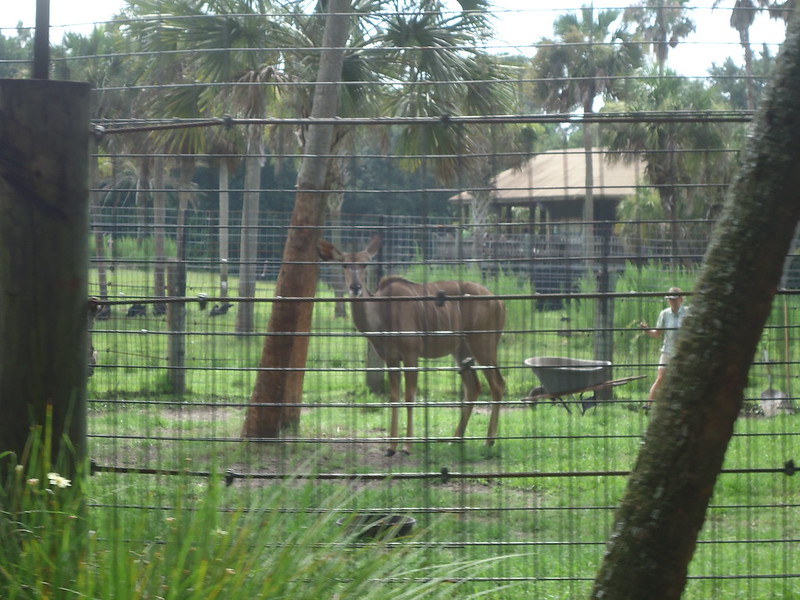
Nilgai (Bosephalus tragocamelus)
The Nilgai is about the same size as the Greater Kudu but has shorter horns. It has a nice bluish/roan color.

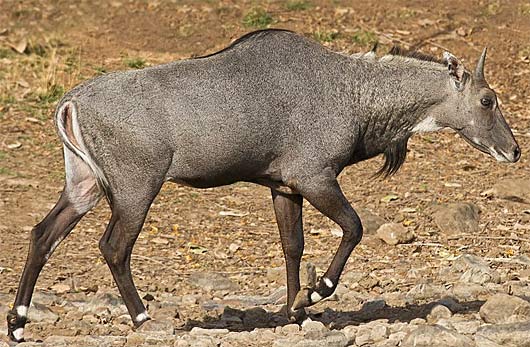
Roan (Hippotragus equinus)
They're larger than the Sable antelope and have shorter horns. This one is a juvenile and looks to be about the size of a large pony.

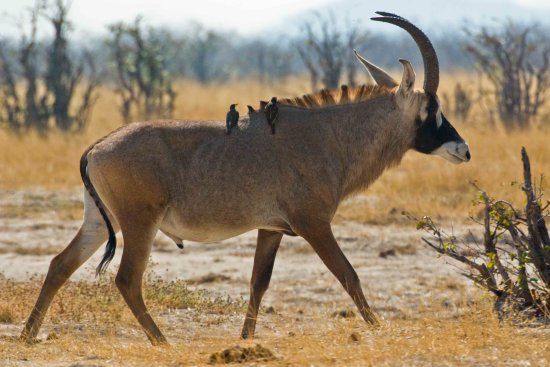
Elk (Cervus canadensis)
The elk is the largest American deer after the Moose and they can get to be as large as a standard horse and sometimes larger.


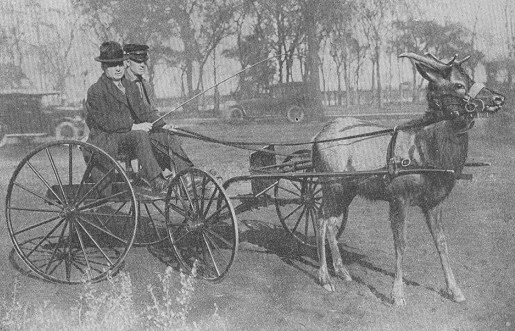
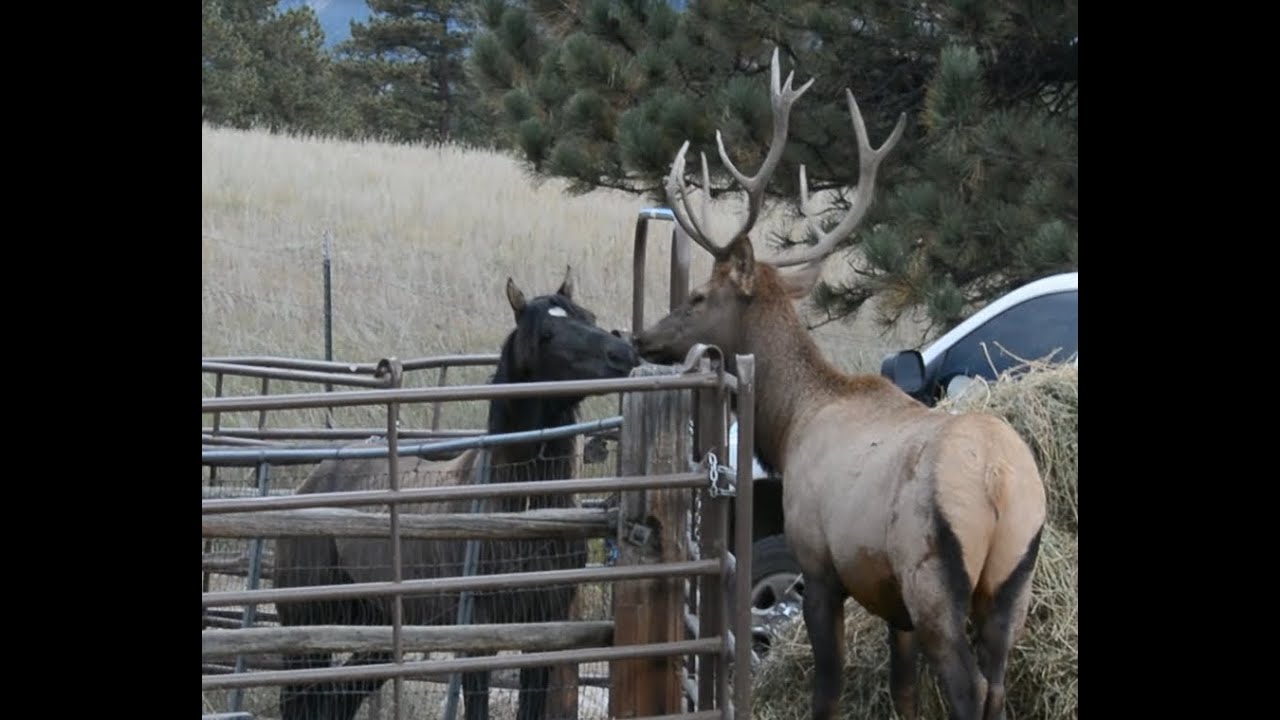
Indian Sambar (Rusa unicolor)
These large Indian Deer grow about the same size as Elk and have straighter antlers than their American relatives.
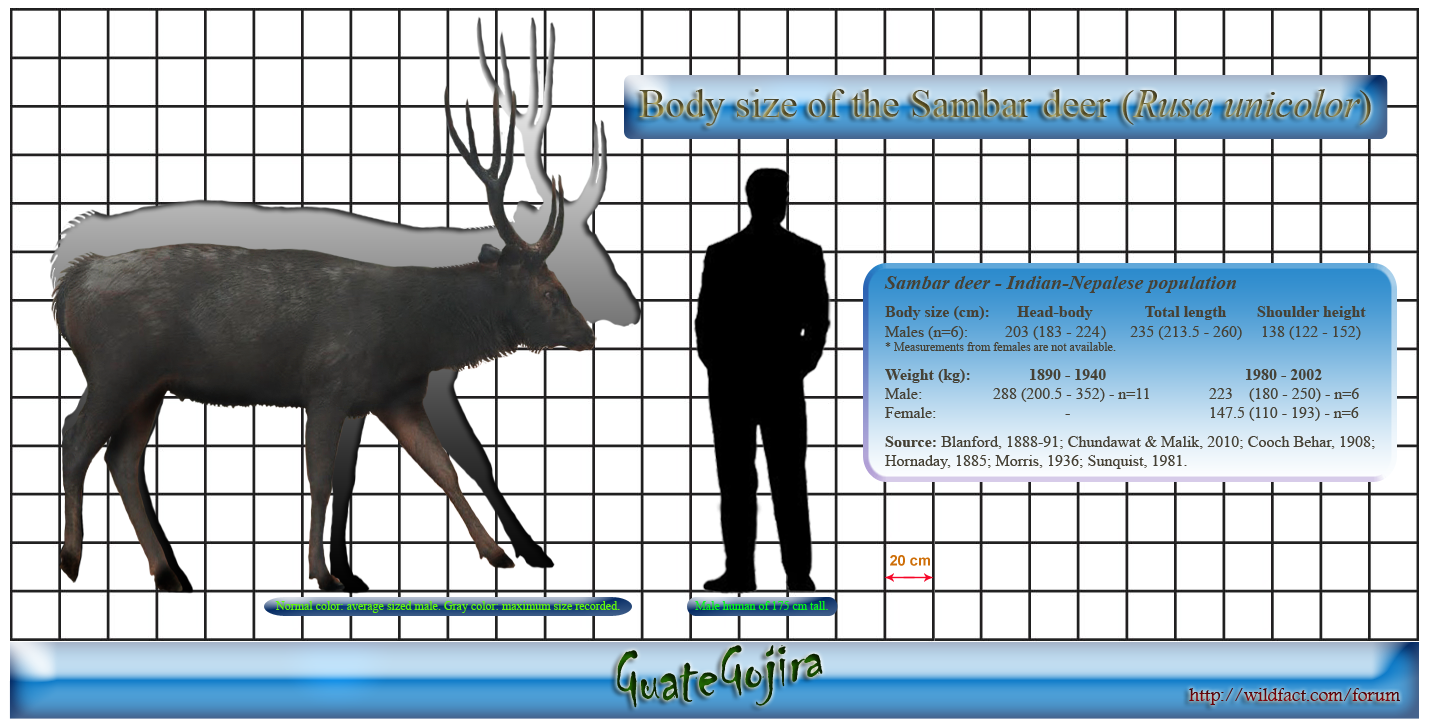
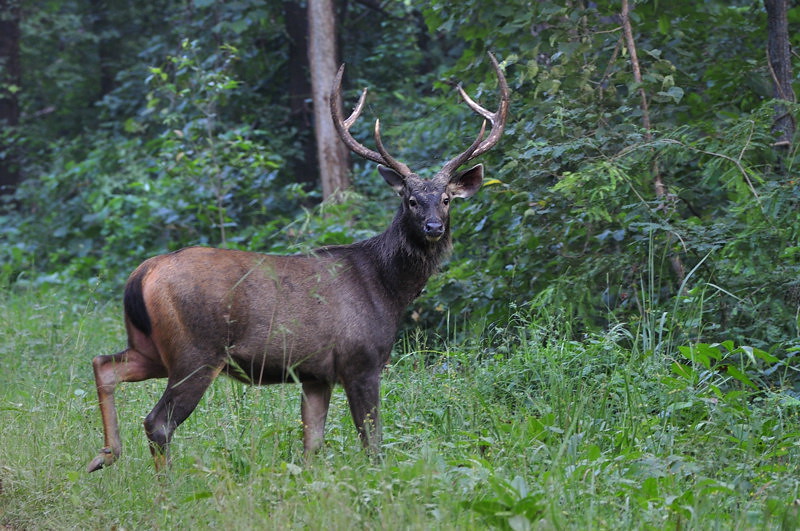
Common Eland (Taurotragus oryx)
Africa's largest antelope. Males have shorter horns and are the slowest antelope. I see this species as a good candidate for trail riding and also possibly for doing work like plowing and pulling (like modern oxen)
Greater Kudu (Tragelaphus strepsiceros)
Africa's 3rd tallest antelope and the 4th heaviest after the Bongo. I see this species as a good candidate for pleasure riding and it is faster than the elands. A Lesser Kudu named Garrett at the National Zoo in Washington DC has been trained to do foot procedures like a horse so I'm pretty sure that it's larger cousin could do the same. Females also get pretty big.
Nilgai (Bosephalus tragocamelus)
The Nilgai is about the same size as the Greater Kudu but has shorter horns. It has a nice bluish/roan color.
Roan (Hippotragus equinus)
They're larger than the Sable antelope and have shorter horns. This one is a juvenile and looks to be about the size of a large pony.
Elk (Cervus canadensis)
The elk is the largest American deer after the Moose and they can get to be as large as a standard horse and sometimes larger.
Indian Sambar (Rusa unicolor)
These large Indian Deer grow about the same size as Elk and have straighter antlers than their American relatives.


