Day 2: Zoo Experiences in Tampa - Part ll
First let me apologize. Ever since I got back from this trip I have been busier then ever and have almost no time to sit down and write. I've done a pretty lousy job updating this thread, I hope that will change soon. Anyways, let me continue where I left off.
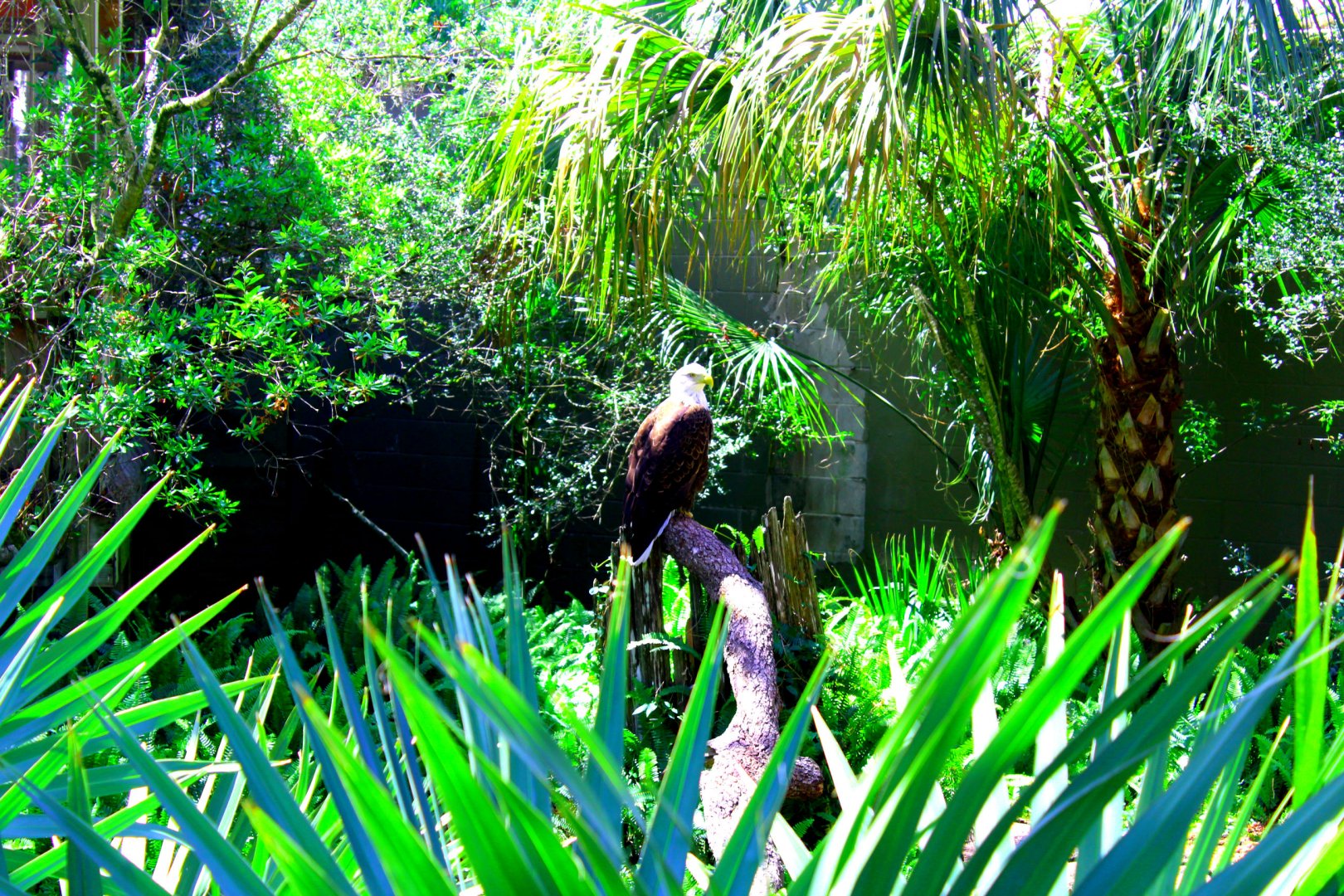
The Florida Center interior was filled with many native species of reptiles, amphibians and fish. I didn't make much note of them, however. There's a trio of large rattlesnake terrariums, a mix of salt and freshwater tanks, and a plentiful amount of other species in lovely terrariums. Then there was the bright green manatee tank, which was empty without inhabitants. It was very disappointing to miss out on the sea cows despite me seeing them on multiple other occasions. I was aware the zoo was planning on revamping the center, but I wasn't aware they would be starting so soon on the renovations. I'm sure the disappointment most visitors must feel when going to the zoo, expecting to see a star species like manatees is present throughout each visit. Exiting the center, another moss green pool is directly across from the construction of the new manatee center, for North American river otters. Compared to some of the other exhibits I have seen for the species, it's underwhelming but it's adequate. Viewing the land section however, is a real pain. The following exhibits in the Florida center are of varying quality but are all adequate; an American alligator pool is excellent and is viewed from multiple angles; several bird cages and lush, but all on the small side; there is a large mixed species sandhill crane and striped skunk exhibit (Where the latter was unsurprisingly unseen) that was above average; there was a small little flamingo cove that I almost missed because of how unshowy it is; and a medium sized cage for a Florida panther. The cage is furnished nicely, with climbing structures scattered throughout. Viewing is through harp wire, except for a single glass window by one of the cats resting spots. To end out the area, an excellent American black bear exhibit is long and grassy with a forest backdrop. A large lake that goes along the whole is exhibit is impressive and is filled with koi, who visitors can feed by shelling out 25 cents. That rounds out the Florida area, but in a few weeks, the new Roaring Springs water ride will open adding another attraction to the park. Because of it though, I was forced to backtrack through the entire Florida exhibit again just to pop out back by the Indian rhinos which was rather annoying, but understandable and temporary.
I then walked to the opposite side of the zoo and entered what could be argued to be the zoos strongest attraction. Safari Africa opened in phases between 2005 and 2008 and has plenty of variety between the exhibits in the section. Before going through the main tunnel that brings you the attraction, there is an average exhibit for a group of African penguins. There is also a cartoonish penguin education center, and a mini beach house as the off exhibit area. As over excessive as the theming may be, the exhibit still gets the job done for the black and white birds.
The main tunnel to Safari Africa is filled with wooden shipping crates, for seemingly no real reason at all, unless they were trying to make a subtle reference to the first Madagascar movie. There are also paintings of some key African animals on the walks with their African names painted along side of them. Exiting the other end you are greeted by a lovely plaza that includes the entrance the closed "Expedition Africa!" tram tour. A very nice feature through was the hornbill trail which contained a single aviary with 6 species including Trumpeter hornbill, von der deckens hornbill, yellow-necked spurfowl, red-legged seriema and blue duikers. There is also an above average exhibit for meerkats that is adjacent to a bathroom. Then you come across the massive African Lodge, an above average eatery that contains the main dining room - which is darker and artificially lit - as well as a smaller side room that have views into 2 of three savannah yards. Excellent eatery but it still pales in comparison to the San Diego Zoo Safari Park's fantastic Mombasa Lagoon restaurant. Sigh, man I miss San Diego... huh? Oh yeah Florida, right.
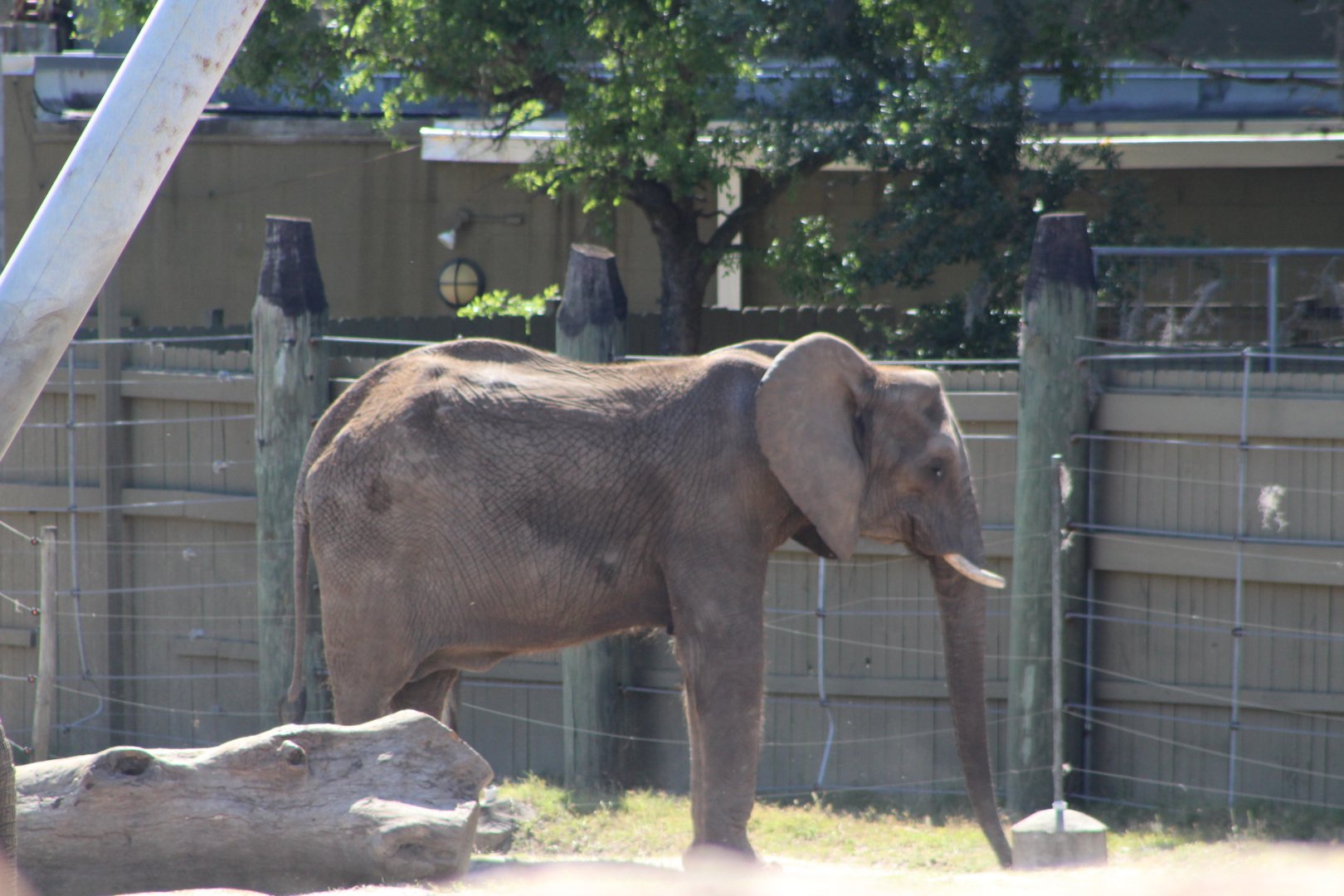
Before getting into the main savannah, there are serval side exhibits for Galapagos tortoises, aldabra tortoises and raided tortoises all in simple yards. Adjacent to those habitats is the excellent woodland yard that contains lowland Nyla, abyssian ground hornbills and bay duikers. The latter was a real treat to see, as I can't recall any other North American institutions with them. A keeper was doing a scatter feed which provided excellent views of all three species. There was also a very small side exhibit for marabou storks, who usually also have accessed to the yards. There was a feeding going on there as well making for an active and engaging few minutes. Then I came across the savannah habitats, which is essentially one big yard that is split in three. The first and smallest of the yards is the giraffe overlook. Masai giraffes, a reticulated giraffe and Hartmann's mountain zebras are showcased in a solid exhibit with a feeding deck. The second and largest yard is home to a herd of a half a dozen African elephants, impala and Nile lechwe. 2 acres in size and is very grassy with plenty of space and multiple shade structures for the inhabitants. You can see it better on the tram, but if you look far back behind the main yard, there is the bull elephant yard which is about a half acre in size and went through minor renovations in 2017, and it's very solid. The final part of the savannah is Rhino Reserve. Containing white rhinos (Who were not present on my visit) and grevy's zebra. It's a little under an acre in size and provides up close viewing with the animals. There was also a used elephant transfer crate on display, which was used to transfer an elephant back during the 2003 Swaziland import between Tampa and San Diego. A trio of very nice habitats.
Ituri Forest is - similar to the Florida Center - under construction in parts so the full area is not open at the moment. The two major aviaries are closed, meaning the shoebills were sadly not present on my visit. However, among the construction was a newly opened habitat. A large grassy yard for painted dogs. A solid habitat which a lovely viewing structure. Chainlink is pretty obvious in parts, but the dogs yard is hilly, has hiding places and has over a dozen trees scattered throughout the exhibit. Next door is a average okapi yard which is shaded but I felt was just a little too small. The adjacent red river hog exhibit is even smaller and has mediocre viewing, making a bit of mediocre exhibit. I almost missed this one as well as its tucked away in the back. The final habitat is for pygmy hippos, including an adorable calf. The zoo has been quite successful in recent years breeding pygmy hippos. The habitat it self is good but not great. No underwater viewing, no grass, no trees. There is a decent sized pool and a nicely sized land area that rounds out the massive African section. Now you are forced to back track through the entire area again to pop back out of the tunnel.


 .
.

 .
.