
I'm currently planning a African themed Aviary for my future backyard and am having a hard time choosing either 3.3 Yellow Billed Storks (Mycteria ibis) or 3.3 African Spoonbills (Platalea alba). I really like both, but due to expenses I think could only afford one species to go along with the other species I have planned like Hadada Ibises, Red-Billed Teals, Fulvous Whistling Ducks etc.... Here are the my opinions of pros and cons for each species:
Yellow Billed Stork (Mycteria ibis)
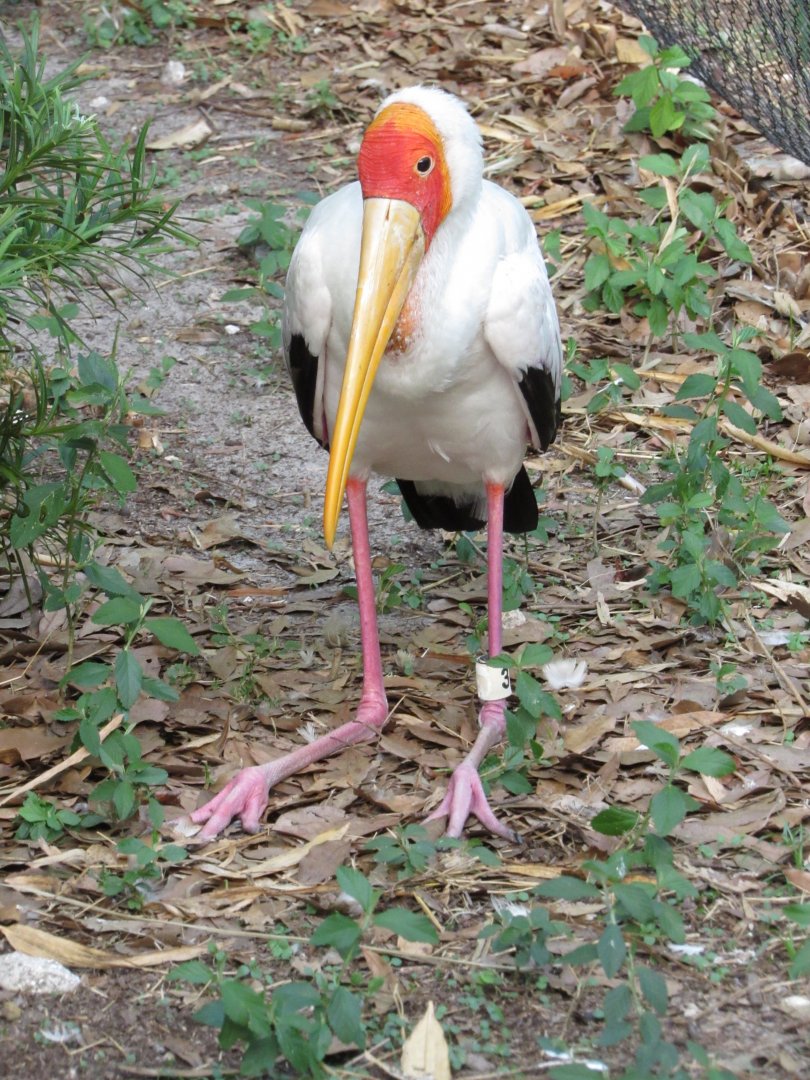 Pros:
Pros:
1. Large (3.5 ft tall)
2. Nice contrast in white feathers with red legs and face (with pink on coverts appearing during breeding season).
3. Looks super cute due to their large all black appearing eyes.
4. Can be mixed with various waterfowl and other birds.
5. Easy to breed in captivity and interesting courtship displays to watch.
6. Can live to be 34 years in captivity.
Cons:
1. Rarely vocal.
2. Not as colorful as its relative the Painted Stork.
African Spoonbill (Platalea alba)
 Pros:
Pros:
1. Large (3 ft tall)
2. Nice look with all white plumage with red face and legs and crest
3. Spoonbills are awesome.
4. Very vocal.
5. Can be mixed with various waterfowl and other birds.
Cons:
1. Not quite as large as the Yellow Billed Stork.
2. Outside of breeding season its red skin color reduces to a dull pink.
3. Doesn't live as long with 29 years being recorded as the maximum in captivity.
Yellow Billed Stork (Mycteria ibis)
1. Large (3.5 ft tall)
2. Nice contrast in white feathers with red legs and face (with pink on coverts appearing during breeding season).
3. Looks super cute due to their large all black appearing eyes.
4. Can be mixed with various waterfowl and other birds.
5. Easy to breed in captivity and interesting courtship displays to watch.
6. Can live to be 34 years in captivity.
Cons:
1. Rarely vocal.
2. Not as colorful as its relative the Painted Stork.
African Spoonbill (Platalea alba)
River Valley Aviary African Spoonbill
A really big African Spoonbill. Taken on 12-30-18.
1. Large (3 ft tall)
2. Nice look with all white plumage with red face and legs and crest
3. Spoonbills are awesome.
4. Very vocal.
5. Can be mixed with various waterfowl and other birds.
Cons:
1. Not quite as large as the Yellow Billed Stork.
2. Outside of breeding season its red skin color reduces to a dull pink.
3. Doesn't live as long with 29 years being recorded as the maximum in captivity.
Last edited:


