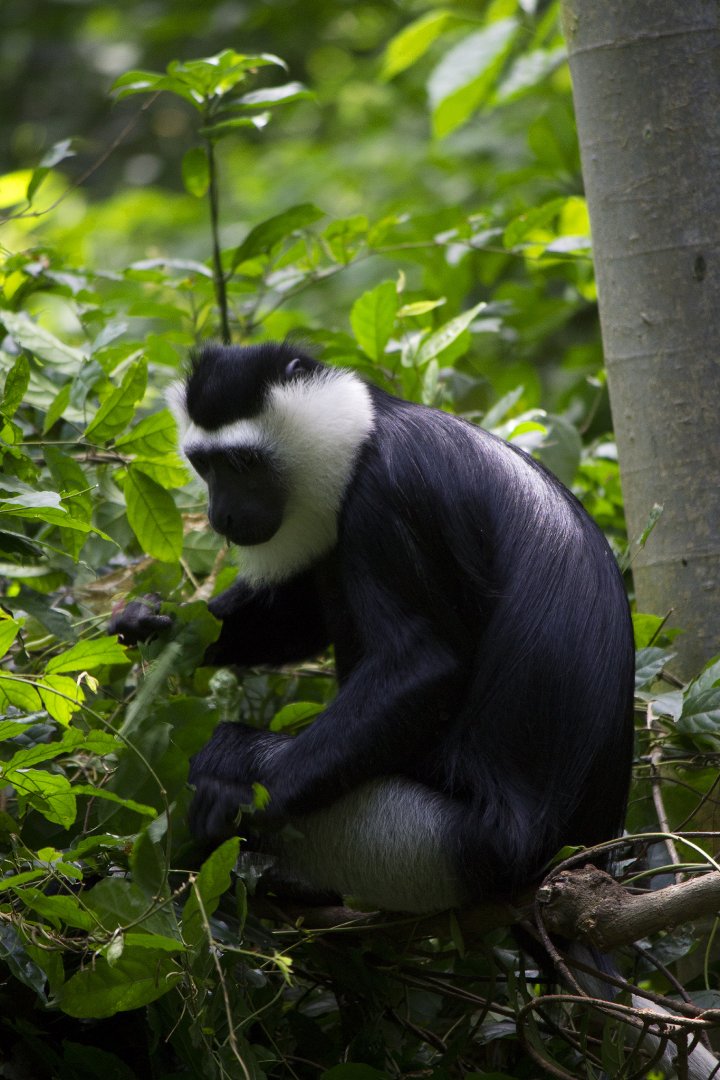
There are over 400 species of Primates currently recognised worldwide, along with many more subspecies, so this Order will be separated into three threads: Prosimians (lemurs, lorises, bushbabies, etc); New World Primates (American monkeys); and Old World Primates (tarsiers, African and Asian monkeys, and apes).
The Prosimian thread can be found here: TLD's Photographic Guide to Prosimians
The New World Primate thread can be found here: TLD's Photographic Guide To New World Primates
The basic classification of Primates is as follows (the groups in bold are those covered in this current thread):
ORDER: Primates
SUBORDER: Strepsirrhini (prosimians)
Infraorder: Lemuriformes
Superfamily: Lemuroidea (Madagascan prosimians)
*Family: Cheirogaleidae (dwarf and mouse lemurs)
*Family: Daubentoniidae (Aye-aye)
*Family: Lemuridae (typical lemurs)
*Family: Lepilemuridae (sportive lemurs)
*Family: Indriidae (Indri, sifakas, etc)
Superfamily: Lorisoidea (African and Asian prosimians)
*Family: Lorisidae (lorises, pottos , and angwantibos)
*Family: Galagidae (bushbabies)
SUBORDER: Haplorrhini (tarsiers, monkeys, and apes)
Infraorder: Tarsiiformes (tarsiers)
*Family: Tarsiidae (tarsiers)
Infraorder: Simiiformes (monkeys and apes)
Parvorder: Platyrrhini (New World monkeys)
*Family: Callitrichidae (marmosets and tamarins)
*Family: Cebidae (capuchin and squirrel monkeys)
*Family: Aotidae (night monkeys)
*Family: Pitheciidae (titis, sakis, and uakaris)
*Family: Atelidae (spider, woolly, and howler monkeys)
Parvorder: Catarrhini (Old World monkeys, and apes)
Superfamily: Cercopithecoidea (Old World monkeys)
*Family: Cercopithecidae (Old World monkeys)
Superfamily: Hominoidea (apes)
*Family: Hylobatidae (gibbons)
*Family: Hominidae (great apes and humans)
.....................................................................................
Primates have been subject to heavy taxonomic splitting over the last few decades, second only to the more recent efforts in expanding the ungulate species. There are various methods used in splitting Primates, including genetics, morphology, colouration, distribution, and vocalisations. Sometimes they are used in combination, more often in bald isolation. In the following accounts I will usually follow the splits whether I agree with them or not, but I will always have a "taxonomic note" regarding different opinions on their status.
Where photos of known subspecies are available I have used these in preference to (or in addition to) photos of "generic" or "unknown" individuals. I particularly prefer using good photos of wild animals, as the subspecies can usually be easily determined based on range.
I have used photos of museum specimens in rare cases, if these are the only examples available in the galleries.
Of course thanks are given to all the hard-working photographers who make these threads (and the future threads) possible. The list of members whose photos have been used in this thread is here on page 8 - The Zoochat Photographic Guide to Old World Primates
The Prosimian thread can be found here: TLD's Photographic Guide to Prosimians
The New World Primate thread can be found here: TLD's Photographic Guide To New World Primates
The basic classification of Primates is as follows (the groups in bold are those covered in this current thread):
ORDER: Primates
SUBORDER: Strepsirrhini (prosimians)
Infraorder: Lemuriformes
Superfamily: Lemuroidea (Madagascan prosimians)
*Family: Cheirogaleidae (dwarf and mouse lemurs)
*Family: Daubentoniidae (Aye-aye)
*Family: Lemuridae (typical lemurs)
*Family: Lepilemuridae (sportive lemurs)
*Family: Indriidae (Indri, sifakas, etc)
Superfamily: Lorisoidea (African and Asian prosimians)
*Family: Lorisidae (lorises, pottos , and angwantibos)
*Family: Galagidae (bushbabies)
SUBORDER: Haplorrhini (tarsiers, monkeys, and apes)
Infraorder: Tarsiiformes (tarsiers)
*Family: Tarsiidae (tarsiers)
Infraorder: Simiiformes (monkeys and apes)
Parvorder: Platyrrhini (New World monkeys)
*Family: Callitrichidae (marmosets and tamarins)
*Family: Cebidae (capuchin and squirrel monkeys)
*Family: Aotidae (night monkeys)
*Family: Pitheciidae (titis, sakis, and uakaris)
*Family: Atelidae (spider, woolly, and howler monkeys)
Parvorder: Catarrhini (Old World monkeys, and apes)
Superfamily: Cercopithecoidea (Old World monkeys)
*Family: Cercopithecidae (Old World monkeys)
Superfamily: Hominoidea (apes)
*Family: Hylobatidae (gibbons)
*Family: Hominidae (great apes and humans)
.....................................................................................
Primates have been subject to heavy taxonomic splitting over the last few decades, second only to the more recent efforts in expanding the ungulate species. There are various methods used in splitting Primates, including genetics, morphology, colouration, distribution, and vocalisations. Sometimes they are used in combination, more often in bald isolation. In the following accounts I will usually follow the splits whether I agree with them or not, but I will always have a "taxonomic note" regarding different opinions on their status.
Where photos of known subspecies are available I have used these in preference to (or in addition to) photos of "generic" or "unknown" individuals. I particularly prefer using good photos of wild animals, as the subspecies can usually be easily determined based on range.
I have used photos of museum specimens in rare cases, if these are the only examples available in the galleries.
Of course thanks are given to all the hard-working photographers who make these threads (and the future threads) possible. The list of members whose photos have been used in this thread is here on page 8 - The Zoochat Photographic Guide to Old World Primates
Last edited: