Should I unite the two threads which comprise the guide, or retain the split as is currently the case?
I'd say combine them considering this thread is only 6 pages.
~Thylo
Should I unite the two threads which comprise the guide, or retain the split as is currently the case?

I'd say combine them considering this thread is only 6 pages.
~Thylo

I'd say combine them considering this thread is only 6 pages.
~Thylo
I agree, some posts may end up being split when new photos get added, but I don't think that should make too big a difference.
My main reservation about joining the two threads is that the current titles of each thread make it clear what is depicted within, whereas the joint thread would have to omit these (as the maximum title length won't permit the addition of the words "Old World Flycatchers and Chats" to this thread, nor "Thrushes, Starlings and Allies" to the other thread) and stick to merely "The Zoochat Photographic Guide To The Muscicapoidea".
Thoughts?

It will still be clear what is depicted within, just not specifically
~Thylo
Only if people already knew what the Muscicapoidea comprised
I'd imagine most interested parties are subscribed to the threads already.
I'd imagine most interested parties are subscribed to the threads already.
I'll check if your suggested title fits with the maximum title length, in any case.
You wouldn't really need Chats in the title."The ZooChat Photographic Guide to OW Flycatchers, Chats, Starlings, Thrushes, and Allies"

Judging by ZTL it's been around for at least two years but is not signposted anywhere, so I imagine it's either offshow, no longer present or unsigned. You're basically our best bet for finding out one way or another

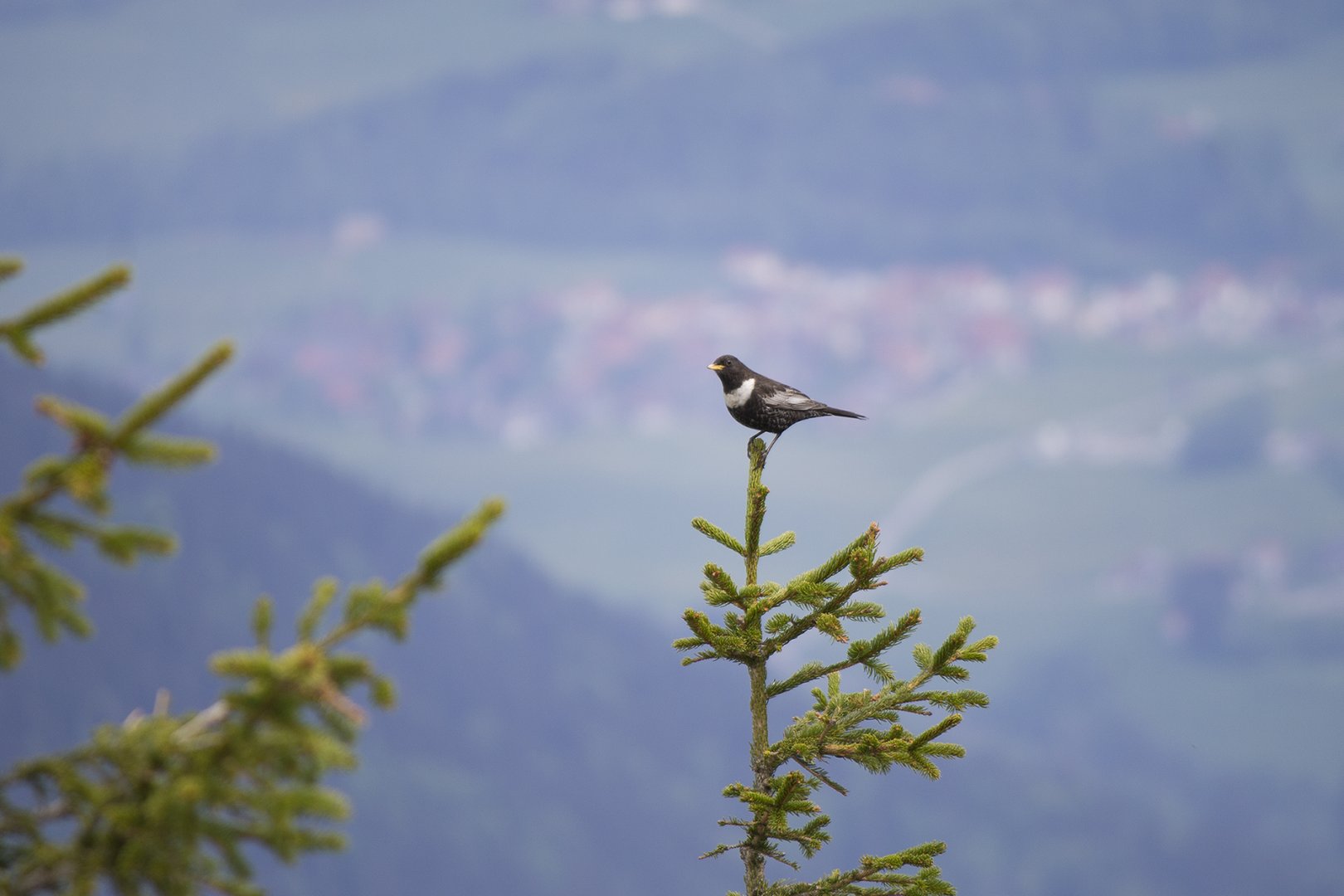
I have uploaded a picture of the alpine subspecies of ring ouzel (Turdus torquatus alpestris) to the German wildlife gallery.

Orange-banded Thrush (Geokichla peronii)
The range of this species extends throughout Timor and surrounding islands of the eastern Lesser Sundas.
Two subspecies recognised:
G. p. peronii
G. p. audacis
No photographs of this species are present in the Zoochat gallery.


Russet-tailed Thrush is now in the Zoochat gallery. This wild bird was photographed on the Sunshine Coast feeding among the leaf litter in a Tasmanian Devil enclosure of all places at a local zoo: Russet-tailed Thrush (Zoothera heinei) - ZooChatRusset-tailed Thrush (Zoothera heinei)
The range of this species extends patchily throughout eastern Papua New Guinea and the Bismarck Archipelago, and south throughout eastern Australia as far as northeast New South Wales; a disjunct population exists on Choiseul in the Solomon Islands.
Four subspecies recognised:
Z. h. eichhorni
Z. h. papuensis
Z. h. choiseuli
Z. h. heinei
No photographs of this species are present in the Zoochat gallery.
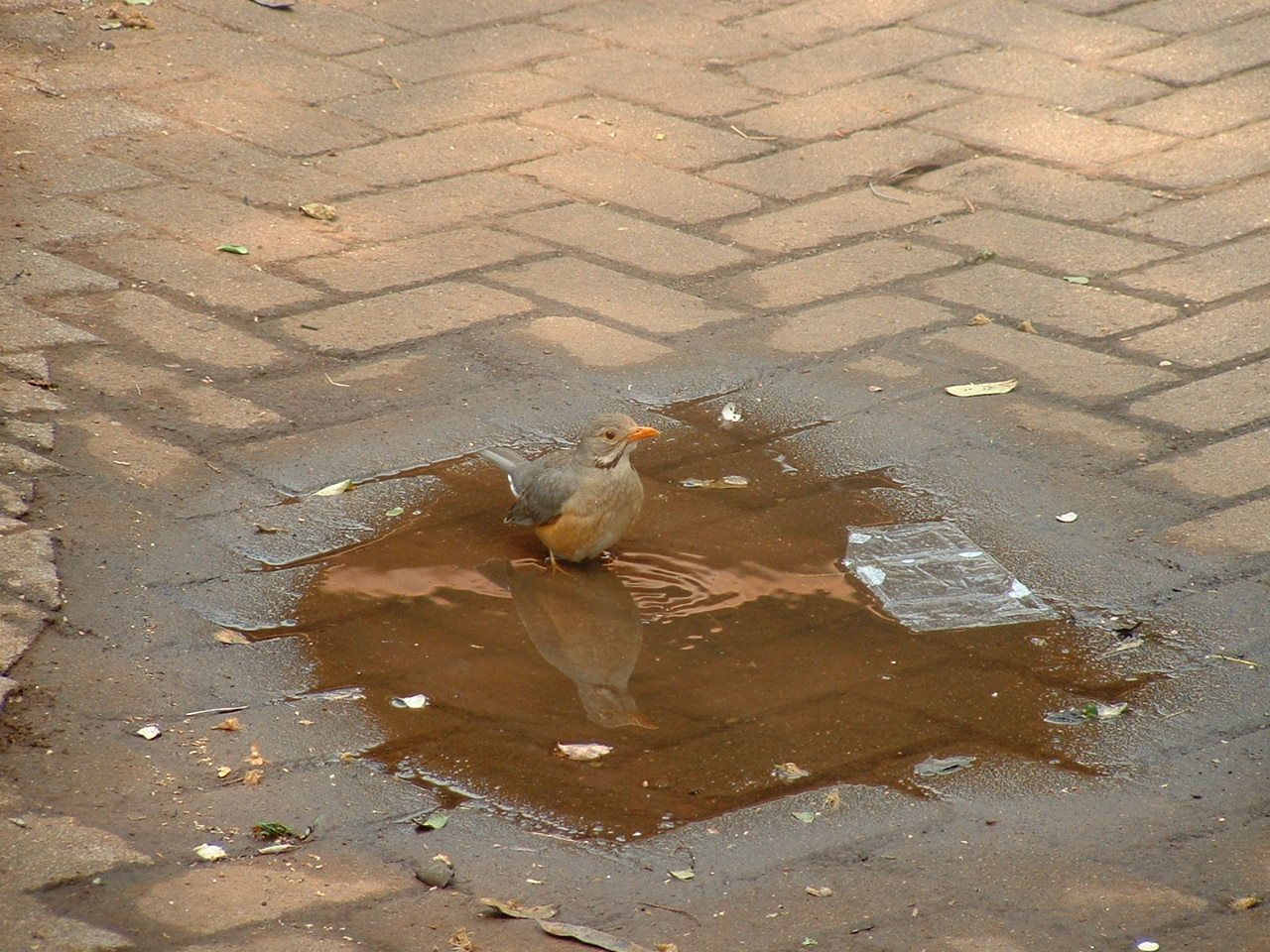
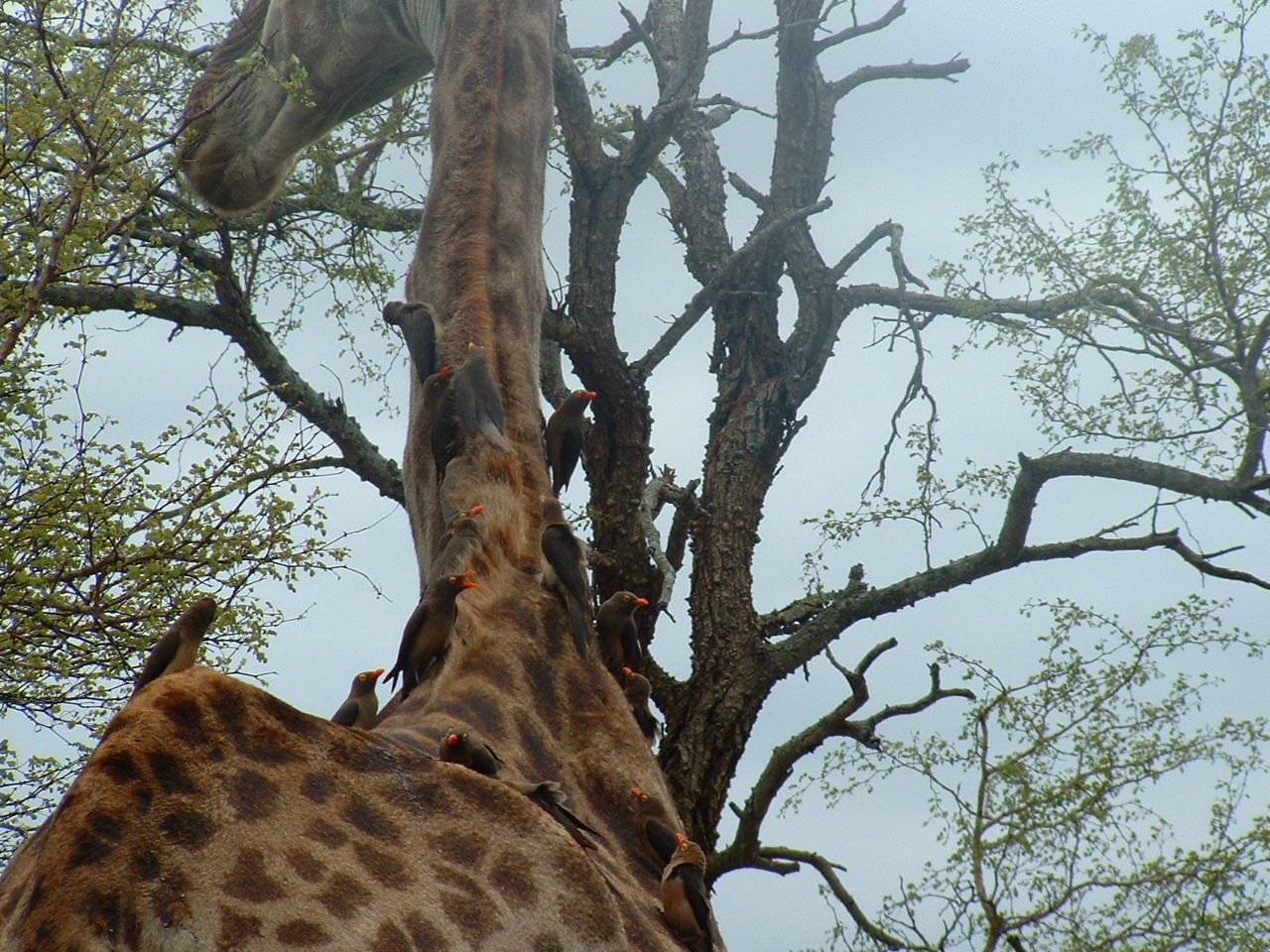
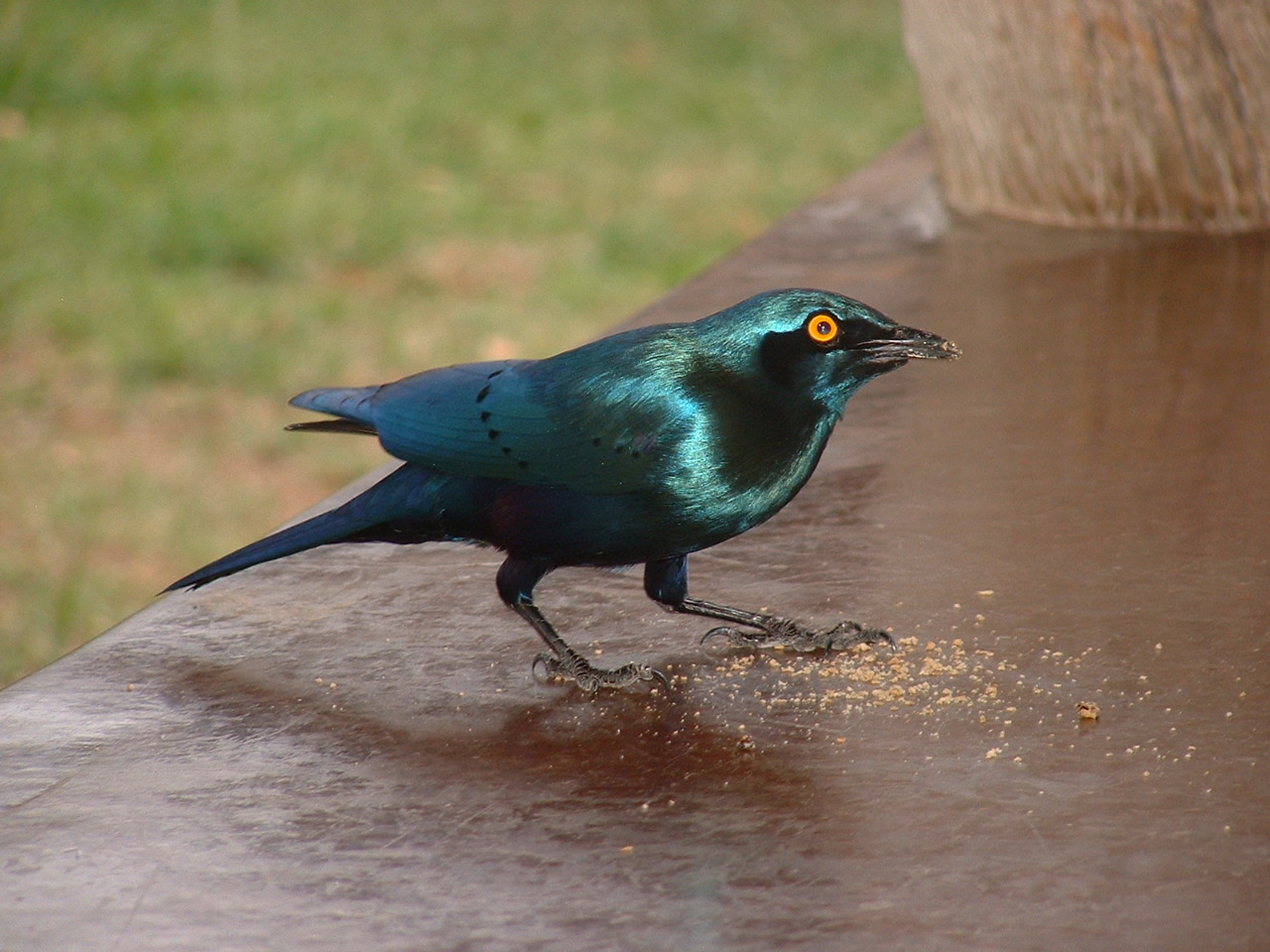
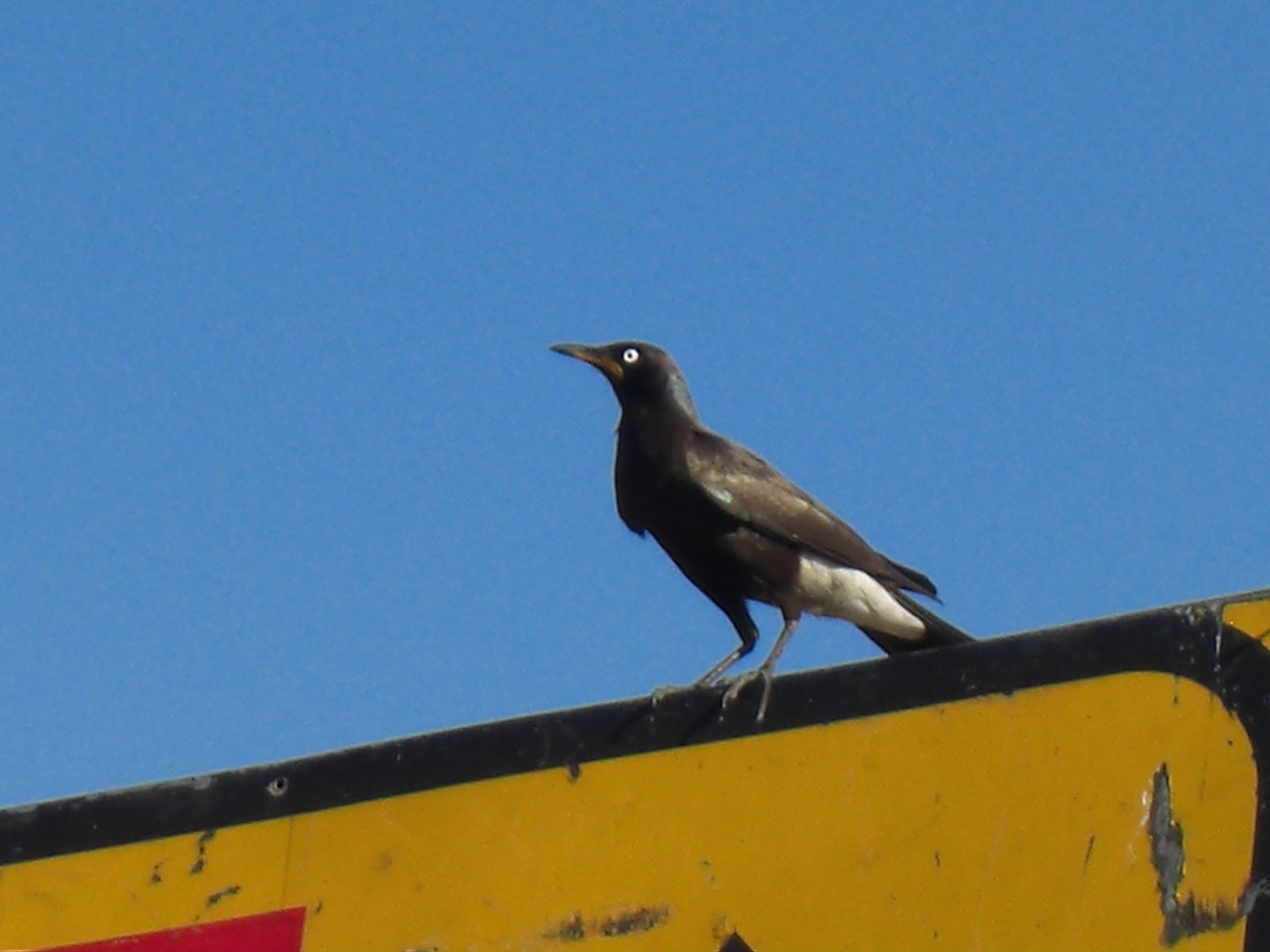
African Thrush (Turdus pelios)
The range of this species extends throughout sub-Saharan Africa, from Senegal in the west to Eritrea and Ethiopia in the east, and south as far as northwest Angola in the west and northern Zambia in the east; absent from coastal east Africa and the central Congo Basin.
Nine subspecies recognised:
T. p. chiguancoides
T. p. saturatus
T. p. pelios - photo by @jayjds2

T. p. centralis - photo by @ronnienl

T. p. bocagei
T. p. nigrilorum
T. p. poensis
T. p. graueri - photo by @Hix

T. p. stormsi
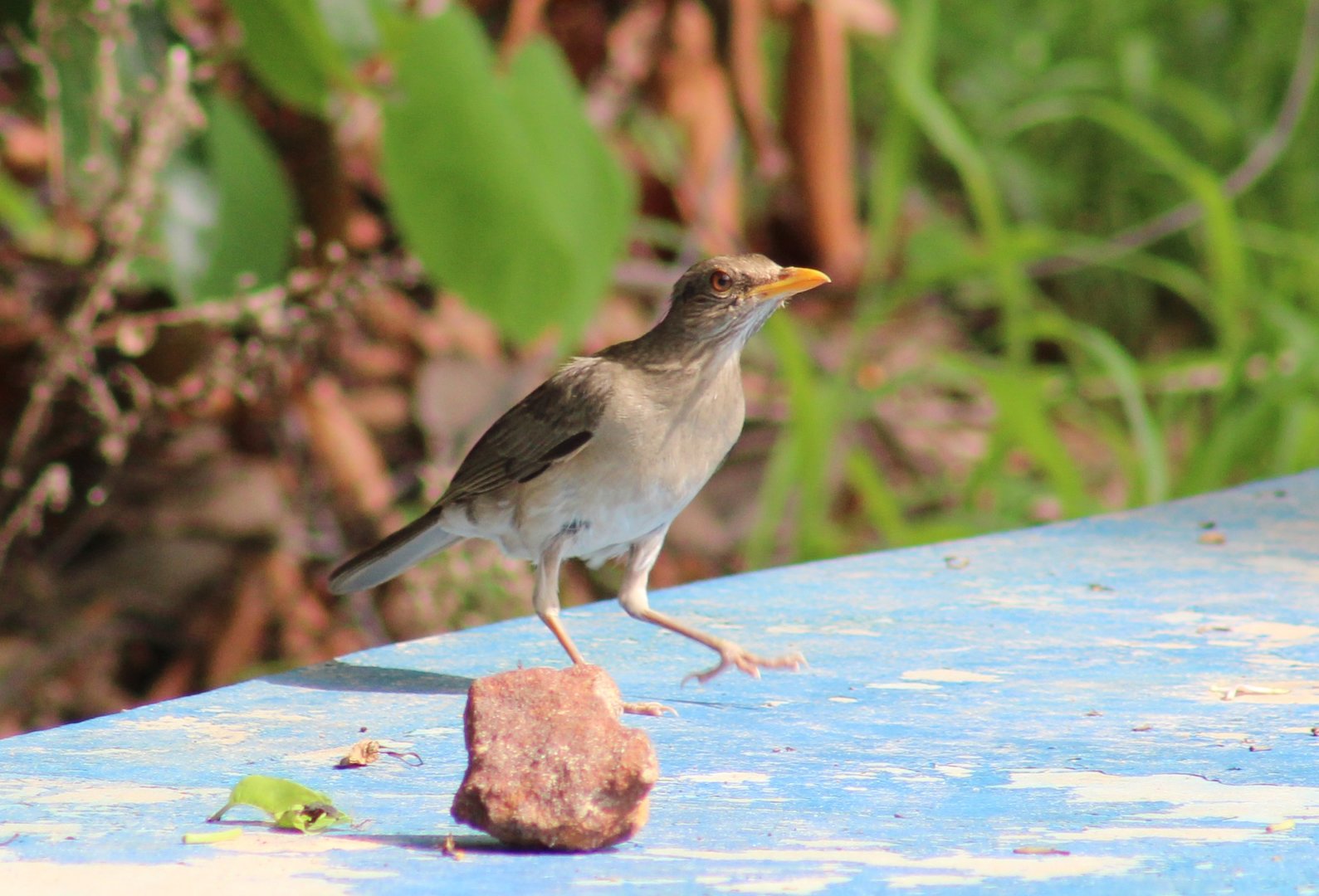

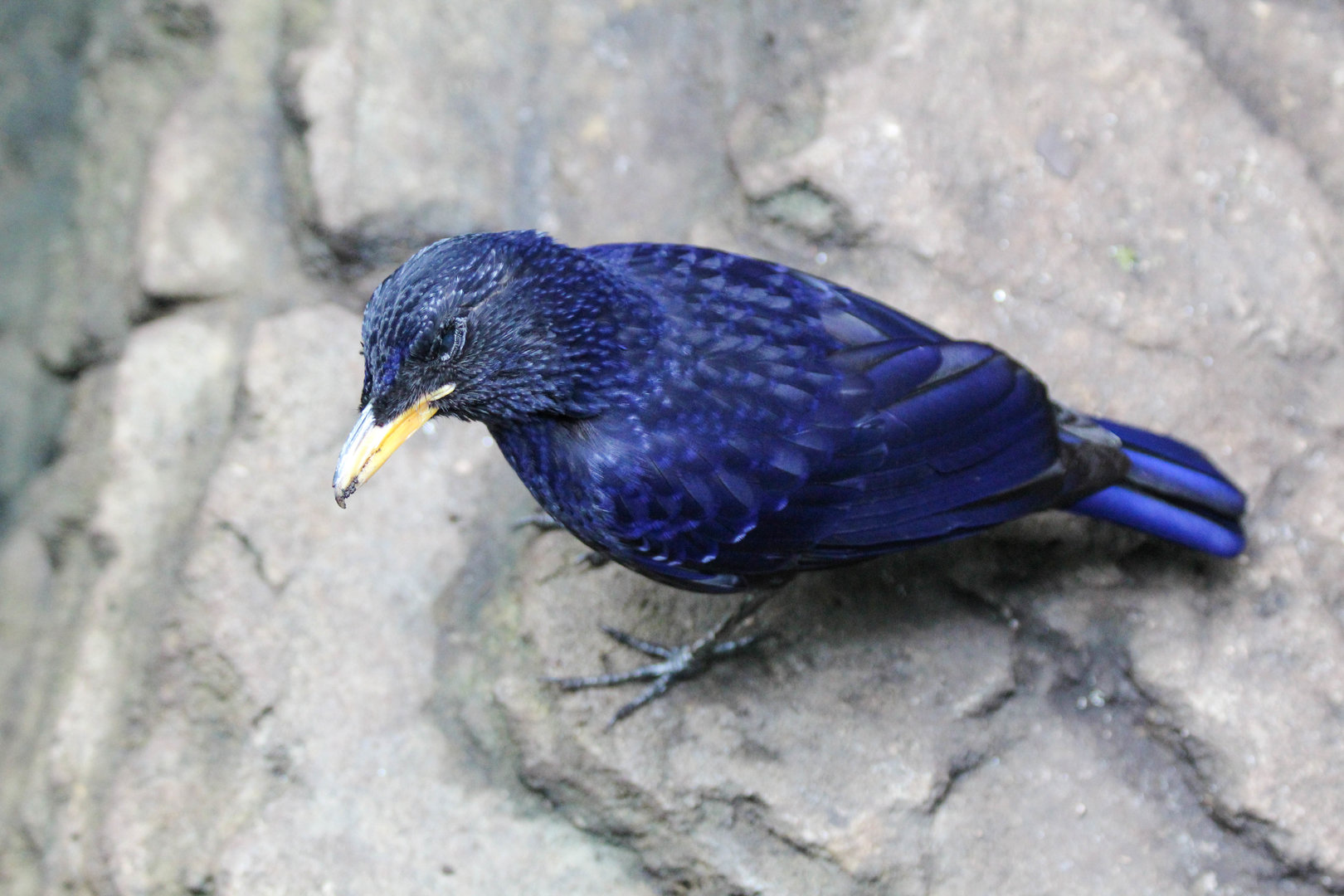
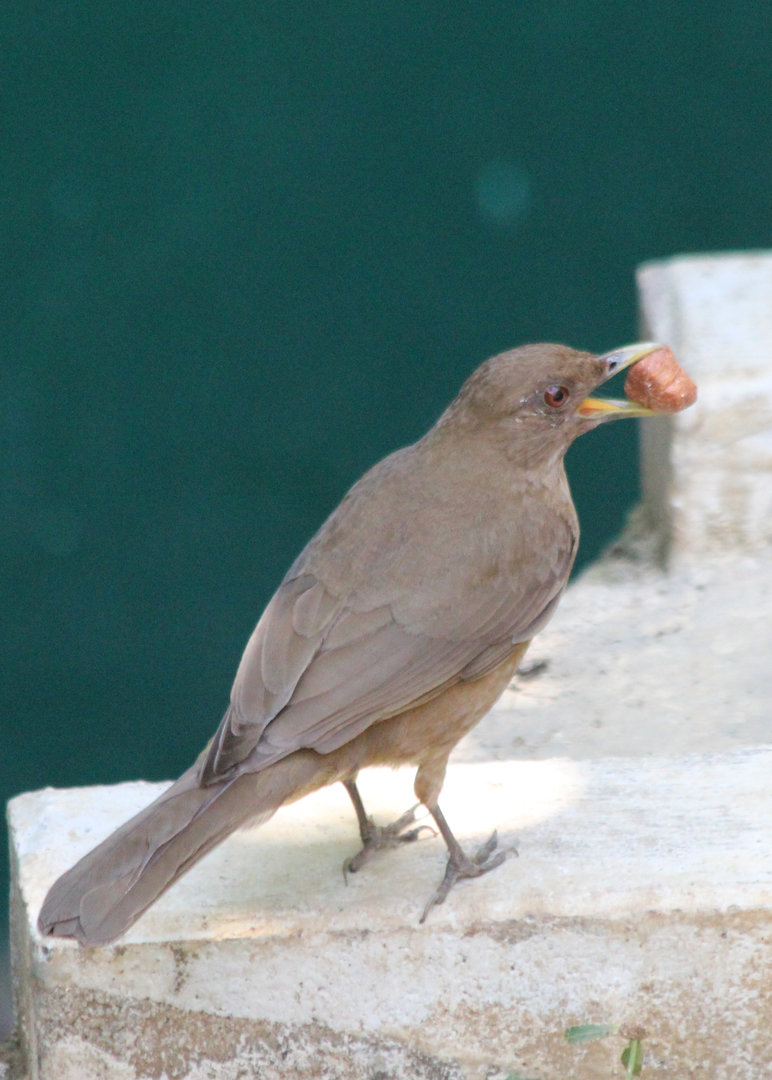
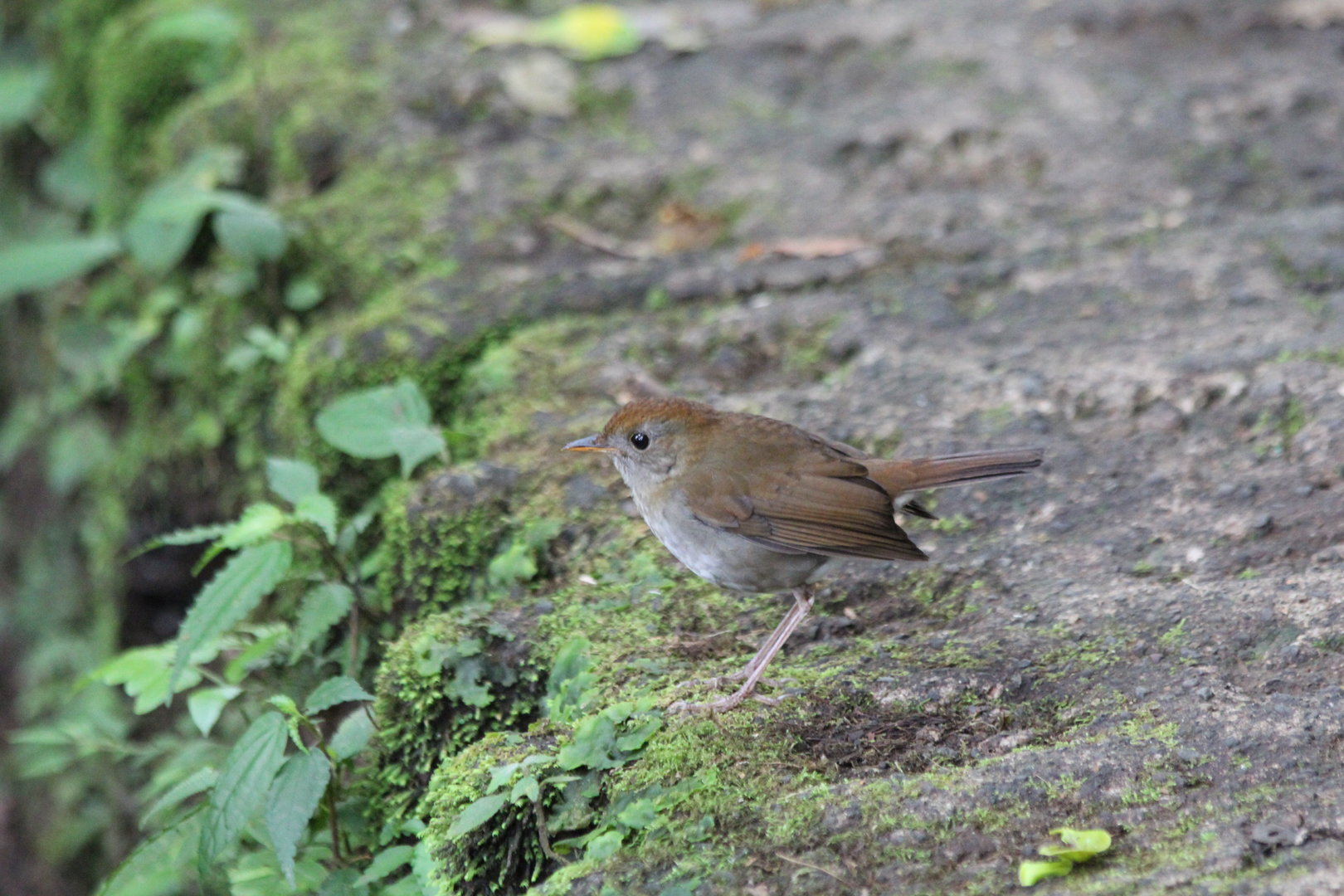
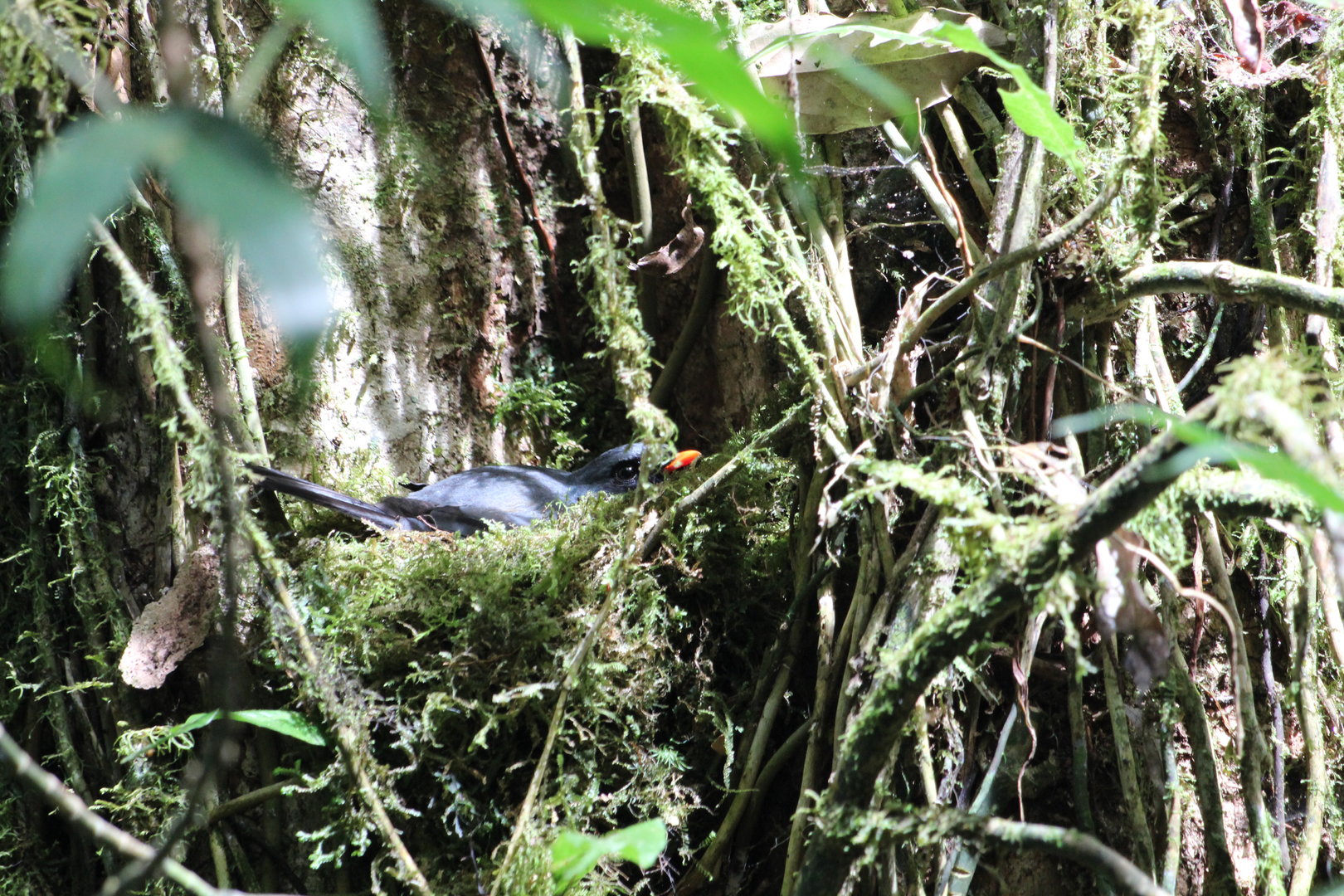

Orange-headed Thrush (Geokichla citrina)
The range of this species extends across much of southern and southeast Asia, from the Himalayas of northern Pakistan in the west to east-central China in the east, and south into Peninsular India and Indochina, and patchily into the Andaman and Nicobar Islands and Greater Sundas; populations across much of northeast India, Bangladesh and northwest Myanmar are winter visitors, as are populations in Peninsular Malaysia and Sri Lanka.
Eleven subspecies recognised:
G. c. citrina
G. c. cyanota - photo by @Writhedhornbill

G. c. gibsonhilli - photo by @Chlidonias

G. c. innotata - photo by @LaughingDove

G. c. melli - photo by @ro6ca66

G. c. courtoisi
G. c. aurimacula
G. c. andamanensis
G. c. albogularis
G. c. aurata
G. c. rubecula
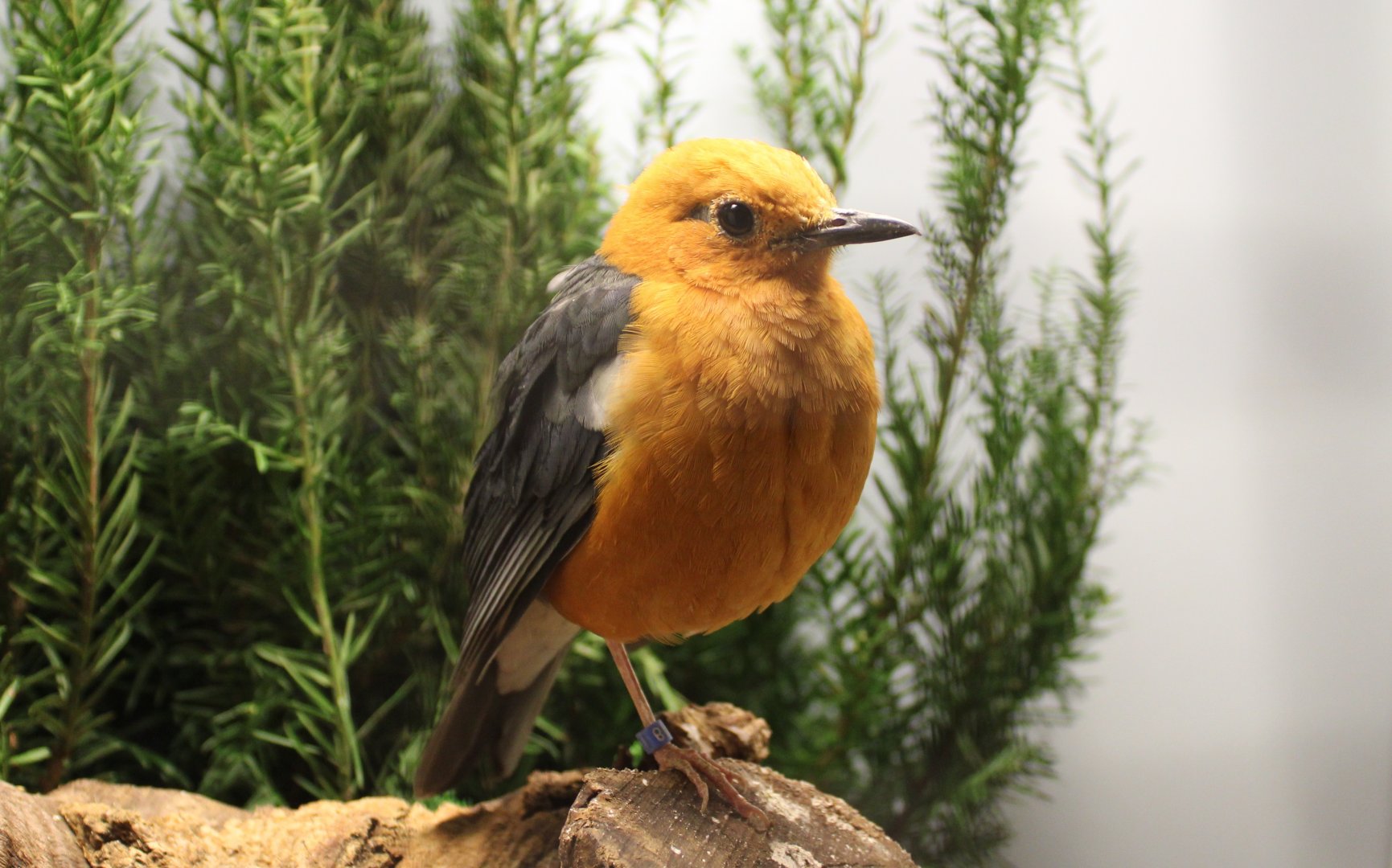
Chestnut Thrush (Turdus rubrocanus)
The range of this species extends throughout the Himalayas from the Afghan-Pakistan border in the west to northern Myanmar and southern China in the east, north from here throughout the Tibetan Plateau and central China, and patchily south of here into Indochina; the portion of the range extending through the central and eastern Himalayas and Indochina represent wintering or otherwise non-breeding populations.
Two subspecies recognised:
T. r. rubrocanus
T. r. gouldii
No photographs of this species are present in the Zoochat gallery.