Zoo Collection and Exhibits "Anteaterman's Ark #2"

Anteaterman

Well-Known Member
5+ year member
Here is another idea for a zoo that I have come up with. The following areas of the world are mainly focused on in this zoo:
  • Africa
  • Asia (Malaysia, specifically)
  • South America (The Amazon Rainforest, specifically)
  • The Pacific Islands (New Zealand, Hawaii, Papua New Guinea, Fiji, and Australia)
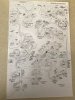
Here is the zoo map:
AA2.jpg
(The reason why I have not fully colored it is so people can make suggestions for adding animals and exhibits to the zoo.)

Exhibit Areas:
  • Penguin Beach (and Large Aviaries)
  • Children's Zoo
  • World of Birds
  • World of Reptiles
  • Amazonia Walk
  • Leopards
  • Malaysian Rainforest
  • Congo Gorilla Forest
  • Elephants
  • Giraffes
  • Africa Valley
  • Into Madagascar
  • Land of the Lion Pride
  • Roo Country (Hipporex, I liked the name you gave the Australian area in your plan for the Sacramento Zoo, so I thought I'd use it for this zoo.)
  • Expedition Pacific Islands
 

Attachments
  • AA2.jpg
    AA2.jpg
    123.3 KB · Views: 62
Last edited:
When you first enter the zoo, you will arrive in the Entrance Plaza. Here, you can find the Discovery Center (for zoo camps) and the safari gift shop. There is also a memorial of a Rhino made of bronze. On the map, it is titled "Robert Memorial." This is because the memorial was made to remember the Northern White Rhino named Robert who was rescued from illegal poachers and brought to the zoo. He lived in what is now the giraffe habitat (more on that later), and continued to live at the zoo until he died of old age. After you pass through the booths to get a zoo map, you enter the zoo.
 
The first exhibit area is slightly newer, and is known as the Penguin Beach. It features underwater viewing for the Humboldt Penguins that occupy the exhibit, or it can be viewed from an elevated platform, where you can see the Penguins on land. Across from the elevated platform are 3 large mesh aviaries, each containing one species each.
Animals:
  • Humboldt Penguin
  • Maguari Stork
  • Crested Caracara
  • Red Tailed Hawk
 
Last edited:
The next exhibit area consists of new and old exhibits, and is known as the Children's Zoo. The first section of this area is newer, and replaced a short trail with wire enclosures for animals like Parrots, Ocelots, and Coatimundis. This new area is sometimes known as the "Nature Trail" and features exhibits for small mammals. This includes two small dirt yards, one for Porcupines and Meerkats, and the other for Aardvarks and Mongooses. A habitat for Coatimundis consists of two small grassy yards with climbing structures, connected by an artificial branch going over the walkway. The Coatis are unable to escape their exhibits due to the height of the branch. This exhibit also features an indoor area for the Coatis, which they can access via a small tunnel. The older area of this exhibit is the Farmyard exhibit, with features several paddocks for animals like Goats, Sheep, Pigs, Llamas, Alpacas, and Chickens.
Animals:
  • Slender Tailed Meerkat
  • African Crested Porcupine
  • Yellow Mongoose
  • Aardvark
  • Brown Nosed Coatimundi
  • Southdown Sheep
  • Nubian Dwarf Goat
  • Vietnamese Pot Bellied Pig
  • Llama
  • Alpaca
  • Sussex Chicken
 
The next exhibit area consists of exhibits housing only birds, and is known as the World of Birds. When the exhibit begins, you enter the Bird House. Here is a map of the Bird House's interior:
IMG_3446.jpg
While the Bird House isn't very large, it still houses quite a collection of birds. Six alcoves in the walls with mesh covering the viewing space are home to several bird species, including Owls, Tanagers, Parrots, Ibises, and Herons. An outdoor aviary with mesh viewing inside the building is home to hornbills, and a small walkthrough aviary at the exit is home to Sun Conures. Part of the zoo's master plan includes expanding the Bird House so that it can house more species. Once you exit the Bird House, you will pass by two small aviaries, home to Hornbills and Doves. The Café Cockatiel features many different kinds of foods, including Cockatiel-shaped popsicles. Next up in this area is the Lorikeet Loft. A large aviary housing five species of Lorikeets and Lories. There is a small stand outside that sells sugar water to feed the birds. The final exhibits in this area are the oldest, but they remain in good shape. The Flamingo lagoon can be viewed from an elevated platform, or from the Conservation Carousel. Five mesh aviaries across from the lagoon are home to North American Native Birds, like Owls, Vultures, Hawks, Egrets, and the endangered Thick Billed Parrot.
Animals:
  • White Faced Scops Owl
  • Turquoise Tanager
  • Blue Crowned Hanging Parrot
  • Vulturine Guineafowl
  • Lady Ross's Turaco
  • Wrinkled Hornbill
  • Scarlet Ibis
  • Black Crowned Night Heron
  • Sun Conure
  • African Red Billed Hornbill
  • Luzon Bleeding Heart Dove
  • Rainbow Lorikeet
  • Red Lory
  • Black Lory
  • Black Capped Lory
  • Blue Lorikeet
  • Caribbean Flamingo
  • Southern Crested Screamer
  • Great Horned Owl
  • Turkey Vulture
  • Harris' Hawk
  • Great Egret
  • Thick Billed Parrot
 

Attachments

  • IMG_3446.jpg
    IMG_3446.jpg
    82.3 KB · Views: 63
The next area only consists of the zoo's large Reptile House. It is known as the World of Reptiles. Here is a map of the Reptile House's interior:
IMG_3447.jpg
The Reptile House is quite small, and doesn't house a large collection of reptiles. Another part of the zoo's master plan is to expand the Reptile House so that it can hold more species in larger habitats. When you first enter the Reptile House, there is an octagon-shaped structure in the center of the building. It features for terrariums, each housing one species in each. On the corners of the building, there are four large exhibits with glass viewing windows. The expansion of the Reptile House would provide the Komodo Dragons and Gharials with large outdoor yards with plenty of space to move around. The Anacondas and Goliath Frogs would get larger habitats, but still located inside the Reptile House. In between these exhibits are three rectangular terrariums, holding one species in each.
Animals:
  • Tokay Gecko
  • Puerto Rican Boa
  • Green Tree Python
  • Mata Mata Turtle
  • Black Tree Monitor
  • Madagascar Day Gecko
  • Yellow Spotted Amazon River Turtle
  • Komodo Dragon
  • Indian Gharial
  • Goliath Frog
  • Yellow Anaconda
 

Attachments

  • IMG_3447.jpg
    IMG_3447.jpg
    63.8 KB · Views: 59
The next area is one of the newest exhibits at the zoo, and consists of an elevated walkway winding through a rainforest. Mist systems give the impression that a light rainfall is happening in the jungle, and they also cool you down on hot summer days. This area is known as the Amazonia Walk. When you begin the trail, there is a grassy yard connected to a small barn. This habitat is home to Guanacos and Peccaries, but the species rotate. On odd numbered days of the month, the Guanacos get the habitat, and on even numbered days, the Peccaries get the habitat. Another grassy yard with a moat is connected to the same barn, and holds the same species. Across from the first habitat are four glass windows looking into crystal clear waters. The windows are embedded into an artificial rock wall with fake roots growing out of it. This habitat is home to Otters, and they can also be viewed from the elevated walkway that begins nearby. The next habitat consists of a moat, as well as a grassy land space with trees and rocks. The Jaguars that occupy this exhibit can cool down in the summer sun in the water, or sunbathe on the rocks. The next habitat is much like the Jaguar's, but with less rocks and more trees. It too has a moat, which serves as a swimming area for the Giant Anteaters and Capybaras that live in this habitat. A new addition to this habitat are several Patagonian Maras, which can be seen most often running through the green grass throughout this exhibit. Next up is a large mesh enclosure, with many branches and leaves up high, and lush ground foliage below. It is home to Saki Monkeys, Toucans, and Tamanduas. The next habitat is almost identical to the Anteater's and Capybara's, but is instead home to Brazilian Tapirs. A large mesh enclosure, similar to the one housing Tamanduas, Toucans, and Saki Monkeys, is slightly smaller and home to Sloths. The next exhibit is made up of a massive walkthrough aviary, and is home to many species of South American birds, along with Tamarins and Agoutis. The next and final exhibits are two large mesh enclosures, each with climbing structures and foliage. Howler Monkeys occupy one, while Spider Monkeys occupy the other.
Animals:
  • Guanaco
  • Chacoan Peccary
  • Giant Otter
  • Jaguar
  • Giant Anteater
  • Capybara
  • Patagonian Mara
  • Brazilian Tapir
  • Southern Tamandua
  • Keel Billed Toucan
  • White Faced Saki Monkey
  • Southern Two Toed Sloth
  • Andean Goose
  • Black Bellied Whistling Duck
  • Black Necked Swan
  • Blue and Gold Macaw
  • Brazilian Teal
  • Chiloe Wigeon
  • Elegant Crested Tinamou
  • Flying Steamer Duck
  • Green Winged Macaw
  • Great Curassow
  • Hyacinth Macaw
  • Lesser Magellan Goose
  • Muscovy Duck
  • Military Macaw
  • Orinoco Goose
  • Puna Teal
  • Ringed Teal
  • Roseate Spoonbill
  • Scarlet Ibis
  • Scarlet Macaw
  • Sharp Winged Teal
  • White Faced Whistling Duck
  • Yellow Naped Amazon
  • Red Rumped Agouti
  • Golden Lion Tamarin
  • Black Lion Tamarin
  • Red Howler Monkey
  • Colombian Brown Spider Monkey
 
The next area consists of the renovated Feline House and Feline Grottoes. The extremely outdated rock grotto walls have been knocked down, giving the inhabitants more space, and an entire grotto was rebuilt into an indoor area for demonstrations. The area is now known as Leopards. The seven grottoes were very outdated, made entirely out of artificial rock, with no grass, dirt, or anything. The only entertainment for the animals would be swimming in a small oval-shaped pool in the center of each grotto. During renovation, the walls of the grottoes were knocked down, making two large grottoes. Grass and dirt replaced the rock ground, and the feline house was spruced up. An older mesh enclosure (once home to Servals) was renovated to serve as a separate habitat for the Leopards. An overhead tunnel connects this enclosure to the indoor habitat for the Leopards. The habitats now have glass in front of the viewing space, mainly to provide more safety from the Leopards, as the only protection there really was before was the deep moat in front of the habitat.
Animals:
  • Amur Leopard
 
The next area is similar to the Amazonia Walk, but instead of plants and animals you would find in the Amazon Rainforest, you will instead find species that would live in a Malaysian Rainforest. Much like the Amazonia Walk, this area's species can be viewed from an elevated walkway. Lots of rainforest trees grow throughout the habitats, and mist systems are installed around the habitat. Starting the trail at the Leopards exhibit, the first exhibit you will find is the Malaysian Aviary, home to many species of birds you would find in the Asian Tropics. Nearby, A grassy habitat with climbing structures and a water-filled moat is home to Sun Bears. The exhibit wraps around a mesh enclosure, also with climbing structures and foliage, home to endangered Pangolins. Continuing the trail, you will find another mesh enclosure with a water system for swimming. The exhibit is home to Crab-Eating Macaques, who are given crabs to eat for enrichment. The next two exhibits are connected using a rope system above the visitor walkway. The inhabitants (which are Siamangs and Orangutans) also have access to the Orangutan House, a building that, while not being directly part of the trail, is still included as a part of the area. It features an indoor habitat for the apes, a small habitat with tropical foliage for Mouse Deer, and indoor viewing for a nearby mesh enclosure. The next habitats are both mesh enclosures, with many climbing structures and foliage. The largest of the two is home to Proboscis Monkeys, while the smaller one is home to Rhinoceros Hornbills. (The Hornbill exhibit has indoor viewing in the Orangutan House.) The next habitat is made up of a large grassy habitat with a pool for swimming. The exhibit is divided in two by a tall fence, although the species that occupy the exhibits can interact through the fence. One half of the exhibit houses Malayan Tapirs, while the other holds Gaurs. The next and final habitat is one of the largest exhibits at the zoo, and features grassy habitats for sunbathing, a large pool for swimming, and rocks for climbing. Glass windows allow you to get up close with the species living in the exhibit, which are Malayan Tigers.
Animals:
  • Golden Crested Myna
  • Orange Bellied Leafbird
  • Collared Finchbill
  • White Breasted Kingfisher
  • Pink Necked Green Pigeon
  • Malay Great Argus Pheasant
  • Fawn Breasted Bowerbird
  • Indian Pygmy Goose
  • Metallic Pigeon
  • Bali Mynah
  • Metallic Starling
  • Fairy Bluebird
  • White Eared Catbird
  • Victoria Crowned Pigeon
  • Wompoo Fruit Dove
  • Eclectus Parrot
  • Dollarbird
  • Malayan Sun Bear
  • Sunda Pangolin
  • Crab-Eating Macaque
  • Siamang
  • Bornean Orangutan
  • Rhinoceros Hornbill
  • Java Mouse-Deer
  • Proboscis Monkey
  • Malayan Tapir
  • Gaur
  • Malayan Tiger
 
The next area is a loop pathway through a forested area of the zoo. Tropical African foliage grow near the walkways in the area known as the Congo Gorilla Forest. Going left at the start of the loop trail, you will find a large mesh enclosure home to Congo Peafowl. Continuing the trail, you will find a Grassy yard with ground plants and some muddy areas. This habitat is home to Red River Hogs, and can be viewed at a different point on the trail along with this one. Next up is the highlight of the Gorilla Forest. A spacious grassy habitat with a water-filled moat, rocks, trees, and shade is home to Lowland Gorillas. You can either view them at a distance from the outdoor viewing space, or view them up close through glass windows at the indoor viewing area. The final exhibit on the trail features a small water system, lots of trees for shade, and lush grass. This mixed-species exhibit is home to Cranes, Duikers, and Endangered Okapis.
Animals:
  • Congo Peafowl
  • Red River Hog
  • Western Lowland Gorilla
  • Okapi
  • Blue Crane
  • Black Duiker
 
The next area is the second largest habitat at the zoo, and features only one species of animal: Elephants. The habitat has gone through many renovations over the years, such as expanding the Elephant's pool, regrowing the grass, planting more trees, and more. Now, the habitat caters to most of an Elephant's needs. However, the zoo is planning on moving the Elephants to the massive Asian & African Animal Park (New thread coming soon) located in the country on 700 acres, to give them more space to roam and swim. The planning is almost complete, and soon the Elephants will be transported to their new home on 20 acres of the massive park.
Animals:
  • African Bush Elephant
 
The next area was once home to the zoo's Northern White Rhino, who passed away in 2013. It now serves as a secondary habitat for the zoo's Giraffes. The habitat features lush grass, along with Acacia Trees for the Giraffes to eat. A large, water-filled moat that features a filtration system was once used for Rhinos to drink and swim, but it is now primarily used as the Giraffe's water. The Giraffe House is not open to visitors, but it provides a good indoor space for the Giraffes. The exhibit is connected to the Africa Valley exhibit, so the giraffes can have more space to roam. A large mesh enclosure nearby is home to five species of African birds.
Animals:
  • Rothschild's Giraffe
  • Speckled Pigeon
  • Blacksmith Plover
  • African Grey Parrot
  • Spur Winged Plover
  • African Black Duck
 
Last edited:
The next area consists of a large, lush valley with a long pool of water at the center. Trees are scattered around the valley, and Antelope, Zebras, Cranes, Ostriches, Giraffes, Storks, and Waterbuck roam the open space. This massive grassland is called the Africa Valley. The valley can be viewed from two observation decks, which have binoculars to see to the farthest parts of the valley. Although the main part of this habitat is the valley, another part of the area has several African species as well. This part of the area features an elevated walkway to view Rhinos, Hippos, Chimpanzees, and Mandrills. Glass windows allow you to see the primates up close. The Hippo and Rhino exhibits both have large pools for swimming. The Valley Aviary features several species of African Waterfowl.
Animals:
  • Defassa Waterbuck
  • Rothschild's Giraffe
  • Eastern Yellow Backed Duiker
  • West African Crowned Crane
  • Common Ostrich
  • Damara Zebra
  • Marabou Stork
  • Hippopotamus
  • African Cichlid
  • Southern White Rhino
  • Chimpanzee
  • Mandrill
  • African White Backed Duck
  • Cape Teal
  • African Yellow Billed Duck
  • Garganey
  • Hartlaub's Duck
  • Madagascar Teal
 
The next area consists of a large building with two large indoor habitats. Climbing structures wind throughout the exhibits, and lush Madagascar foliage grows from the ground. This building is known as Into Madagascar. The first exhibit is an indoor space with glass viewing windows. It is home to Fossas, who also have access to a mesh enclosure outside, which is off-view to visitors. The next exhibit in the building is very similar to the Fossa's, but with more climbing structures. It is home to Lemurs. The next and final exhibit in this area is a mesh enclosure outside, which has lots of Madagascar foliage and climbing structures. It serves as the outdoor habitat for the Lemurs.
Animals:
  • Fossa
  • Ring Tailed Lemur
  • Red Ruffed Lemur
 
The next exhibit is the final part of the African animals area, and is home to the zoo's lion pride. The area is called the Land of the Lion Pride. The first exhibit is home to Lions, and it has a large grassy hill surrounded by a dry moat, with trees for shade and rocks for sunbathing. It can be viewed from outside on an observation deck or inside the main building. Once inside the main building, you can see the Lions up close through glass windows. Two identical exhibits are nearby, and they can only be viewed from the main building. The larger of the two is home to Cheetahs, while the other is home to Painted Dogs. In the center of the building is a rocky space with sand, viewed through glass windows. The exhibit is open air, but mesh covers the top of the exhibit. Meerkats live inside the exhibit, with this group being larger than the one in the Children's Zoo. Outside the main building is a grassy yard with ground plants that can be viewed through glass windows. Warthogs occupy the exhibit, but they can also access a secondary habitat that is smaller by passing through a rocky cave structure.
Animals:
  • Transvaal Lion
  • South African Cheetah
  • African Painted Dog
  • Slender Tailed Meerkat
  • Common Warthog
 
The next area begins a journey through the Pacific Islands, starting with Australia in an exhibit called Roo Country. This area repurposes an older African Habitat that was lacking in quality. All of the Antelope and Bird species that occupied these exhibits were moved to the Asian & African Animal Park. The area begins with a small elevated walkway looking into a forested space. Newly grown Australian plants replace the African foliage in this exhibit, which used to be home to Cranes and Ducks. The habitat is now home to Echidnas and Tree Kangaroos. The next exhibit is a repurposed Addax yard. An elevated walkway winds through the habitat where Kangaroos live on one side, and Emus live on the other. The next exhibit is a mesh enclosure once home to Fennec Foxes, but is now home to Kookaburras. The next exhibit is viewed through glass windows. Australian plants grow throughout, and Tasmanian Devils run around the dirt and grass. The next exhibit is home to Koalas. Short trees serve as climbing structures for the Koalas, and Eucalyptus leaves are hung on the branches. The Koalas have access to an indoor habitat with climbing structures. The next exhibit is almost identical to the Tasmanian Devils', but smaller. Numbats call this exhibit home, and they also have access to the Australian Nocturnal House, despite being most active during the day. Also inside the Nocturnal House are Brush Tailed Bettongs and Sugar Gliders.
Animals:
  • Short Nosed Echidna
  • Matschie's Tree Kangaroo
  • Red Kangaroo
  • Emu
  • Laughing Kookaburra
  • Tasmanian Devil
  • Queensland Koala
  • Numbat
  • Brush Tailed Bettong (Woylie)
  • Sugar Glider
 
The next area is one of the newest exhibits at the zoo, and continues your journey through the Pacific Islands, this time in Papua New Guinea, Hawaii, Fiji, and New Zealand. This is Expedition Pacific Islands. The area begins in Papua New Guinea, where two large mesh enclosures with lots of foliage and climbing structures are home to Echidnas and Cuscus. An extensive lake going the entire area features three islands home to wild waterfowl and Snapping Turtles. The next area is Hawaii. An island separated from the main lake is home to Hawaiian Geese. A mesh enclosure nearby with Hawaiian foliage is home to Hawaiian Hawks. A smaller mesh enclosure with a small pond is home to Hawaiian Ducks. The next area is Fiji, which only features one exhibit: a large mesh enclosure home to Fijian Flying Foxes. The final area of the Pacific Islands exhibit is New Zealand. Two Mesh enclosures are located across from a water animal exhibit. One is home to Keas, and the other home to Swamphens. The water animal exhibit across from these features a massive pool for swimming, and a sandy/rocky habitat for resting and sunbathing. It is home to New Zealand Sea Lions.
Animals:
  • Long Nosed Echidna
  • Mountain Cuscus
  • New Guinea Snapping Turtle
  • Hawaiian Goose (Nēnē)
  • Hawaiian Hawk ('io)
  • Hawaiian Duck (Koloa)
  • Fijian Flying Fox
  • Kea
  • Australasian Swamphen
  • New Zealand Sea Lion
 
Back
Top