Hipporex's Guide to Interesting and Unique Prehistoric Fauna

You know, the more you learn and read about prehistoric fauna, the more you notice you have mixed feelings about these fascinating extinct creatures.

Some at least I feel would be really cool to still around and to still be able to watch (like, say, the giant rodents or the giant kangaroo) but some are scary as hell and I feel we're pretty lucky to not have those creature around anymore - say, giant otters that peel crocodiles.

In any case, thank you very much Hipporex, for introducing us to these creatures and doing all the efforts to inform us so well about them.
 
Guess what: On World Otter day this year, Oscar Otte played Roger Federer in tennis and lost miserably....

PS- I subbed to you. :)
You know, the more you learn and read about prehistoric fauna, the more you notice you have mixed feelings about these fascinating extinct creatures.

Some at least I feel would be really cool to still around and to still be able to watch (like, say, the giant rodents or the giant kangaroo) but some are scary as hell and I feel we're pretty lucky to not have those creature around anymore - say, giant otters that peel crocodiles.

In any case, thank you very much Hipporex, for introducing us to these creatures and doing all the efforts to inform us so well about them.
Thanks!

When you've created an educational thread about one of your favorite subjects and it seems that a lot of your fellow Zoochatters are enjoying it:
32a6pm.jpg
 
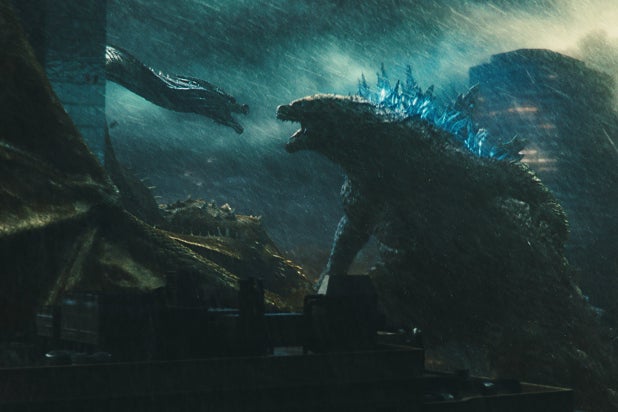
NUMBER SEVENTY-THREE: Saw Godzilla: King of the Monsters last night. It certainly has its problems but if you just want to see a fun giant monster/destruction film, I recommend it.

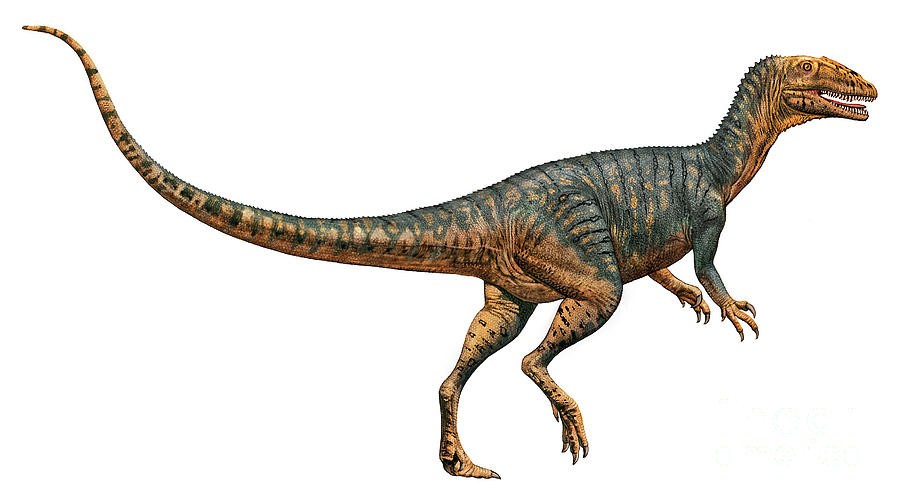
gojirasaurus-dinosaur-sergey-krasovskiy_51ee.jpg

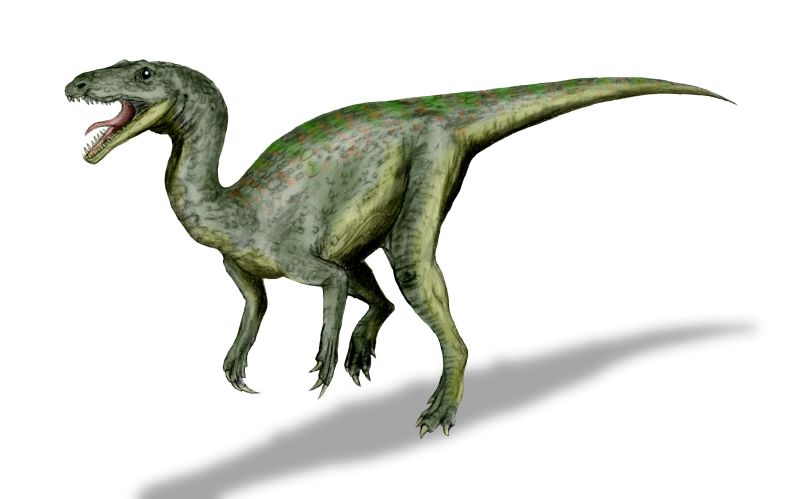
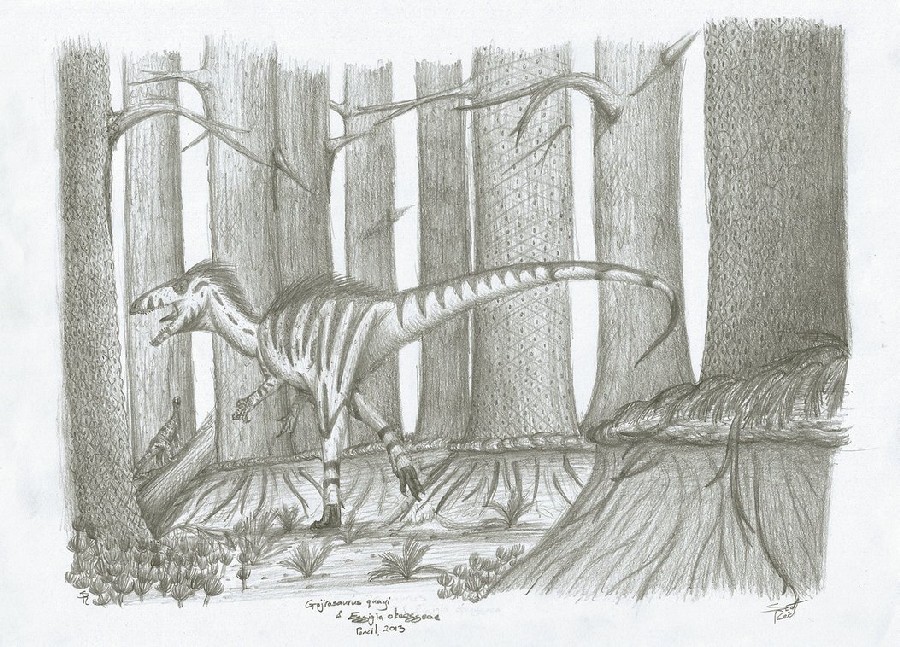
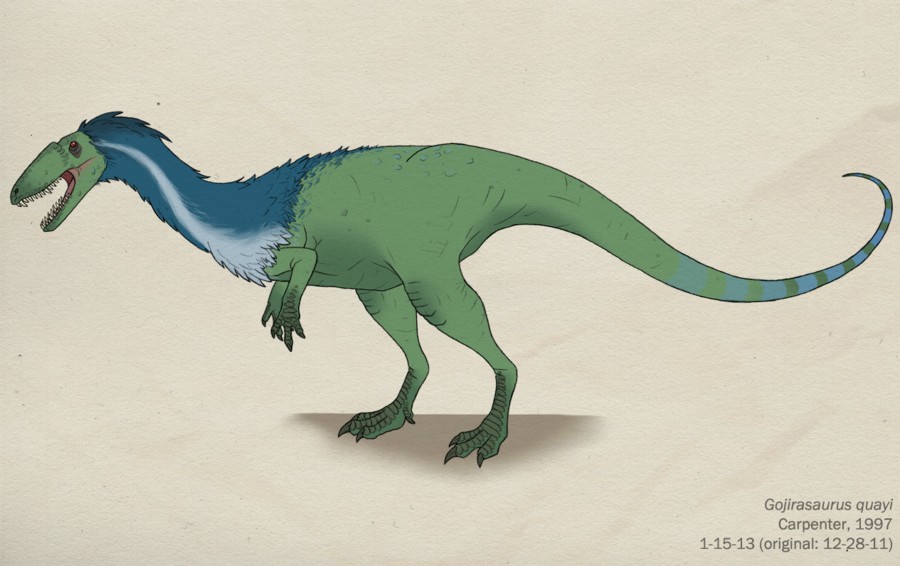
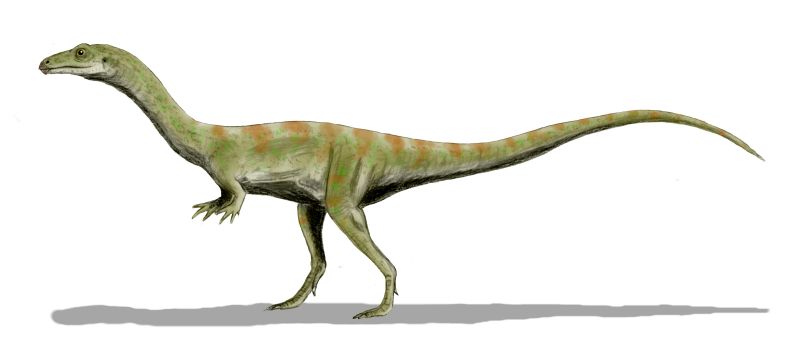
  • Animal: Gojirasaurus quayi
  • Name Pronunciation: Go-jee-rah-sore-us kway-ee
  • Name Meaning: "Godzilla lizard from Quay"
  • Named By: Kenneth Carpenter‭ ‬-‭ ‬1997
  • Classification: Life, Eukaryota, Animalia, Chordata, Vertebrata, Gnathostomata, Osteichthyes, Sarcopterygii, Tetrapodomorpha, Tetrapoda, Reptiliomorpha, Amniota, Sauropsida, Archosauria,‭ ‬Dinosauria,‭ ‬Saurischia,‭ ‬Theropoda,‭ Coelophysoidea
  • When: ~ 210,000,000 (Norian stage of the Late Triassic)
  • Where: North America - United States - New Mexico - Quay County
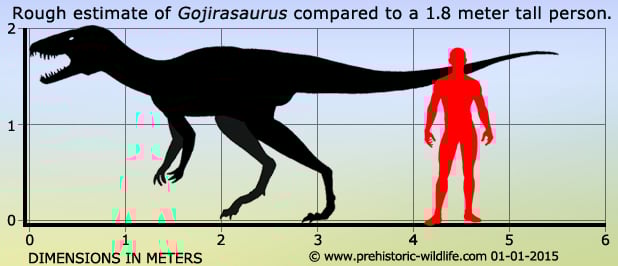
  • Size: 18 feet (5.5 meters) long
  • Diet: Carnivore
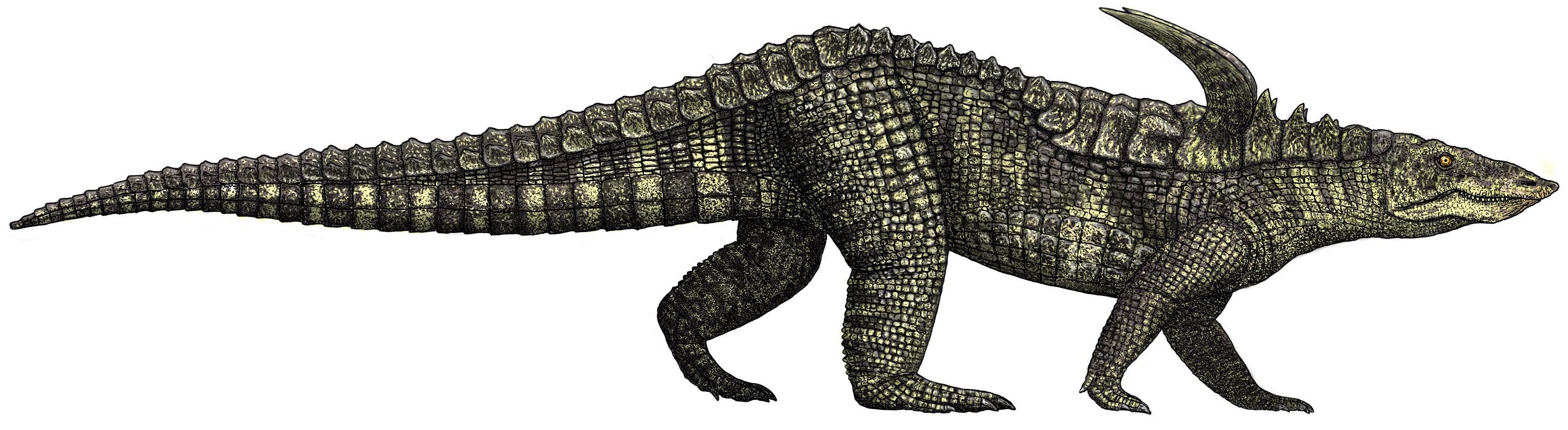
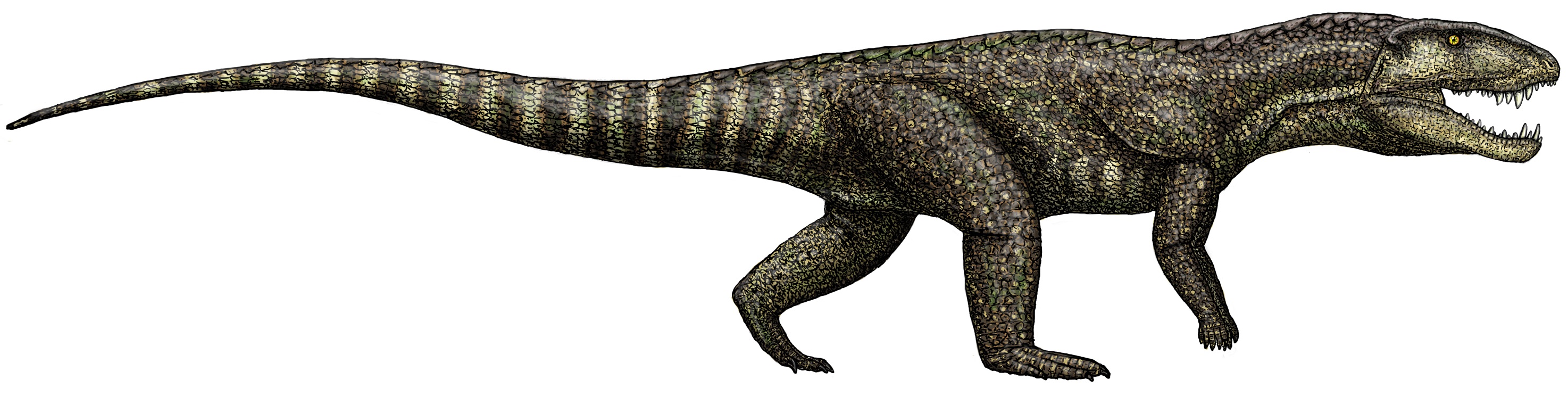
On July 16, 1945, the Manhattan Project came to an explosive end when the first nuclear bomb was successfully tested in Alamogordo, New Mexico. Later, Godzilla was conceived as a metaphor for the destructive nature of nuclear weapons. It seems only fitting that a dinosaur species from New Mexico be named after the king himself. The only problem is that Gojirasaurus is now considered by some to be a dubious genus. The vertebrae originally assigned to Gojirasaurus has since been interpreted as belonging to the non-dinosaurian reptile Shuvosaurus.‭ ‬Other remains,‭ ‬specifically a tibia and hip, are near identical to those of the fellow theropod Coelophysis,‭ ‬though this genus is only thought to grow up to 9.8 feet (3 meters) long,‭ ‬much smaller than the 18 feet suggested for Gojirasaurus.‭ ‬So is Gojirasaurus and valid genus or were their giant Coelophysis running around? Only further discoveries will tell. (Fingers crossed it turns out to be valid.) During the Late Triassic, dinosaurs had yet to claim the throne so their was still a lot of weird synapsids and non-dinosaurian reptiles running around. Here are a few of the species that lived alongside Gojirasaurus: Drepanosaurus unguicaudatus, Desmatosuchus spurensis, Placerias hesternus, Postosuchus kirkpatricki, Smilosuchus gregorii, and the aformentioned Shuvosaurus inexpectatus and Coelphysis bauri.

gojirasaurus-size.jpg

Gojirasaurus_BW.jpg

gojirasaurus_quayi_by_clubpenguindino-d5vu47w_fa31.jpg

001__gojirasaurus_quayi_by_green_mamba-d4mom8z_2a4e.jpg

(Below: Drepanosaurus unguicaudatus)
image_4237_1e-Drepanosaurus.jpg

(Below: Desmatosuchus spurensis)
Desmatosuchus_spurensis_flipped.jpg

(Below: Placerias hesternus)
latest

(Below: Postosuchus kirkpatricki)
Postosuchus_kirkpatricki_flipped.jpg

(Below: Smilosuchus gregorii)
smilosuchus_by_thehellckan-d99tkwq.jpg

(Below: Shuvosaurus inexpectatus)
Shuvosaurus_BW.jpg

(Below: Coelopyhsis bauri with lizard)
d6pplb2-14d798e8-4faa-4116-bd45-eb6a858bc81b.jpg

(Below: original Godzilla)
Godzilla_%2754_design.jpg

(Below: newest Godzilla vs Monster Zero)
rev-1-GKM-FP-201r_High_Res_JPEG.jpg


Picture and Information Sources:
 
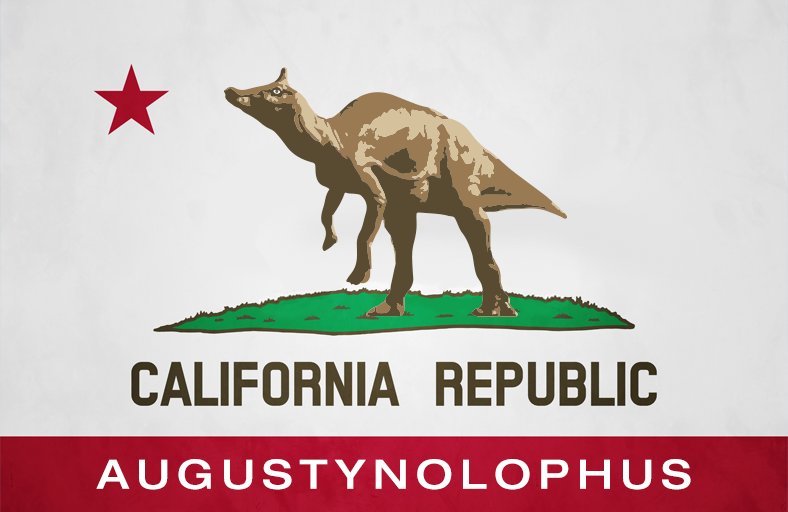
NUMBER SEVENTY-FOUR: California dinosaurs are far and few between but if you know where to look, they're there

latest

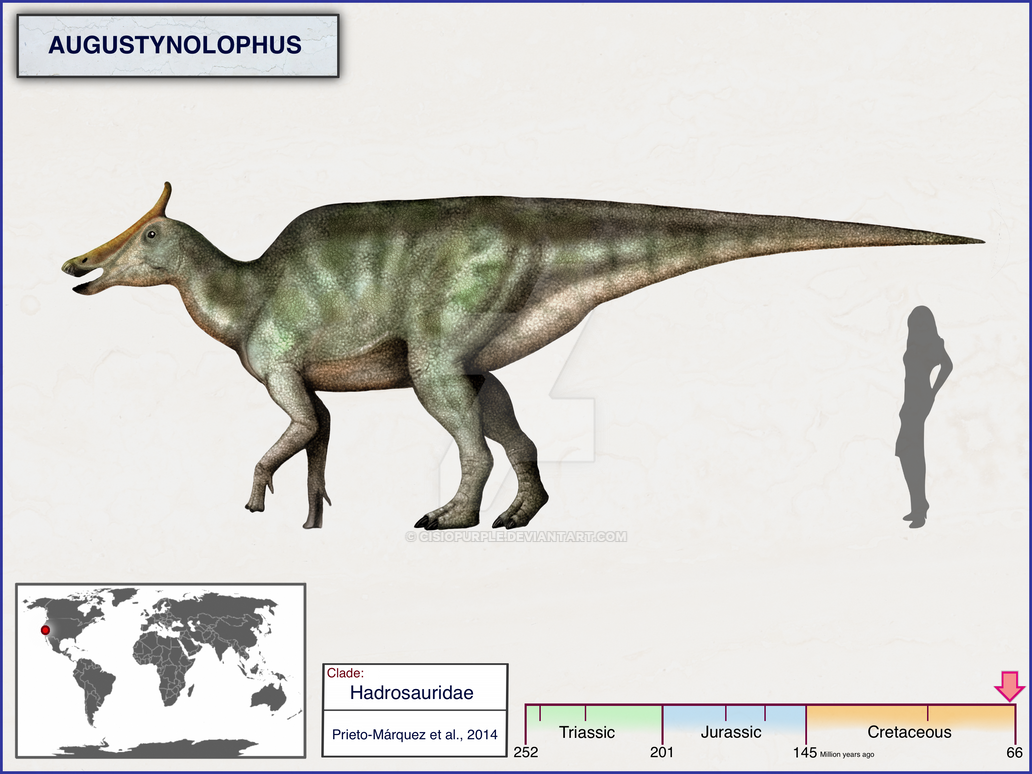
  • Animal: Augustynolophus
  • Name Pronunciation: Aw-gus-tin-o-lo-fus
  • Name Meaning: "Augustyn’s crest"
  • Named By: Albert Prieto-Márquez et al. - 2014
  • Species: A.‭ ‬morrisi‭
  • Classification: Life, Eukaryota, Animalia, Chordata, Vertebrata, Gnathostomata, Osteichthyes, Sarcopterygii, Tetrapodomorpha, Tetrapoda, Reptiliomorpha, Amniota, Sauropsida, Archosauria,‭ ‬Dinosauria,‭ Ornithischia, Ornithopoda, Hadrosauridae, Saurolophinae, Saurolophini
  • When: ~ 70,000,000 B.C.E. to 65,500,000 B.C.E. (Maastrichtian stage of the Late Cretaceous epoch)
  • Where: North America - United States - California - Moreno Formation (near Fresno)
  • Size: 34 feet (10.36) long
  • Diet: Omnivore
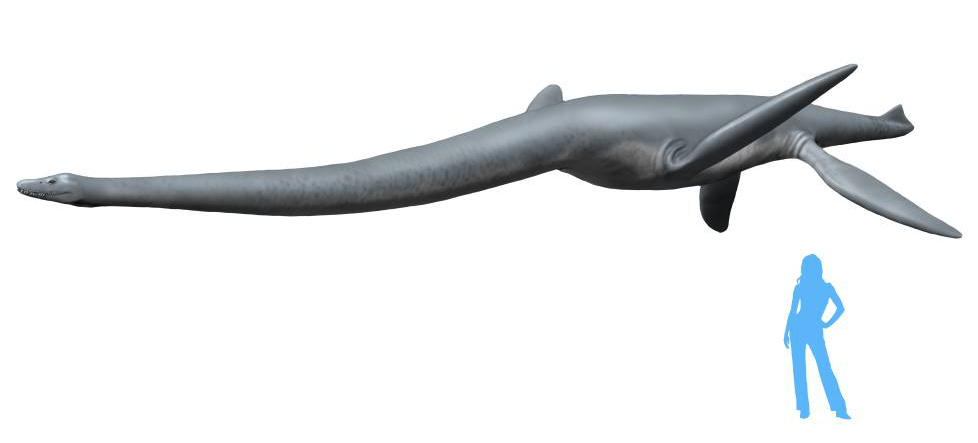
  • Three Contemporaries: Plotosaurus (mosasaur), Hydrotherosaurus (plesiosaur), and Basilemys (turtle)
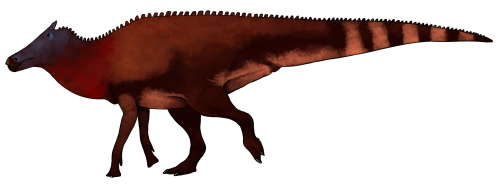
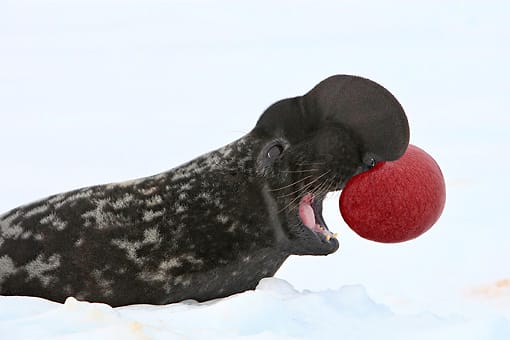
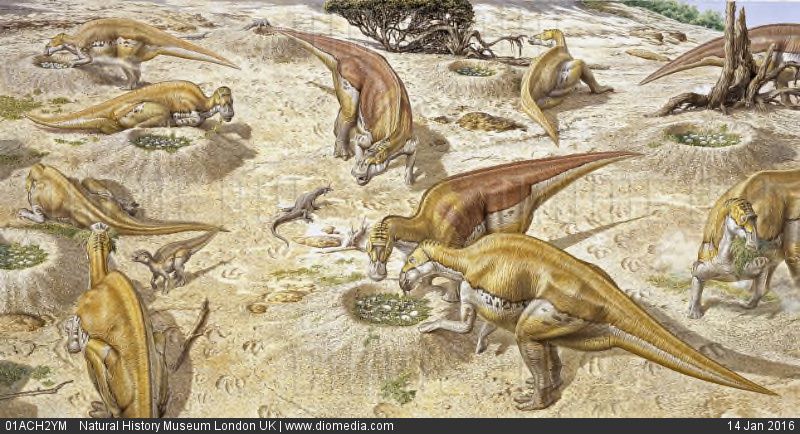
First described in 2013 as Saurolophus morrisi‭, it was re-described as a distinct species only one year later. All saurolophin hadrosaurs has spike-like cranial crests. It is thought they functioned as visual signals to members of the same species (a male's crest would have likely be very colorful). It has also been suggest that they possibly had inflatable skin flaps over their nostrils that could of acted as vocal resonators and additional visual signals (picture something similar to what the modern day hooded seal does). Not much is know about Augustynolophus directly, due to limited fossil remains, but much can be theorized as hadrosaurids in general are a well studied group. Augustynolophus likely lived in herds as many times hadrosaur remains are found in groups, suggesting a gregarious lifestyle. Comparisons between the scleral rings of several hadrosaur genera (Corythosaurus, Prosaurolophus, and Saurolophus) and modern birds and reptiles suggest that they may have been cathemeral, active throughout the day at short intervals. Hadrosaurs were facultative bipeds: they normally meandered around on four legs, but if they needing to get a-move on, to say avoid a predator, they could have run bipedally. We know a great deal of how hadrosaurs raised their young thanks to fossils discovered in Montana of the genus Maiasaura. They raised their young in nesting colonies. The nests were made of earth and contained 30 to 40 eggs laid in a circular or spiral pattern. The eggs were about the size of ostrich eggs. The eggs were incubated by the heat resulting from rotting vegetation placed into the nest by the parents, rather than a parent sitting on the nest. Upon hatching, fossils of baby Maiasaura show that their legs were not fully developed and thus they were incapable of walking. However, fossils also show that their teeth were partly worn, which means that the adults must have brought food to the nest. Hadrosaurs are thought to have been browsers, eating higher-growing vegetation like leaves and twigs. By rearing up on their hind legs, some species could of had access to plant material up to 16 feet (4.88 m) above the ground, well out of the reach of the ceratopsians, ankylosaurs, and pachycephalosaurs they lived alongside. Coprolites (fossilized poop) shows us that hadrosaurs also sometimes snacked on decaying wood, perhaps trying to gain nutrients from the fungi or detritus-eating invertebrates contained within the wood. Coprolites from Utah have also shown us that these herbivores also occasionally practiced durophagy, as the poop contained partially digested crustacean shells. Considering Augustynolophus was a coastal species (as is shown by all the marine fossils that have come out of the Moreno Formation) it is possible marine arthropods actually made up a large part of its diet. Hadrosaurs had hundreds of teeth kept in "dental batteries." These teeth would of been replaced constantly like in sharks. Hadrosaurs were among the few dinosaurs that could chew. One last thing, in September 2017, Augustynolophus was declared the official state dinosaur of California.

augustynolophus_by_cisiopurple-db3ut9s.png

sjm-l-statedino-0926.jpg

9cedb2009447292824b46f653d0e1959.png

VvopZ9F.jpg

53347715_2055957457855128_3269323722203284357_n.jpg

DD2QcABVYAA8sqf.jpg

(Below: Augustynolophus with hypothetical inflatable skin flap)
42811286_266465303872692_6018133781717935056_n.jpg

(Below: Hooded seal)
Hooded-Seal.jpg

(Below: Plotosaurus skeleton)
Plesiotylosaurus_Los_Angeles.jpg

(Below: Hydrotherosaurus)
Hydrotherosaurus_NT.jpg

(Below: Basilemys)
latest

(Below: Corythosaurus)
latest

(Below: Prosaurolophus)
tumblr_inline_ogiadsHDFw1rx4yme_500.png

(Below: Saurolophus)
saurolophusC.jpg

(Below: Maiasaura nesting grounds)
979442a43cfbc0f53221016f0b868fb2.jpg


Picture and Information Sources:
 
Last edited:
First described in 2013 as Saurolophus morrisi‭, it was re-described as a distinct species only one year later.
That's a really confused sentence. It wasn't "re-described as a distinct species" in 2014 - the species had already been described. What happened in 2014 was that the new genus Augustynolophus was erected to house it. That's a very different thing.
 
NUMBER SEVENTY-FIVE: This next creature had the most horns of any dinosaur

Kosmo-Reconstruction-on-Black-by-Lukas-Panzarin.jpg

  • Animal: Kosmoceratops
  • Name Pronunciation: Kos-mow-sarah-tops
  • Name Meaning: "Decorated horned face"
  • Named By: Scott Sampson et al. - 2010
  • Species: K. richardsoni
  • Classification: Life, Eukaryota, Animalia, Chordata, Vertebrata, Gnathostomata, Osteichthyes, Sarcopterygii, Tetrapodomorpha, Tetrapoda, Reptiliomorpha, Amniota, Sauropsida, Archosauria,‭ ‬Dinosauria,‭ Ornithischia, Ceratopsia, Ceratopsidae, Chasmosaurinae
  • When: ~ 76,400,000 B.C.E. to 75,900,000 B.C.E. (Campanian stage of the Late Cretaceous epoch)
  • Where: North America - United States - Utah - Kaiparowits Formation
  • Size: 15 feet (4.57 m) long
  • Diet: Omnivore
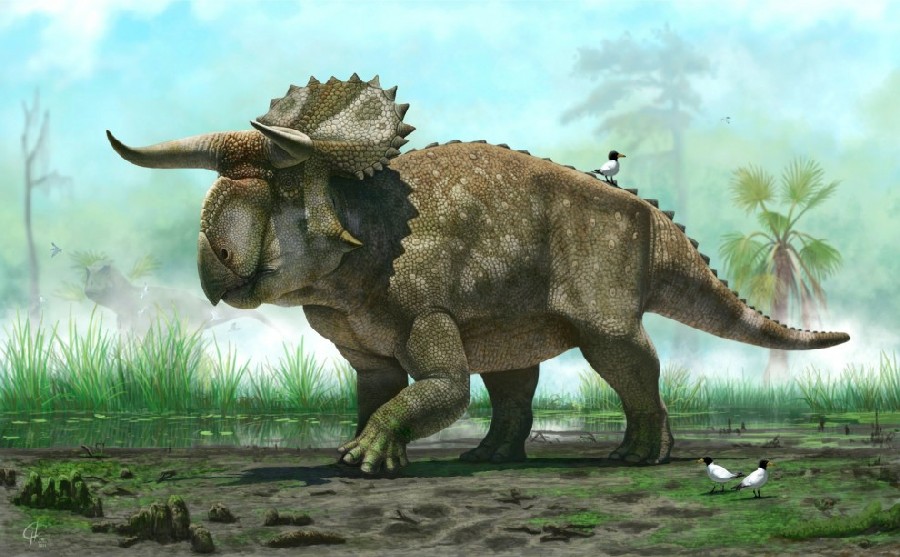
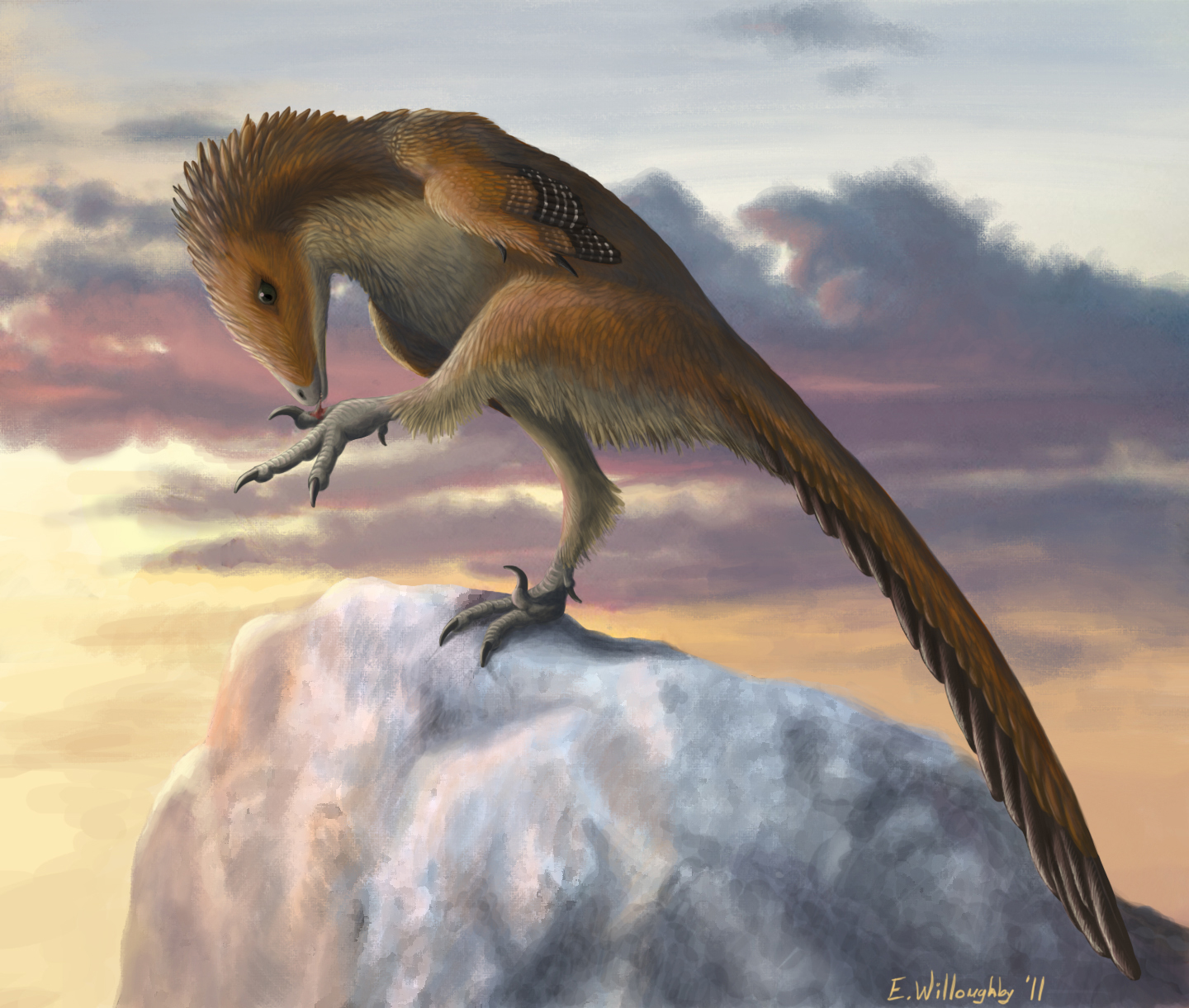
  • 3 Contemporaries: Nasutoceratops titusi (ceratopsian), Talos sampsoni (troodontid), Teratophoneus curriei (tyrannosaurid)
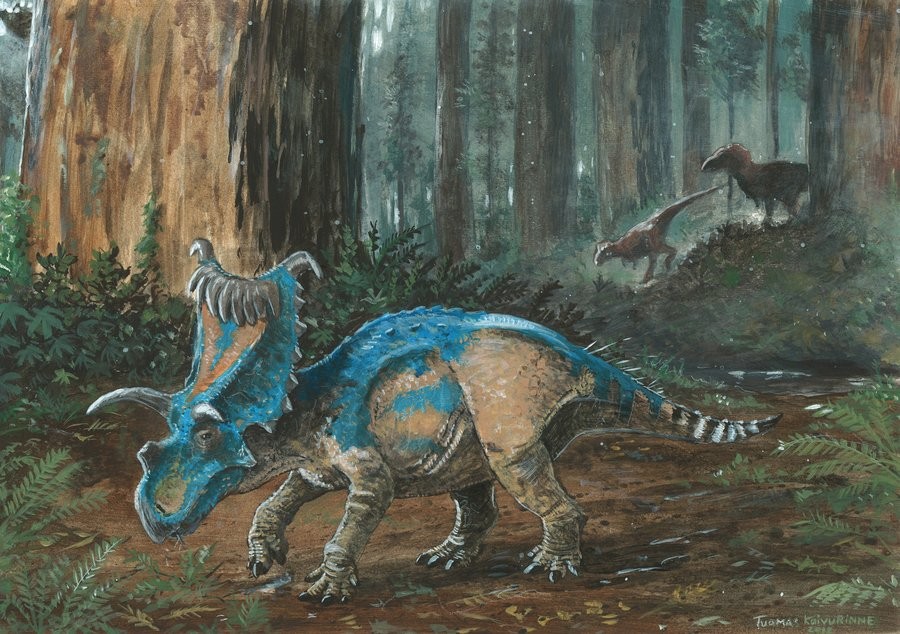
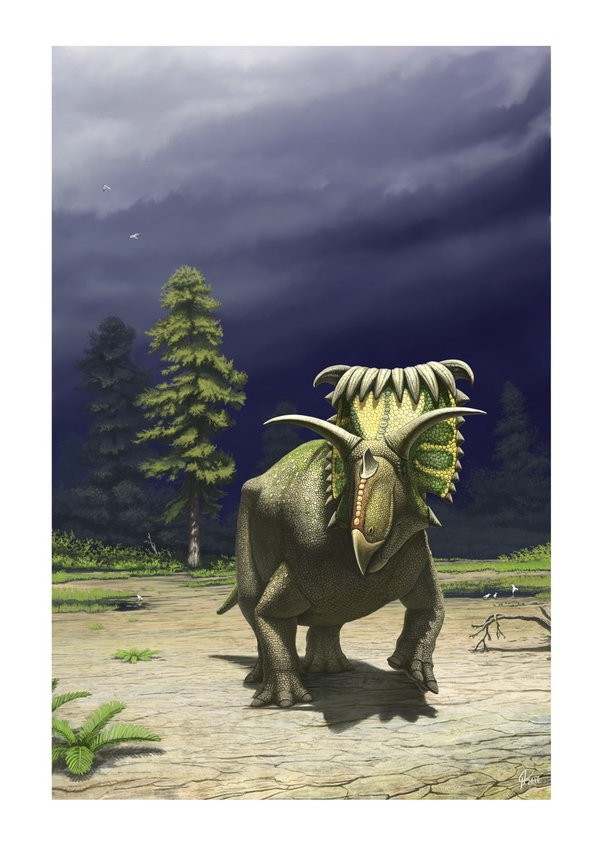
Named relatively recently,‭ ‬Kosmoceratops has quickly become a fan favorite within the dinosaur fandom,‭ ‬thanks largely to the highly ornate skull,‭ ‬which was also the inspiration for the generic name.‭ Kosmoceratops had a blunt nasal horn, two sideways curving brow horns, two cheek horns, and ten frill horns (the central ‬eight of which curved down and towards the braincase,‭ ‬while the two horns on the end projected to the sides). In total, that's fifteen horns, the most of any ceratopsian. (The spikes on the sides of the frill aren't classified as horns.) You might think Kosmoceratops used its elaborate horns and frill for defense against predators, but you'd be wrong. Today most paleontologists believed that the majority of ceratopsians used their horns and frills to attract mates and intimidate rivals. In fact the frills on males are thought to have been brightly colored compared to the frills of females, which likely would of looked drab by comparison. The reason defense is no longer though to of been the primary usage of the frills and horns is because both were relatively fragile and could easily of broken if put under intense pressure (like being shoved into the belly of a tyrannosaur). However it is possible they were also used in intraspecific combat as the frills of some ceratopsian specimens show puncture marks made by horns from an animal of the same species. ‬The frill section of the Kosmoceratops skull was twice as wide as it was long,‭ ‬which by physical proportions,‭ ‬means that it is among the shortest known frills for any chasmosaurine dinosaur. ‭You might be wondering why I called Kosmoceratops an omnivore and not a herbivore as ceratopsians are generally depicted as being herbivorous. Well although no official paper has ever been published, a few paleontologists, such as Darren Naish and Mark Witton, have speculated online that at least some ceratopsians may have behave like modern wild boars (Sus scrofa) and been opportunistically omnivorous. It is thought perhaps they could of used their strong beaks to crack open bones to get at the marrow.

kosmoceratops.jpg

horns19__kosmoceratops_by_tuomaskoivurinne-d51hyn4_c3d1.jpg

Ancient_animals_441122.jpg

kosmoceratops_by_olorotitan-d33wzp7_6790.jpg

latest

2545_1273_Gurney_Animal_Kosmoceratops_primary_image-huge.jpg

(Below: Triceratops chowing down on carrion)
img_0713-1.jpg

(Below: Nasutoceratops titusi)
Nasutoceratops-titusi-splash-990x613_edab.jpg

(Below: Talos sampsoni)
talos-sampsoni.jpg

(Below: Teratophoenus curriei)
teratophoneus_curriei_by_teratophoneus_dd24wvk-pre.jpg


Picture and Information Sources:
 
I'm not sure if you're joking or not, but if you aren't skip to 1:29.


I am joking...

The link I provided is an actual poster to the 1998 Godzilla movie. To be honest when you first changed it I did think that was Godzilla's eye, but from the new movie and the photo was made in reference to the horrid 1998 version.

~Thylo
 
I am joking...

The link I provided is an actual poster to the 1998 Godzilla movie. To be honest when you first changed it I did think that was Godzilla's eye, but from the new movie and the photo was made in reference to the horrid 1998 version.

~Thylo
Aw I see. I didn't realized that was a link. Had I realized and had I clicked on it it would of been obvious it was a joke. However I do definitely see the resemblance. As I previously state though this may only be a temporary change as I grew quite fond of my okapi stock photo friend.
 
As I previously state though this may only be a temporary change as I grew quite fond of my okapi stock photo friend
I grew fond of him too....oh well, its not like I hold grudges against people for changing their avatars...

(P.S. @ThylacineAlive, I haven't forgiven you for replacing the rocks in your avatar with a "cat" :rolleyes:)
 
I also like the implication that you do not believe that my avatar is of a real cat.
Its a "cat" trying to look like a rock, obviously! It's sitting on a rock, and if it curled up in a ball, it would look like a rock! Obviously, it is trying to get more fame than the rocks in your previous avatar! :rolleyes::p
 
NUMBER SEVENTY-SIX: This next creature is an ancient cousin of the rocks that were is
@ThylacineAlive's last profile picture

diving_with_praepusa_by_hodarinundu_dd3evh8-pre.jpg

  • Animal: Praepusa
  • Name Pronunciation: Pray-poo-suh
  • Name Meaning: "Before seal"
  • Named By: Kretzoi, 1941
  • Species: P. pannonica (type species), P. boeska, P. magyaricus, P. tarchankutica, and P. vindobonensis
  • Classification: Life, Eukaryota, Animalia, Chordata, Vertebrata, Gnathostomata, Osteichthyes, Sarcopterygii, Tetrapodomorpha, Tetrapoda, Reptiliomorpha, Amniota, Synapsida, Therapsida, Mammalia, Placentilia, Boreoeutheria, Carnivoramorpha, Carnivoraformes, Carnivora, Pinnipedia, Phocidae, Phocinae
  • When: ~ 13,650,000 B.C.E. to 3,600,000 B.C.E. (Serravallian stage of the Micoene epoch to Zanclean of the Pliocene epoch)
  • Where: Europe
  • Size: *see below*
  • Diet: Carnivore
The smallest extant pinniped is arguably the ringed seal with a minimum adult length of 39.5 inches (100 cm). But Praepusa would of made even the tiniest ringed seals seem large. At approximately 23.6 inches (60 cm), Praepusa currently holds the title for smallest pinniped ever. Based on the rocks it has been found in, we believe this genus inhabited shallow marine waters. Given its miniature build Praepusa subsisted mainly on small fishes and marine invertebrates. While hunting for said food Praepusa would of had to of been very cautious as it would of made the perfect bite-sized snack for any of the predatory cetaceans or sharks it swam alongside.

(Below: Holotype of P. boeska)
Humeri-of-Praepusa-boeska-sp-n-MAB-4686-holotype-right-humerus-female-Miocene-the.png

(Below: Ringed seal (by @Newzooboy))
full


I find the Internet's lack of Praepusa pictures disturbing

Picture and Information Resources:
 
Also here is a video I made showcasing ever dinosaur genus which has been named this year so far

I do not own the music or any of the pictures in this video and all of the rights go to their owners.
All the pictures used in this video (except for the thumbnail) were made by the amazing paleoartist Cisiopurple on DevintArt: https://www.deviantart.com/cisiopurple.
Music: "Jurassic Park Theme Remix" by ApproachingNirvana: https://www.youtube.com/watch?v=8sT5L....
 
NUMBER SEVENTY-SEVEN: The dinosaur version of babies first steps

plateosauruslight.png

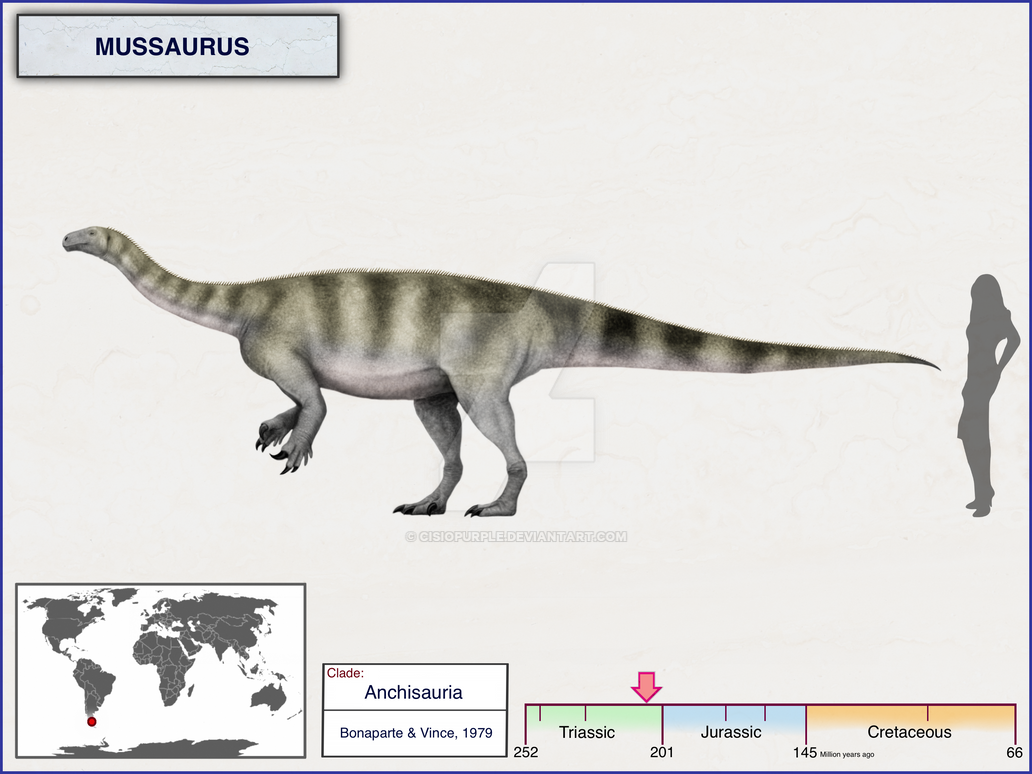
  • Animal: Mussaurus
  • Name Pronunciation: Mus-sore-us
  • Name Meaning: "Mouse lizard"
  • Named By: José Bonaparte and Martin Vince - 1979
  • Species: M. patagonicus (type species)
  • Classification: Life, Eukaryota, Animalia, Chordata, Vertebrata, Gnathostomata, Osteichthyes, Sarcopterygii, Tetrapodomorpha, Tetrapoda, Reptiliomorpha, Amniota, Sauropsida, Archosauria,‭ ‬Dinosauria,‭ ‬Saurischia, Sauropodomorpha, Mussauridae
  • When: ~ 215,000,000 B.C.E. to 203,000,000 B.C.E. (Norian stage to Rhaetian stage of the Late Triassic epoch)
  • Where: South America - Argentina - El Tranquilo Formation
  • Size: *see below*
  • Diet: Herbivore
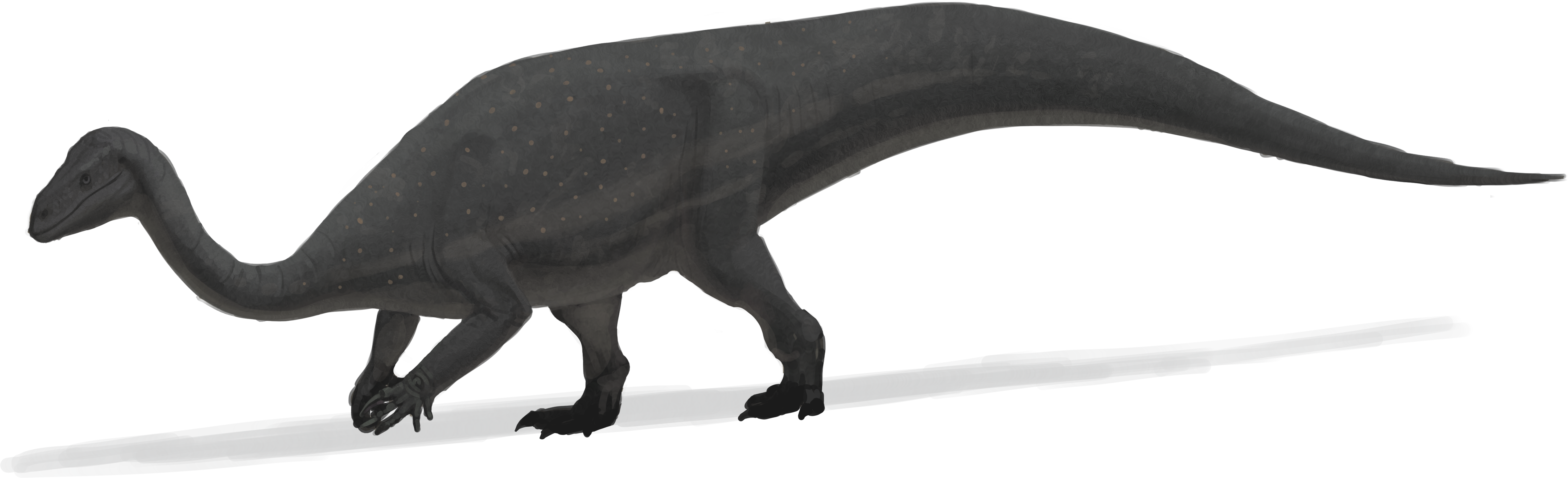
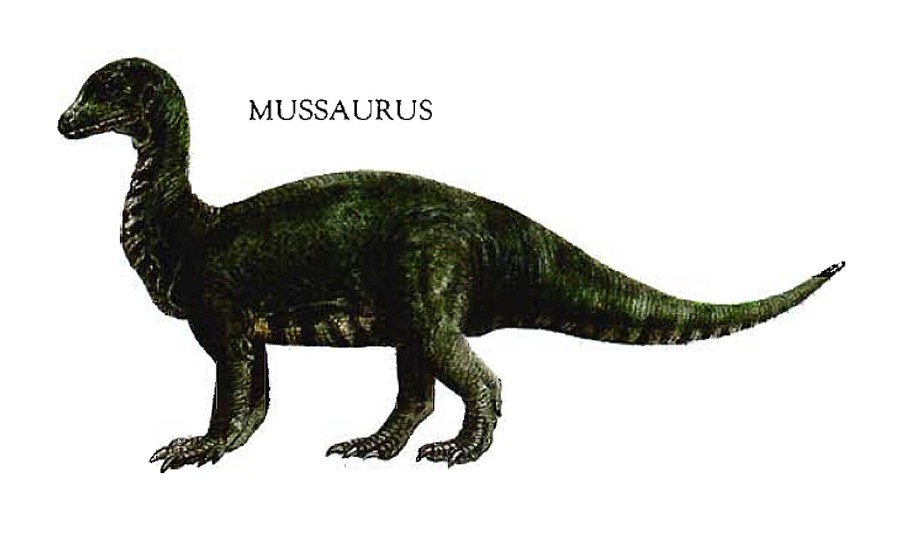
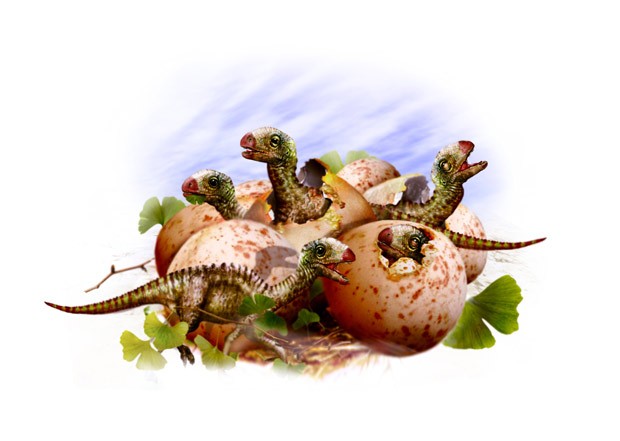
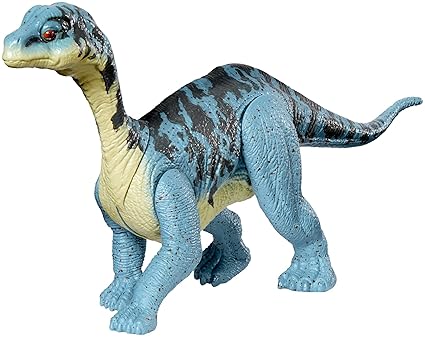
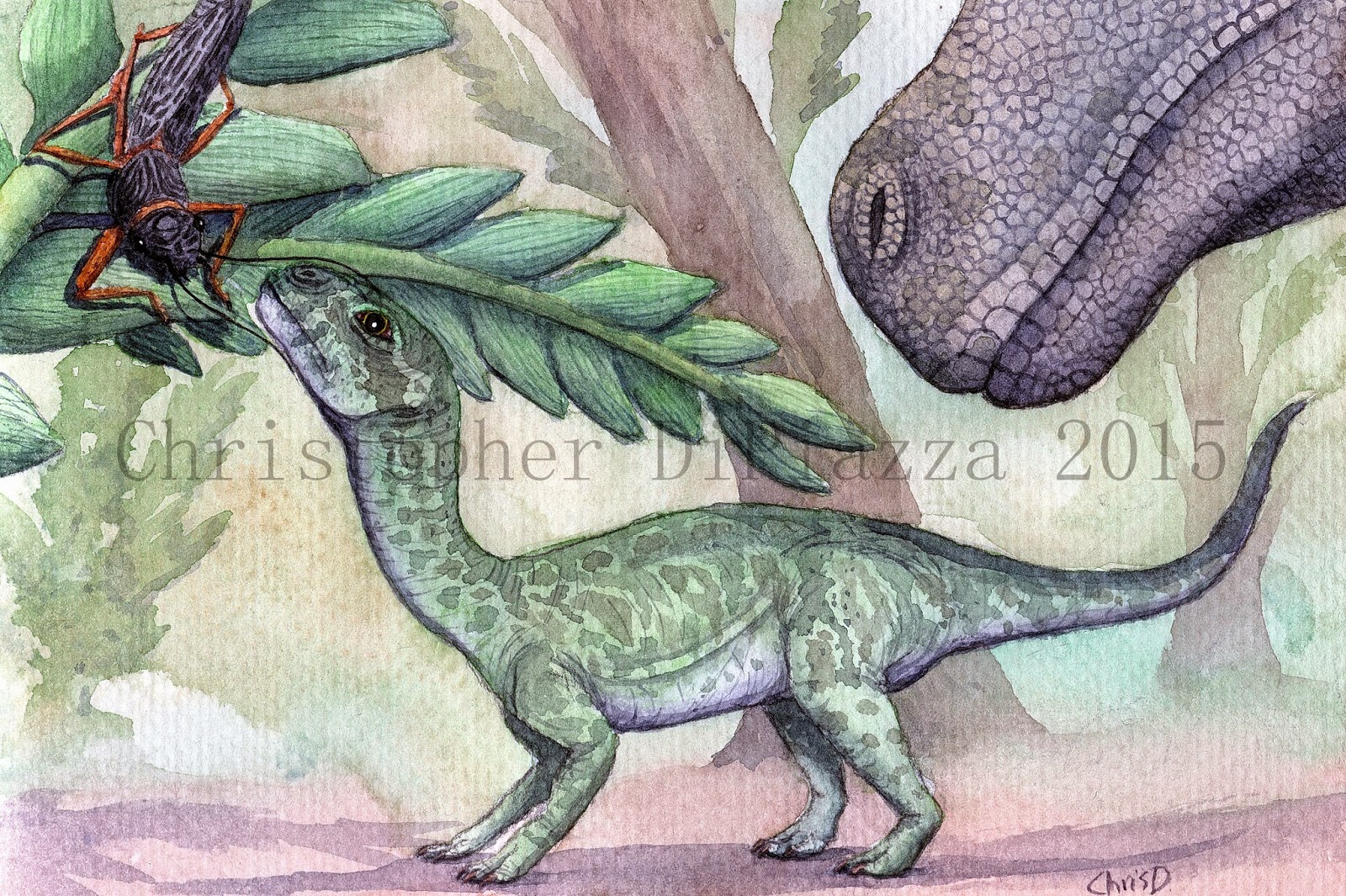
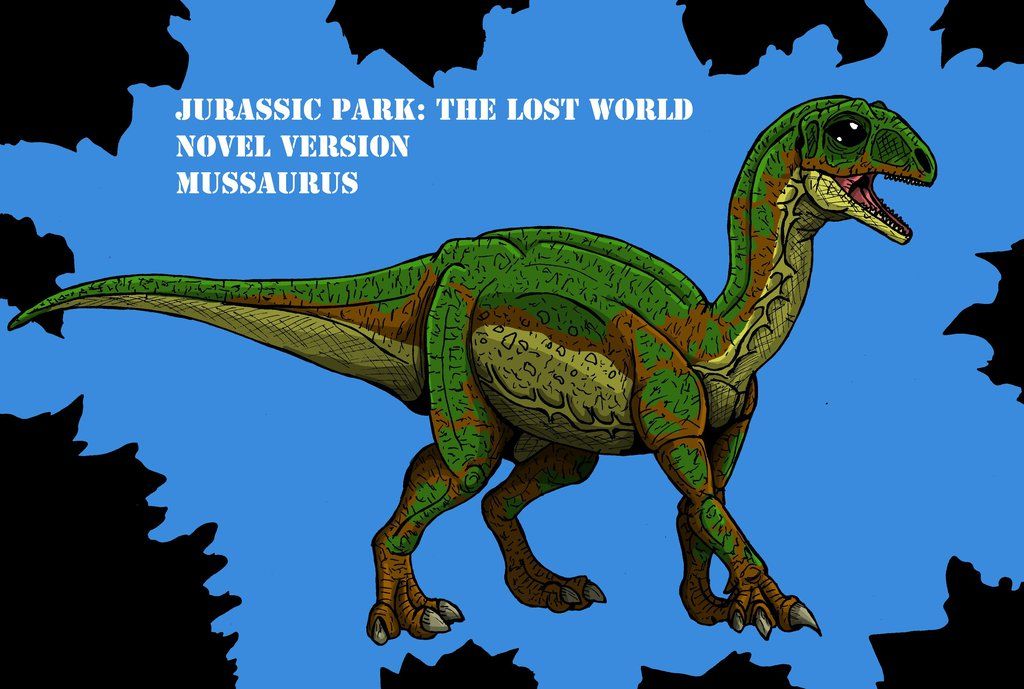
Up until 2013, Mussaurus was only known from neonate-sized specimens and fossilized eggs. Mussaurus infants were small, only 6 inches (15.24 cm) long excluding the tail, but a total of 7.9 to 14.6 inches (20.06 to 37.08 cm) long. This is about the size of a small lizard. In 2013 the first adult specimens of Mussaurus were described. However some of these specimens had actually been first described in 1980 as Plateosaurus. This help reveal that the "mouse lizard" actually reached up to 20 feet (6.10 m) in length and approximately 2,200 pounds (997.90 kg) in weight. Juveniles differed from adults in proportion in addition to size and mass: juveniles had taller skulls with shorter snouts and larger eyes. These proportions are common in many infant vertebrates and are often associated with species that provide parental care during the vulnerable early stages of life. A very recent study published in May 2019 in shows that while M. patagonicus probably walked on all four limbs during the first year of its life, changes in the relative proportions of its body during growth caused its center of mass to move backwards towards its pelvis, resulting in the animal adopting a two-legged stance later in life. Mussaurus is thought to represent a possible transitional form that links basal sauropodomorphs with sauropods. A juvenile Mussaurus makes a brief appearance in Micheal Crichton's 1995 novel The Lost World.

mussaurus_by_cisiopurple-dckds9u.png

051719_jp_walking-dino_feat-REV.jpg

mussaurus_e8e7.jpg

Mussaurus_ddc2.jpg

812JORJwHcL._SX425_.jpg

Mussaurus.jpg

(Below: Mussaurus as it appears in The Lost World)
3179c986c59862cc38e7b46b5244fa35.jpg


Picture and Information Resources:
 
Back
Top