New Guinea Rivers
The rivers of Papua New Guinea are often under-represented in public aquariums, with very few of the fish species displayed, and even less so indicating they are from Papua New Guinea. I personally believe that one of the most impressive aquarium displays possible would be a large tank displaying species found in a river mouth in Papua New Guinea.
Such an aquarium should be at least 120,000 gallons, if not much larger, with at least 6 feet of depth. If possible, the aquarium should have an open top (or at least have an area above the water visible behind glass), and should feature a number of native palm trees and other tropical plants draping over the water. While the rivers here tend to be extremely low visibility, such an aquarium should have relatively clear water, for proper views of the inhabitants. Underwater, large mangrove root structures and artificial rock features should litter the bottom and walls of the exhibit, providing structure for animals within. If any terrestrial additions are to be made (turtles or crocodilians), a large waterfall could be added.
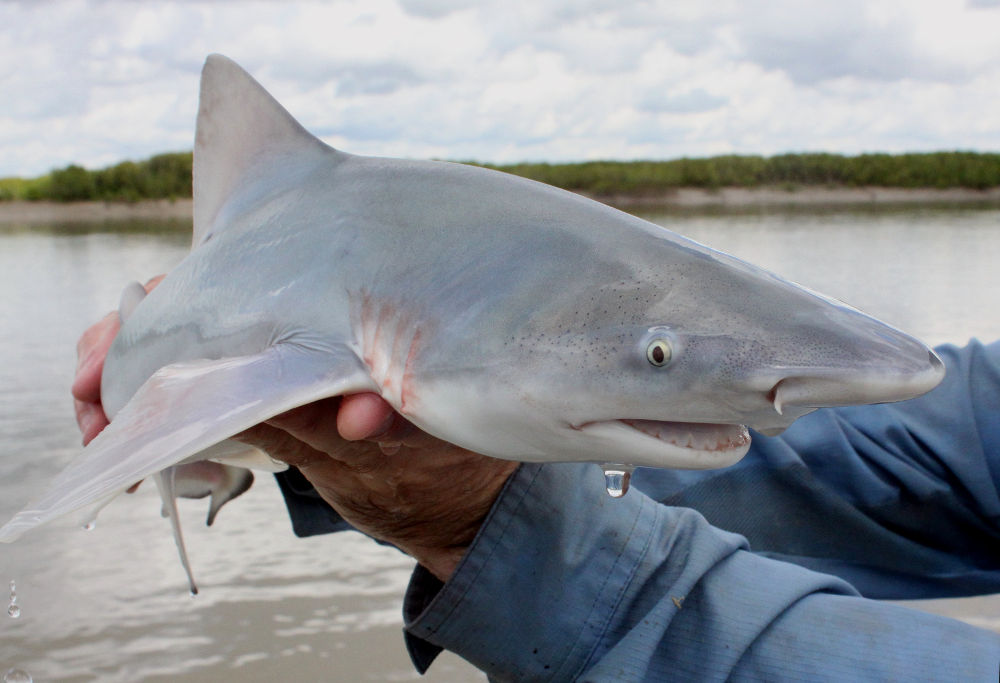
A number of rare shark and ray species could be incorporated into this exhibit. Those that come to mind include the freshwater rays of New Guinea, which are likely Freshwater Whiprays like those found in Australia, Winghead Sharks, a small hammerhead species found in the region, Northern River Sharks or Speartooth Sharks, two species of completely freshwater shark found in New Guinea, and Knifetooth Sawfish or Dwarf Sawfish, two smaller sawfish species found in the area. Any number of these would be appropriate choices, but sourcing would be difficult. Of course, other species could be included, but these highlight some of the more prominent species.
The highlight species of the aquarium would need to be both the Papuan Black Bass and the Papuan Spottail Bass. Both are species of snapper that grow to nearly 4 feet and 50 pounds, and are regarded as pound-for-pound the strongest fish on the face of the earth. Neither are, to my knowledge, displayed in any aquariums in the New World.
Another obvious choice is the Barramundi, one of the few species on this list commonly seen in aquariums, but representing Australia. They are found on the southern coast of New Guinea, where they can reach sizes of over 6 feet and 100 lbs.
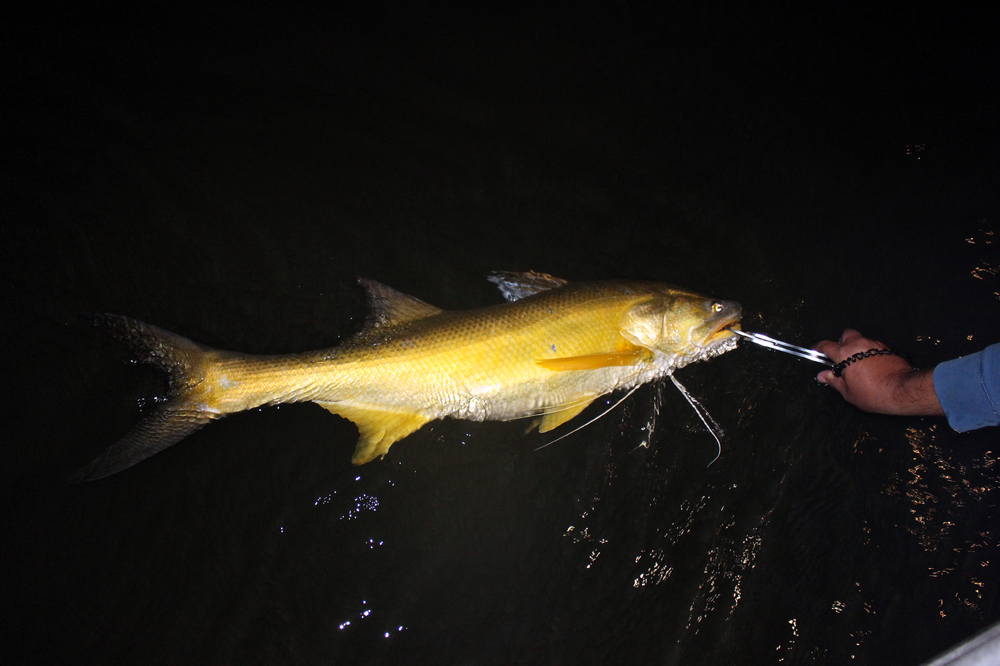
Another common species with fishermen is the Threadfin Salmon, often targeted in Australia. They do, however, thrive in New Guinea as well. Other species of a similar nature include two snapper species, the Mangrove Jack and the Fingermark Snapper. Both are common sport and food fish in Australia, and can be found in decent numbers in New Guinea.

There are a number of fish popular with aquarium keepers that are seldom represented in public aquariums, all of which would fit the New Guinea display quite well. These include the Jardini Arowana, a close relative of the endangered Asian arowana and the far more common silver and black arowanas of South America. Another is the New Guinea Datnoid, a smaller fish somewhat closely related to the above barramundi, as well as the Indo-Pacific Tarpon, a much smaller relative of the Atlantic tarpon commonly seen in public saltwater aquariums, and the Striped Snakehead, a smaller rather plain snakehead species common in the rivers of New Guinea. There are also 49 total catfish species found here, most of them being somewhat smaller species, with no giants such as a few species found in South America, Europe, or Asia.

Moving back to sportfishing, two species of Jungle Perch are found in New Guinea, both of which are popular light-tackle targets in Australia. These fish are little-known outside of Australia, but do exist in small numbers in New Guinea.
Some small species more typically found in saltwater environments are known to enter the river mouths and estuaries, and even far up the rivers, in New Guinea. These include the White-Spotted Grouper, one of the most common species caught when fishing for black bass, the Wolf Herring, a long slender silver fish with an impressive set of teeth, and the Black Seabream, a popular food fish with locals.
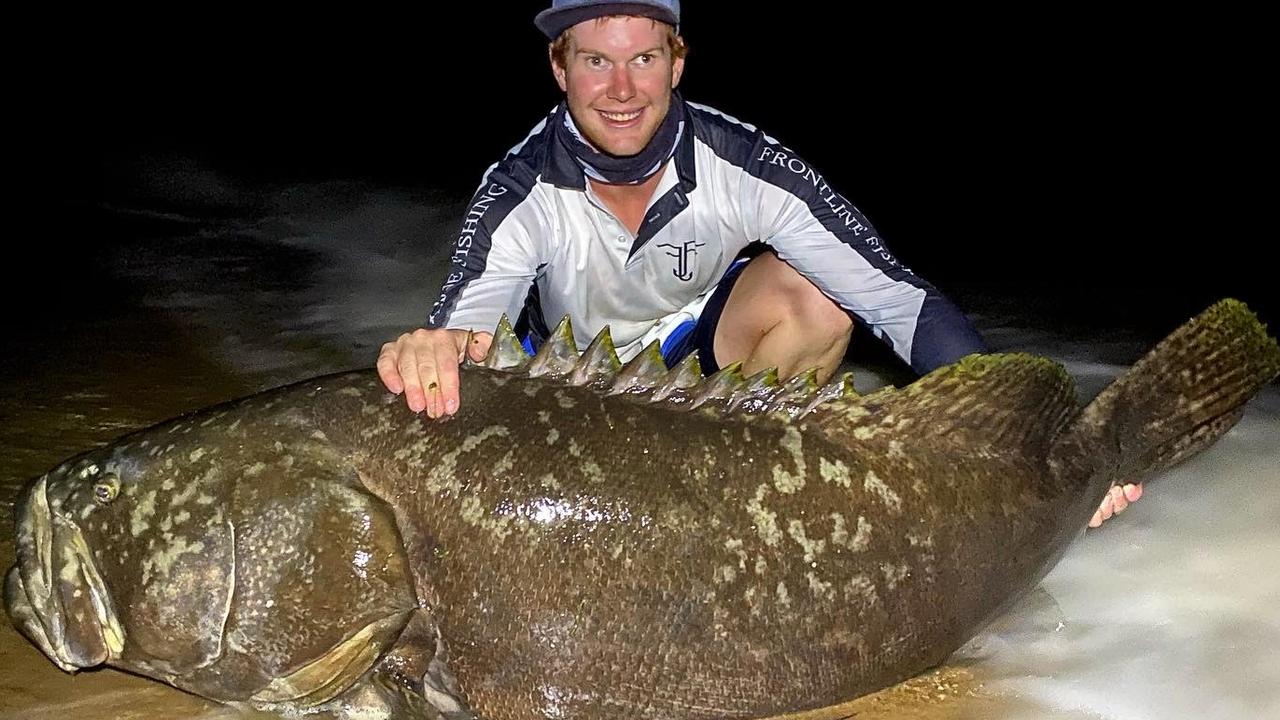
Finally, a number of larger species from the oceans come into the lagoons. Among the most common are two massive species popular with topwater and jig anglers, the Giant Trevally, a species of jack often considered the strongest fish in the world, and the Queensland Grouper, one of the largest bony fish species in the world.

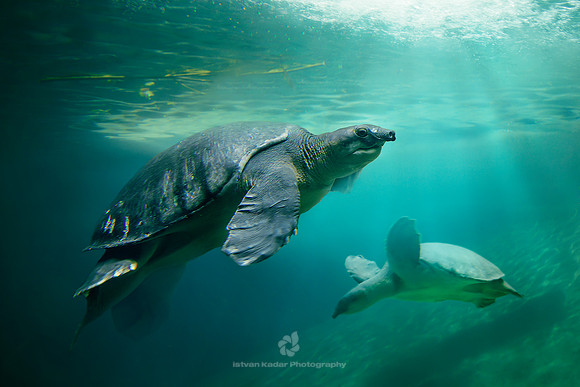
Two crocodile species, both the New Guinea Crocodile and the Saltwater Crocodile, can be found in New Guinea waters. If the area was adequately sized, and they were properly fed, either species could potentially be incorporated into the exhibit. A number of turtles would also be appropriate, and due to the enclosure's size, large species should be selected. 14 freshwater species are known from New Guinea, with the largest including the Fly River Turtle and the New Guinea Softshell Turtle (note that the photo is of the closely-related Cantor's Softshell Turtle). Fly River turtles are known to reach roughly 2 to 3 feet and over 40 lbs, while the two closely-related species of softshell are known to reach well over 3 feet and 200 lbs.