The Zoochat Photographic Guide to Suliformes

Red-faced Cormorant Urile urile
Monotypic


Distributed across the north Pacific Ocean, from northern Japan and the Kamchatka Peninsula, and then eastwards through the island chains to southern Alaska.


There are no photos of this species in the Zoochat galleries.
 
Last edited:
And that is the completion of the Order Suliformes. Of the sixty-odd species in the Order, two-thirds of them are depicted within this thread. Several of those species could do with better photos (e.g. some are represented by just a single photo taken from a distance), but there are only fourteen species which are not represented by photos of living birds in the Zoochat galleries. Most of these unrepresented species are unlikely to be added any time soon because they are largely species from remote oceanic islands, especially in the case of the subantarctic Leucocarbo cormorants.


The species of Suliformes not currently represented in the Zoochat galleries by photos of living birds are below:

Ascension Frigatebird Fregata aquila

Antarctic Shag Leucocarbo bransfieldensis
Campbell Island Shag Leucocarbo campbelli
Auckland Island Shag Leucocarbo colensoi (museum specimen only)
South Georgia Shag Leucocarbo georgianus
Rock Shag Leucocarbo magellanicus
Crozet Island Shag Leucocarbo melanogenis
Heard Island Shag Leucocarbo nivalis
Macquarie Island Shag Leucocarbo purpurascens
Bounty Island Shag Leucocarbo ranfurlyi
Kerguelen Shag Leucocarbo verrucosus

Flightless or Galapagos Cormorant Nannopterum harrisi

Spectacled Cormorant Urile perspicillatus (extinct c. 1850, so would need to be a museum specimen of which there are only six in existence)
Red-faced Cormorant Urile urile
 
Last edited:
Here is the tally of Zoochat members whose photographs have been used in this thread. I will keep this post updated as changes are made to the thread at any future points. [Last update: 30 November 2025]

The thread contains sixty-one species of Suliformes in total, in thirteen genera, of which forty-seven species from all thirteen genera are depicted with photos. In total there are 156 photos used, from 56 members.

There is quite a high ratio of photos to species (averaging over three photos per species) because I was able to use photos of various plumages for a lot of the species (i.e. male versus female; breeding versus non-breeding; and young birds).


One photo:
@akasha
@Austin the Sengi
@cockroach
@Dannelboyz
@David Matos Mendes
@devilfish
@Dormitator
@Dr. Wolverine
@Elephas Maximus
@GiornoPizza
@gulogulogulo
@Jakub
@Javan Rhino
@KevinB
@King of Komodo Dragons
@Kudu21
@Lafone
@LaughingDove
@MegalodonEric
@NigeW
@Pedro
@RatioTile
@Richie Hell
@ronnienl
@splendens
@TheoV
@toto98
@Writhedhornbill
@zooboy28
@ZooGirl101
@zoo_sipsik

Two photos:
@alexkant
@DesertTortoise
@Ding Lingwei
@gentle lemur
@geomorph
@Great Argus
@jayjds2
@joe99
@Newzooboy
@red river hog
@robreintjes

Three photos:
@DaLilFishie
@Giant Eland
@lintworm
@Semioptera
@Tomek
@vogelcommando

Four photos:
@AWP
@Therabu

Five to ten photos:
@Terry Thomas (five photos)
@ralph (six photos)
@Maguari (seven photos)

More than ten photos:
@WhistlingKite24 (eleven photos)
@Chlidonias (twenty-two photos)
@Hix (twenty-six photos)
 
Last edited:
Red-faced Cormorant Urile urile
Monotypic


Distributed across the north Atlantic Ocean, from northern Japan and the Kamchatka Peninsula, and then eastwards through the island chains to southern Alaska.


There are no photos of this species in the Zoochat galleries.

Pacific ;)

~Thylo
 
Pelagic or Baird's Cormorant Urile pelagicus
Two subspecies: pelagicus and resplendens

Only the subspecies resplendens is represented in the Zoochat galleries.


U. p. pelagicus is found along the coastlines of eastern Asia, northwards from China and Japan, and east to the Aleutian Islands, Alaska, and western Canada.

U. p. resplendens is found along the Pacific coast of North America from British Columbia to Baja California.


There is only one photo in the Zoochat galleries, and it is of a mixed group of Pelagic Cormorants (U. pelagicus) and Brandt's Cormorants (U. penicillatus). In the photo the two smallest birds, one at front-right and one with just the head visible at back-left, are the Pelagic Cormorants; all the other cormorants in the photo are Brandt's Cormorants.

Photo by @Great Argus in the wild, USA - birds of the subspecies resplendens in breeding plumage. Note the white flank-patches on the right-hand bird, and the crest and red facial skin on the back bird.

full

Brandt's & Pelagic Cormorants - ZooChat

I have closer photos of Pelagic Cormorants, they are not top quality but they are still decent and show the species better than the mixed photo. I can upload if you like.
 
I have closer photos of Pelagic Cormorants, they are not top quality but they are still decent and show the species better than the mixed photo. I can upload if you like.
Uploaded two photos of adult Pelagic Cormorants into the United States - wildlife gallery. :)
Thanks, I have used both the new photos. They are good enough to show what the birds look like, and are better (for that purpose) than the photo of the mixed group.

Sorry, I mis-ID'ed this one. This is actually Phalacrocorax carbo sinensis.
Thanks, I have removed it. I'm always waiting for someone to point out that some photo I've used is wrong! I try to check all the photos I use to make sure of the IDs but some will still slip through. Of course some groups are worse than others for mistaken IDs (rodents, for one!). I'm doing rails for the next thread, and have already found some wrong IDs.
 
Understandable, the Indian cormorant and great cormorant are quite similar. To make matter worse, that one tree next to my hotel usually had a group of Indian cormorants perching in them (alongside little Indian), so I auto-ID'ed all large cormorants I observed there as Indian. The Great cormorant is much rarer in Sri Lanka so it felt like a safe assumption (it is afaik the only Great Cormorant I saw in Sri Lanka).

Hardest group to ID are swifts though. I've seen a lot of them but I have no idea what species I've seen except for the European swift. I also struggle with gulls but that's because of a lack of interest in that species group.
 
Understandable, the Indian cormorant and great cormorant are quite similar. To make matter worse, that one tree next to my hotel usually had a group of Indian cormorants perching in them (alongside little Indian), so I auto-ID'ed all large cormorants I observed there as Indian. The Great cormorant is much rarer in Sri Lanka so it felt like a safe assumption (it is afaik the only Great Cormorant I saw in Sri Lanka).
I didn't see any Great Cormorants in Sri Lanka, which I think is probably why I didn't look more closely at your photo and just accepted the title as Indian Cormorant.
 
Temminck's or Japanese Cormorant Phalacrocorax capillatus
Monotypic


Distributed along the coastlines of northeastern Asia, including Russia, northeast China, Korea, and Japan.


There are no photos of this species in the Zoochat galleries.

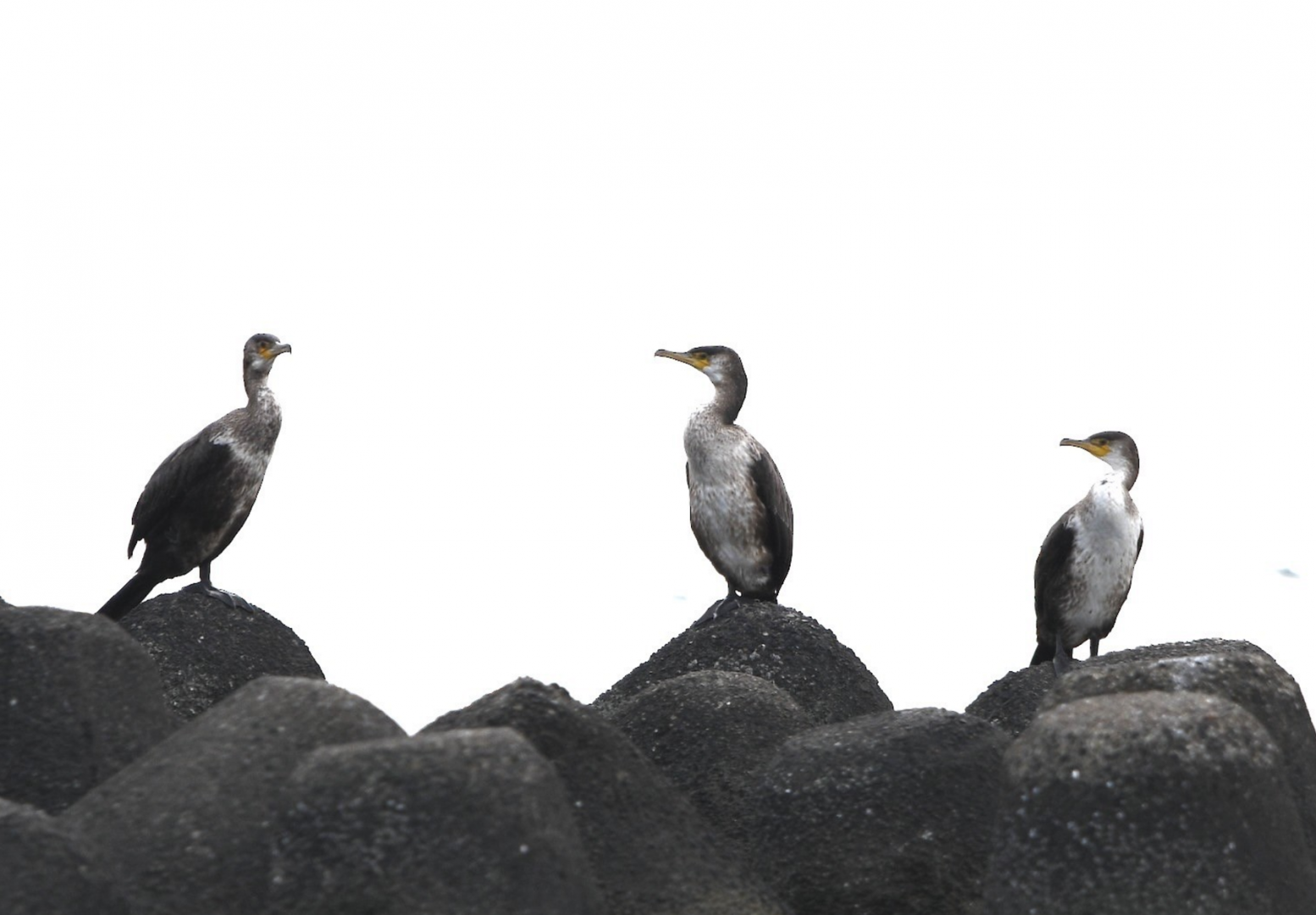
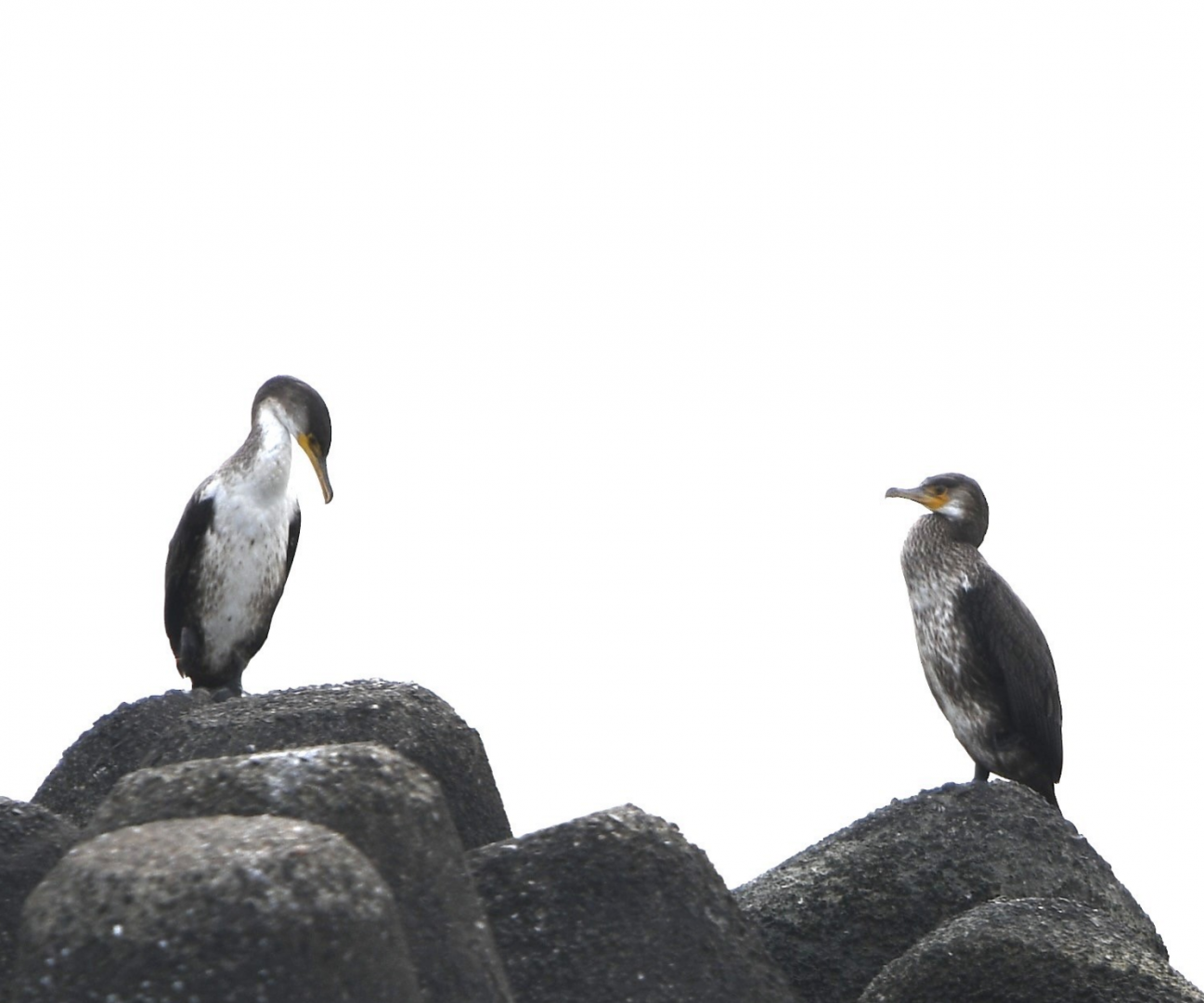
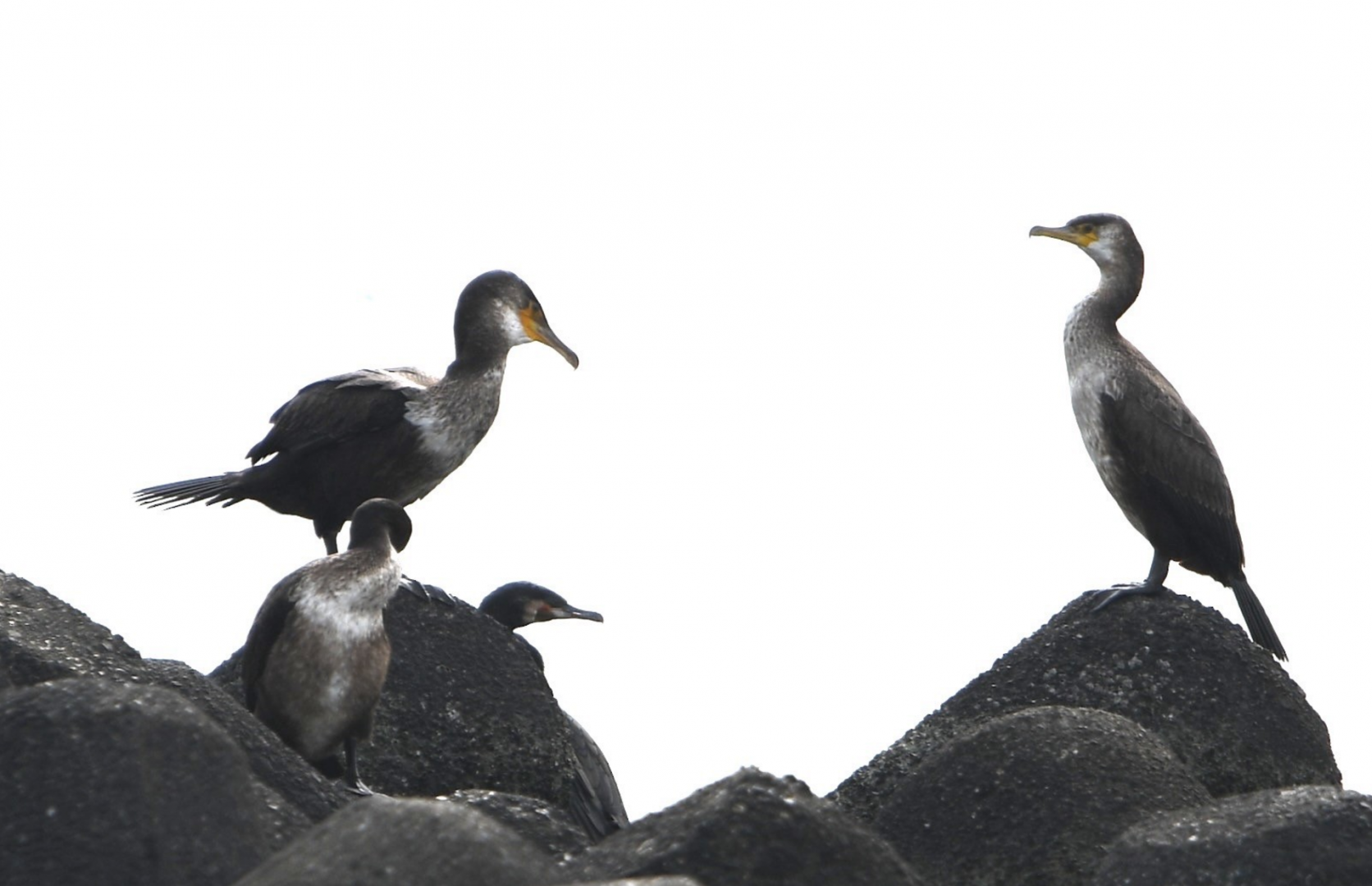
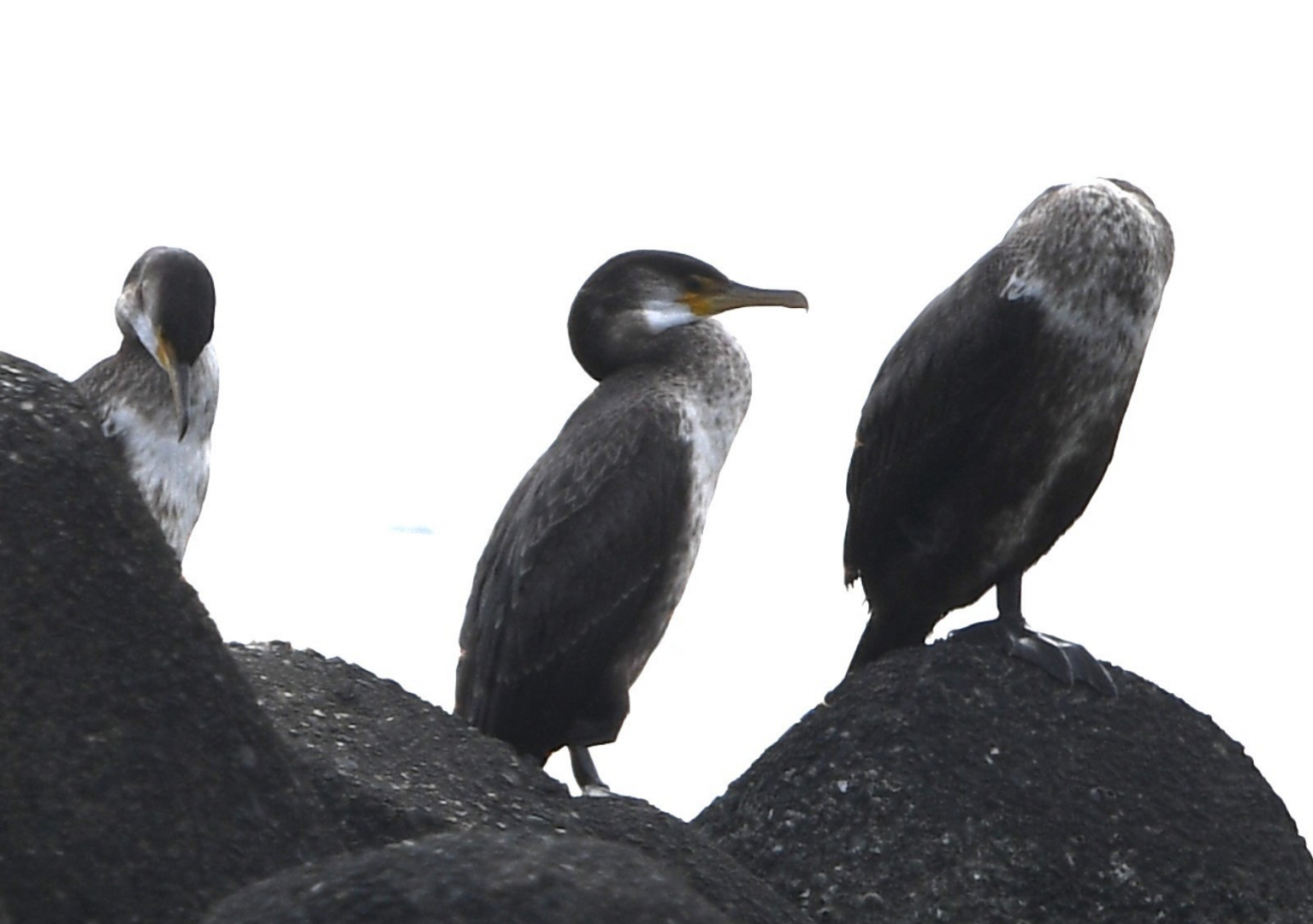
I have photos of them in the wild

 
Back
Top