
Pre-COVID, I had marked on my calendar that today was the day I was meant to visit David Fleay Wildlife Park to write a full review for ZooChat. Alas, the world had other ideas but I came up with the idea to use my most recent trip of the park (January 2019) and base a walk-through of the park off that. I don’t have many enclosure photos to support my review but in general, the park has some outstanding exhibits - applying the simple yet effective philosophy of using the pre-existing environment around them. Some parts of my visit are a bit hazy but I hope this review provides a good impression of what is, a fantastic facility.
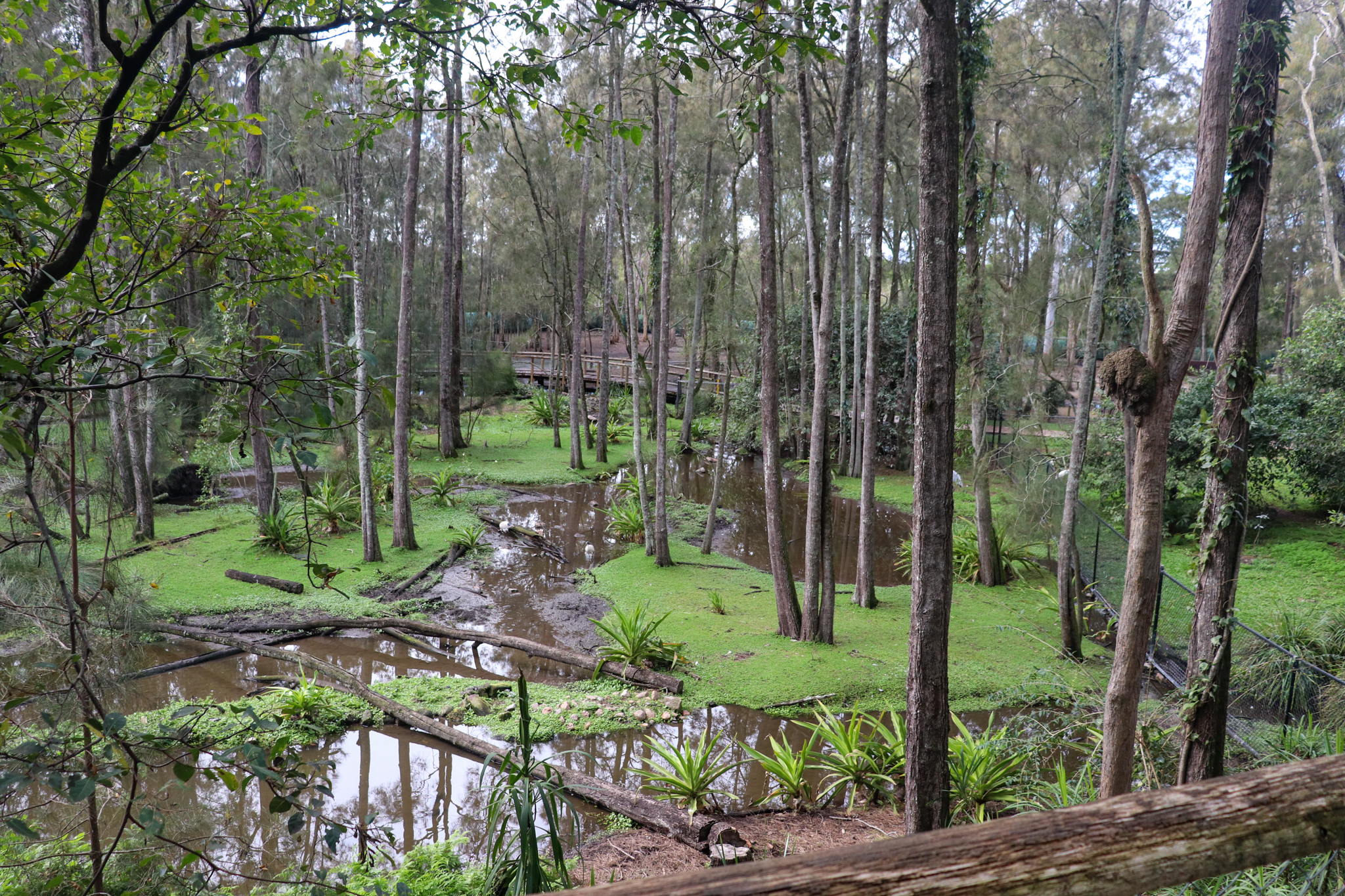
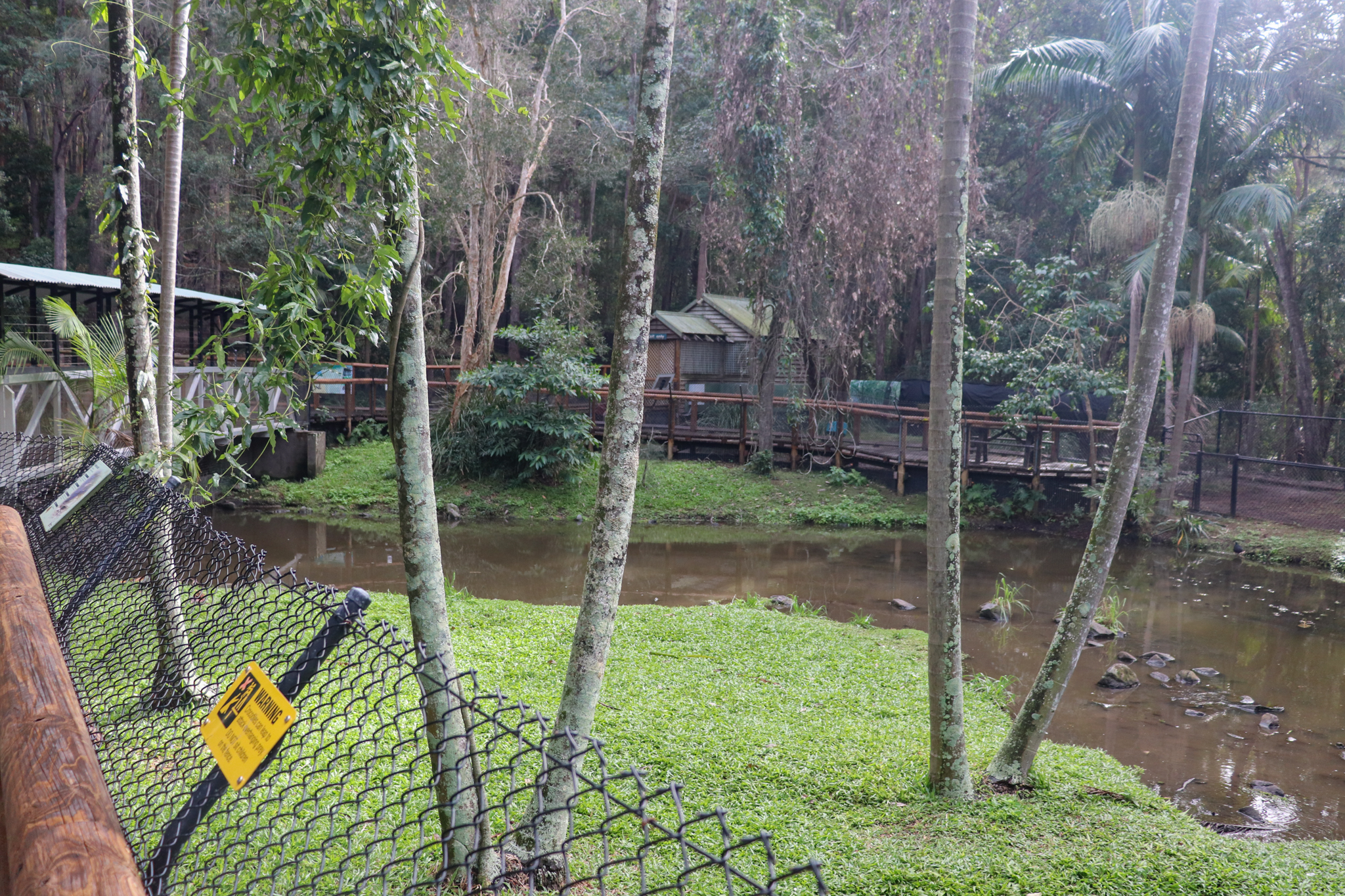
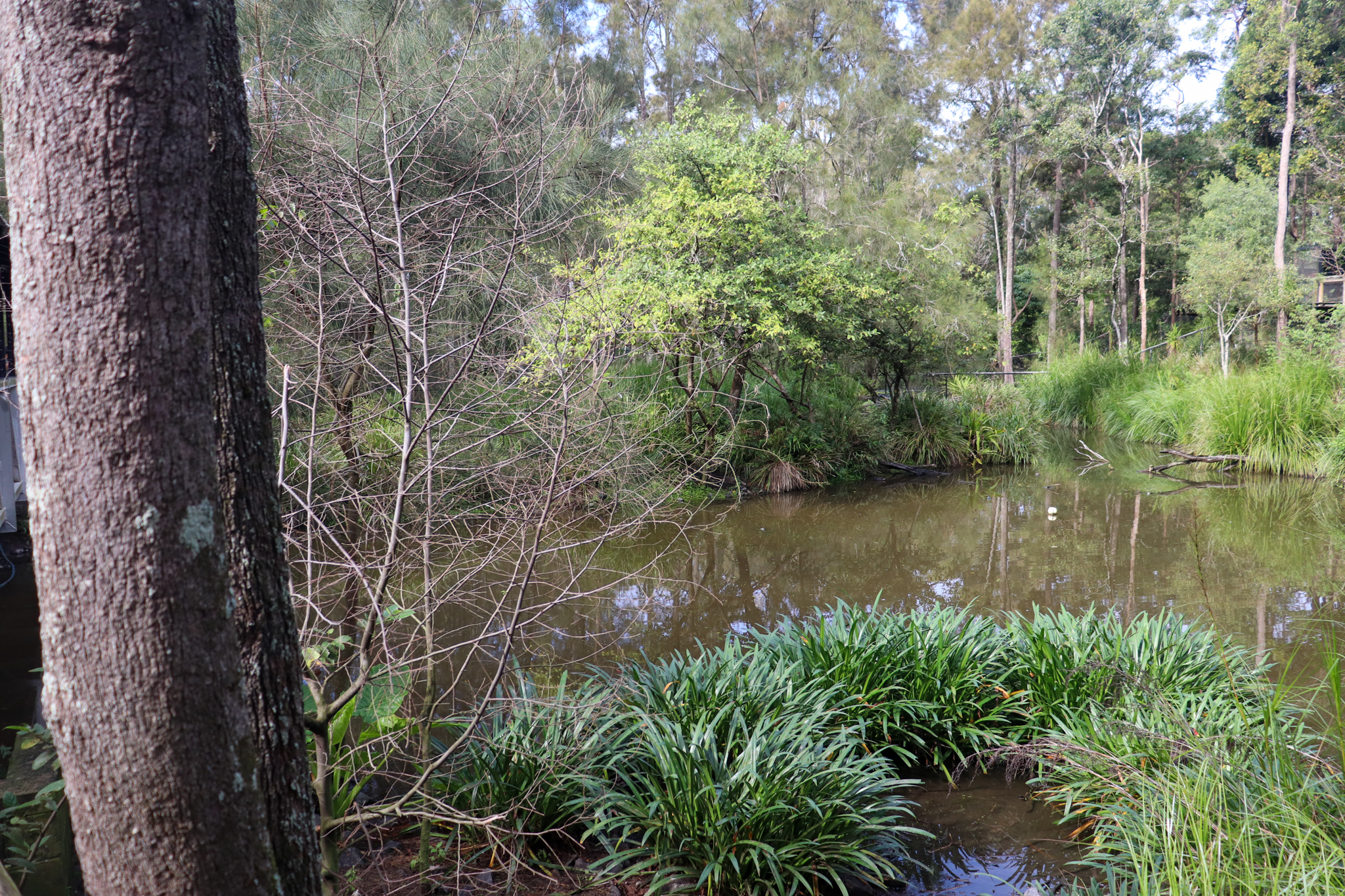
Opened the early 1950s, David Fleay Wildlife Park, was of course, opened by naturalist Dr. David Fleay who is well-known for breeding several Australian species for the first time in captivity like raptors and most notably platypus at Healesville. In the 1980s, the state government bought the park and continued Fleay’s legacy. The wildlife park itself is positioned along Tallebudgera Creek and prior to entering the entrance there are several trails along the mangroves and eucalyptus forests. A waterway – a series of dams and wetlands - runs throughout the entire zoo and creates a lovely continuity with the enclosures and species line-up.
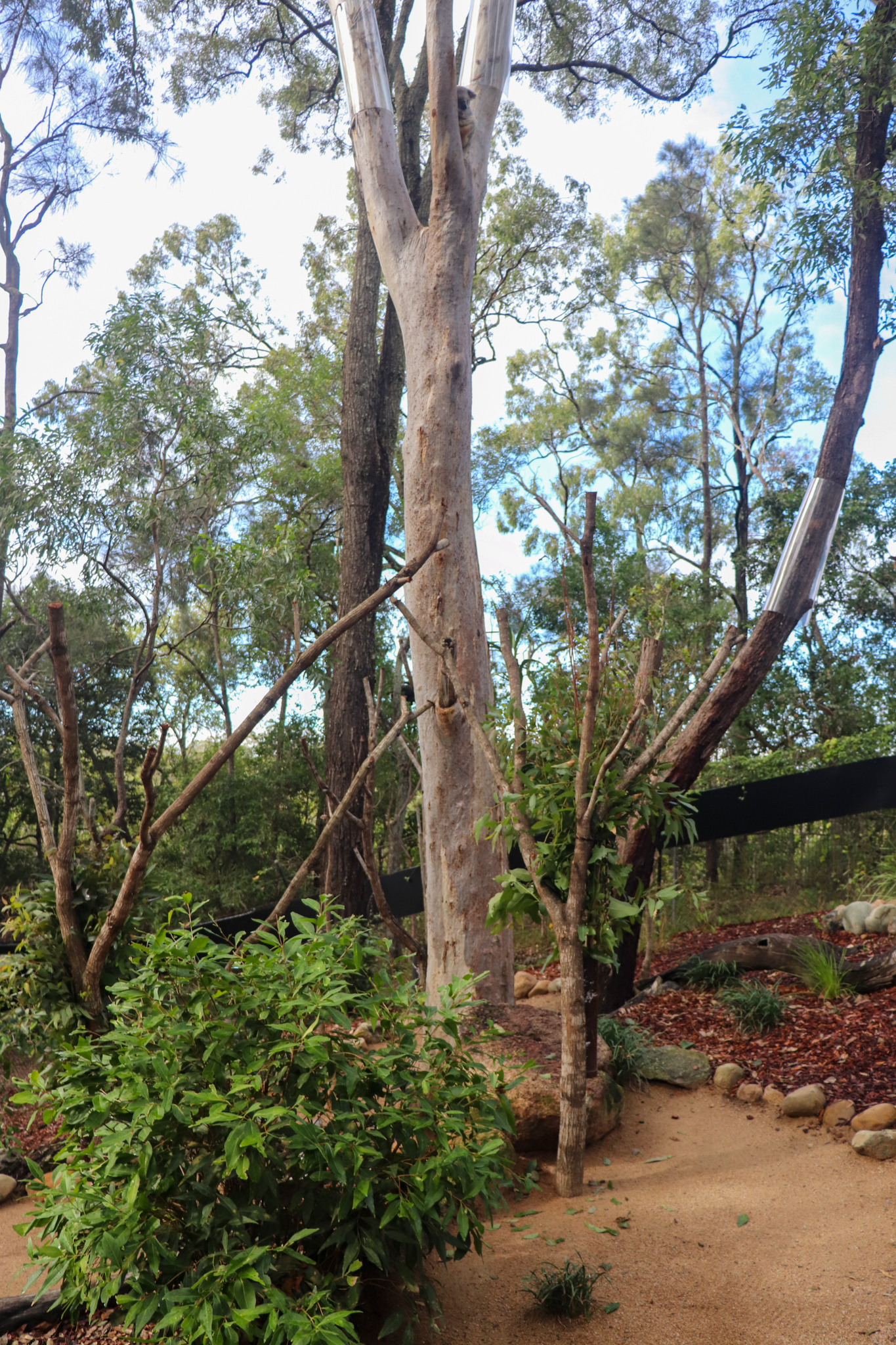
After paying a very reasonable $16.30 for student admission and walking through the informative visitor centre, the first couple of enclosures contained a few reptile species – Spotted Python, Coastal Carpet Python, Jungle Carpet Python, Southern Angle-headed Dragon, Green Tree Frog and Central Bearded Dragon. All of these enclosures were spacious if I recall correctly. Continuing along was a nicely-done enclosure for Koalas with large mature trees that actually gave the animals opportunities to climb and snooze at truly impressive heights. It was so great to see a decent koala enclosure after the monotony of the basic enclosure design that koalas seem to get too often. Other local zoos should take note!
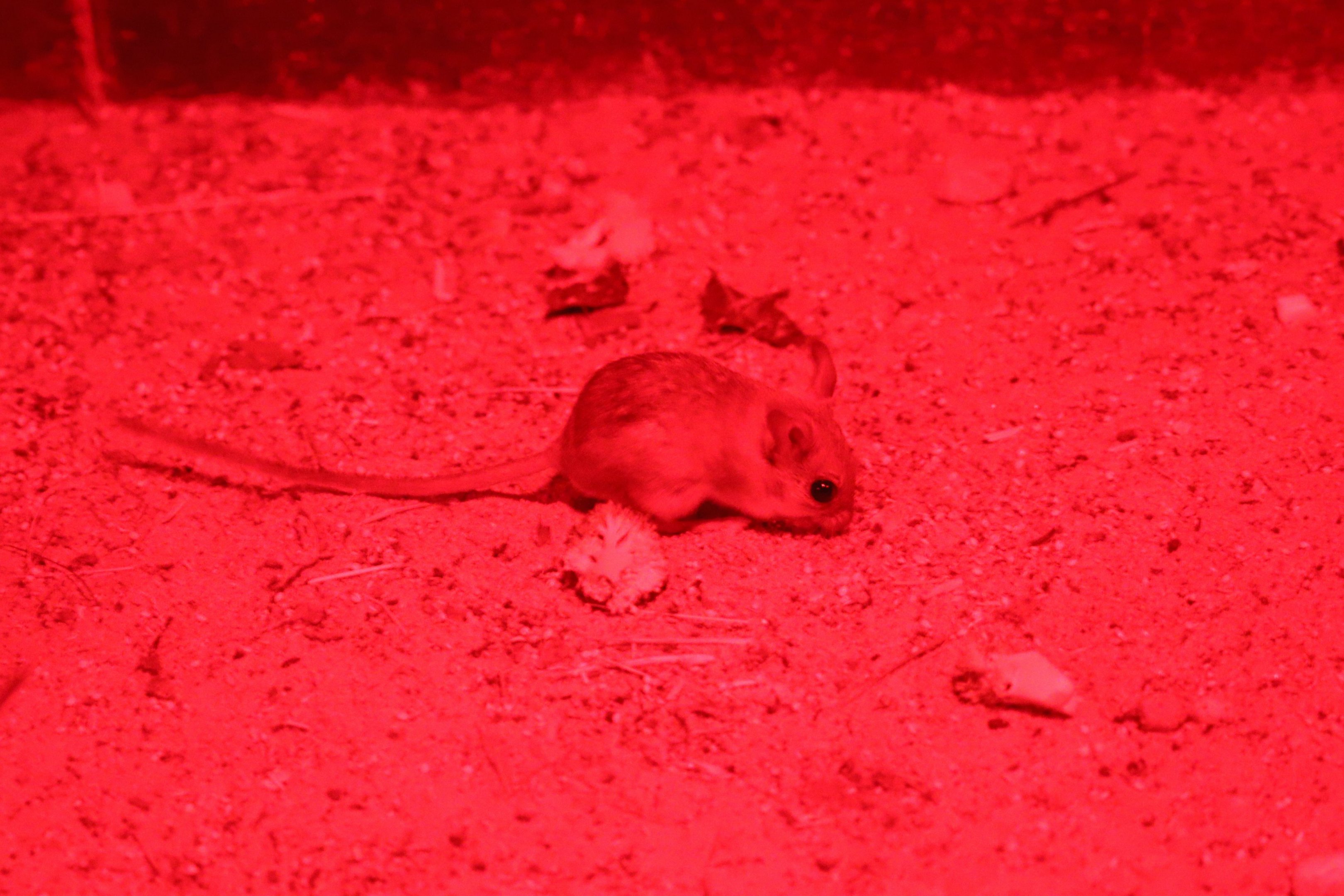
The nocturnal house was located opposite the koalas and opened at 10.30 during feeding time so visitors were able to get the best views of the animals [which certainly worked because I saw everything in one go]. Despite being of a modest size the nocturnal house was well-designed and each enclosure was lighted with different colours which helped improve visibility. The first exhibit contained the largest group of Spinifex Hopping Mice I had ever seen. They were, as all hopping mice usually are in nocturnal settings, very active. They had access to tall branches and were able to be seen at eye-level. Very cool. Opposite the mice was a nicely-furnished enclosure for a Bilby. Next to the bilby was the most impressive occupant of the building in my opinion - the wonderful Black-footed Tree Rat – Australia’s answer to the squirrel. The species was much larger than I expected and I spent a decent amount of time watching it consume its food. According to the native mammal thread only David Fleay and Territory Wildlife Park hold the species currently. Continuing on was a dimly-lit enclosure for the park’s resident male Platypus. It was a decent size if I remember correctly. Past a terrarium for a Green Tree Python, was a large enclosure for the always hyperactive Fat-tailed Dunnarts. The final enclosure contained a mix of Squirrel Glider and Long-nosed Potoroo. This was the enclosure their Greater Glider used to live in who was off-display during my visit, and now seems to be no longer part of their collection. Whilst I acknowledge nocturnal houses must be very expensive to run, a small park like David Fleay really showcases what can be done with such a wonderfully-planned building.
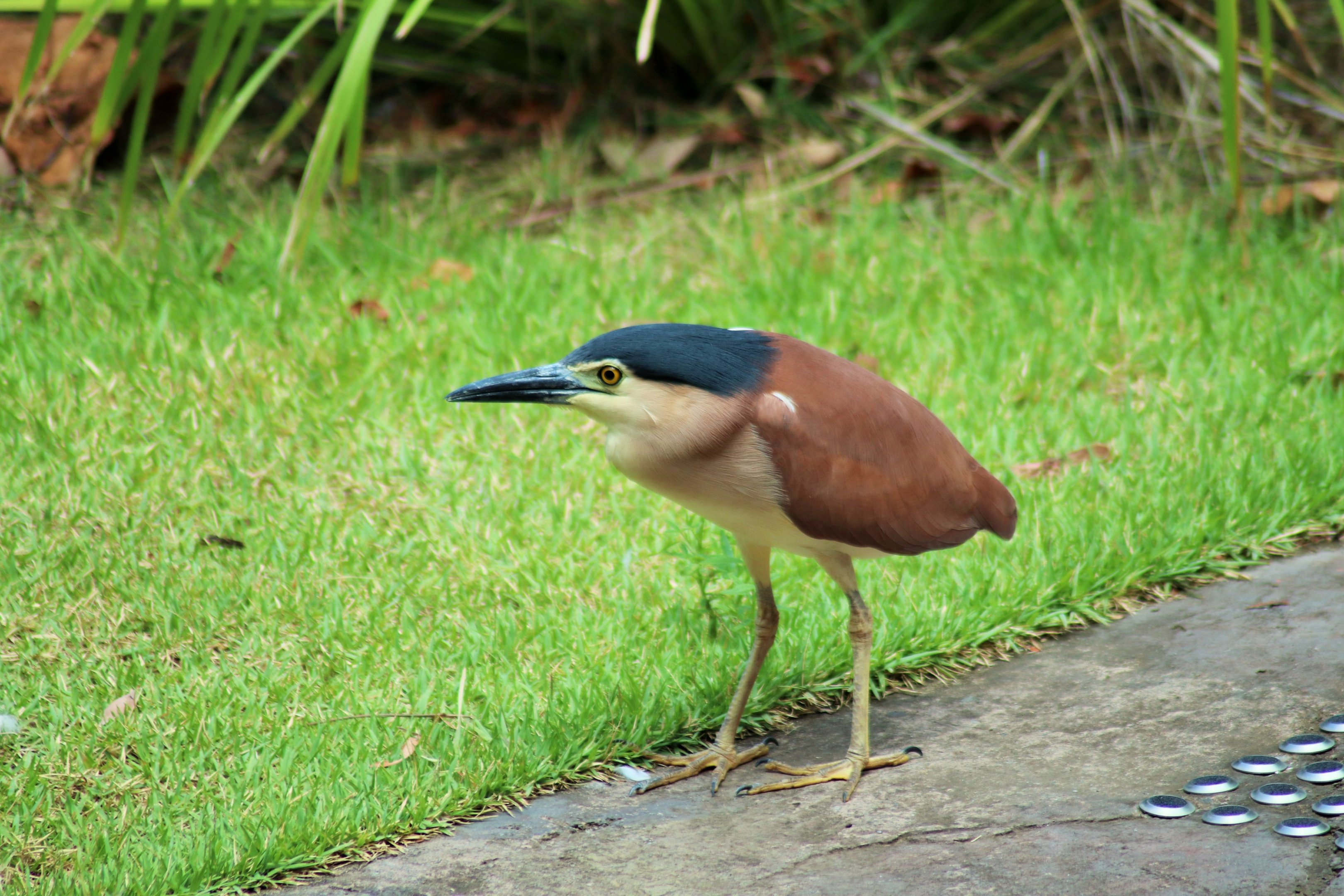
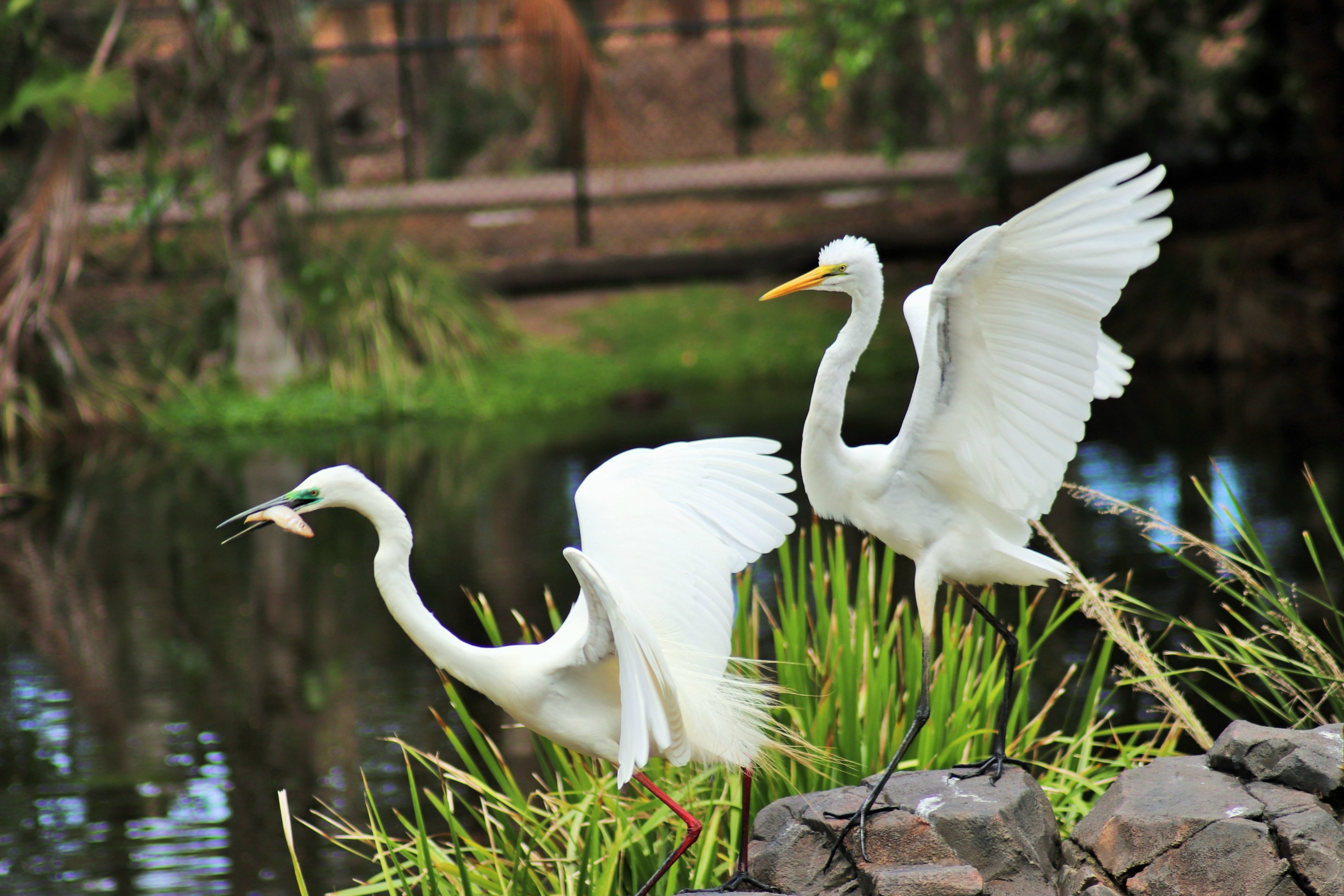
Now is a good time to mention the extensive birdlife that can be found across park. The dams and smaller streams were teaming with life. The only captive waterbirds in the first part of the park were the Australian Pelicans and a male Australasian Darter. Wild bird species found across the dam area included moorhens, great egrets, magpie geese, whistling ducks, black ducks, bush stone curlews and my favourite – Nankeen/rufous night herons. The wild night herons were not shy at all and were especially emboldened during the bird show. More on that later.
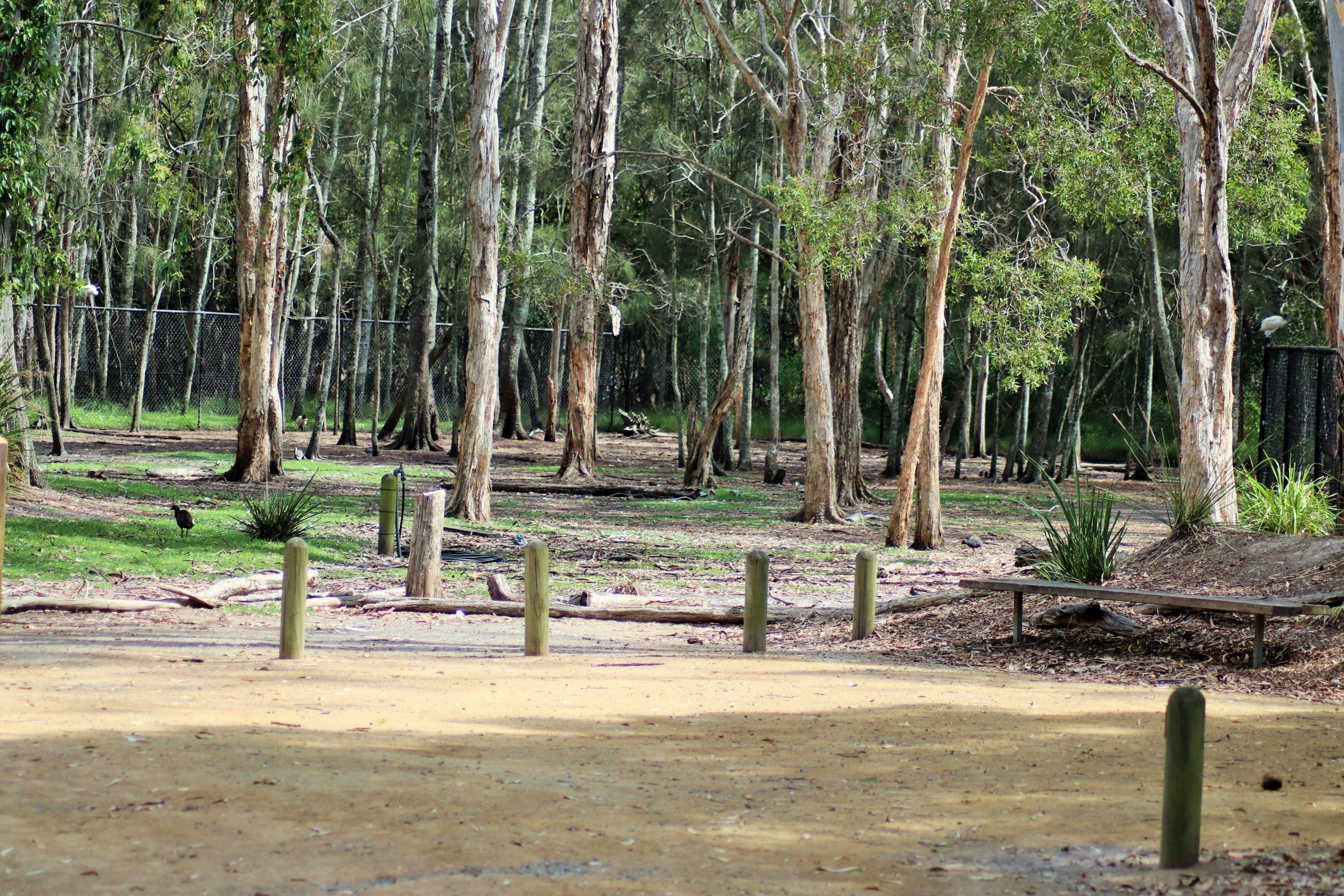
Wallaby Way was up next and was the zoo’s main macropod exhibit. It contained the standard mix of Emu, Eastern Grey Kangaroo and Swamp Wallaby. In addition to these species, it also housed a female Eastern Wallaroo and Agile Wallaby – two species which as far as I know, cannot be found in any other south-east Queensland zoo. The enclosure itself again followed the principle of using the existing environment around them and therefore had several enormous eucalypts.
The majority of the visitor paths were wooden boardwalks over wetlands. I remember being very impressed on how well the park managed to almost blend each enclosure into the environment. There were exhibits for Black Swan, Brolga [a species the park has bred several times], Freshwater Crocodile and a pair of Saltwater Crocodile. All were naturalistic as possible. The final enclosure along this pathway was a sloping enclosure for a pair of Dingoes.
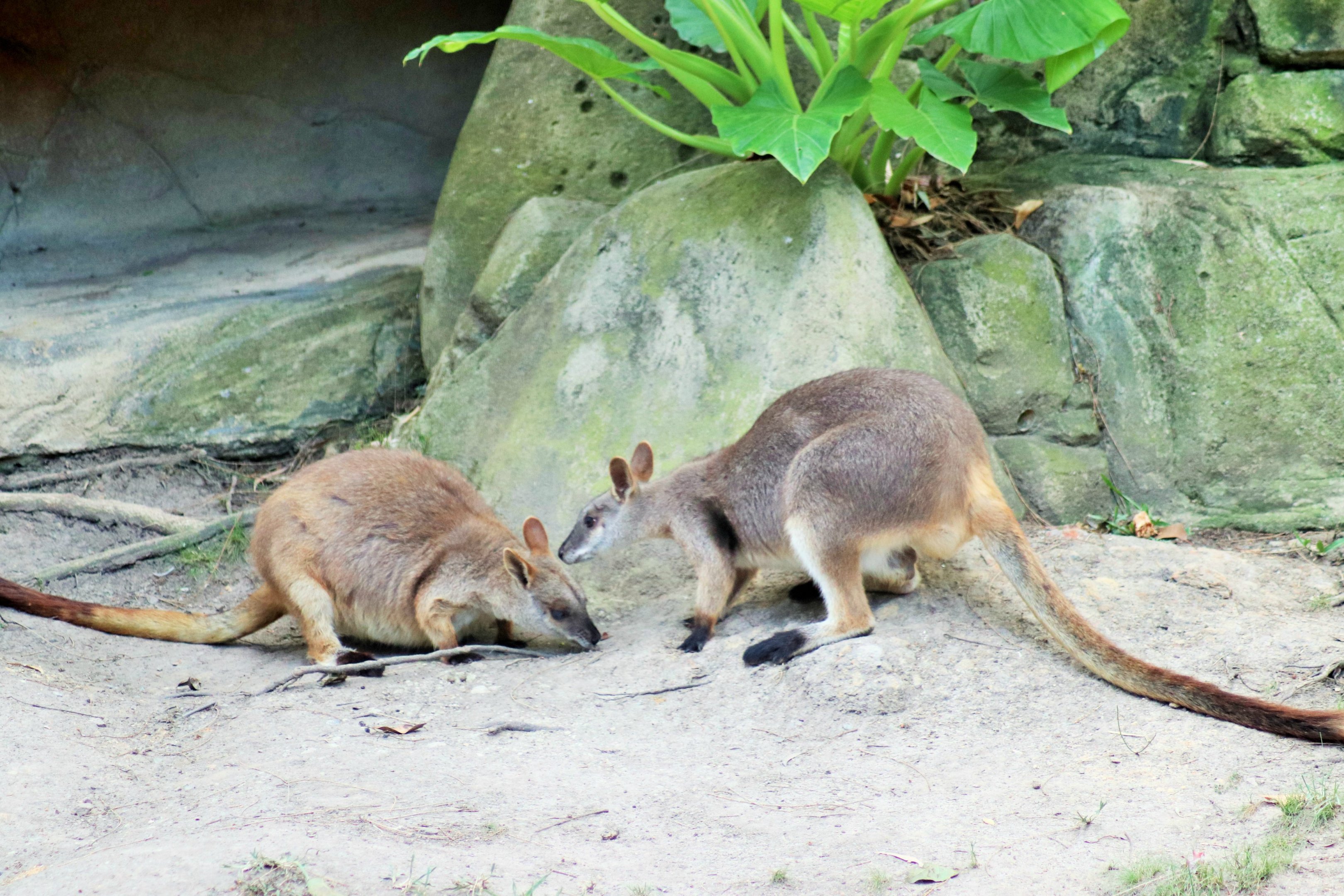
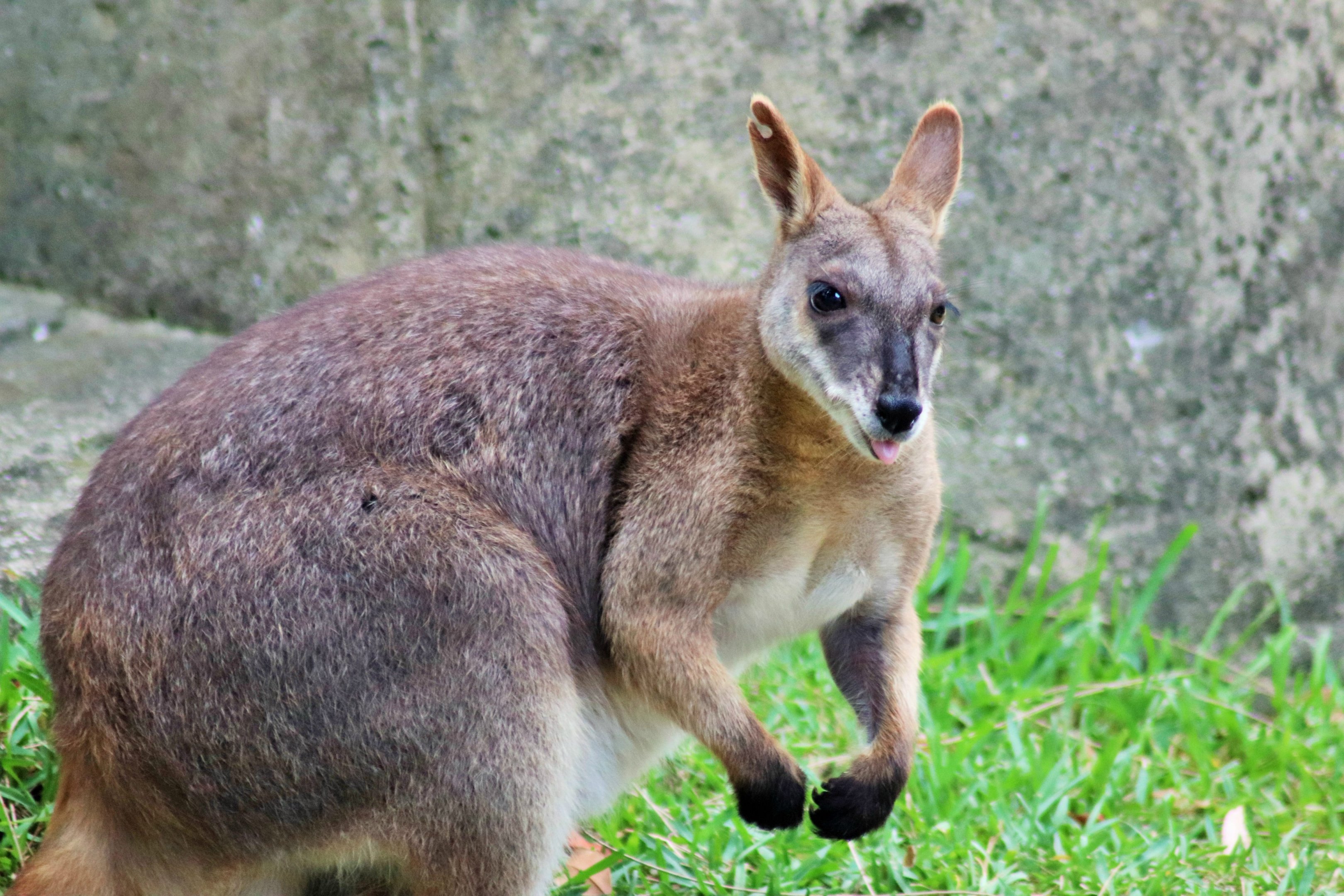
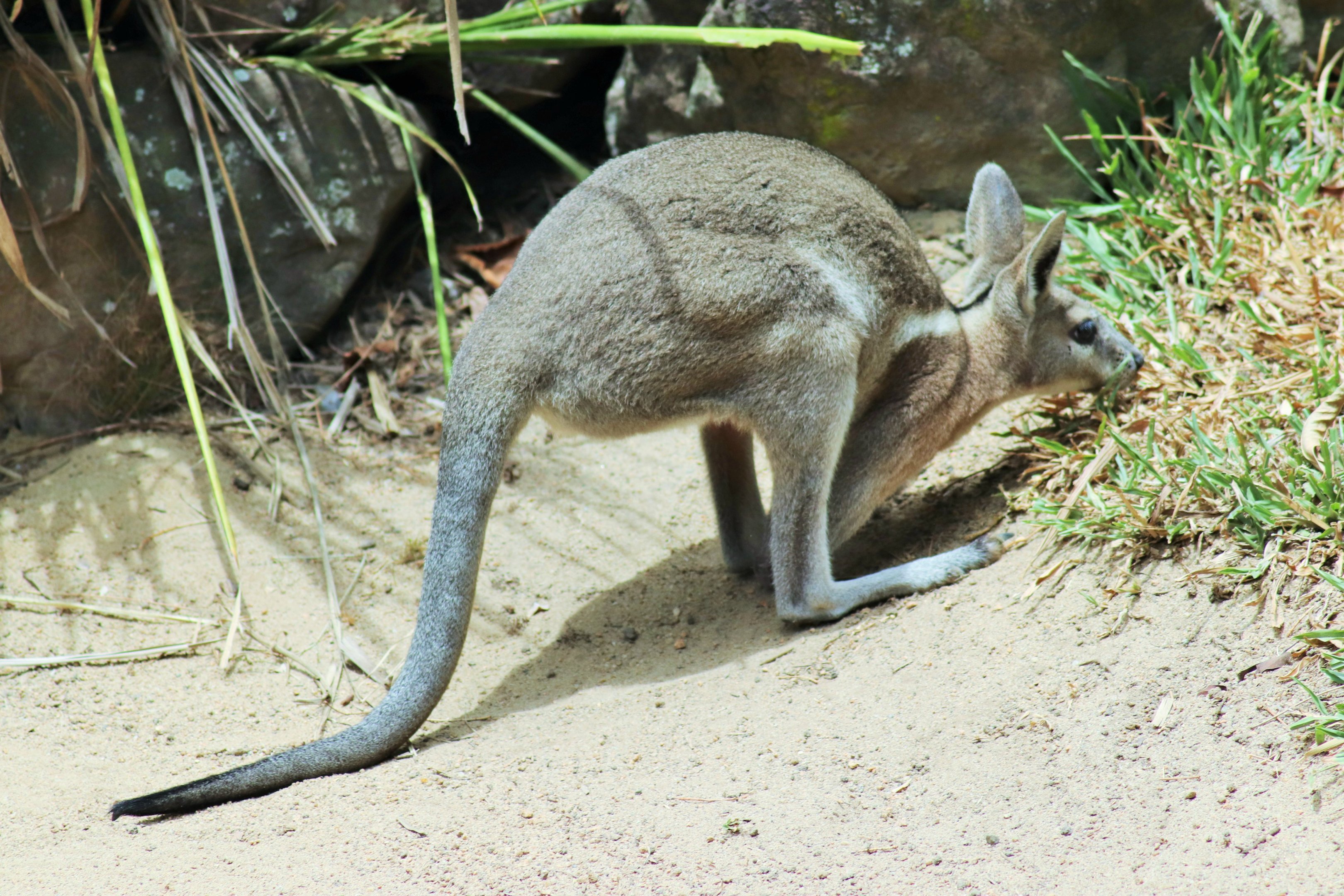
Up next was an outstanding enclosure for Southern Cassowary – easily one of the best, if not the best exhibit I have seen for the species so far. The cassowary was dwarfed by enormous fig trees and the enclosure had dense foliage surrounding it. Nearby was the area in which the wild Red-legged Pademelons congregated. They were quite skittish but there seems to be quite a few of them. Continuing the rainforest theme was an enclosure for Lumholtz’s Tree Kangaroo. I remember there being several tall trees and structures for climbing. Almost completing the full circuit of the park are arguably two of the main reasons a ZooChatter would visit David Fleay - a set of enclosures for Bridled Nailtail Wallaby and Proserpine Rock Wallaby. For those who don’t know, David Fleay is the only zoo that has either of these species. Both enclosures were nicely done – the nailtails had a sloped exhibit with thickly-planted grasses and the group of rock wallabies [I counted four] had access to a large rock pile. The final enclosure on my round was an open-topped exhibit for some Lace Monitors.
I also attended two shows. The first show was called Creatures of the Night and was located in a dark building with a raised seating area. I saw the following species: Short-eared Brushtail Possum [grey morph], Common Ringtail Possum, Bush Stone Curlew, Squirrel Glider and Tawny Frogmouth. The possums emerged from a small hole and walked across a set of branches, received a reward and went back into another hole through the wall. Such a fantastic way to view Australian nocturnal life.
The second show for the day was a bird show which feature the wild waterbirds including the very bold night herons, and the captive Australian Pelicans. Also, a Mary River Turtle slowly emerged from the water. The presenter said it was believed that the turtle was part of Dr. David Fleay’s personal collection. The show also included a few raptors: Black Kites, a Barking Owl and a very vocal White-bellied Sea Eagle. I also saw a Wedge-tailed Eagle and Red-tailed Black Cockatoos in off-display enclosures from one of the visitor pathways.
David Fleay Wildlife Park manages to almost blur the line between their captive and wild animals, providing a uniquely immersive experience. Despite only being a wildlife park of a modest size, David Fleay delivers an authentic opportunity to view animals in incredibly naturalist settings. I also found myself thinking throughout my visit, “oh, wouldn’t that look great in zoo A” or “why doesn’t zoo B do that?”, which goes to show how innovative the park really turns out to be. Throw in a few mammalian rarities (even by Australian standards) into the mix and you have an incredibly enjoyable day out. I highly recommend a visit.
Species list is below and more photos can be found here:
David Fleay Wildlife Park - ZooChat
Opened the early 1950s, David Fleay Wildlife Park, was of course, opened by naturalist Dr. David Fleay who is well-known for breeding several Australian species for the first time in captivity like raptors and most notably platypus at Healesville. In the 1980s, the state government bought the park and continued Fleay’s legacy. The wildlife park itself is positioned along Tallebudgera Creek and prior to entering the entrance there are several trails along the mangroves and eucalyptus forests. A waterway – a series of dams and wetlands - runs throughout the entire zoo and creates a lovely continuity with the enclosures and species line-up.
After paying a very reasonable $16.30 for student admission and walking through the informative visitor centre, the first couple of enclosures contained a few reptile species – Spotted Python, Coastal Carpet Python, Jungle Carpet Python, Southern Angle-headed Dragon, Green Tree Frog and Central Bearded Dragon. All of these enclosures were spacious if I recall correctly. Continuing along was a nicely-done enclosure for Koalas with large mature trees that actually gave the animals opportunities to climb and snooze at truly impressive heights. It was so great to see a decent koala enclosure after the monotony of the basic enclosure design that koalas seem to get too often. Other local zoos should take note!
The nocturnal house was located opposite the koalas and opened at 10.30 during feeding time so visitors were able to get the best views of the animals [which certainly worked because I saw everything in one go]. Despite being of a modest size the nocturnal house was well-designed and each enclosure was lighted with different colours which helped improve visibility. The first exhibit contained the largest group of Spinifex Hopping Mice I had ever seen. They were, as all hopping mice usually are in nocturnal settings, very active. They had access to tall branches and were able to be seen at eye-level. Very cool. Opposite the mice was a nicely-furnished enclosure for a Bilby. Next to the bilby was the most impressive occupant of the building in my opinion - the wonderful Black-footed Tree Rat – Australia’s answer to the squirrel. The species was much larger than I expected and I spent a decent amount of time watching it consume its food. According to the native mammal thread only David Fleay and Territory Wildlife Park hold the species currently. Continuing on was a dimly-lit enclosure for the park’s resident male Platypus. It was a decent size if I remember correctly. Past a terrarium for a Green Tree Python, was a large enclosure for the always hyperactive Fat-tailed Dunnarts. The final enclosure contained a mix of Squirrel Glider and Long-nosed Potoroo. This was the enclosure their Greater Glider used to live in who was off-display during my visit, and now seems to be no longer part of their collection. Whilst I acknowledge nocturnal houses must be very expensive to run, a small park like David Fleay really showcases what can be done with such a wonderfully-planned building.
Now is a good time to mention the extensive birdlife that can be found across park. The dams and smaller streams were teaming with life. The only captive waterbirds in the first part of the park were the Australian Pelicans and a male Australasian Darter. Wild bird species found across the dam area included moorhens, great egrets, magpie geese, whistling ducks, black ducks, bush stone curlews and my favourite – Nankeen/rufous night herons. The wild night herons were not shy at all and were especially emboldened during the bird show. More on that later.
Wallaby Way was up next and was the zoo’s main macropod exhibit. It contained the standard mix of Emu, Eastern Grey Kangaroo and Swamp Wallaby. In addition to these species, it also housed a female Eastern Wallaroo and Agile Wallaby – two species which as far as I know, cannot be found in any other south-east Queensland zoo. The enclosure itself again followed the principle of using the existing environment around them and therefore had several enormous eucalypts.
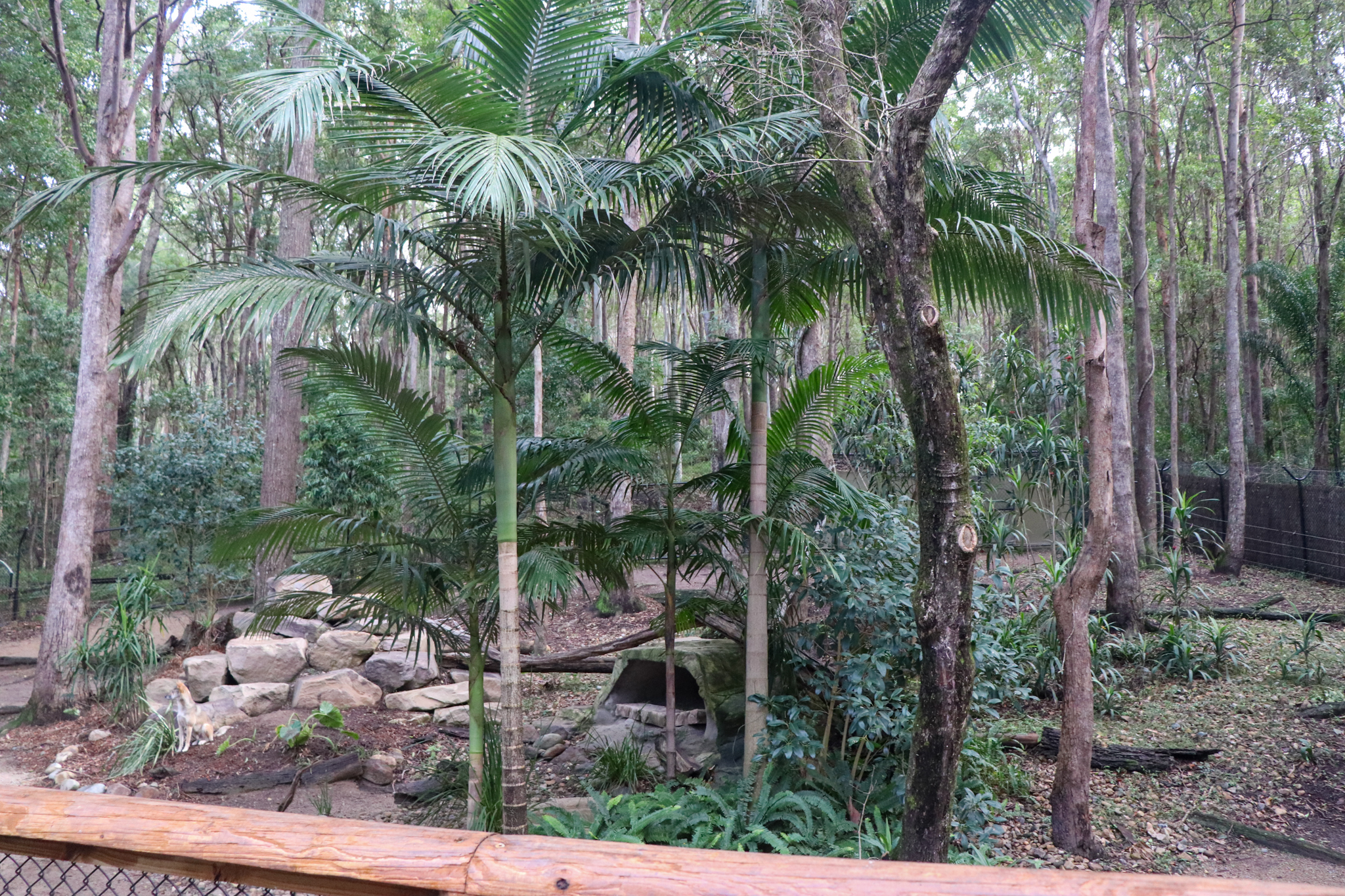
The majority of the visitor paths were wooden boardwalks over wetlands. I remember being very impressed on how well the park managed to almost blend each enclosure into the environment. There were exhibits for Black Swan, Brolga [a species the park has bred several times], Freshwater Crocodile and a pair of Saltwater Crocodile. All were naturalistic as possible. The final enclosure along this pathway was a sloping enclosure for a pair of Dingoes.
Up next was an outstanding enclosure for Southern Cassowary – easily one of the best, if not the best exhibit I have seen for the species so far. The cassowary was dwarfed by enormous fig trees and the enclosure had dense foliage surrounding it. Nearby was the area in which the wild Red-legged Pademelons congregated. They were quite skittish but there seems to be quite a few of them. Continuing the rainforest theme was an enclosure for Lumholtz’s Tree Kangaroo. I remember there being several tall trees and structures for climbing. Almost completing the full circuit of the park are arguably two of the main reasons a ZooChatter would visit David Fleay - a set of enclosures for Bridled Nailtail Wallaby and Proserpine Rock Wallaby. For those who don’t know, David Fleay is the only zoo that has either of these species. Both enclosures were nicely done – the nailtails had a sloped exhibit with thickly-planted grasses and the group of rock wallabies [I counted four] had access to a large rock pile. The final enclosure on my round was an open-topped exhibit for some Lace Monitors.
I also attended two shows. The first show was called Creatures of the Night and was located in a dark building with a raised seating area. I saw the following species: Short-eared Brushtail Possum [grey morph], Common Ringtail Possum, Bush Stone Curlew, Squirrel Glider and Tawny Frogmouth. The possums emerged from a small hole and walked across a set of branches, received a reward and went back into another hole through the wall. Such a fantastic way to view Australian nocturnal life.
The second show for the day was a bird show which feature the wild waterbirds including the very bold night herons, and the captive Australian Pelicans. Also, a Mary River Turtle slowly emerged from the water. The presenter said it was believed that the turtle was part of Dr. David Fleay’s personal collection. The show also included a few raptors: Black Kites, a Barking Owl and a very vocal White-bellied Sea Eagle. I also saw a Wedge-tailed Eagle and Red-tailed Black Cockatoos in off-display enclosures from one of the visitor pathways.
David Fleay Wildlife Park manages to almost blur the line between their captive and wild animals, providing a uniquely immersive experience. Despite only being a wildlife park of a modest size, David Fleay delivers an authentic opportunity to view animals in incredibly naturalist settings. I also found myself thinking throughout my visit, “oh, wouldn’t that look great in zoo A” or “why doesn’t zoo B do that?”, which goes to show how innovative the park really turns out to be. Throw in a few mammalian rarities (even by Australian standards) into the mix and you have an incredibly enjoyable day out. I highly recommend a visit.
Species list is below and more photos can be found here:
David Fleay Wildlife Park - ZooChat
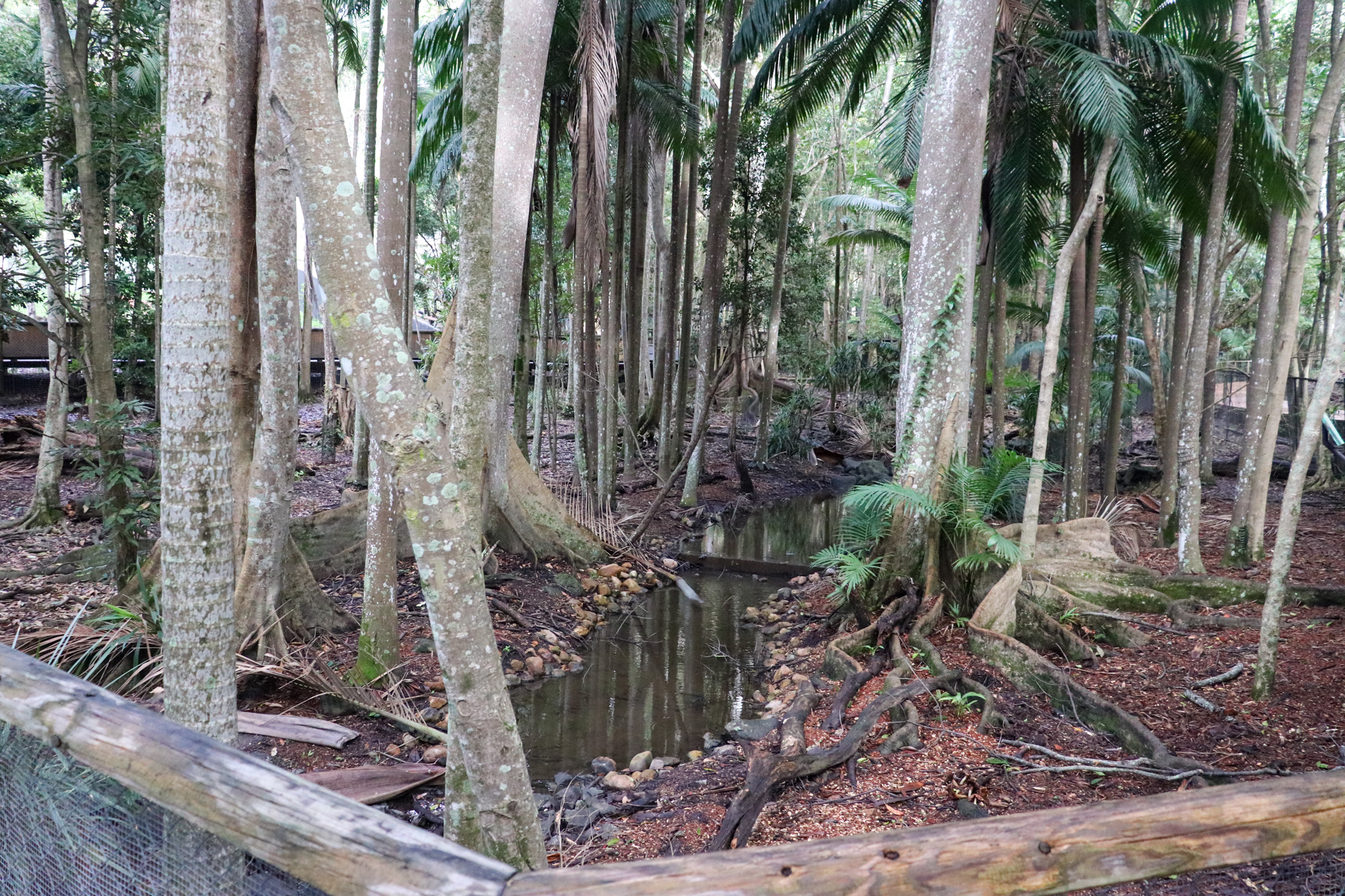
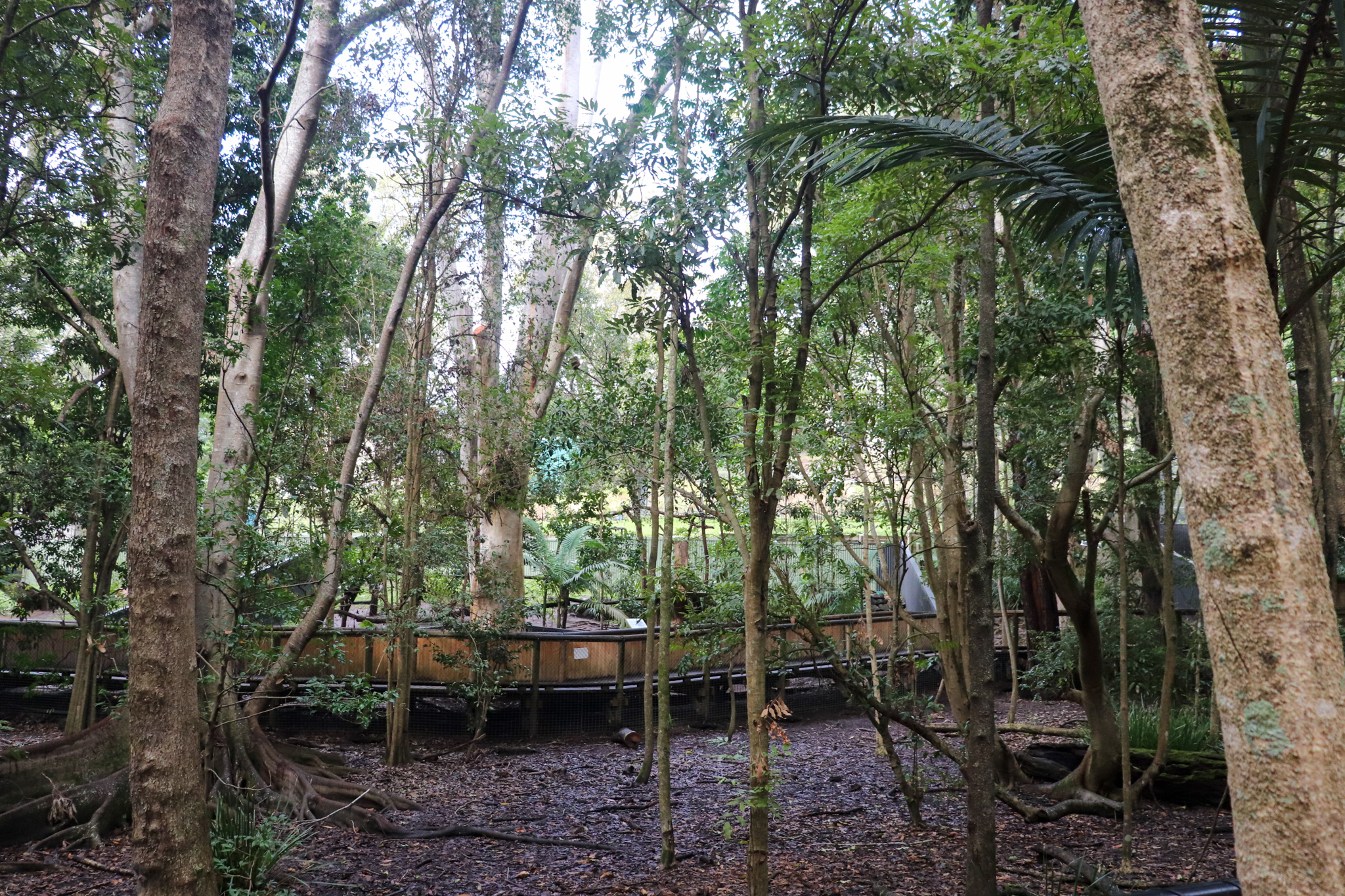
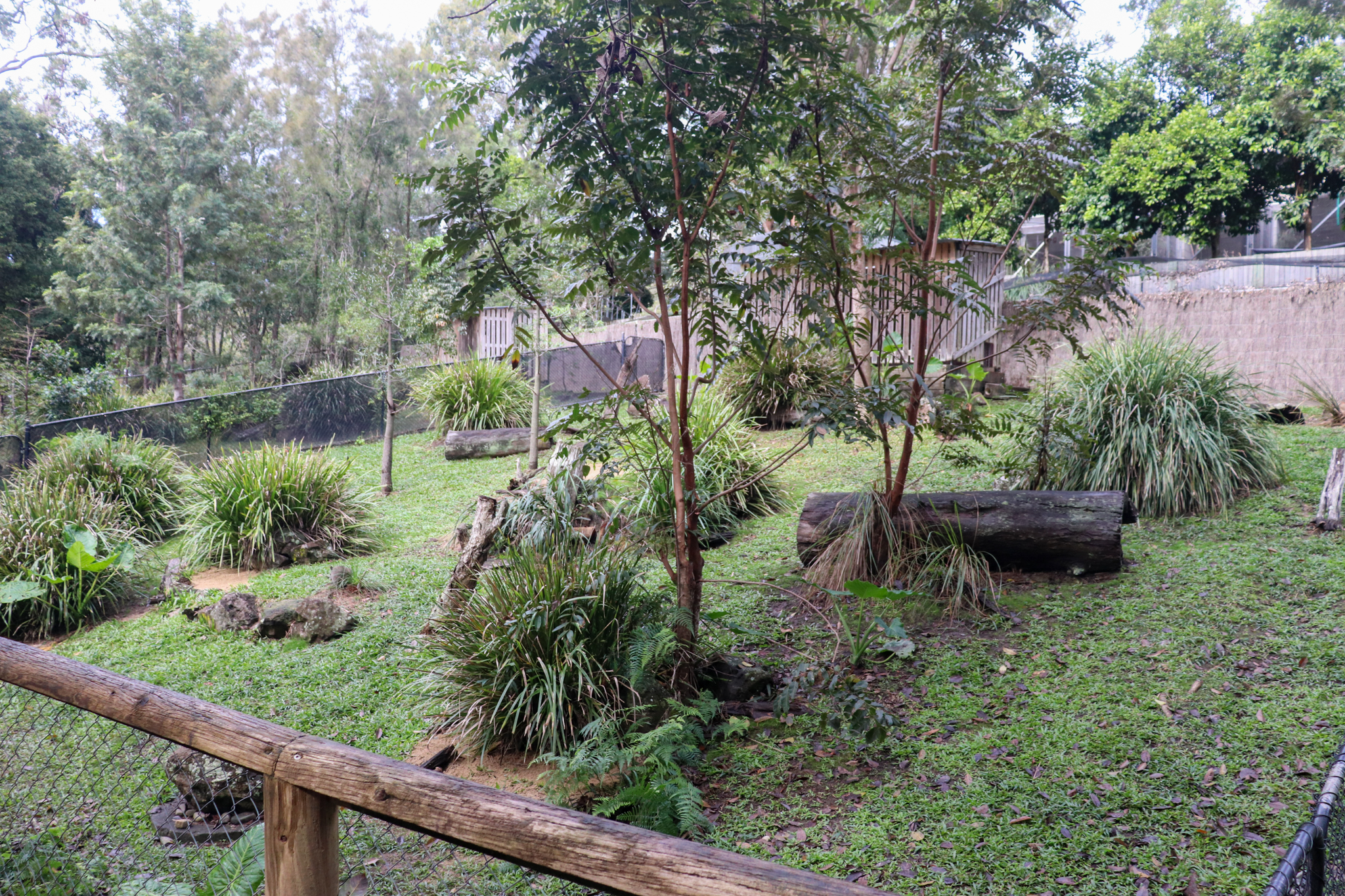
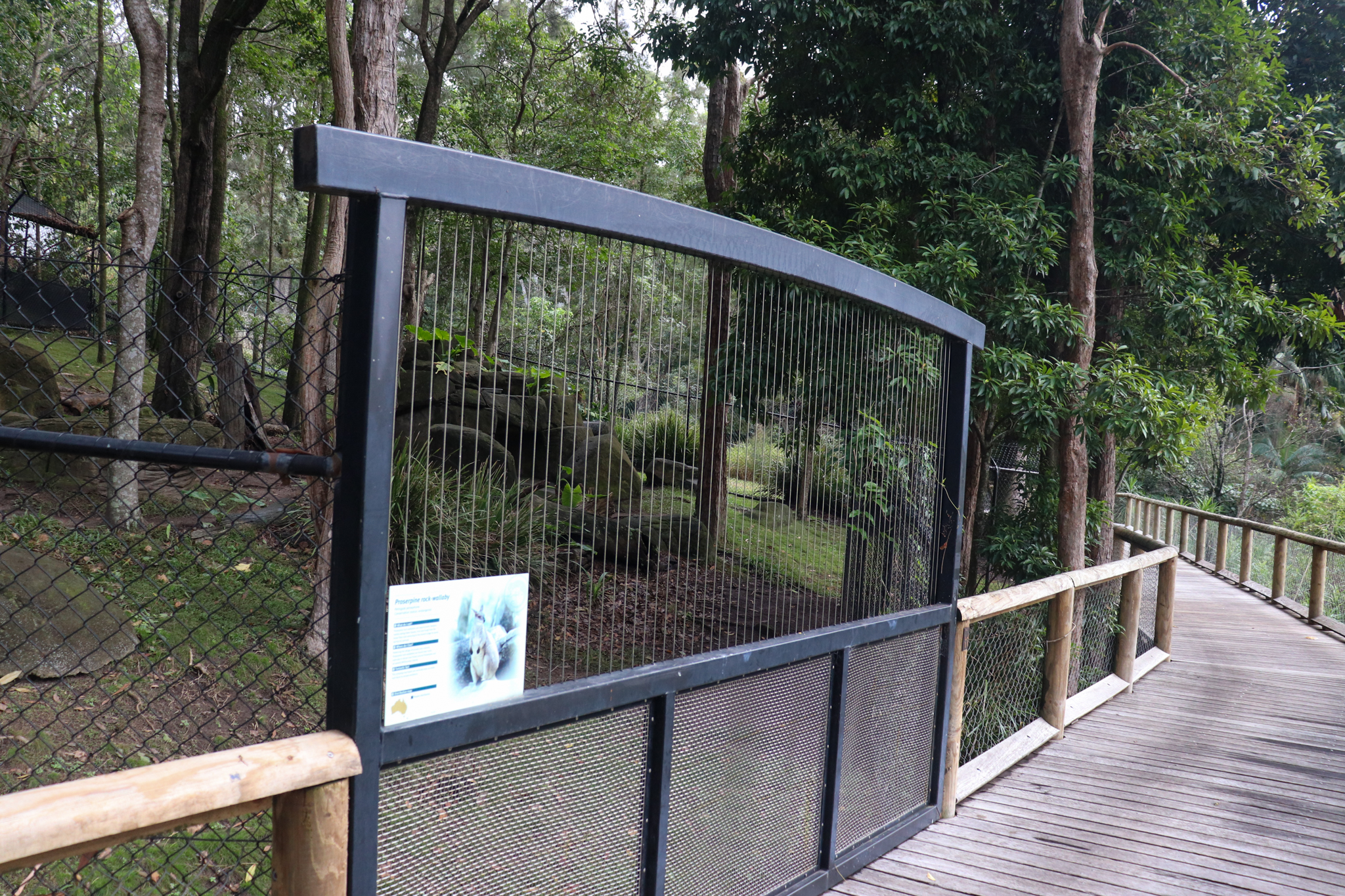
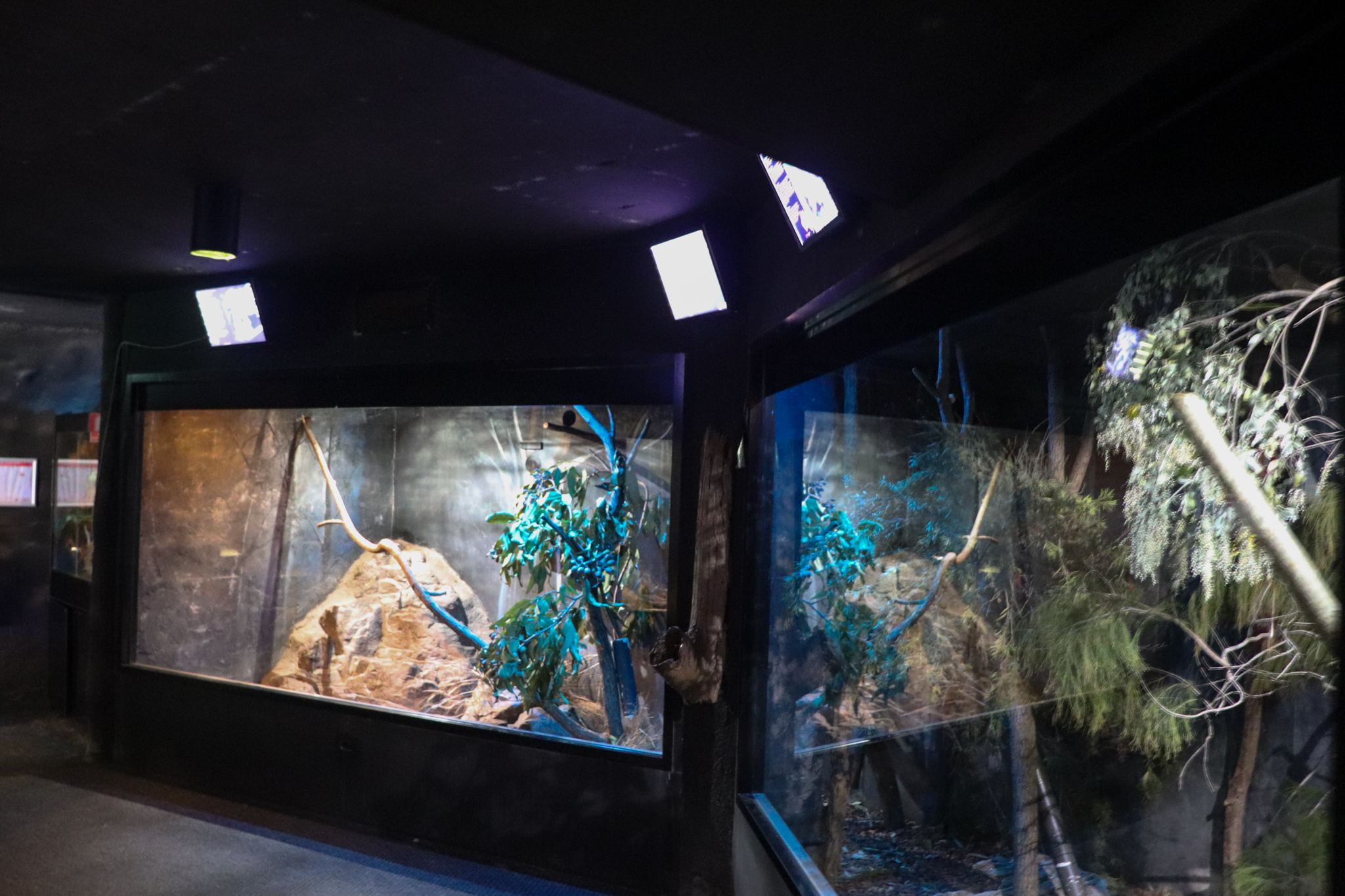
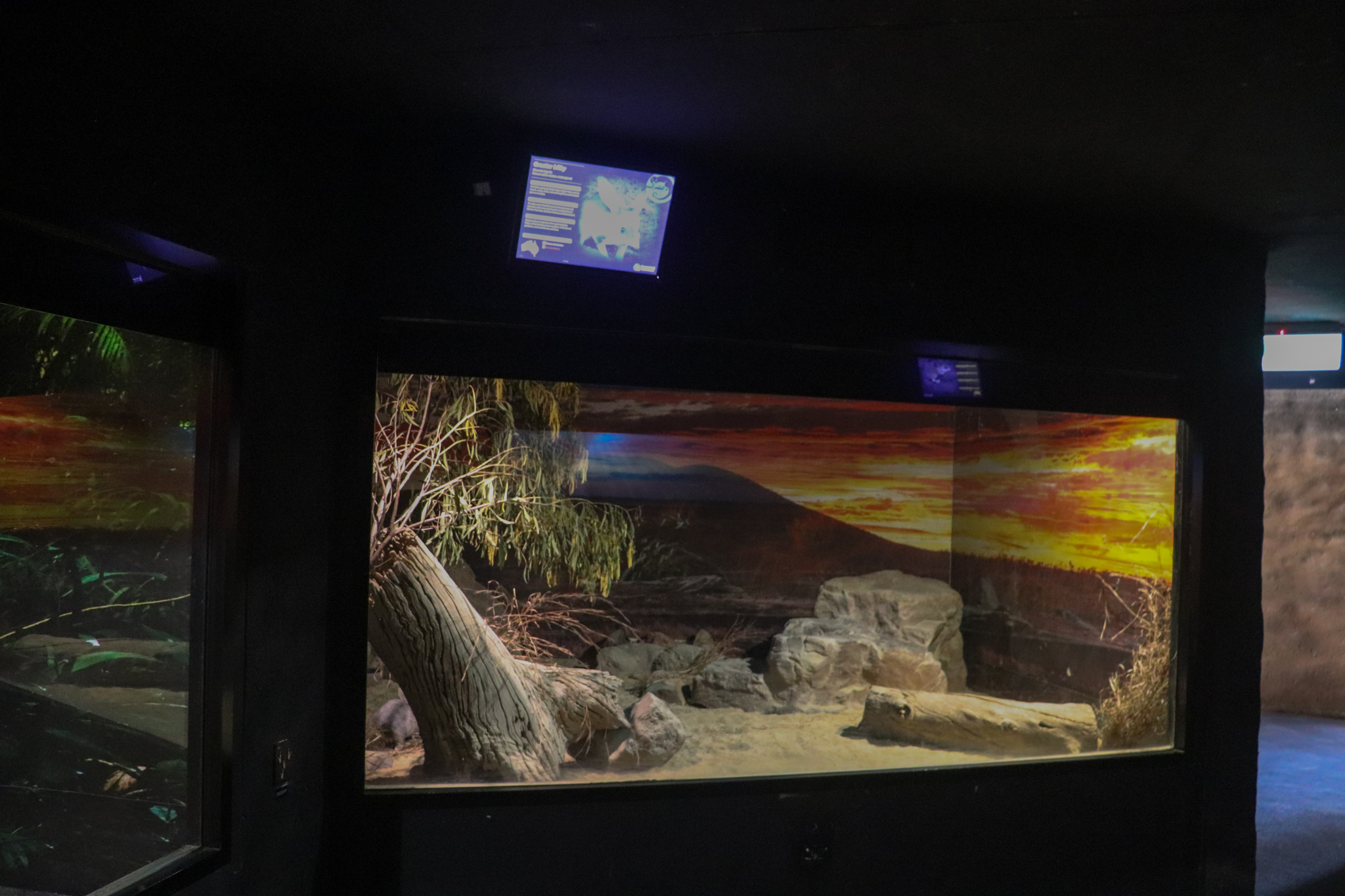

 In regards to the nocturnal house, the only exhibit that was probably smaller than I remember was the Bilby enclosure (which seems to a common issue with Bilbies in nocturnal houses). I should also clarify that the Squirrel Glider/Potoroo enclosure pictured above is one mixed exhibit with two viewing windows. This particular enclosure extends a little further than the picture shows. The gliders also have access via small holes in the wall to go to an off-display area.


