Giant Eland Left in North America

MonkeyBat

Well-Known Member
5+ year member
Giant eland are one of my favorite hoofstock, but as far as I know, more and more collections have phased them out. As of now, here are the only 3 collections I believe have giant elands

San Diego Zoo (only one individual?)
Sand Diego Safari Park
Zoo Miami

Does anyone know of any other facilities that hold this species? Moreover, does anyone know if these above will phase them out anytime soon?
 
Busch Gardens might have one, Safari Wilderness (owned by the same people as Giraffe Ranch) is supposed to have a herd.
 
Last edited:
Also African Safari Wildlife Park in Ohio. Nothing in Texas?

None that are public or hold an exhibitor's license, anyway. I don't have files on private holders, since their license is the same one that domestic animal breeders need and that's a ton of files to go through.
 
I think, White Oak still has them. I Hope so. What about Houston Zoo ?

Unfortuntely all Giant Elands belongs to the IAE ( International Animal exchange", who had imported them in 1985), what makes it extreme difficult to work with that speices. As far as I know, this was the reason why Cincinnati has stopped keeping them, altough they had a very successful breeding of this beautful and highly endangered species. I think, this could be also the reason why Giant elands never came from the USA to Europe- and they never will. In 2004, there were 32.37 Giant Elands at 9 Institutions.

So I hope, the Us-Zoos will not phase them out.
 
White Oak no longer keeps the species. Hopefully someone here knows why, since they were really involved with them in the past.
 
I just read White Oaks apparently sent some to Costa Rica.
Not sure where they would have sent them.
 
Source? Interesting really....

If you use the wayback machine, the giant eland page on White Oak's website mentions it (the page no longer exists).

"White Oak is one of a handful of zoos in the world to work with the species, and we have dedicated significant effort in support of the breeding program for them. We have also developed specific research projects to learn more about the giant eland’s husbandry and health. Several giant eland born at White Oak have been sent to international zoo partners to initiate breeding programs in South Africa and Costa Rica."

Eastern Giant Eland | White Oak
 
This is a species I have already investigated for my ungulates in North America thread. I have identified five remaining holders of the species, with all of the animals belonging to the aforementioned International Animal Exchange, which owns African Safari Wildlife Park in Ohio.

From what I've found, we have:
-3.0 at African Safari Wildlife Park
-0.4 at Zoo Miami
-3.0 at San Diego Zoo
-0.11 at San Diego Zoo Safari Park
-1.2 at Houston Zoo

I've also heard unconfirmed reports of the species still being at Mast Farm, which is owned by the Cincinnati Zoo, though I'm not confident this is the case for the reasons explained above.

What you will see is a suspicious lack of breeding pairs here. From what I can tell the entire population is all directly related to one another and it appears collections are currently no longer breeding them. This is a little confusing, however, given that the species is still an SSP and there are still a decent number of animals left with certainly no less genetic diversity than many other hoofstock populations. I think the major issue here will be IAE, which has complete control over what is done with these animals and where they remain. Unfortunately, I am not overly optimistic for the future of this species in American zoos.

~Thylo
 
This is a species I have already investigated for my ungulates in North America thread. I have identified five remaining holders of the species, with all of the animals belonging to the aforementioned International Animal Exchange, which owns African Safari Wildlife Park in Ohio.

From what I've found, we have:
-3.0 at African Safari Wildlife Park
-0.4 at Zoo Miami
-3.0 at San Diego Zoo
-0.11 at San Diego Zoo Safari Park
-1.2 at Houston Zoo

I've also heard unconfirmed reports of the species still being at Mast Farm, which is owned by the Cincinnati Zoo, though I'm not confident this is the case for the reasons explained above.

What you will see is a suspicious lack of breeding pairs here. From what I can tell the entire population is all directly related to one another and it appears collections are currently no longer breeding them. This is a little confusing, however, given that the species is still an SSP and there are still a decent number of animals left with certainly no less genetic diversity than many other hoofstock populations. I think the major issue here will be IAE, which has complete control over what is done with these animals and where they remain. Unfortunately, I am not overly optimistic for the future of this species in American zoos.

~Thylo

San Diego Safari Park did have a youngish male end of last year...
 
San Diego Safari Park did have a youngish male end of last year...

I noted a younger animal on my visit at the beginning of 2018 as well, which is why the supposed lack of breeding is confusing to me. I suppose it wouldn't be overly difficult to move males/females between the zoo and park for occasional breeding but then the question remains why not keep them both at the same collection.

~Thylo
 
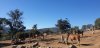
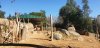
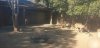
Those are pictures from February. What I can see are three males in the Zoo and at least 7 females and 3 calves in the SDZSP main yard + 2 calves in the nursery pen. Not 100 % sure are the calves the same or not.
 

Attachments

  • 20200217_134508.jpg
    20200217_134508.jpg
    107.1 KB · Views: 36
  • 20200216_094059.jpg
    20200216_094059.jpg
    115.7 KB · Views: 34
  • 20200215_132317.jpg
    20200215_132317.jpg
    163 KB · Views: 32
  • 20200217_150806.jpg
    20200217_150806.jpg
    106.2 KB · Views: 33
Zoo Miami most definitely has a breeding group. I believe I saw 2 calves and about 4 adults during my visit in June.

Also I thought giant eland left Houston for the new south american exhibit?

Very interesting. While I have no access myself, my figures were sent to me by a friend who checked ZIMS. It appears SDZSP and Miami at least have reported single sex groups when they are in fact breeding them. I'd imagine African Safari has a breeding group as well, being the owners of the population and all. Very strange.

As for Houston, perhaps they have left but they're still reported by the zoo

~Thylo
 
This is a species I have already investigated for my ungulates in North America thread. I have identified five remaining holders of the species, with all of the animals belonging to the aforementioned International Animal Exchange, which owns African Safari Wildlife Park in Ohio.

From what I've found, we have:
-3.0 at African Safari Wildlife Park
-0.4 at Zoo Miami
-3.0 at San Diego Zoo
-0.11 at San Diego Zoo Safari Park
-1.2 at Houston Zoo

I've also heard unconfirmed reports of the species still being at Mast Farm, which is owned by the Cincinnati Zoo, though I'm not confident this is the case for the reasons explained above.

What you will see is a suspicious lack of breeding pairs here. From what I can tell the entire population is all directly related to one another and it appears collections are currently no longer breeding them. This is a little confusing, however, given that the species is still an SSP and there are still a decent number of animals left with certainly no less genetic diversity than many other hoofstock populations. I think the major issue here will be IAE, which has complete control over what is done with these animals and where they remain. Unfortunately, I am not overly optimistic for the future of this species in American zoos.

~Thylo
What happened to the bull from Miami? He was there in November 2016. Did he move to another facility?
 
The Houston animals on ZIMS are relicts— They are since deceased or departed. They no longer hold the species. IAE and their lack of compliance with breeding recommendations and the cost of buying into the species is why most places have stopped working with the species— Cincinnati, Houston, White Oak, etc.

The breeding male at SDZSP died at the end of last year. The Safari Park and San Diego Zoo Global as a whole are both under entirely new management, and they are completely reworking their collection plan— as is the AZA as a whole. As much as I *love* giant eland, I would not be surprised if this is the beginning of the end.
 
Back
Top